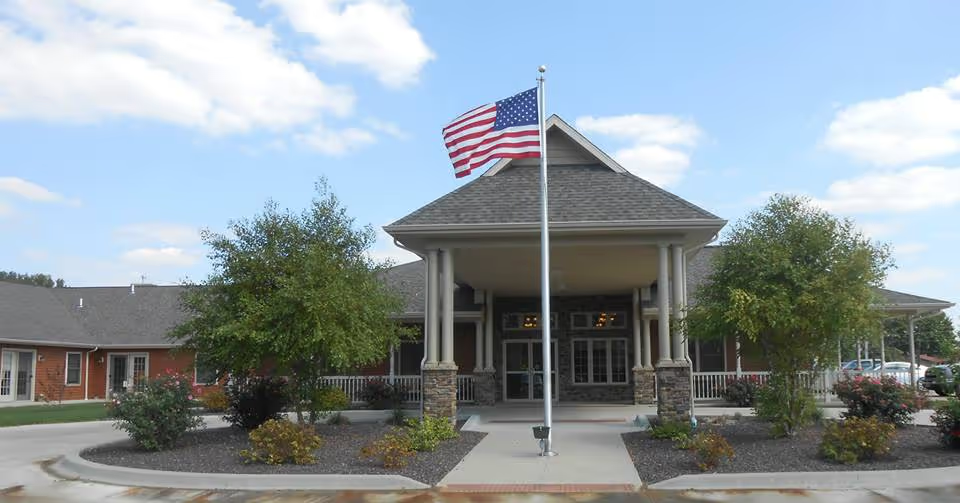
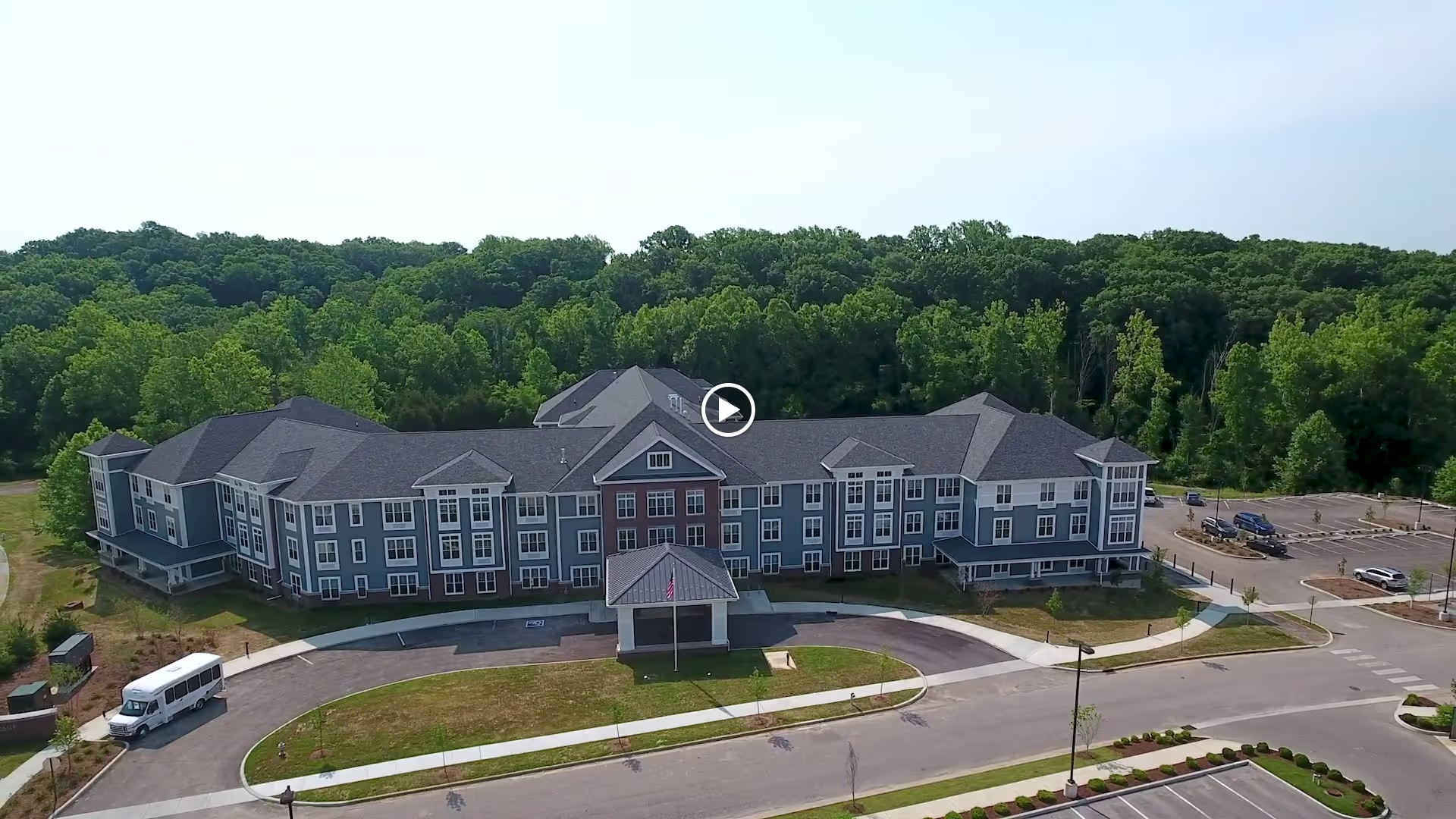
Overall impression: Cedar Creek of Washington presents as a smaller, home-like assisted living with many families praising compassionate, attentive staff and a warm community atmosphere. The building and grounds are frequently described as attractive and well maintained; apartments are accessible and functional (including walk-in showers), and the campus is pet-friendly and licensed. Multiple reviewers highlighted strong infection-control practices during COVID-19, an active calendar of exercises and social events, on-site services such as a salon, and staff who celebrate special occasions and go beyond basic caregiving.
Care and staff: Caregiving quality is the facility’s most frequently cited strength—many reviewers describe caregivers and nurses who provide personalized attention, create a family-like relationship with residents, and support families when they cannot be present. That said, there are operational inconsistencies. Staffing stability varies over time: turnover and shifts in personnel have been noted, and several accounts point to limited availability or delayed response during nights and after-hours. There are also concerns about medication timeliness and administration controls that prospective families should review with leadership.
Dining and activities: Dining experiences are mixed. Several families praise generous portions and enjoyable menu items, while others describe instances of cold or poorly timed service and an overall decline in meal quality following ownership changes. The facility offers a broad activities program—exercise classes, outings, games, and celebrations are regularly mentioned—but availability and dementia-specific programming can be uneven. Prospective residents with memory care needs should ask about tailored activities and routine schedules.
Facilities and housekeeping: Many reviewers commend cleanliness and upkeep, but others describe variability in housekeeping standards and raise pest-control and sanitation concerns. Maintenance staff are also frequently noted as responsive. Apartments tend to be described as comfortable and appropriately sized, and common areas are welcoming; still, families should confirm unit-level conditions during a tour.
Management, billing, and ownership: A recurring pattern involves changes after a buyout or management transition. Positive leadership engagement is noted by some families, but others report unmet promises, staff departures, and a perceived decline in certain services following ownership change. Financial transparency is a consistent area of concern: reviewers point to point-based or otherwise unclear fee structures and monthly increases that can materially raise private-pay costs. The private-pay model itself is also described as influencing service priorities in some families’ views. Contract, POA, and mediation language should be reviewed carefully before committing.
Notable patterns and takeaways: Cedar Creek offers strong interpersonal care and a residential, community-oriented environment that many families find comforting. However, operational variability—especially around staffing consistency, after-hours responsiveness, meal service reliability, medication-timing controls, housekeeping consistency, pest-control, and billing transparency—emerges across reviews. For families considering Cedar Creek, recommended pre-admission questions include: current staffing ratios (day vs. night), call-button and beeper response protocols, medication administration policies and oversight, sample fee schedules and contract terms (including point-based charges), pest-control and sanitation procedures, and specifics of dementia-targeted programming and sensory accommodations. A guided tour during meal service and a meeting with the administrator about recent ownership or policy changes will help clarify whether the facility’s strengths align with a prospective resident’s needs.