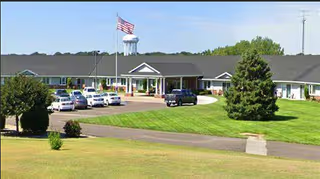
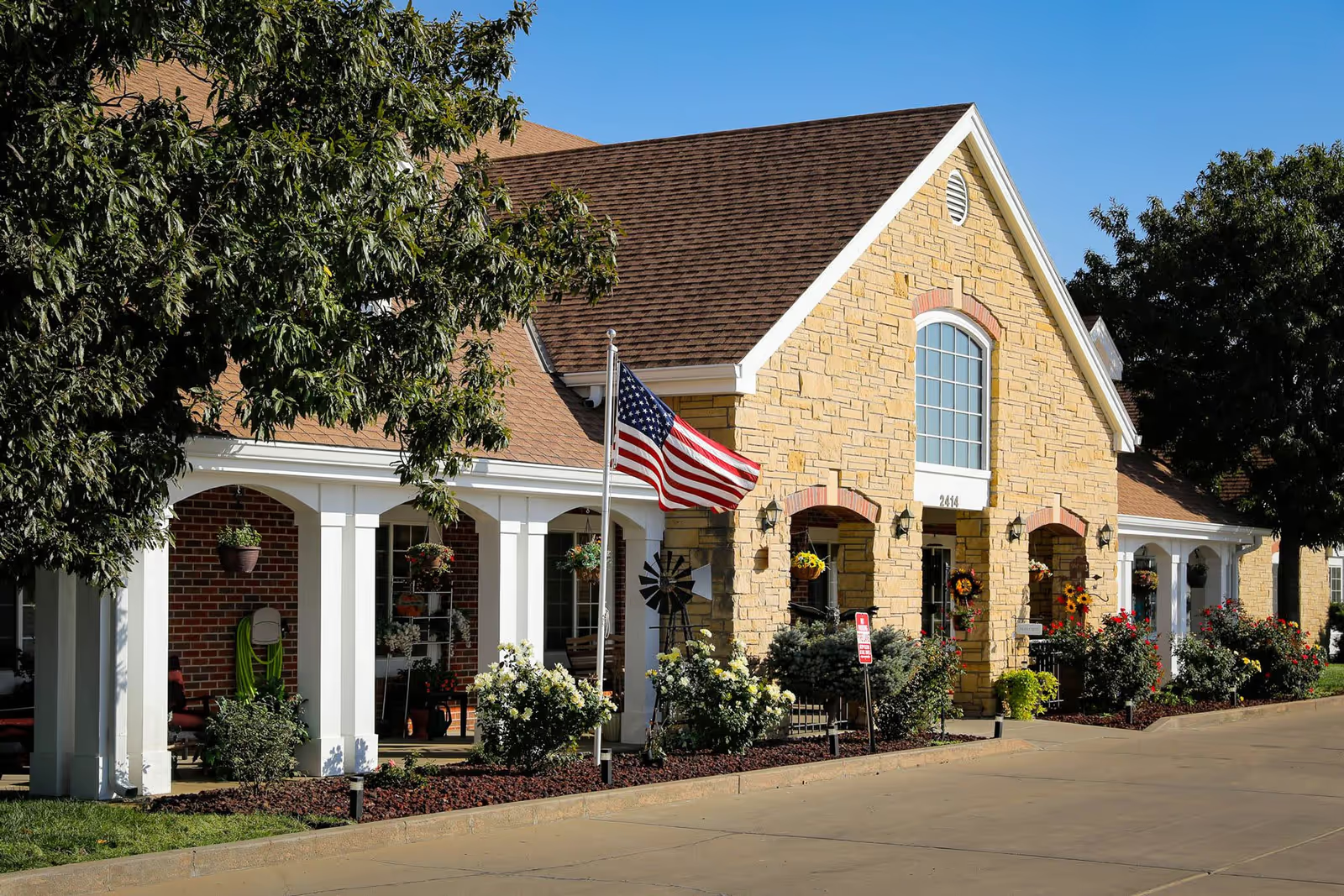
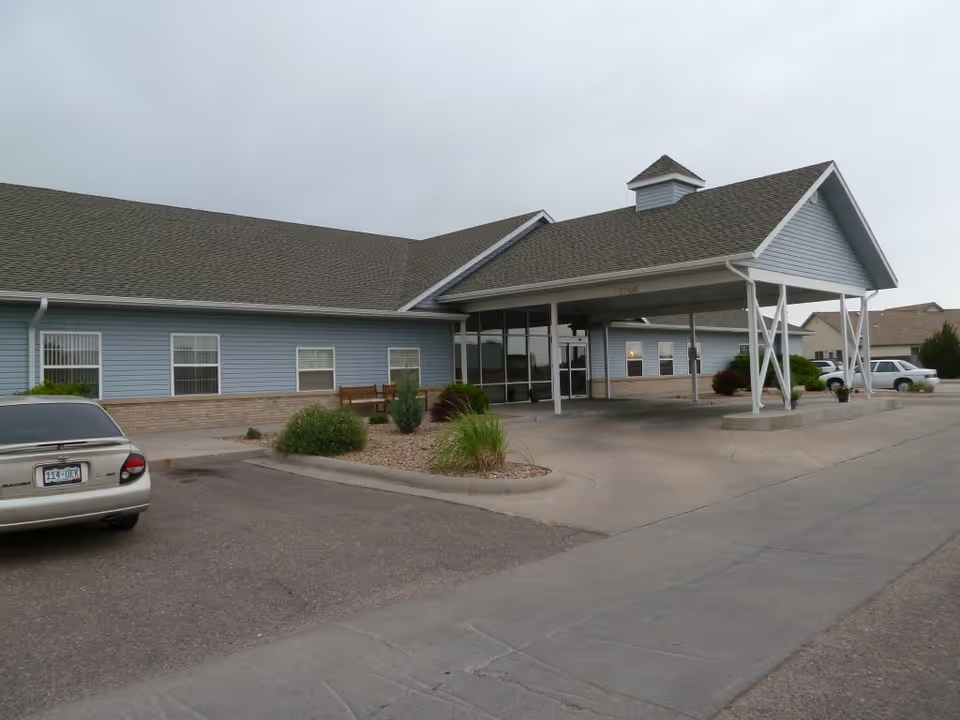
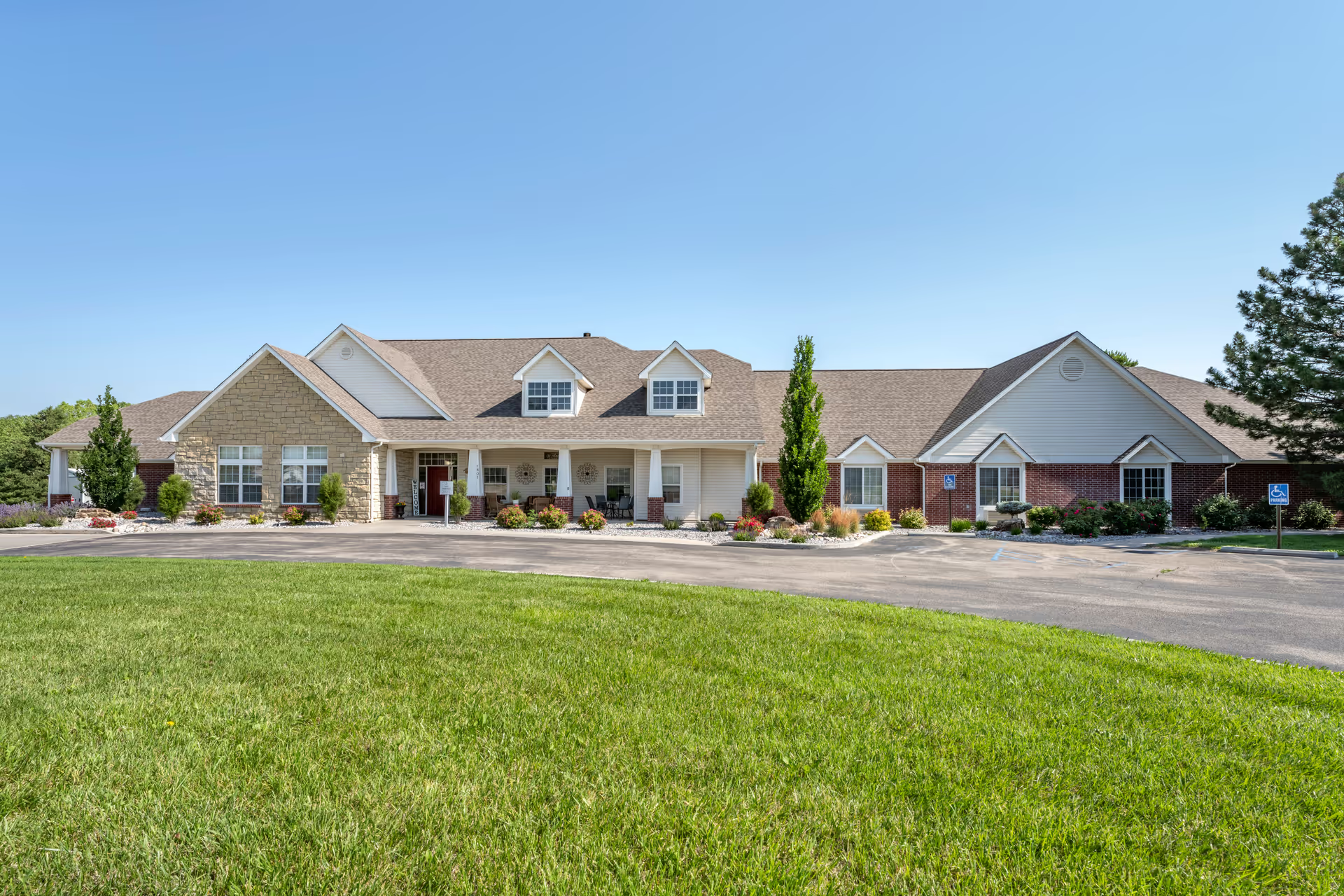
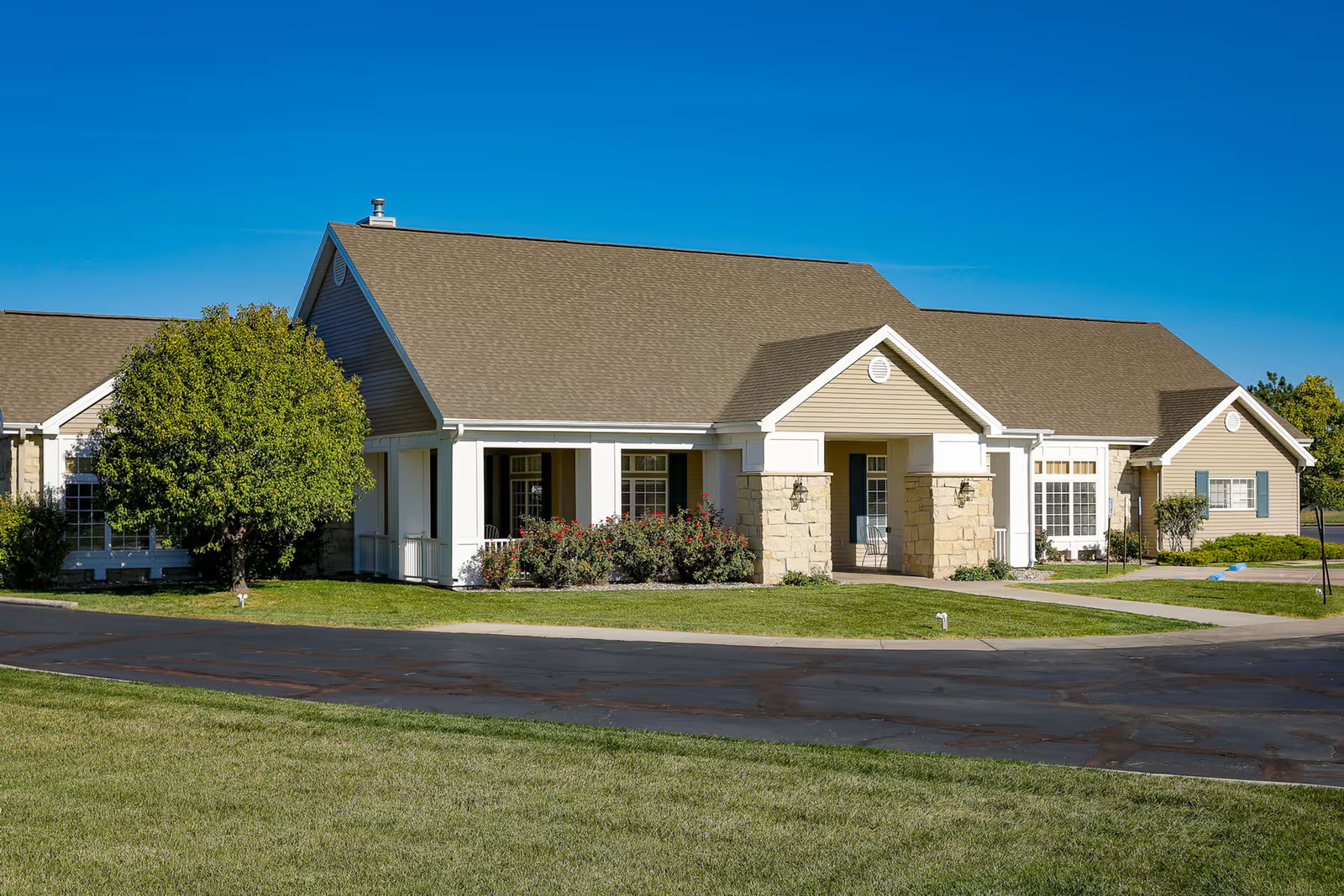
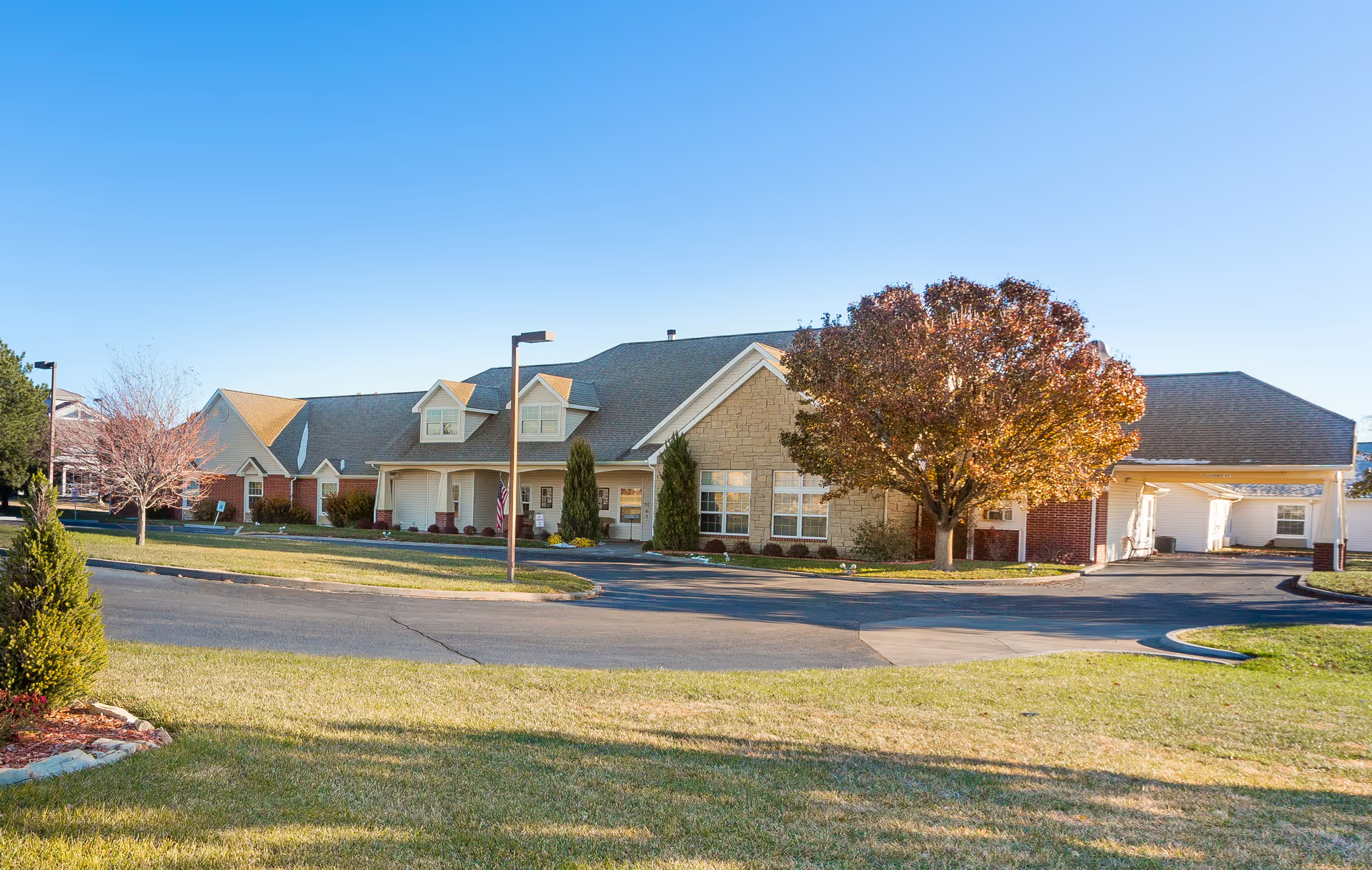
Good Samaritan Society - Sherman County is portrayed as a small, community-oriented facility with several clear strengths alongside notable operational concerns. Positives described include a home-like atmosphere, attentive dining staff, well-regarded meals, and an active program of social activities such as bingo and movies. Cleanliness and caring interactions are cited by some as strengths, and the facility appears to have a favorable reputation within the local community.
Care and staffing present a mixed picture. Several accounts describe caring employees and positive day-shift interactions, while other accounts point to inconsistent staff conduct and communication, including concerns about the tone used by some staff and administrators. Staffing levels are described as limited, particularly overnight, and there are reports of delayed clinical responses to alarms. These descriptions suggest variable reliability in daily care and responsiveness that prospective families should confirm when evaluating the facility.
Dining and activities are generally viewed positively. Reviewers praise the dietary team and the quality of meals, and the activity schedule is noted as engaging for residents. At the same time, operational interruptions have affected service continuity: equipment failures (for example, issues with a dishwasher) and related manual workarounds have been mentioned, producing concerns about dishware sanitation and consistent housekeeping/dining processes.
Facility management and infection control are additional areas of concern. Some reviewers described a restrictive visitation policy and limited visiting windows, which may affect family access and involvement. There are also accounts of infectious outbreaks that raise questions about outbreak-management protocols. More serious are allegations involving theft and employee misconduct; those assertions underscore the importance of reviewing the facility's incident reporting, asset-tracking, and staff supervision procedures.
Overall, the facility shows strengths in meals, activities, and aspects of the resident environment, but recurring operational themes — inconsistent staff conduct, limited staffing and delayed responses, equipment and sanitation process gaps, restrictive visitation practices, and questions about infection-control and personnel oversight — warrant careful inquiry. Prospective residents and families should ask management for current staffing ratios and response metrics, written visitation and infection-control policies, maintenance logs for critical equipment, procedures for safeguarding resident belongings, and documentation of any corrective actions or investigations related to the allegations. These steps can help clarify whether the facility's positive day-to-day aspects are supported by reliable operational practices.