Reviewers describe a facility with a mix of strong clinical strengths and notable operational weaknesses. On the positive side, rehabilitation and therapy services are frequently praised for effectiveness and professionalism; several families report good progress after surgery and strong therapy staff engagement. Nursing teams and specific leaders (including the director of nursing in some accounts) receive commendations for hands-on care, open communication, and helpful discharge planning. Admissions and intake processes are described as streamlined by some, and proactive post-discharge follow-up and coordination with families are highlighted as strengths.
At the same time, there is a recurring pattern of inconsistency in basic care processes and responsiveness. Concerns focus on delayed staff response to call lights and to resident falls, inconsistent hygiene and bathing schedules, and sanitation-related issues tied to incontinent care. These operational gaps are often attributed to uneven staffing levels and shift variability, which reviewers tie to delays in attending to residents and gaps in routine checks. Several accounts describe failures in fall-prevention and transfer-safety practices, and families express worry about how quickly clinical incidents are recognized and communicated.
Staff conduct and culture emerged as a divisive theme. Many reviews praise friendly, professional, and compassionate team members, while others document poor bedside manner, perceived favoritism, and examples of biased or disrespectful interactions. Communication also varies: when interdisciplinary teams communicate well, families report satisfaction and clarity; when front-desk coverage, paperwork coordination, or department handoffs break down, families describe confusion, lost or delayed discharge paperwork, and burdensome follow-up. There are also more serious operational concerns noted, including regulatory deficiencies that led to temporary admissions restrictions and at least one allegation of financial misconduct.
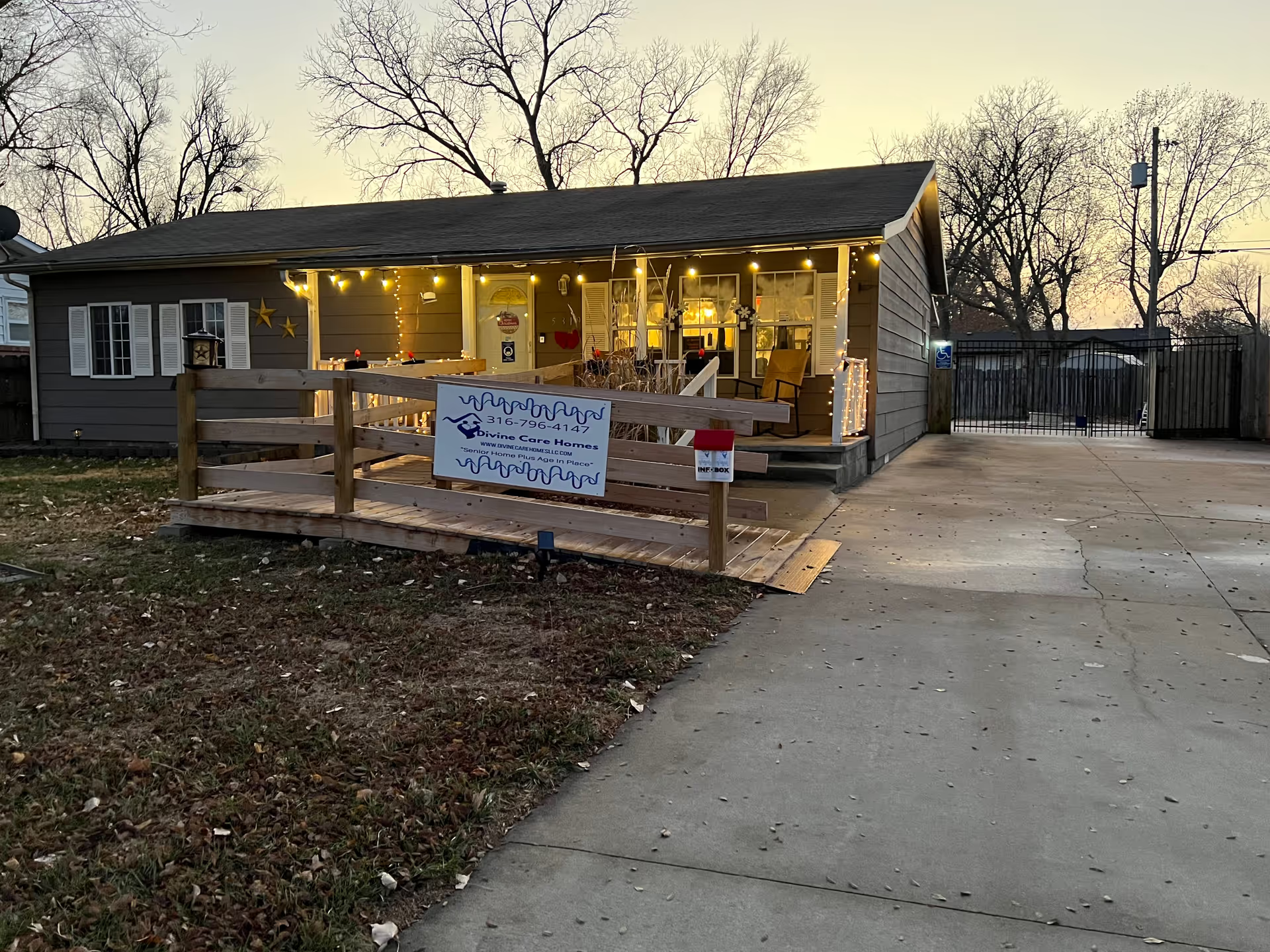
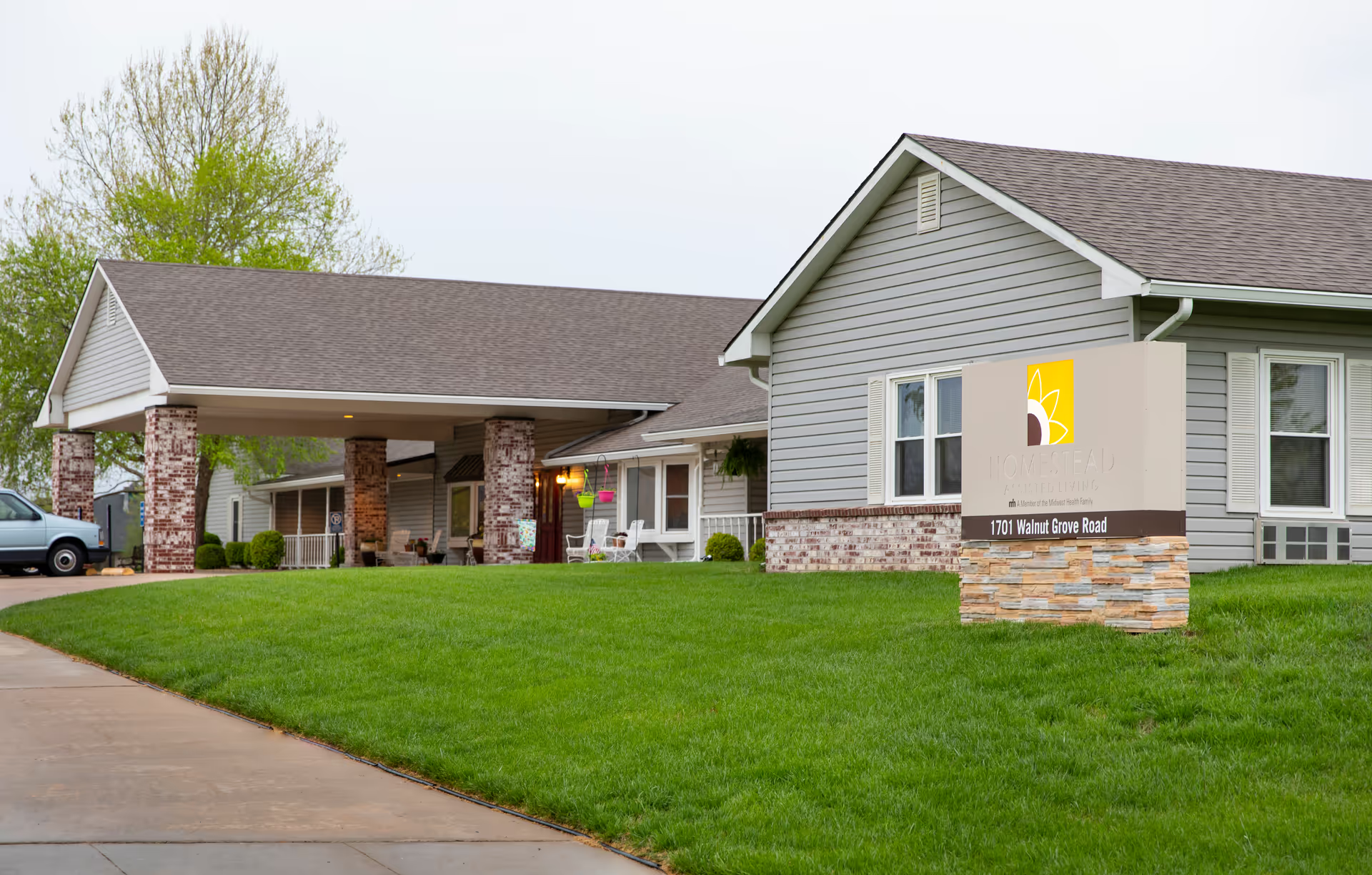
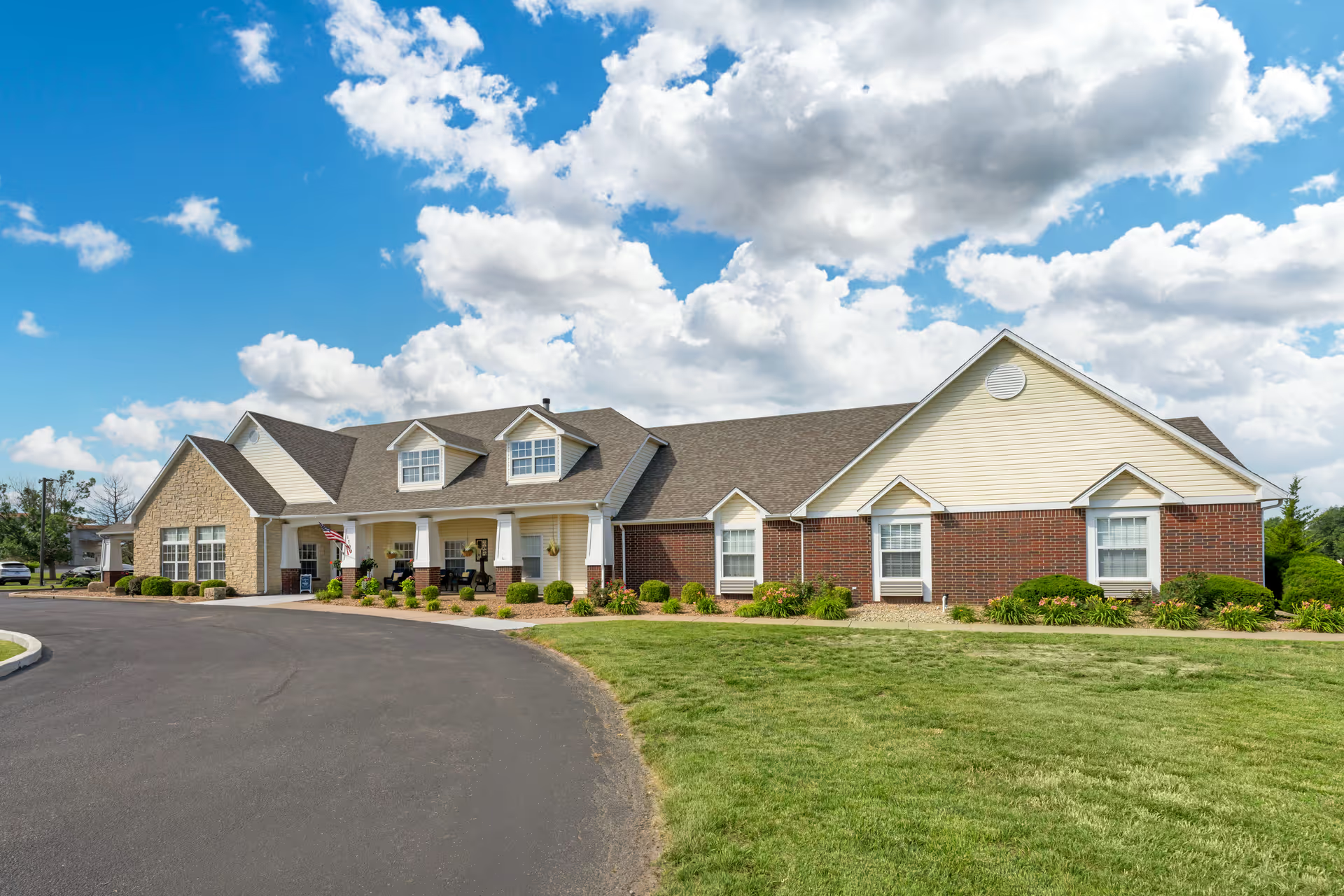
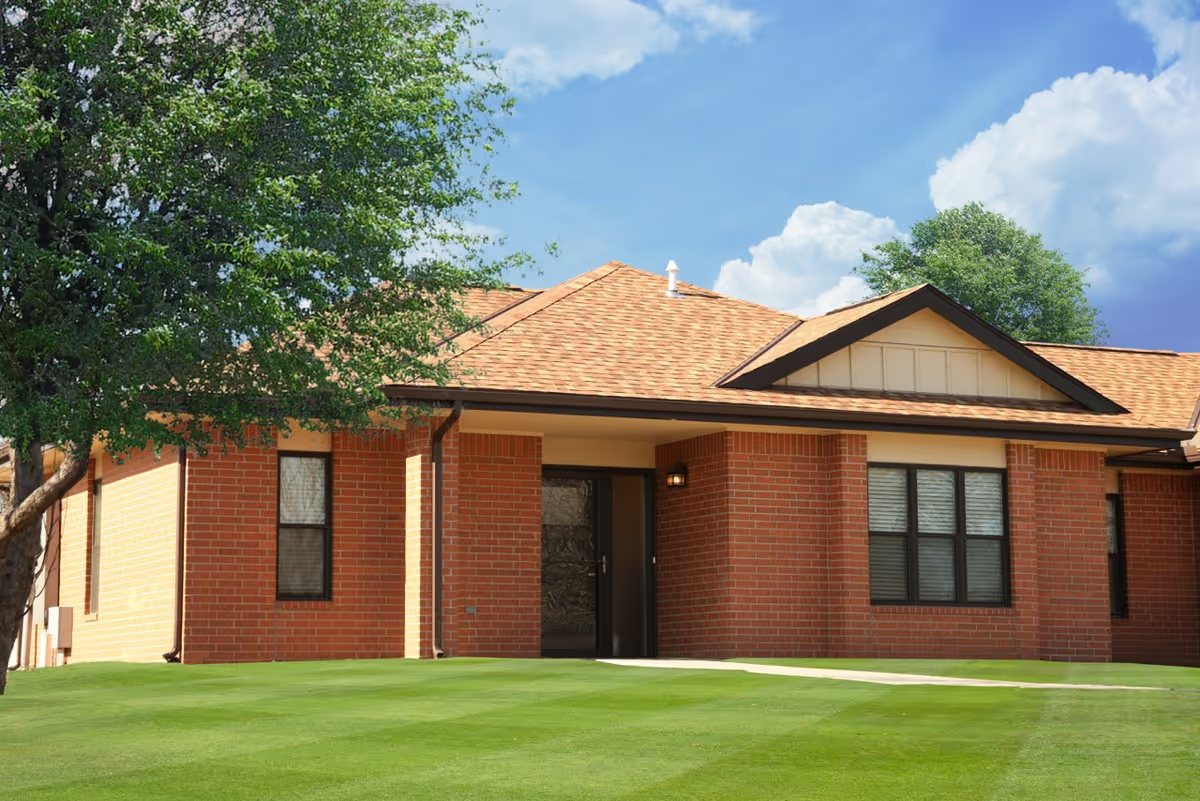
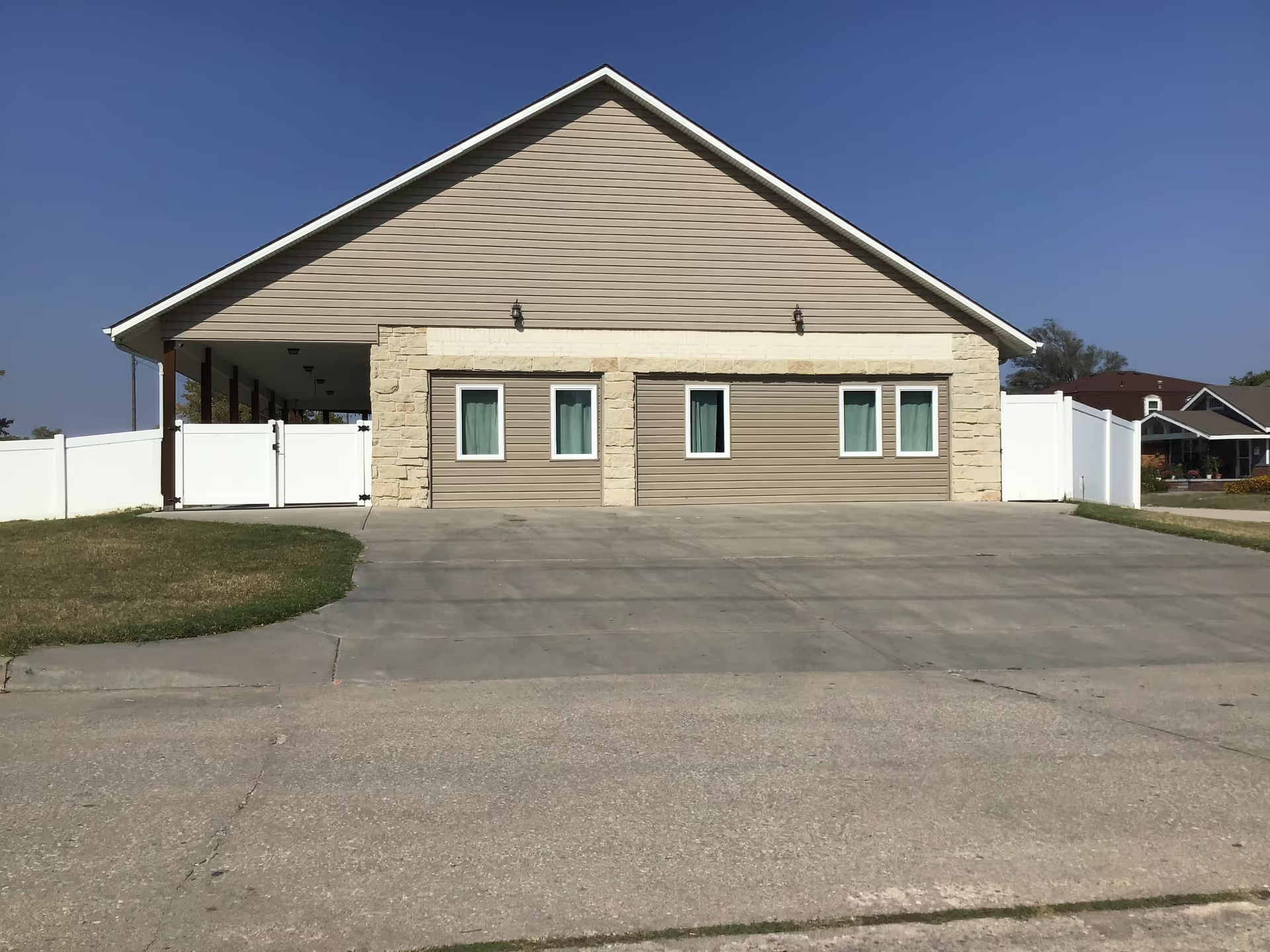
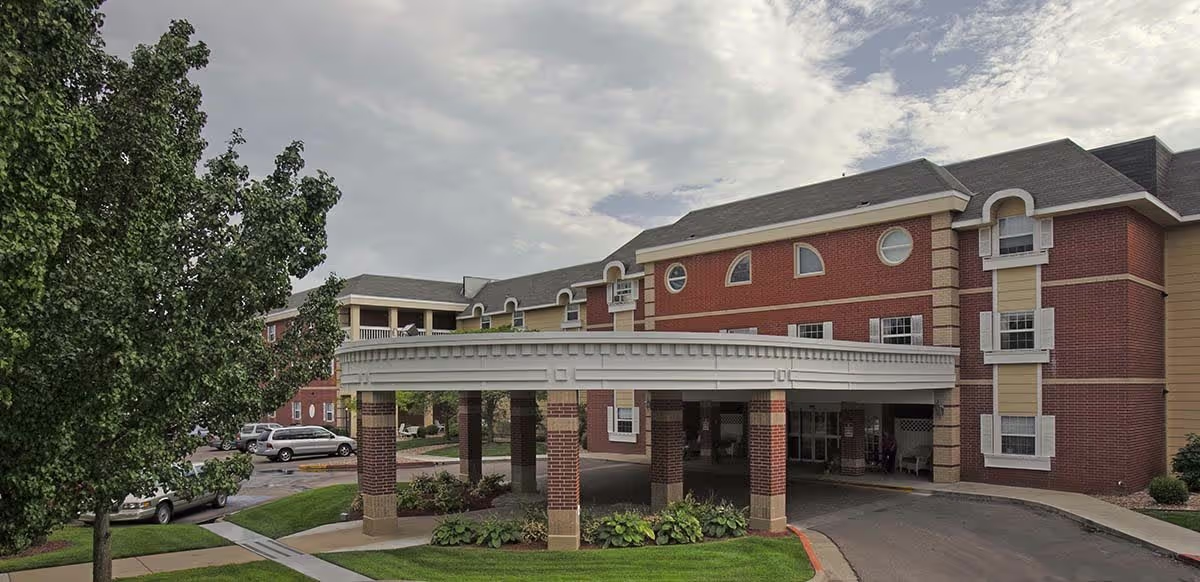
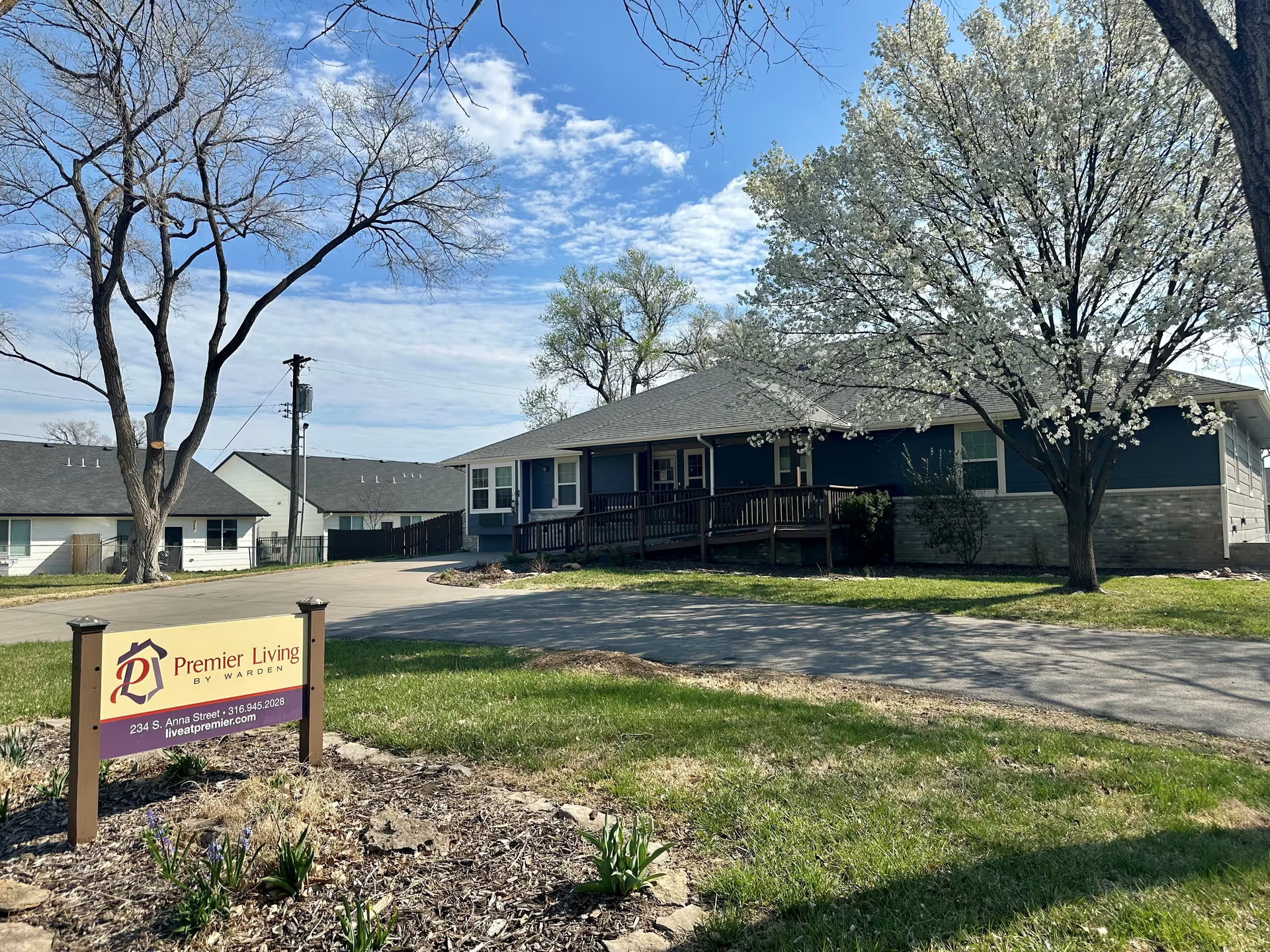
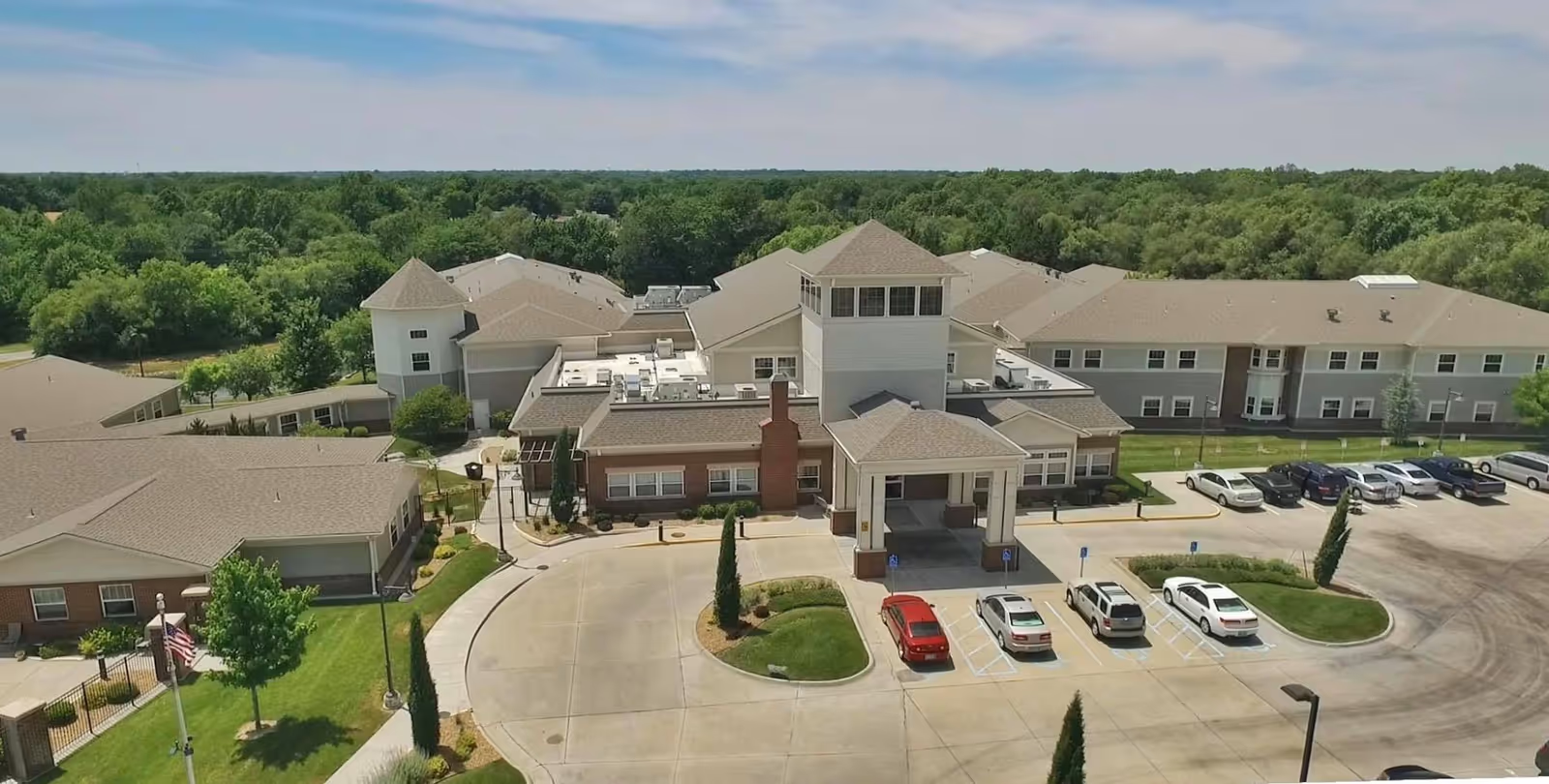
Dining and facilities likewise show mixed performance. Several reviewers note improving meal quality, nutritious offerings, and special holiday meals, but others report cold meals or inconsistent service. The building and grounds are described as generally clean with comfortable common areas, private spacious rooms, secure entrances, and activity spaces; however, maintenance and utility reliability issues—such as hot-water interruptions, mold concerns, and an older, dim or cluttered room in some units—are cited as problems that affect resident comfort.
Overall, the pattern is polarized: some families and residents describe a well-run, caring environment with strong therapy and discharge support, while others recount operational failures that affect basic daily care and safety. Prospective residents and their families should verify current staffing ratios, review the facility’s most recent state deficiency and corrective-action history, ask about fall-prevention and incident-response protocols, inspect rooms and utility reliability, and confirm financial safeguards and paperwork procedures during a tour.