Overall impression: Brookdale Junction City is characterized by a small, family-style setting with an emphasis on personalized attention and social engagement. Many families and residents describe warm, compassionate staff who learn residents’ preferences and provide one-on-one support. The facility’s smaller scale and enclosed courtyard contribute to a homelike atmosphere and frequent positive staff–resident interactions.
Care and staff: Reviewers consistently highlight caring, attentive direct-care staff and engaged leadership at the local level. Transition and tour staff are commonly described as helpful and communicative, and maintenance responsiveness is noted as a strength. Multiple accounts praise individualized care plans and responsiveness to dietary preferences. At the same time, there is a pattern of concerns about inconsistent clinical oversight: some reviewers describe issues with nursing, medication-management processes, and reduced staffing coverage on nights and weekends. These observations suggest generally strong caregiver relationships but variable performance in clinical staffing and overnight coverage.
Dining and activities: Dining receives consistent positive mention — meals are described as plentiful, well-planned, and accommodating of dietary needs, with occasional references to an award-winning chef. Activity programming is broad and active, including physical activities, outings, technology training, clubs (book club, bingo), and cognitive games. Families value off-site trips and holiday events. A recurring operational note is that activity rotations can feel repetitive for longer-term residents, so prospective residents might ask for current activity calendars when touring.
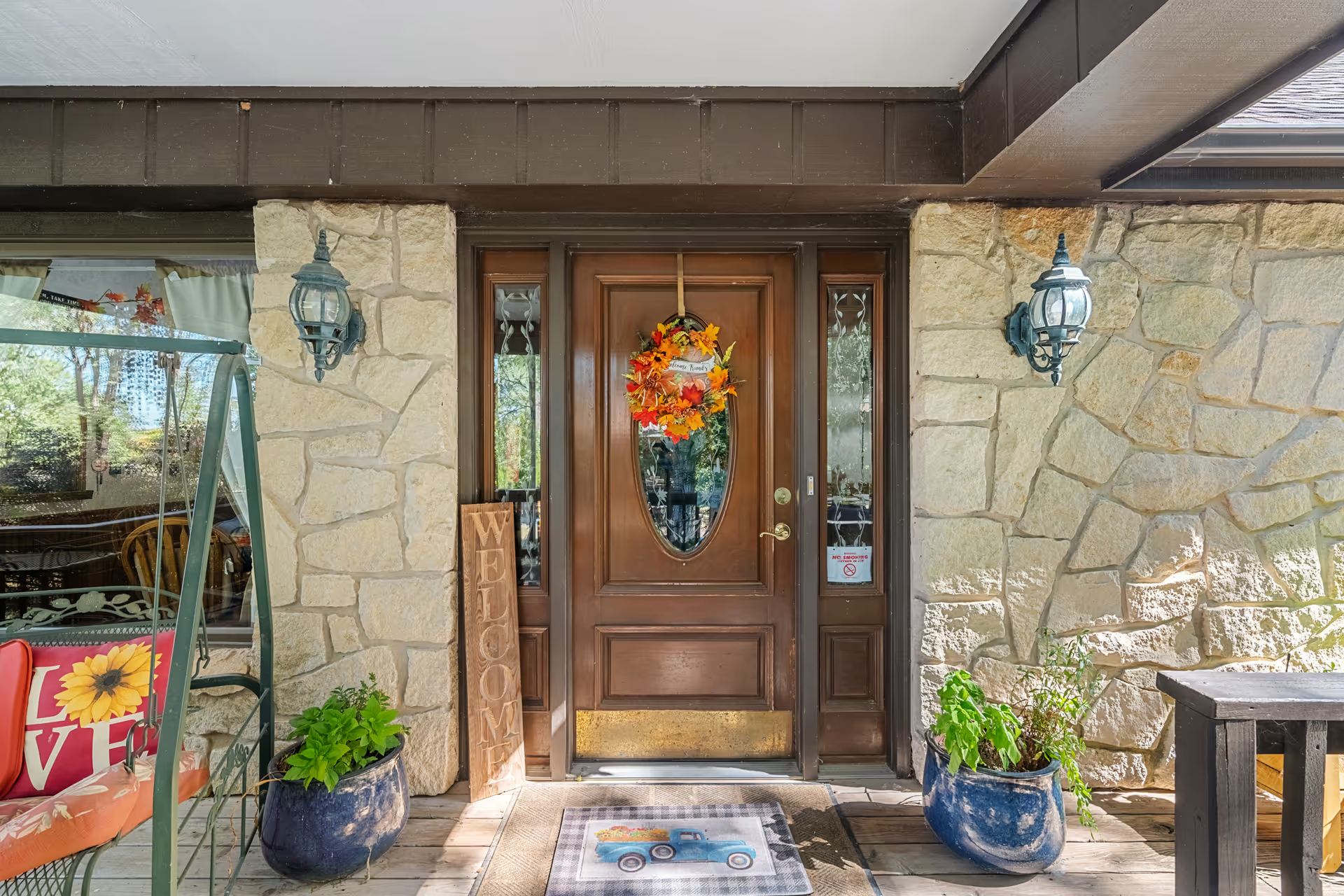
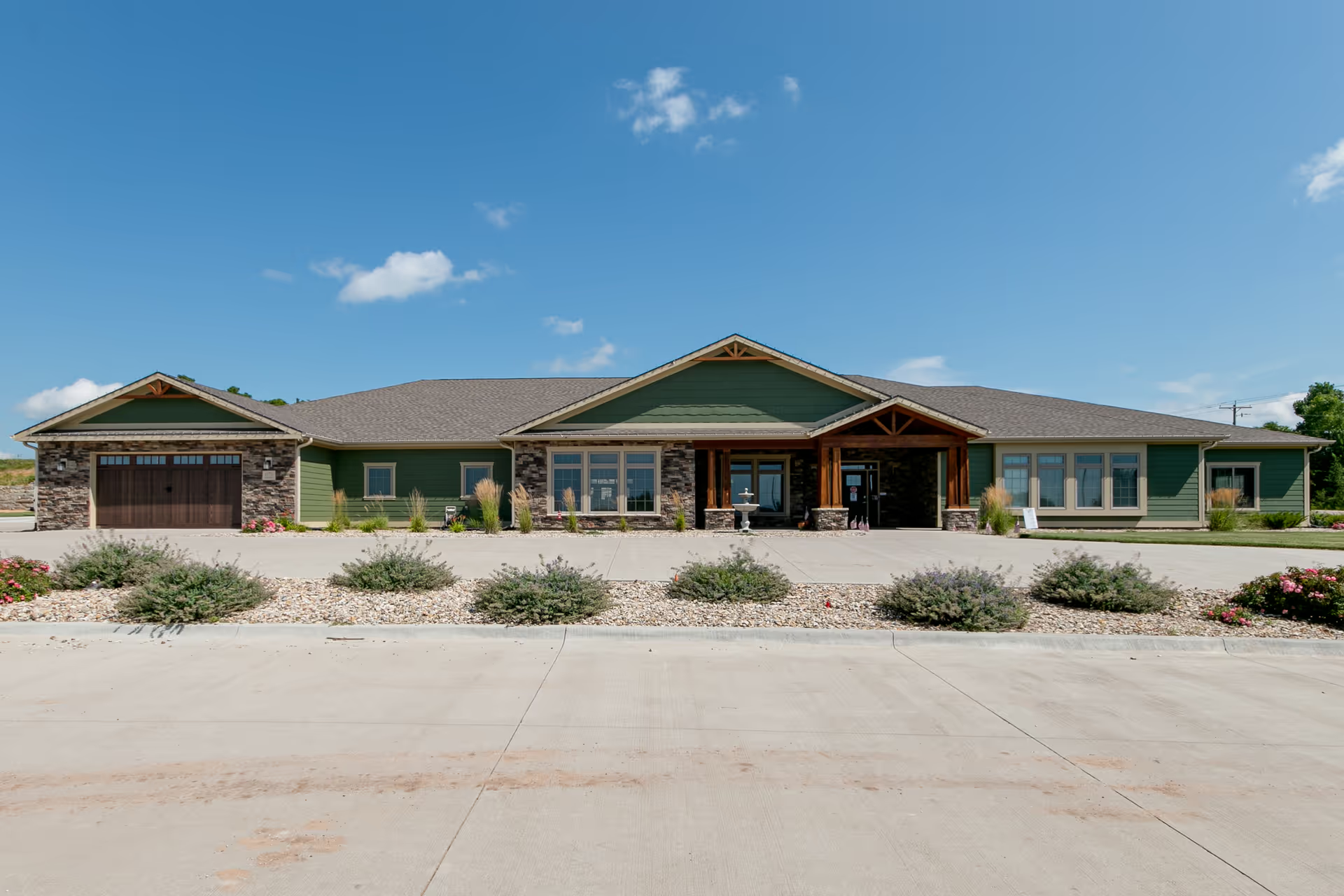
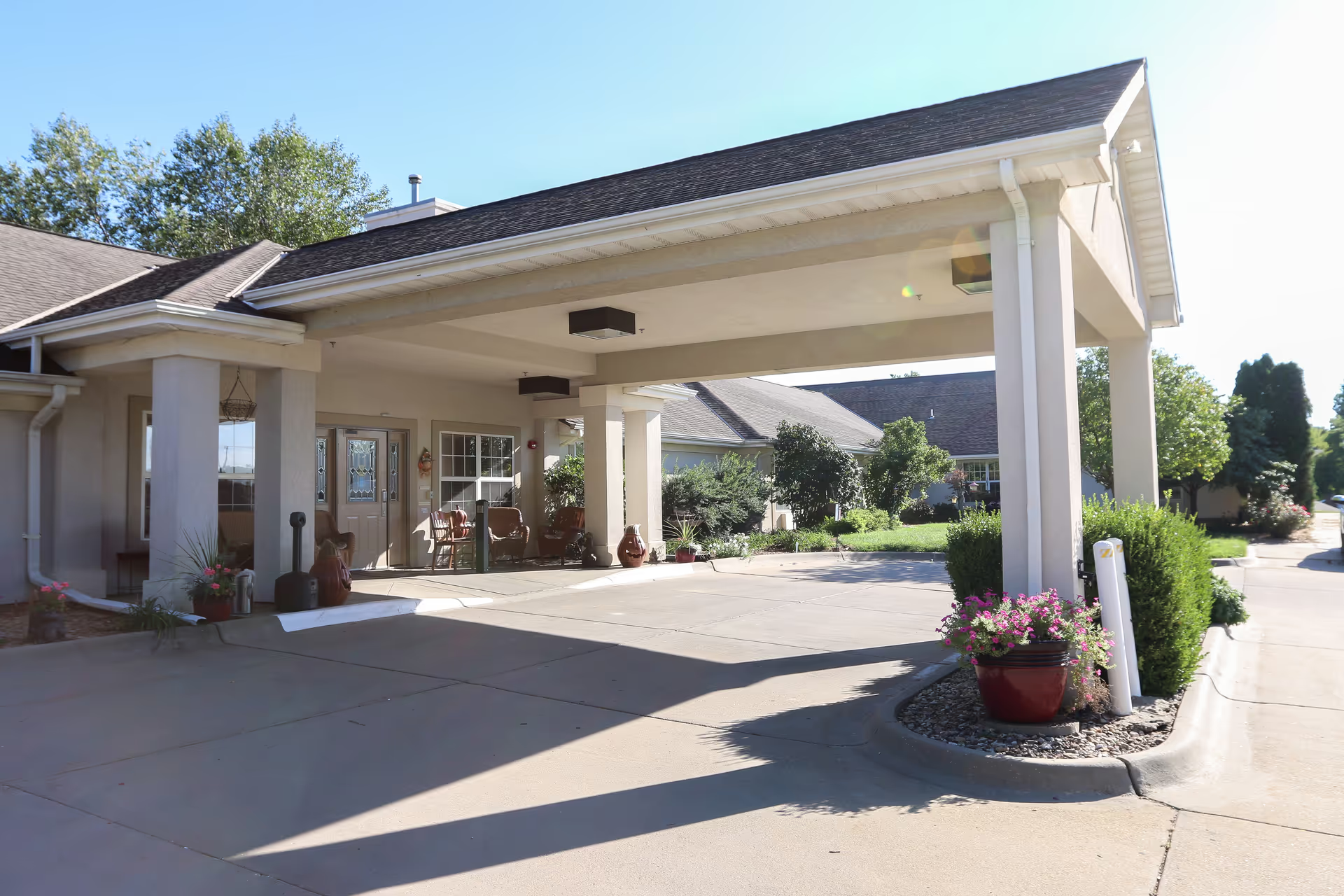
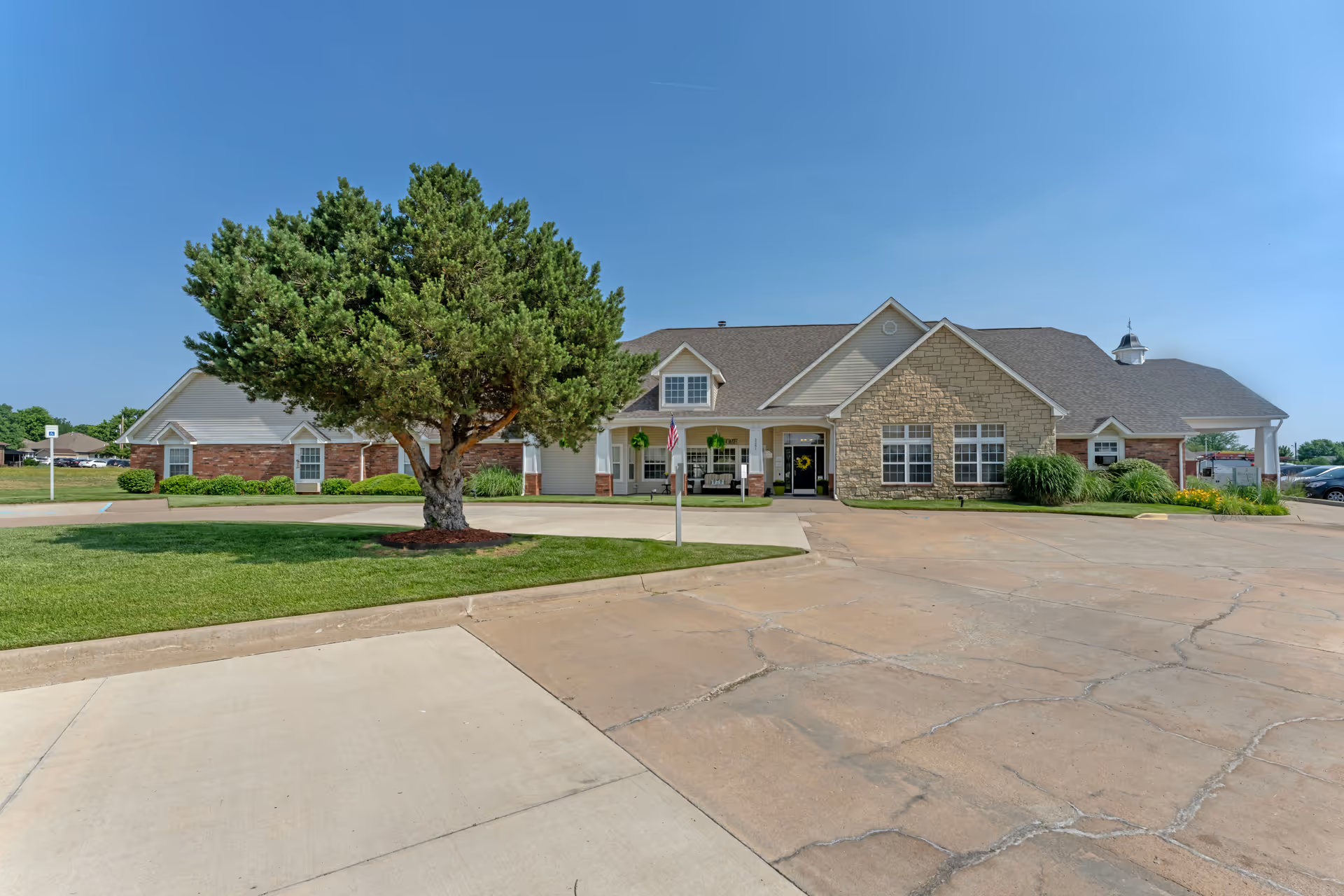
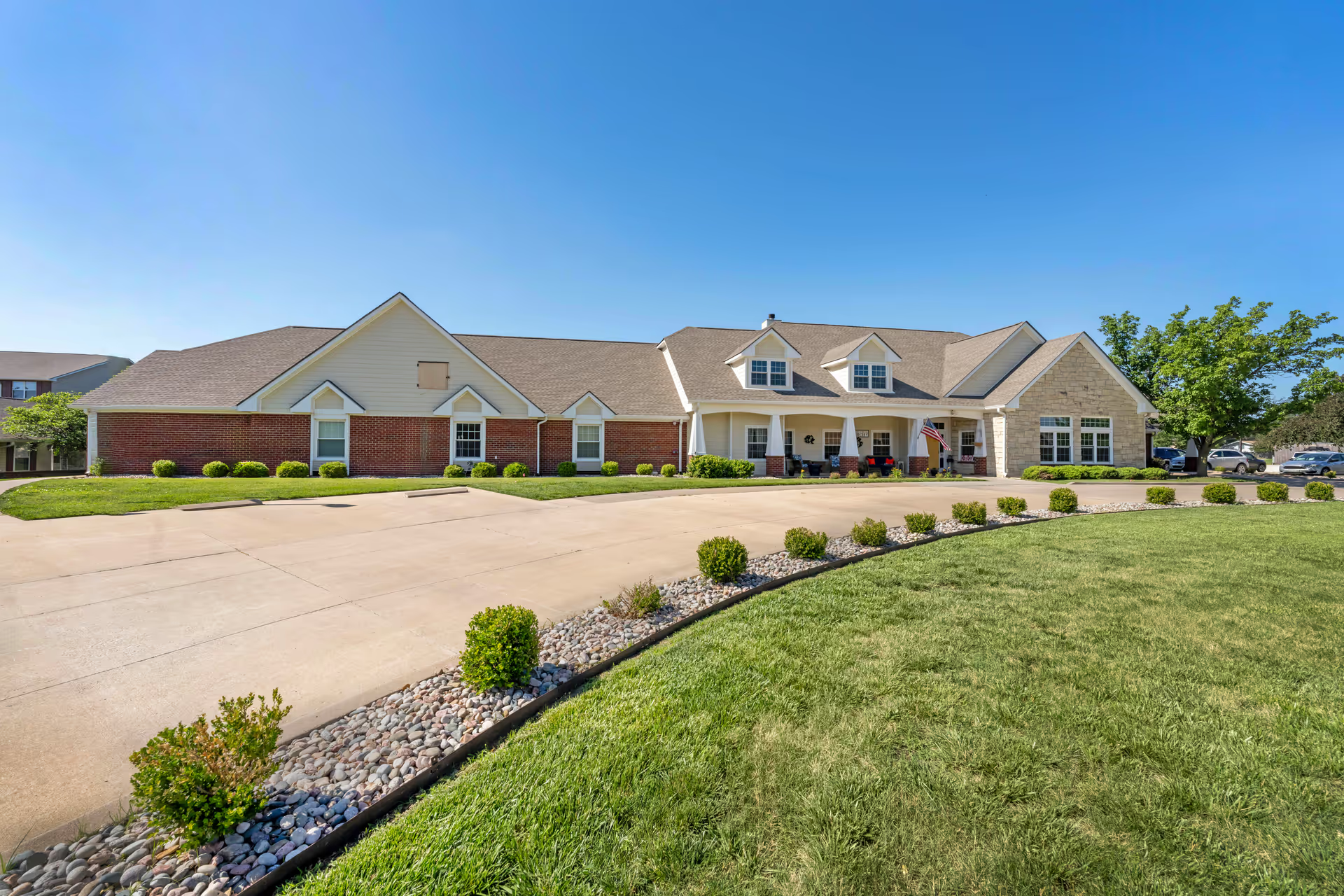
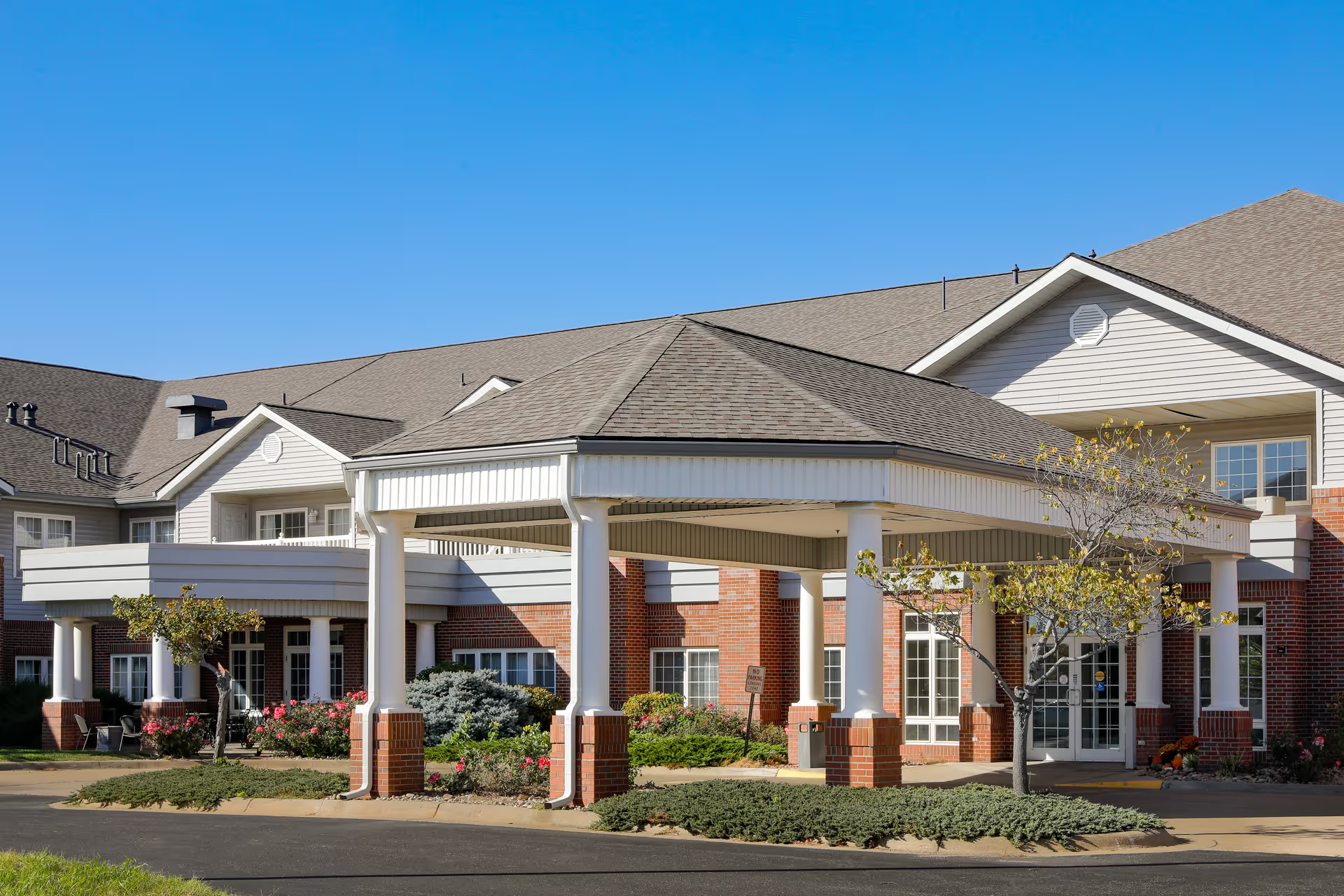
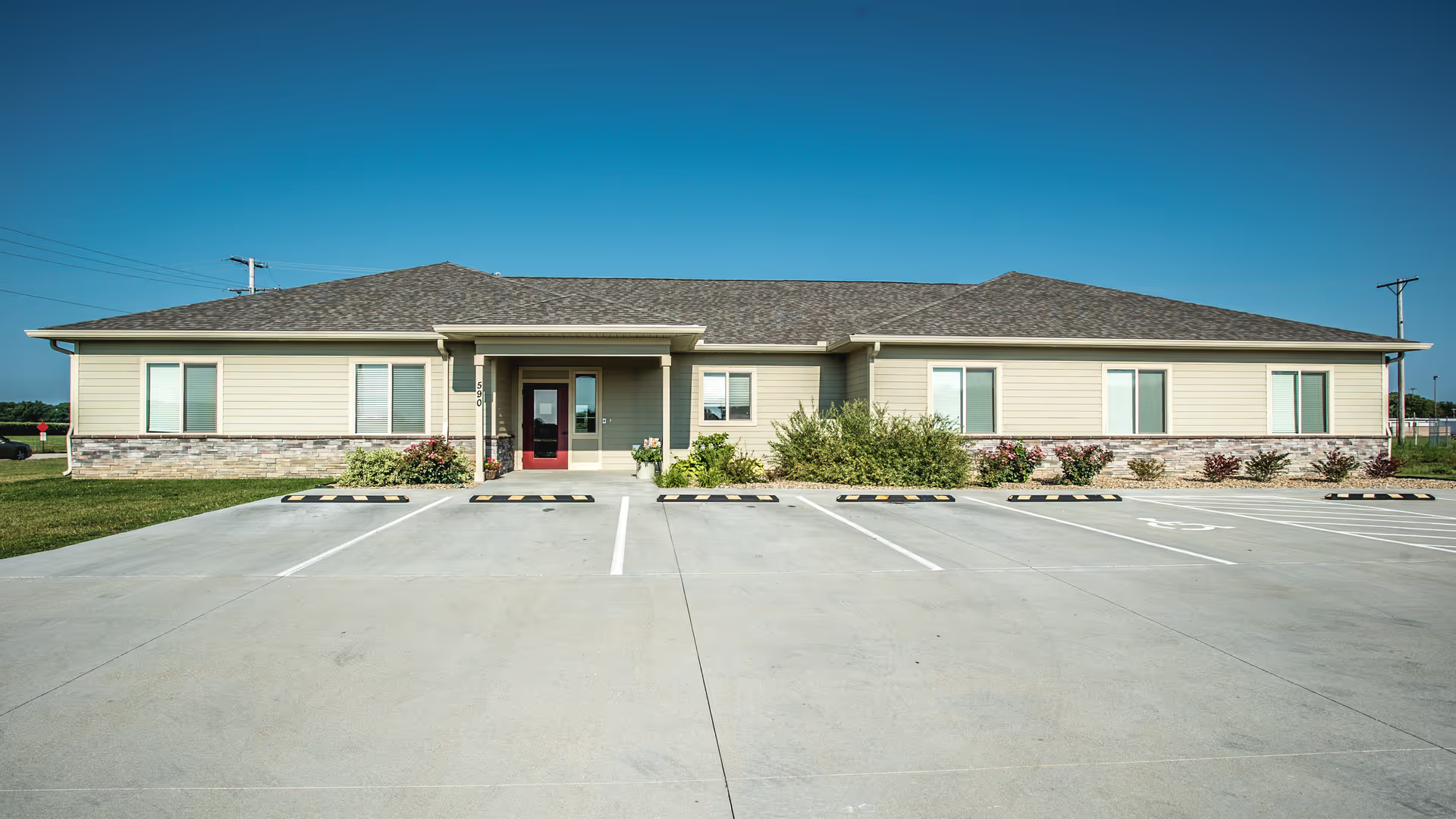
Facilities and environment: The campus is frequently described as clean, well-kept, and attractive, with an enclosed courtyard, landscaping, and outdoor seating that many residents appreciate. The facility’s small size supports a close-knit community feel and frequent personal attention. Limitations include relatively small resident rooms and constrained bathroom/shower space in some units, and a few accounts raise sanitation and housekeeping inconsistencies. The building appears well maintained overall, though it retains some characteristics of an older structure.
Management, operations, and costs: Many reviewers praise hands-on local management and seamless events, but there is a clear pattern of mixed experiences around corporate-level processes and communication. Families have noted billing-cycle confusion and pricing discrepancies that required intervention from corporate billing. Communication responsiveness is uneven in some cases — examples include delayed call-backs and variable follow-through on concerns. Cost is described as higher than some alternatives; combined with the small-town location and limited nearby shopping, prospective families should weigh financial and geographic factors alongside care needs.
Notable patterns and considerations: The dominant strengths are interpersonal — compassionate staff, personalized care, a home-like social environment, and active programming. The main operational risks are inconsistent clinical staffing (especially nights/weekends), occasional housekeeping or sanitation lapses, and administrative issues around billing and communication. Prospective residents and families would be well served to confirm current staffing patterns, review medication-management protocols, inspect room and bathroom dimensions in person, and request clear written billing information before committing.