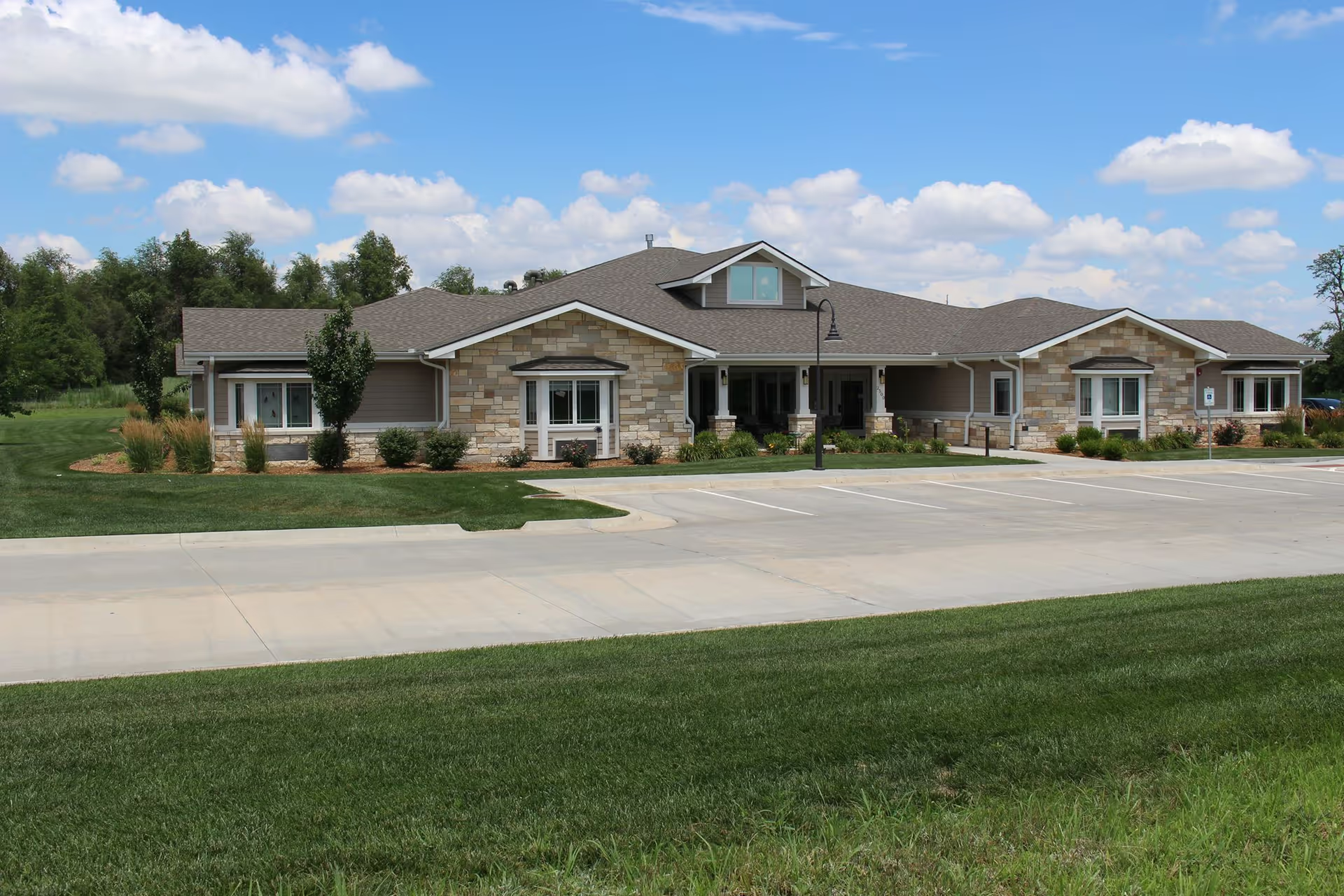
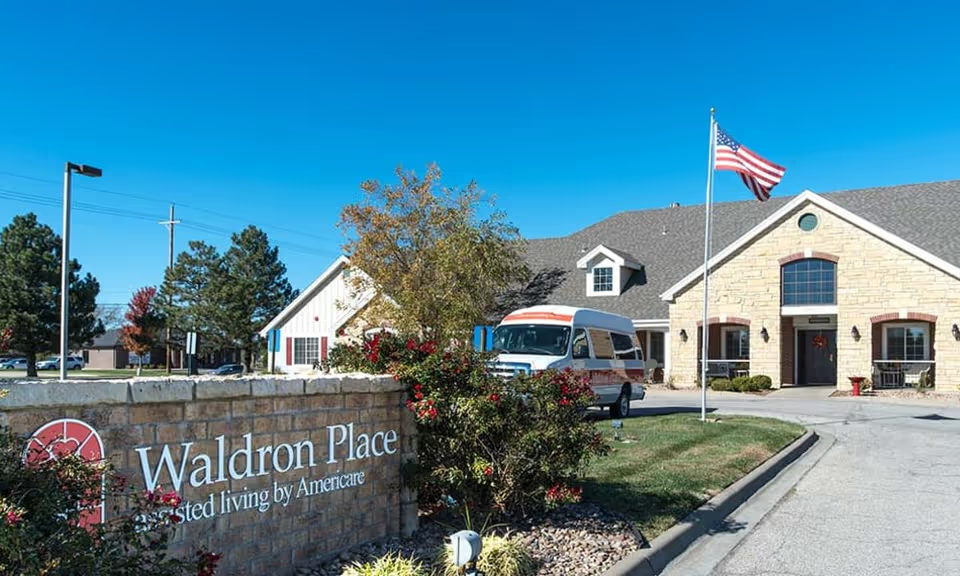
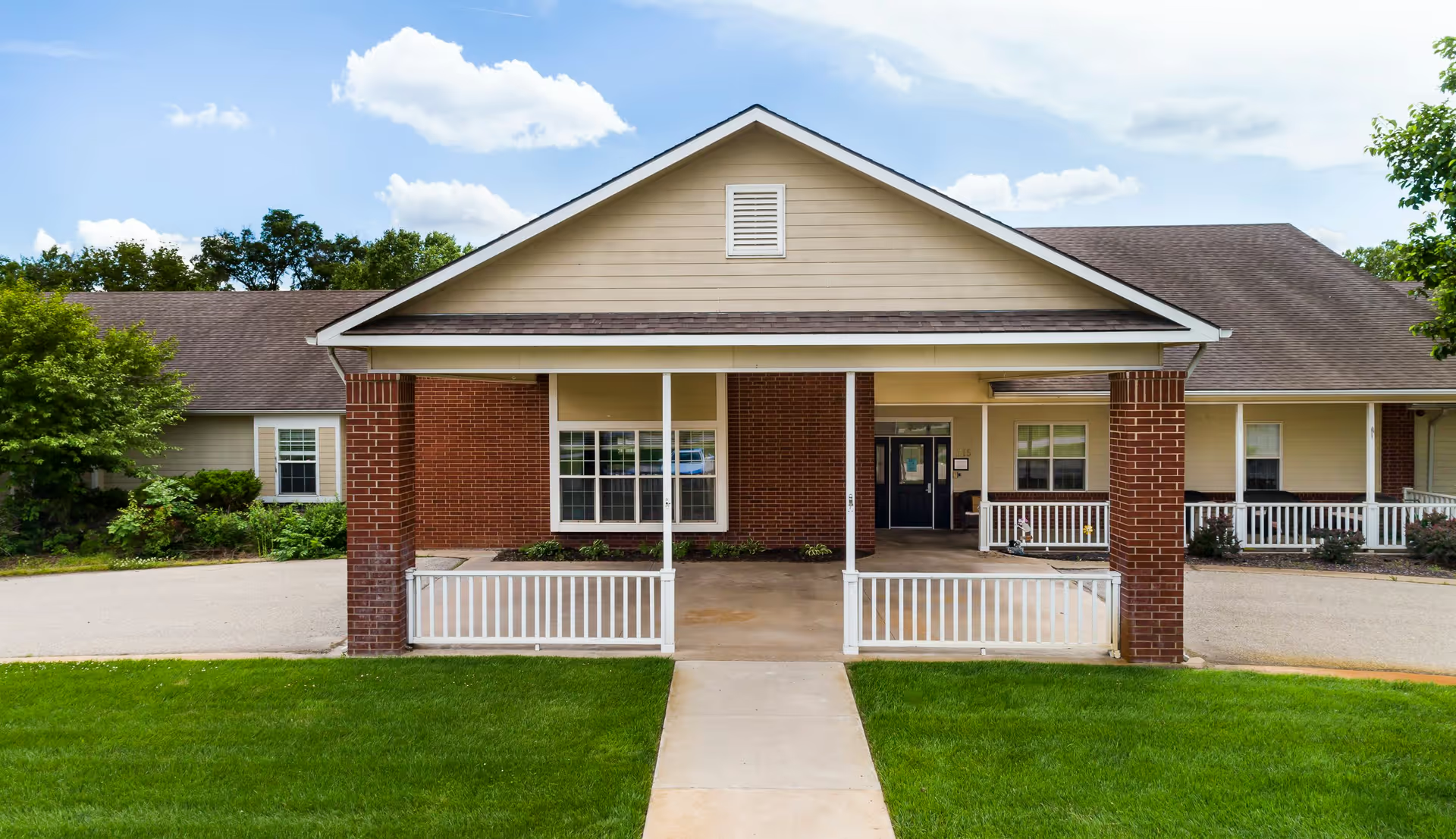
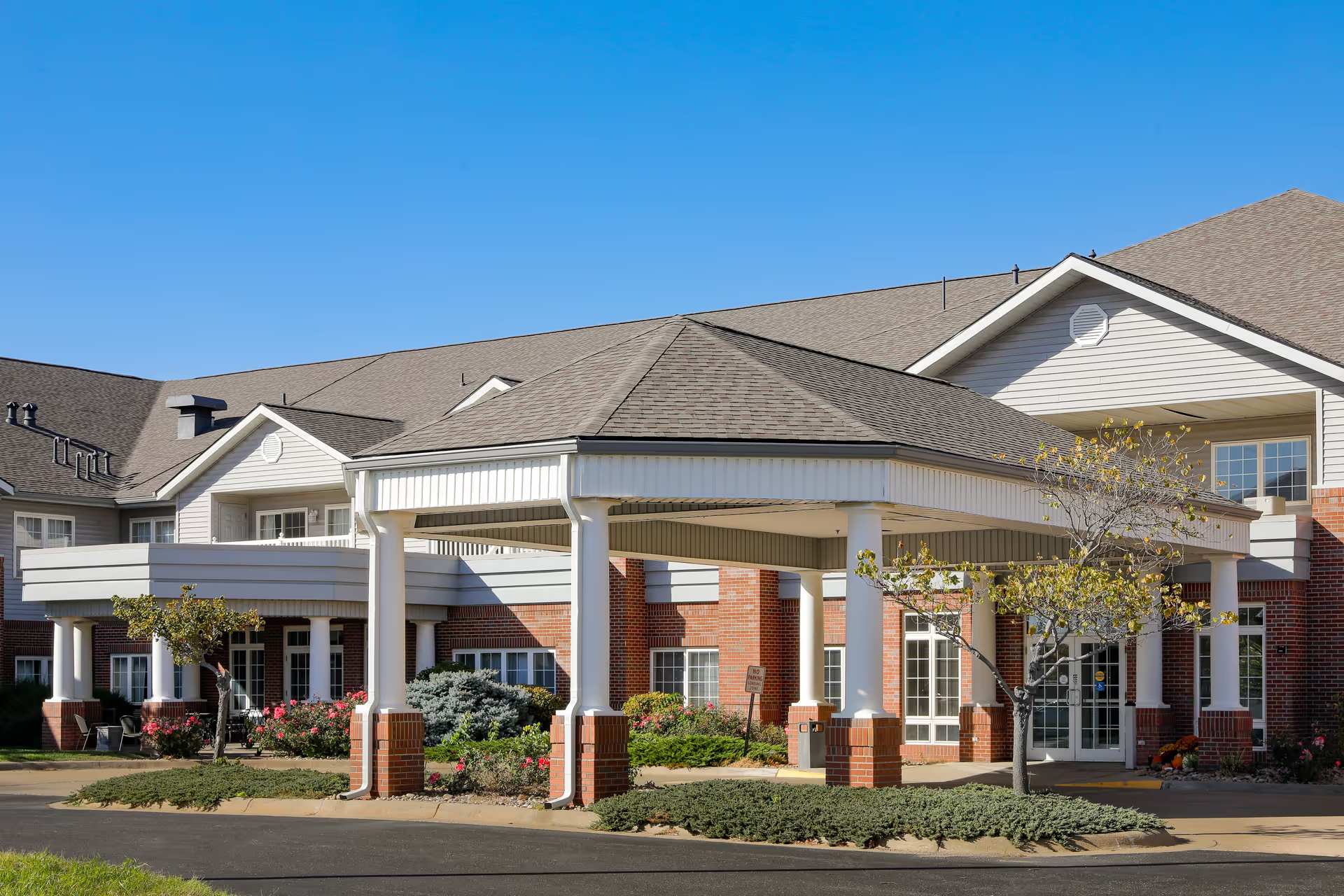
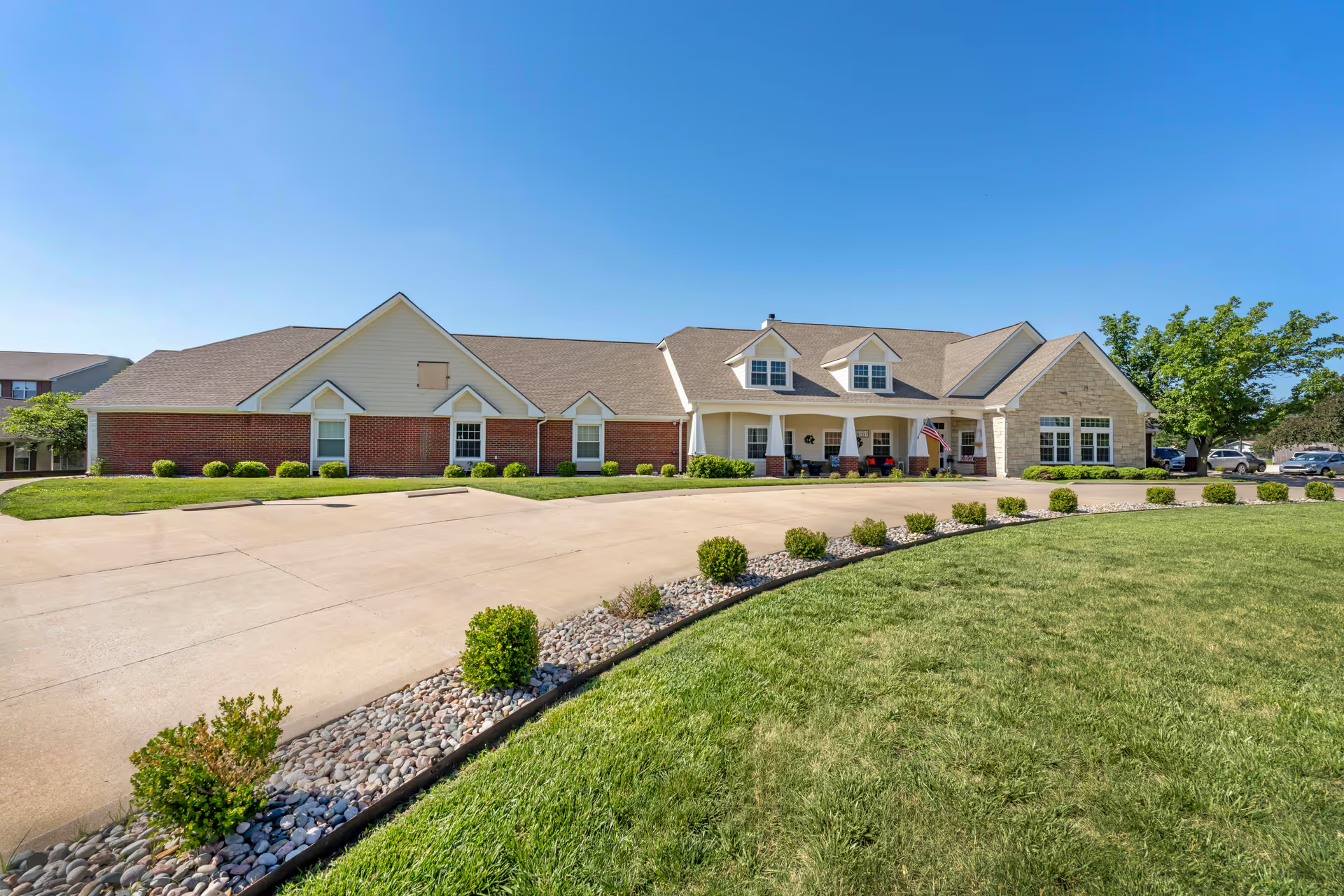
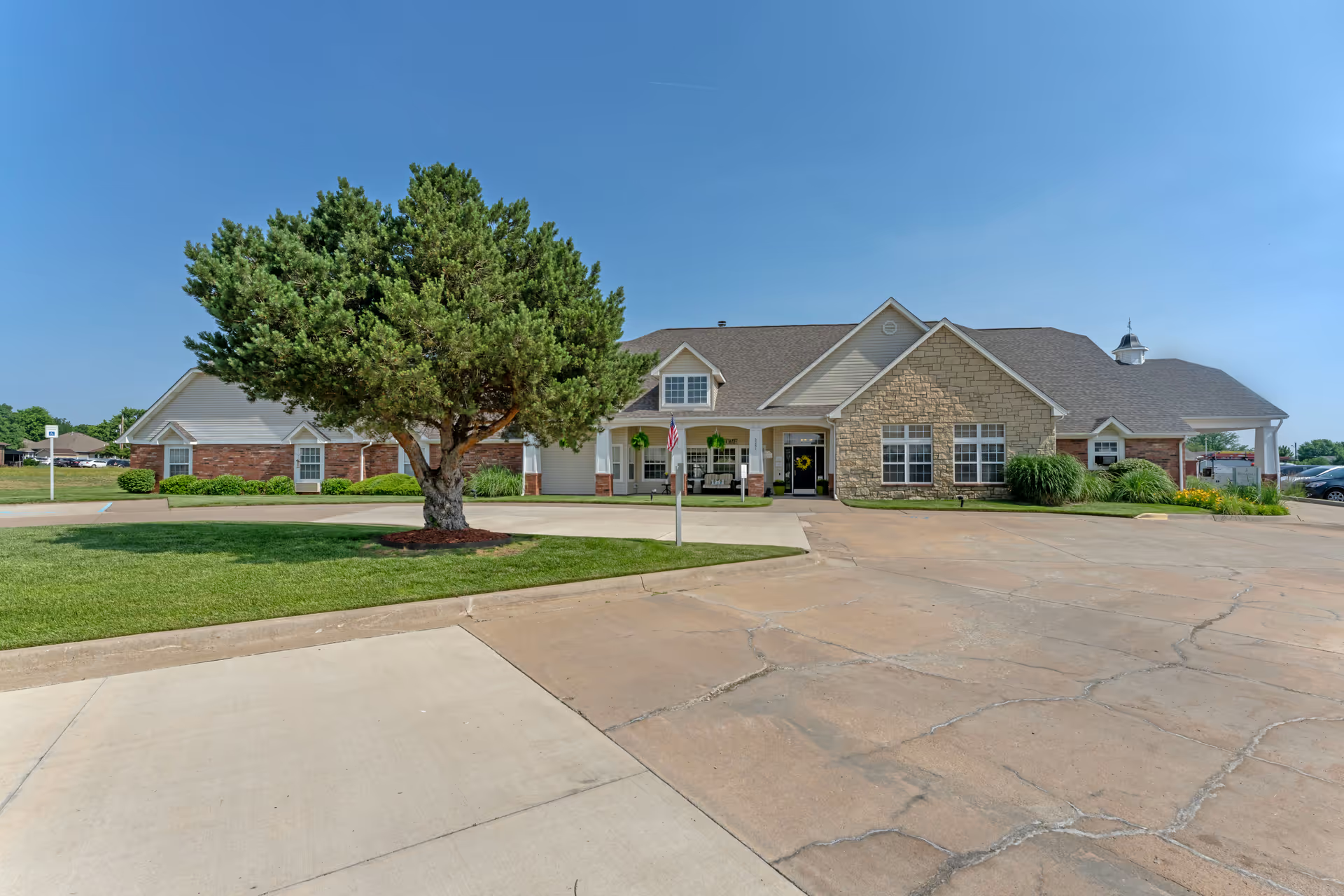
Brookdale McPherson presents as a small, home-like assisted living community with numerous strengths and a few operational areas to evaluate further. Positive themes include a consistently cited friendly and attentive caregiving staff, a clean and well-maintained interior, and a compact layout that many families find easy to navigate and conducive to forming relationships. Common amenities highlighted are a welcoming dining room and café-style eating area, an on-site salon, an enclosed courtyard with outdoor access, and visiting medical providers. Leadership is frequently described as engaged and hands-on, and day-to-day responsiveness to resident needs is often rated positively.
Care quality is generally described as satisfactory by many families: staff are characterized as caring and observant, with proactive health monitoring and collaborative decision-making between staff and families. At the same time, reviewers indicate operational inconsistencies that prospective families should probe. There are mentions of medication-distribution problems and uneven clinical oversight, as well as instances of delayed or inconsistent care continuity. Family communication is often a strength, yet some accounts note gaps in communication with external clinicians or the nurse practitioner. Given those mixed signals, asking about recent clinical audits, staff training, and supervision practices is advisable when touring.
Dining and daily life are frequently seen as positive. Multiple reviewers praise meal quality, portion sizes, and a pleasant dining atmosphere that can feel family-like. Activity programming is varied and includes exercise classes, games, weekly concerts, and organized outings; an activities director is present and staff commonly encourage participation. However, engagement appears uneven—some residents thrive socially while others report feelings of loneliness or quiet mealtimes—so families should consider whether the activity mix matches the prospective resident’s social needs.
The physical plant and logistics reflect the facility’s small scale. Units are described as clean and well-decorated, but several reviewers note that apartments are compact and may be smaller than expected. The enclosed courtyard and protected outdoor areas are strengths, but transportation resources are limited (single-vehicle operation requiring prearranged scheduling), which can constrain off-site appointments and outings. There are also intermittent comments about inconsistent sanitation standards; while many visitors found the facility pleasant and odor-free, a small number of accounts raised sanitation concerns that merit follow-up.
Management receives overall praise for approachability and hands-on leadership, with specific compliments for an executive director who is professional and family-oriented. Notable negative patterns include periodic understaffing and operational gaps that affect medication management and continuity of care, plus occasional communication breakdowns with clinical partners. A few reviewers described serious individual incidents involving medication handling and decision-making; these accounts appear isolated within the broader dataset but are significant enough that prospective families should ask about any formal investigations, corrective actions, and current safeguards.
In sum, Brookdale McPherson offers a personable, small-community environment with solid amenities, engaging programming, and attentive leadership. Prospective residents and families should weigh those strengths against operational trade-offs: compact apartment sizes, limited transportation, and documented variability in staffing, medication controls, and sanitation. A focused tour that asks about staffing ratios, medication protocols, recent quality-review findings, and examples of how leadership addresses family concerns will help determine whether this community is the right fit for an individual’s needs.