Overall impression: Life Care Center of Seneca is repeatedly described as having a warm, home-like culture driven by staff who are compassionate, personable, and communicative with families. Many reviewers highlight effective rehabilitation outcomes, daily social programming, spiritual services, and a sense of community fostered by engaged staff, volunteers, and resident activities. Personalized elements — such as room memorialization and small comforts — are cited as evidence of staff commitment to individual residents.
Care quality and clinical services: The facility receives mixed signals on clinical capability. Numerous accounts praise attentive nursing and successful short-term rehab that enabled residents to return home. At the same time, there are consistent concerns that the facility is better suited to mobile, lower-acuity residents rather than those who require intensive clinical oversight or specialized memory care. Prospective families should assess whether the unit’s staffing levels, care protocols, and clinical competencies match higher-acuity needs.
Staff and management: Staff temperament, teamwork, and family communication are common strengths; reviewers frequently describe staff who go above and beyond and who maintain good rapport with residents. However, reviewers also note variability in staff training and responsiveness, and some mention administrative gaps — for example, leadership or administrator unavailability and inconsistent answers to clinical or policy questions. These observations point to uneven leadership continuity and occasional limits in staff experience.
Dining and activities: Dining is generally viewed positively with several mentions of good food and organized meal service, but there are also remarks about meal-service oversight inconsistencies. Activity programming is often highlighted as robust — with Bingo, rosary/Mass, bunko, hair appointments, and other social events — contributing to lively hallways and resident engagement. That said, a few accounts suggest variability in activity frequency and quality across units; families should confirm current activity schedules for the specific care neighborhood under consideration.
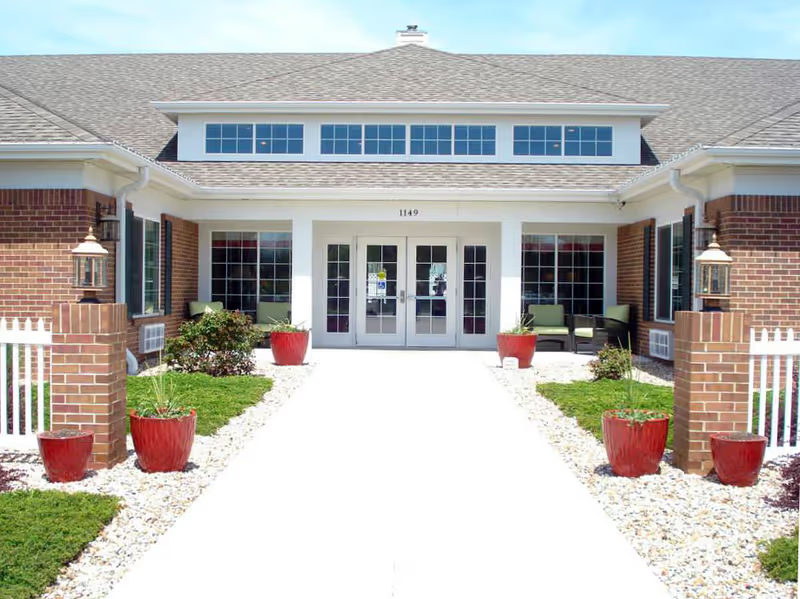
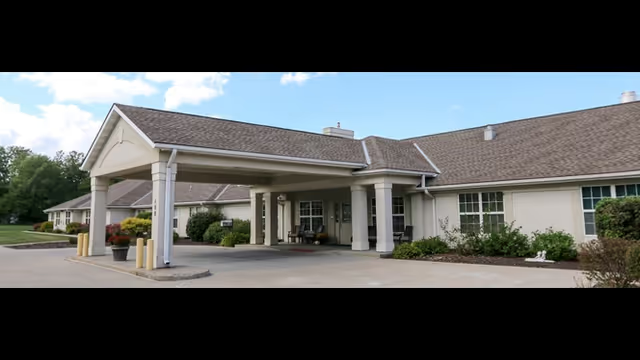
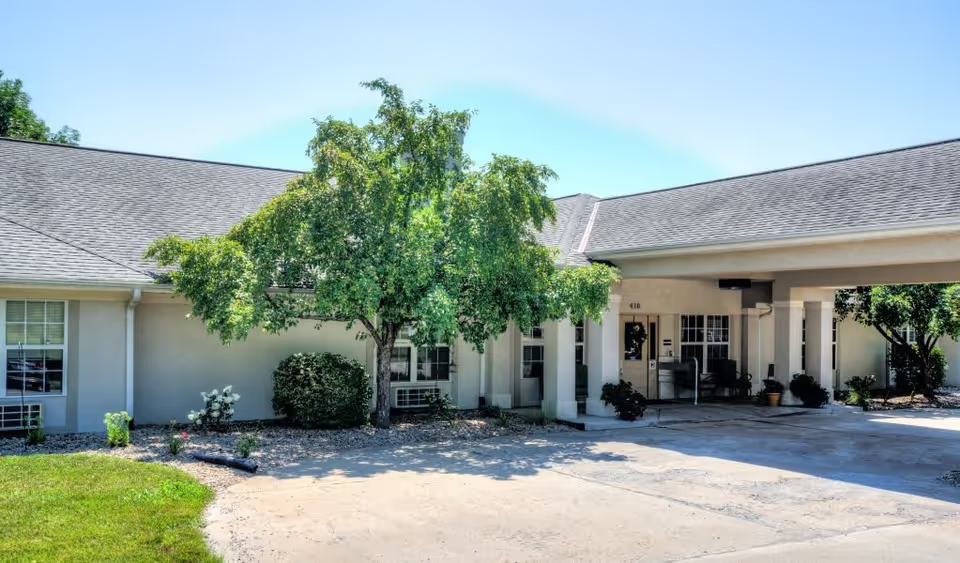
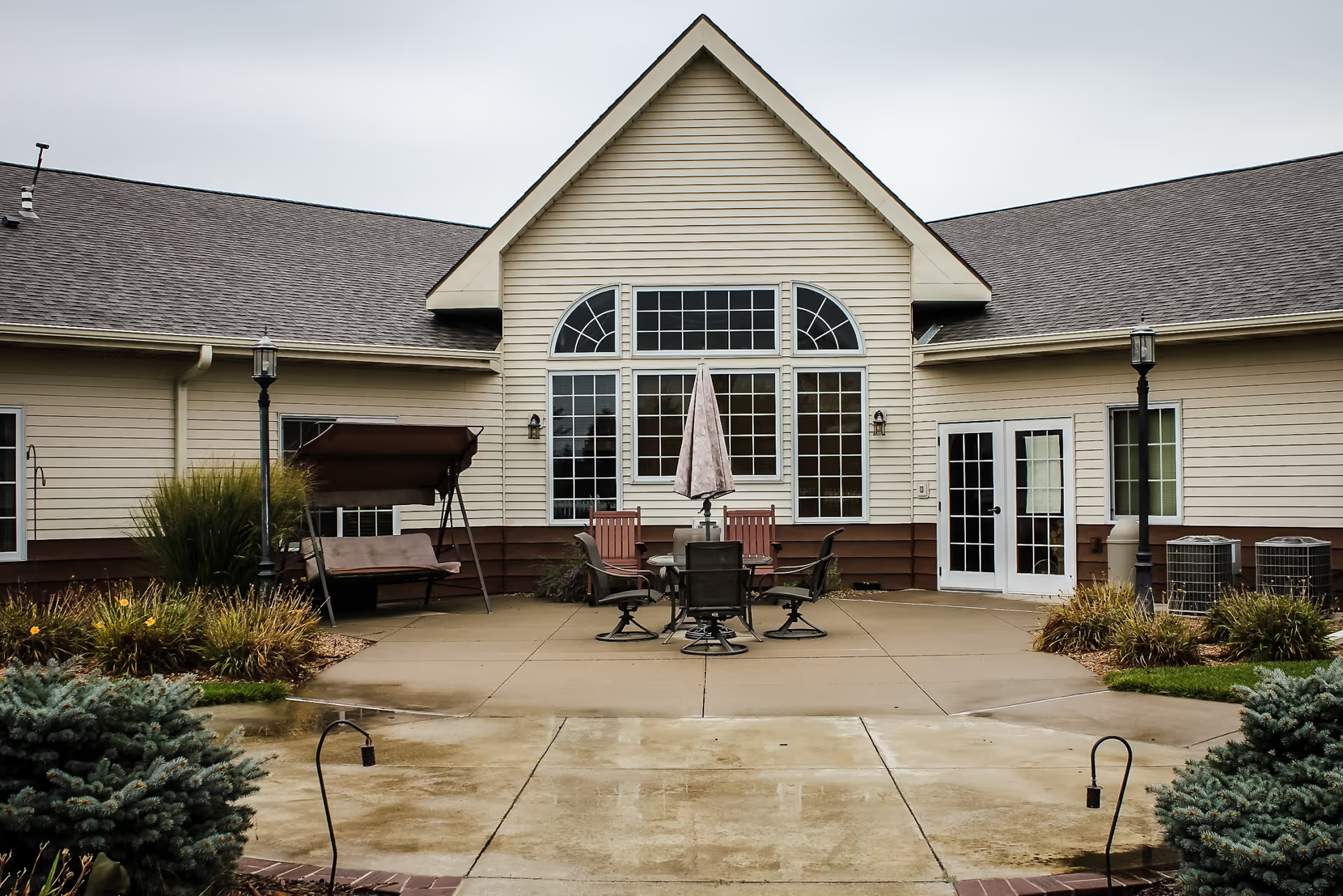
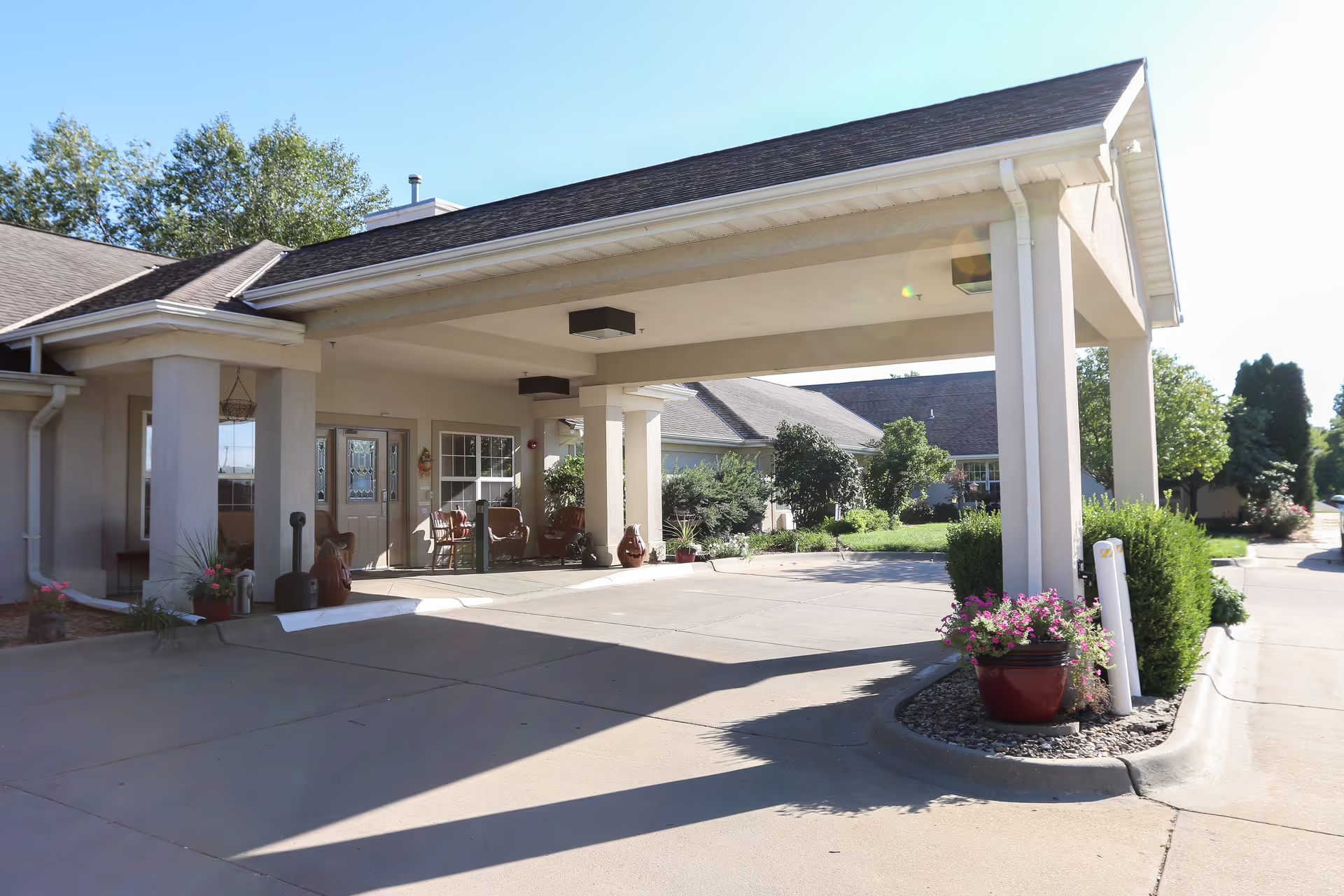
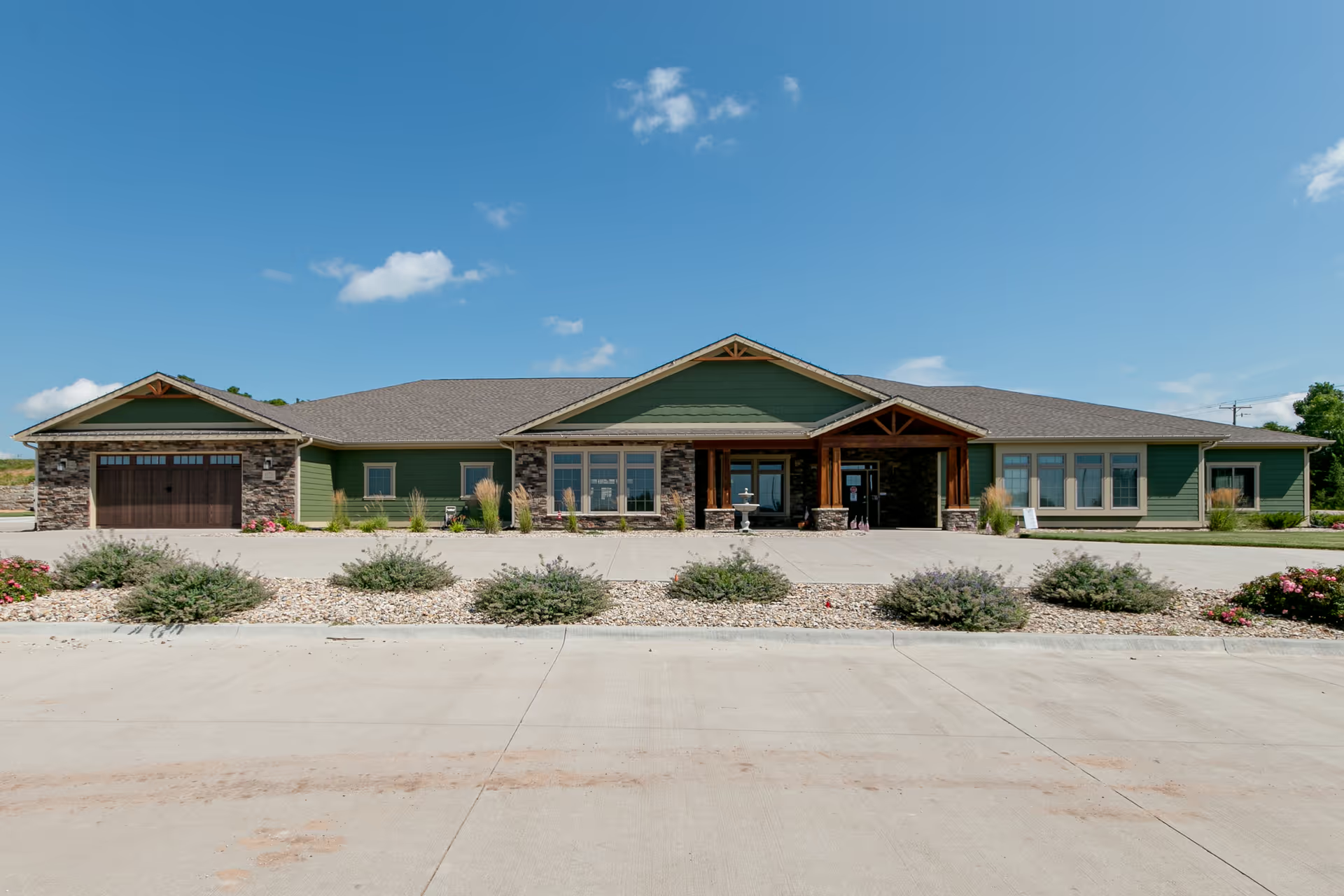
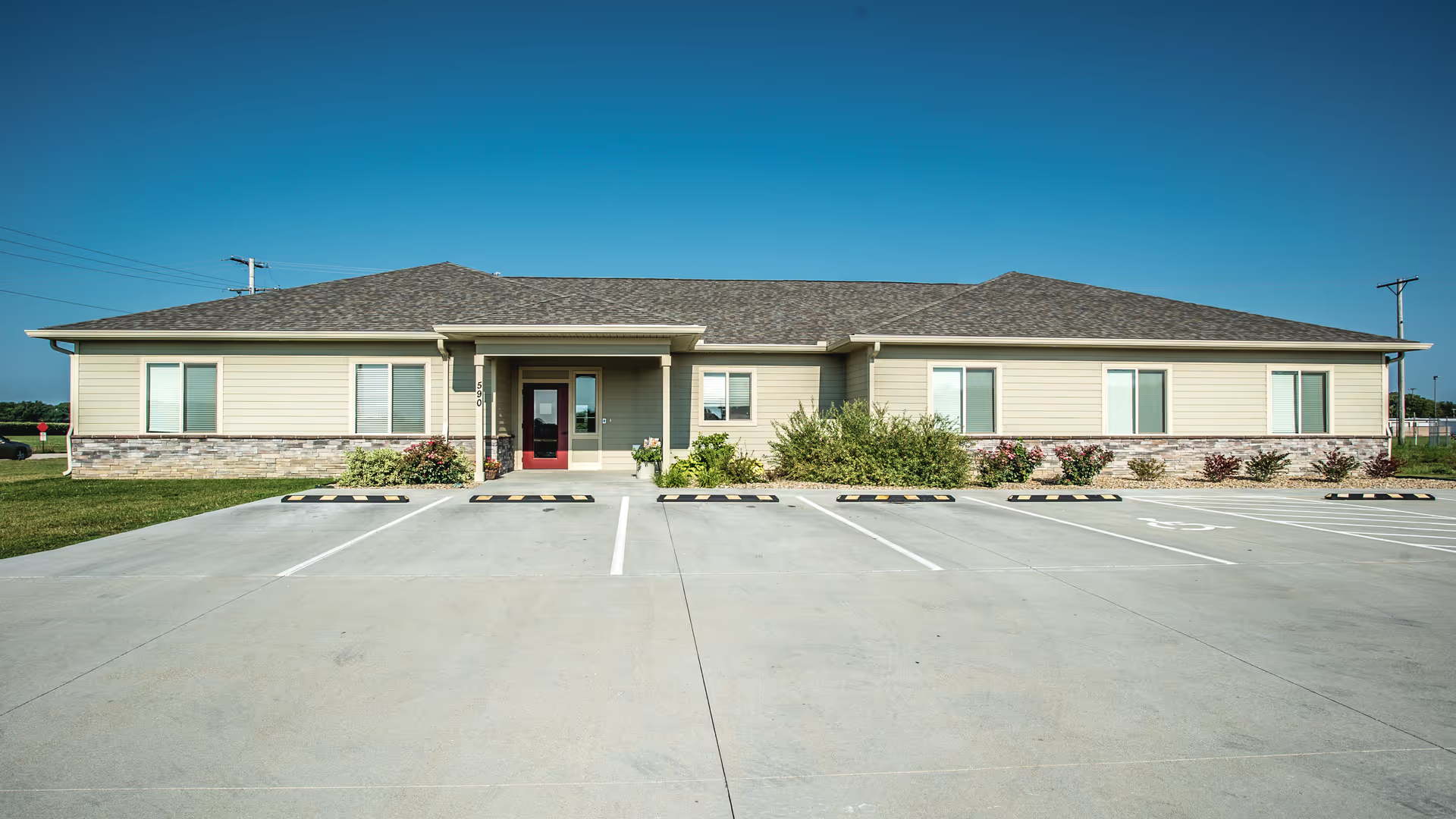
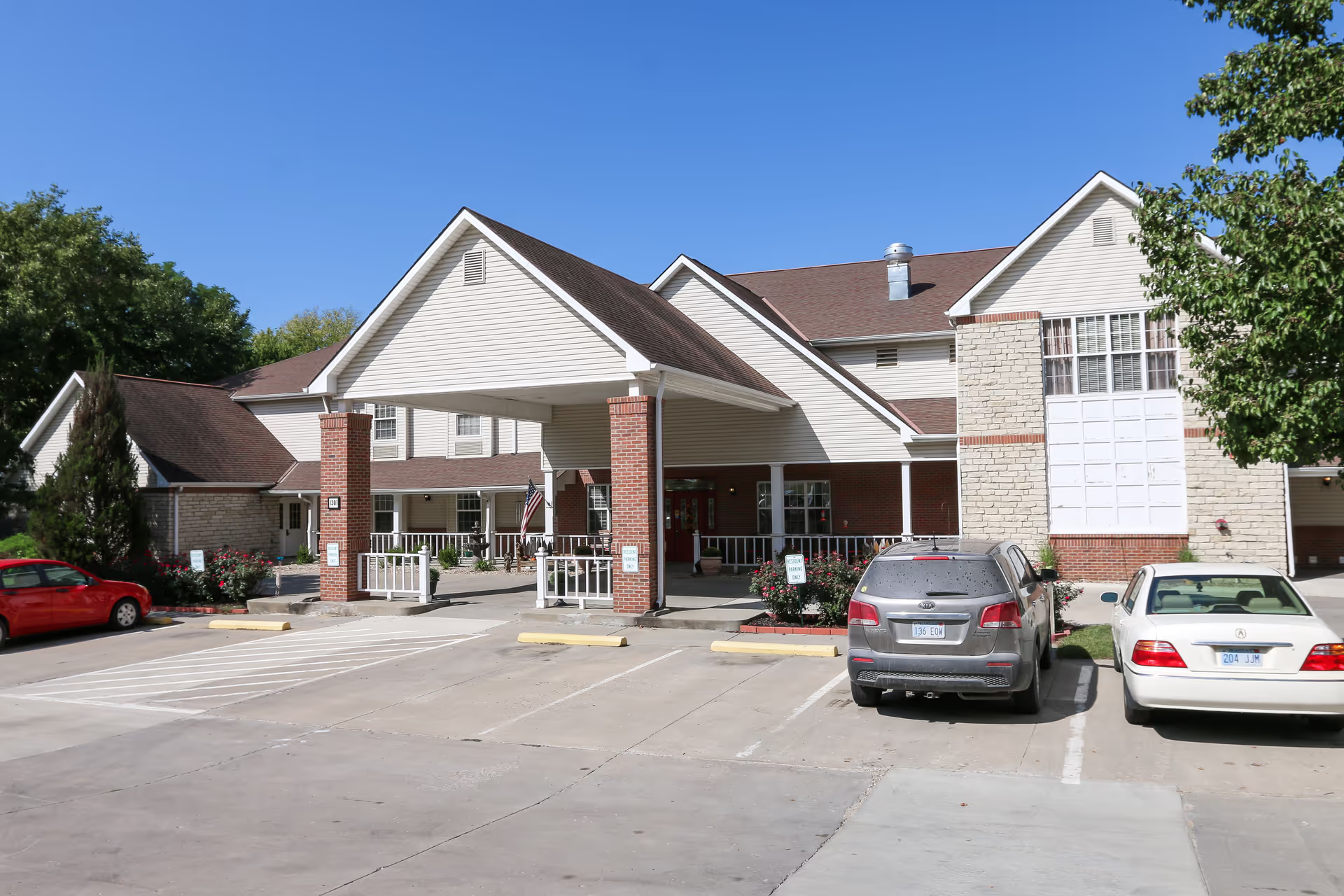
Facilities and safety: The physical plant draws mixed feedback. Positive comments reference a pleasant, homey interior, but others describe an older building with maintenance and accessibility issues — for example, gravel parking surfaces and multilevel layouts with open stairways. Several reviewers explicitly express concern about the facility’s suitability for residents with wandering behavior or dementia because of unsecured exits and limited locked-down memory-care options. Visitors with mobility aids may encounter parking and entry challenges.
Notable patterns and practical guidance: The dominant pattern is strong interpersonal caregiving balanced against operational and structural limitations for higher-acuity and memory-care residents. For families considering this center, recommended inquiries include: current staffing ratios and clinical expertise for the intended level of care; existence and configuration of secured memory-care neighborhoods; examples of weekend and evening administrative coverage; specific dining oversight practices; and the latest activity calendar. Also inspect parking, entryways, and stair/staircase safety in person to evaluate accessibility and wandering-risk mitigation.
In summary, Life Care Center of Seneca appears to offer a caring, community-oriented environment with effective rehab services and many engaging activities, but prospective residents with significant memory impairment or high clinical needs should closely evaluate the facility’s safety features, clinical staffing, and administrative continuity before making a placement decision.