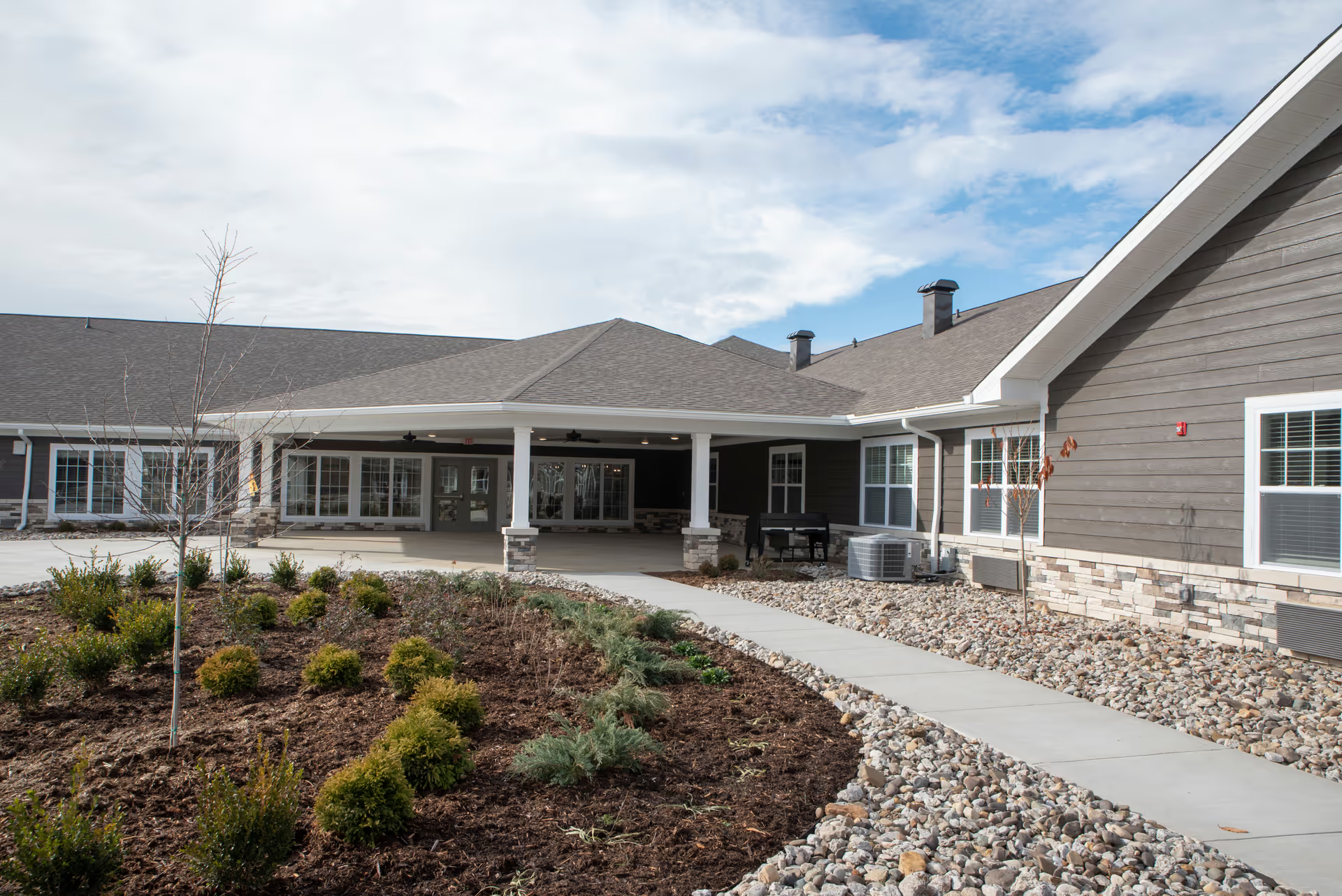
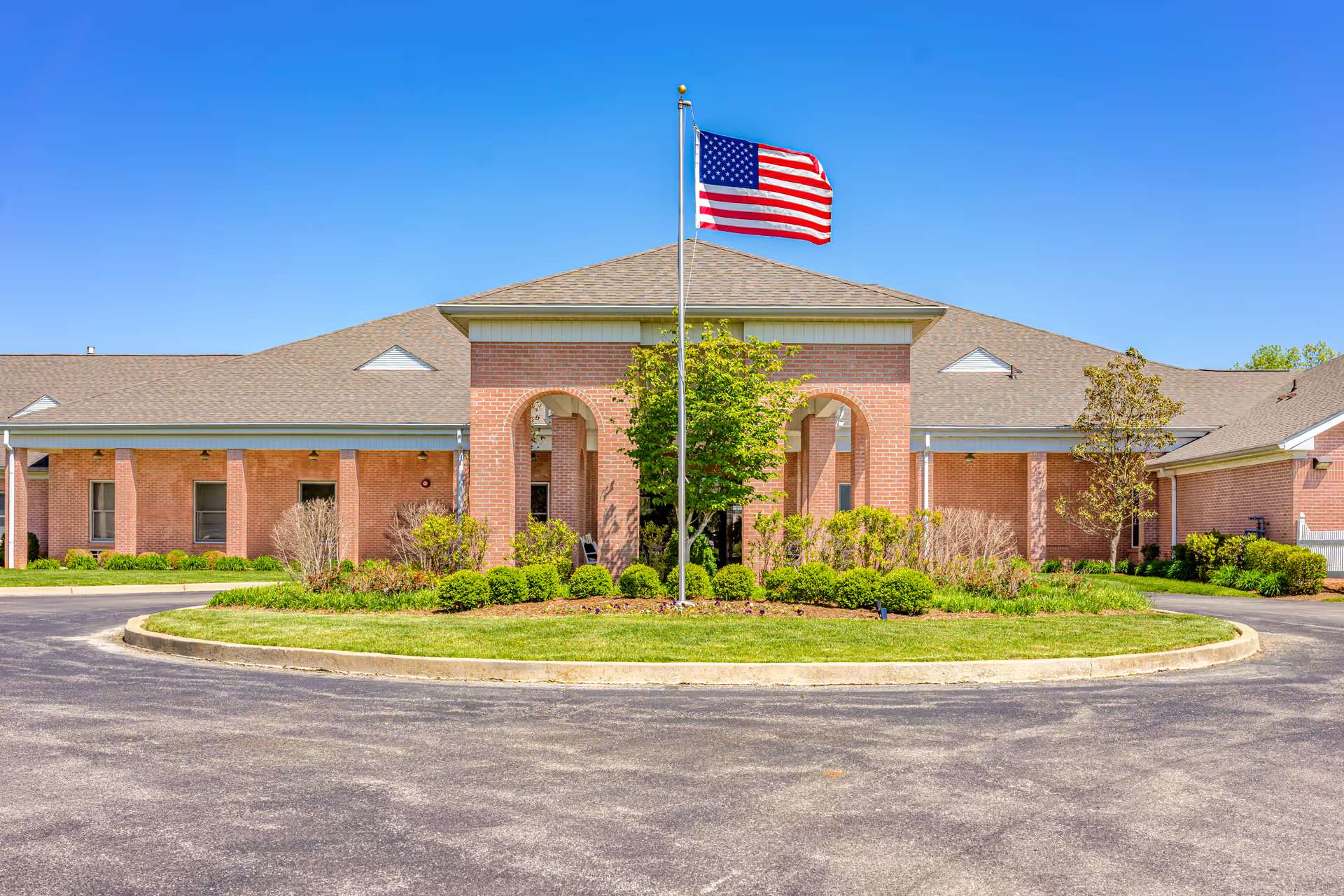
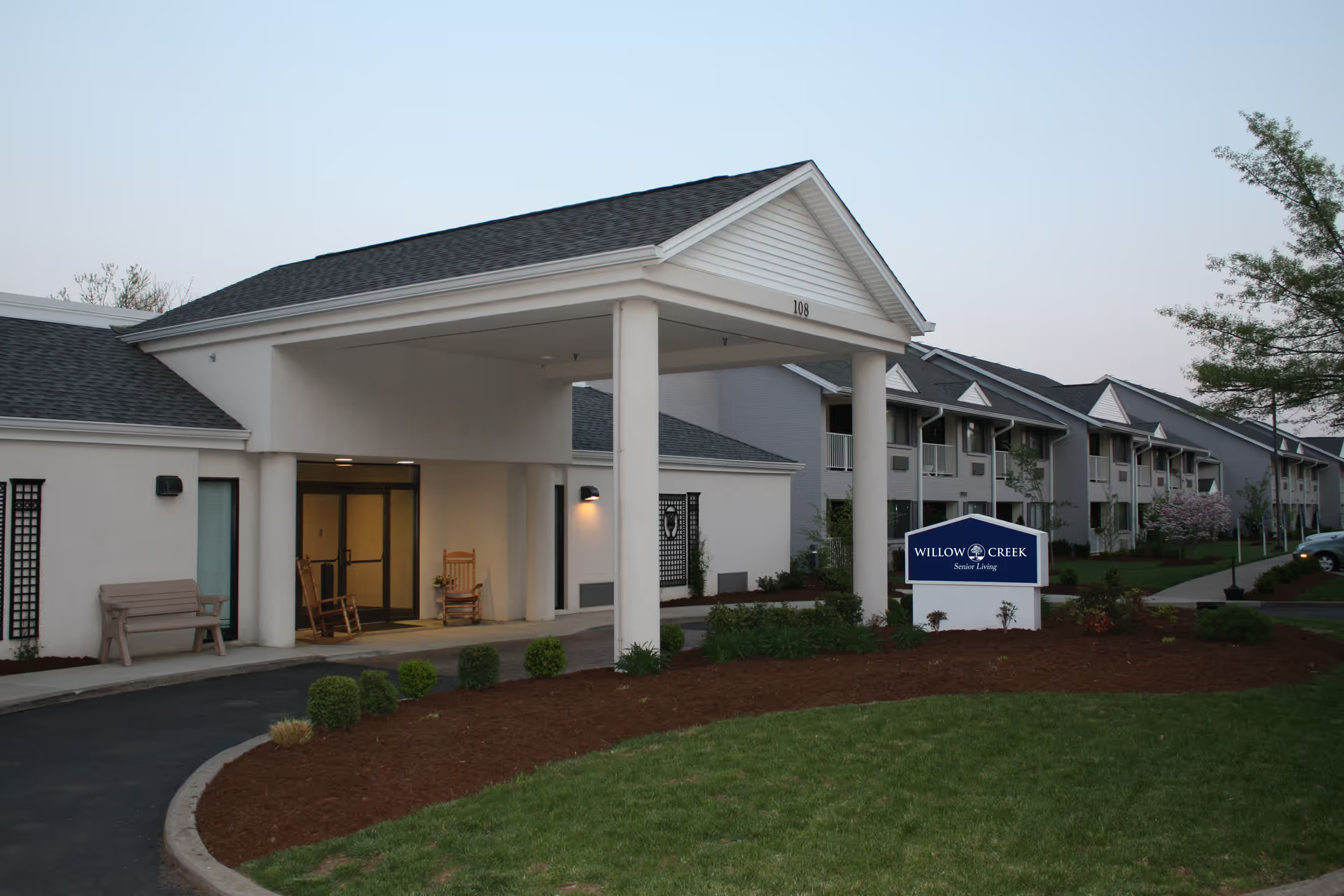
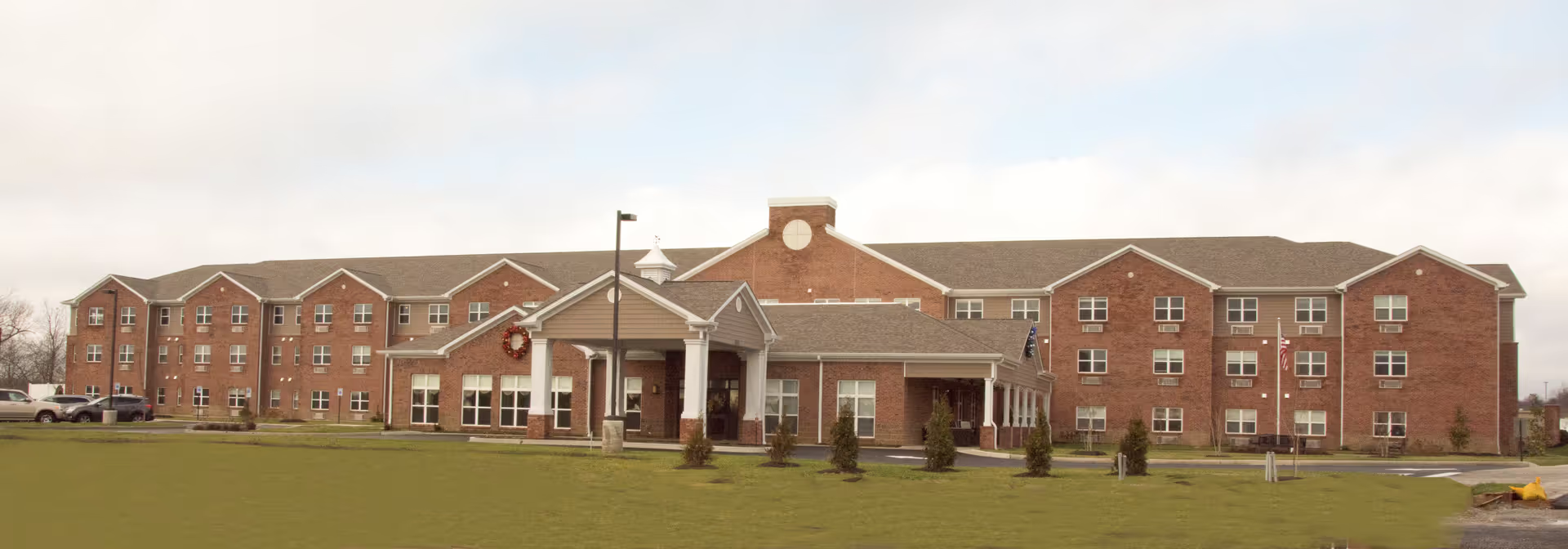
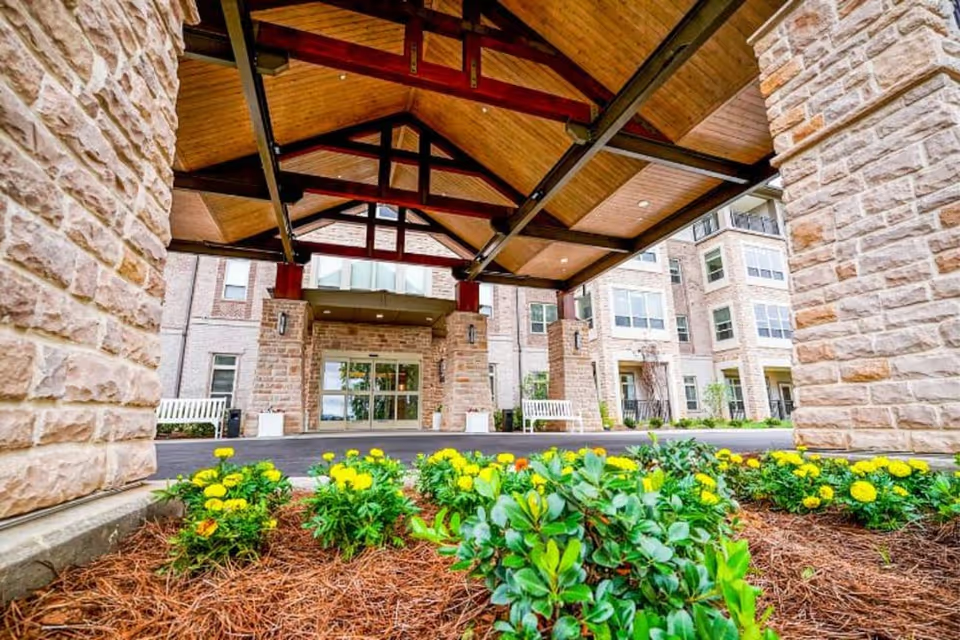
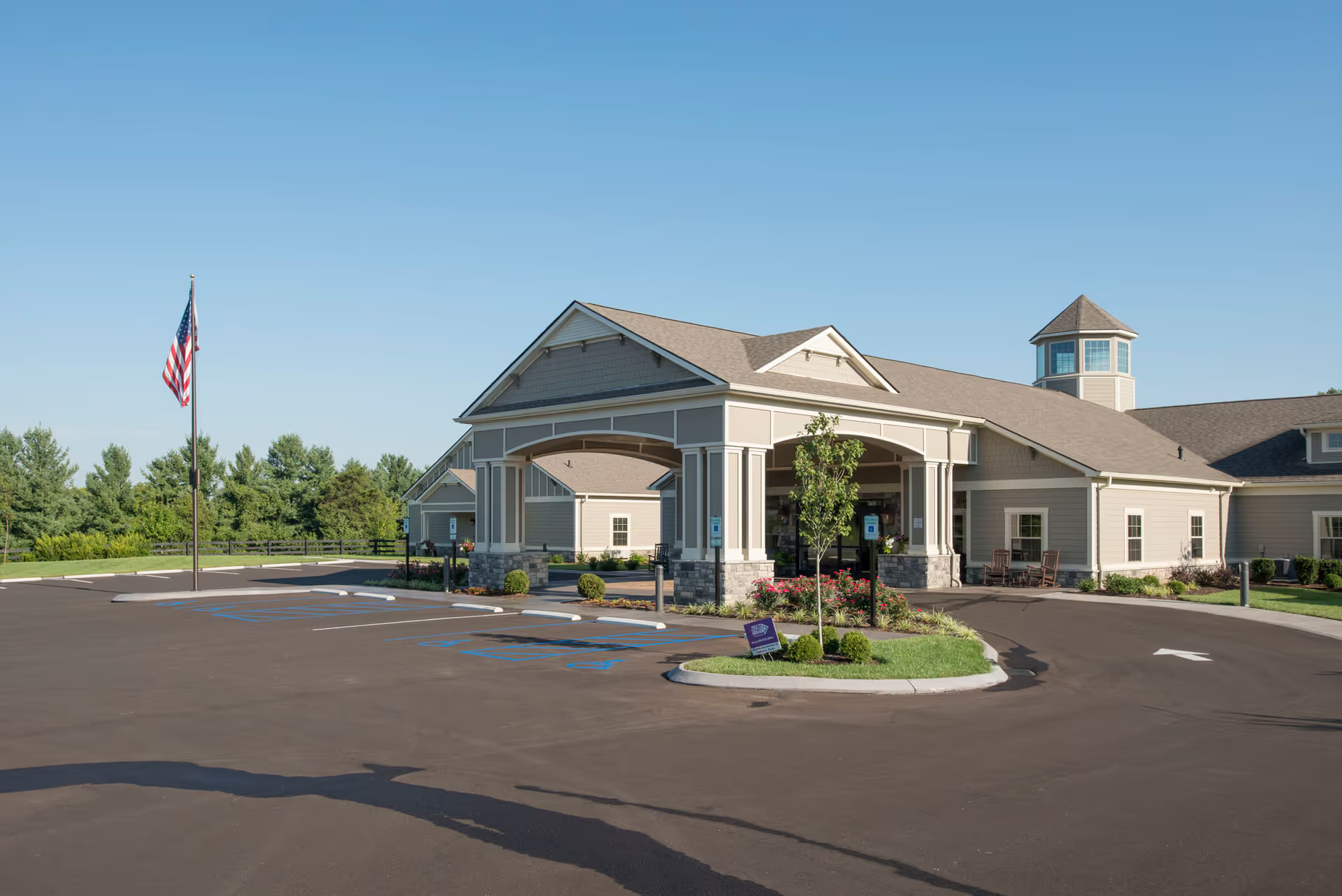
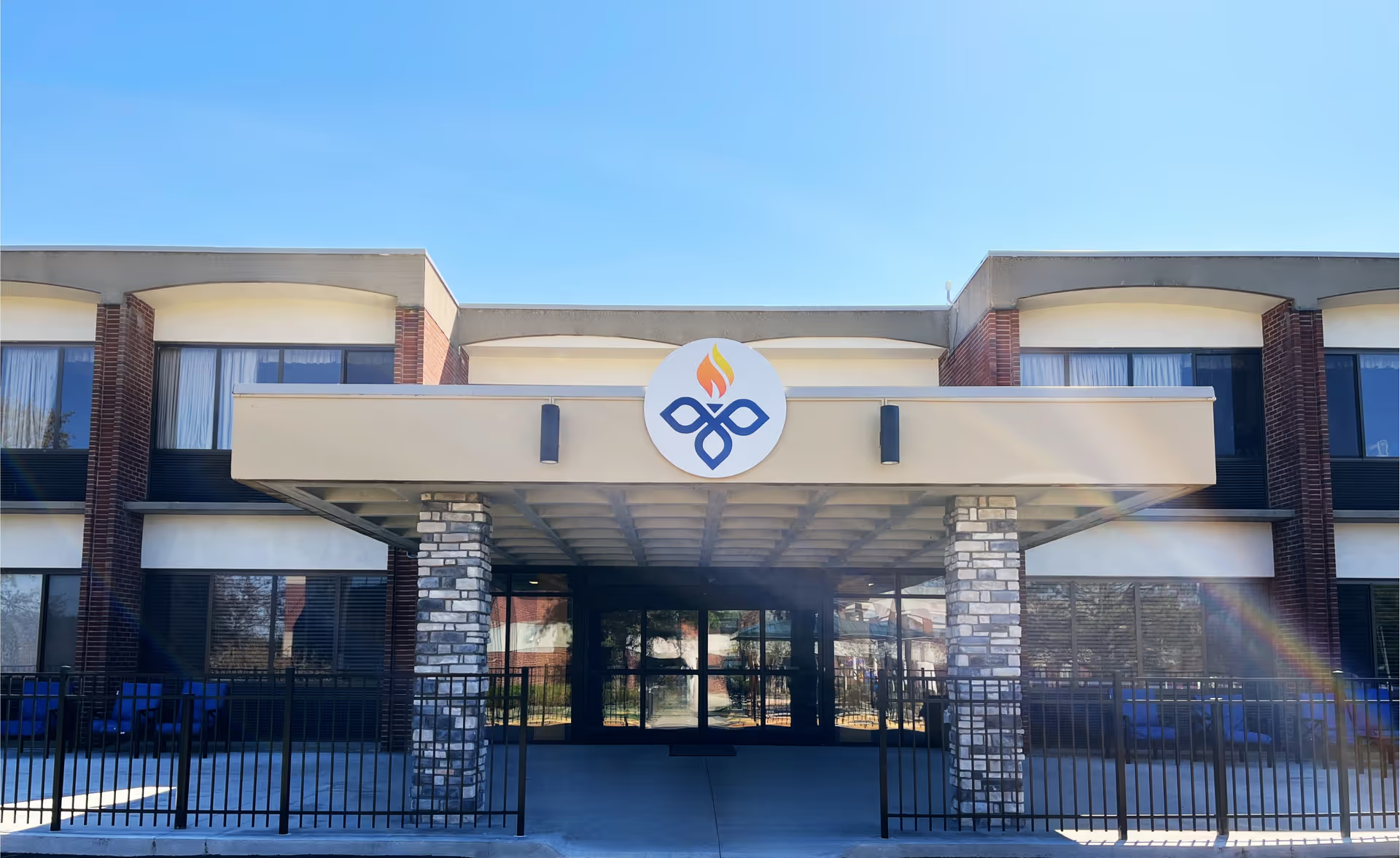
Overall impression: Landmark of Bardstown Rehabilitation and Nursing presents as a therapy-focused facility with an engaged, compassionate staff and a broad activities program. Reviews emphasize strong rehabilitation services, hands-on nursing involvement, and a generally clean, home-like environment in communal spaces. Several operational strengths — on-site therapy, a separate gymnasium, daily activity calendars, and an on-site salon — support both clinical recovery and daily living needs.
Care and staff: Staffing is frequently described as caring and responsive. Families and patients noted attentive nurses and therapists who participate directly in care and in discharge preparation; one example cited staff cheering at discharge, reflecting a supportive culture. The facility appears willing to make room-assignment adjustments to improve monitoring or access to staff when needed. Clinical services are centered on active rehabilitation, with therapists providing mobility training that includes practice on uneven or outdoor surfaces.
Therapy and dining: Rehabilitation and therapy services are a clear strength, with on-site capabilities and a focus on restoring mobility. Dining is described as consistent in terms of meal frequency, with three meals a day plus snacks provided. Reviewers did not note major issues with food service continuity, suggesting routine meal service meets expectations for most residents.
Activities and social life: The activities program is robust, offering a mix of religious services, bingo, crafts, and a visible daily calendar. Dedicated spaces such as a separate gymnasium and salon contribute to program variety. However, there are indications that engagement may not be uniformly accessible; residents with limited mobility or those who remain in wheelchairs were described as experiencing reduced social interaction, suggesting that some activities may be less accessible to certain residents.
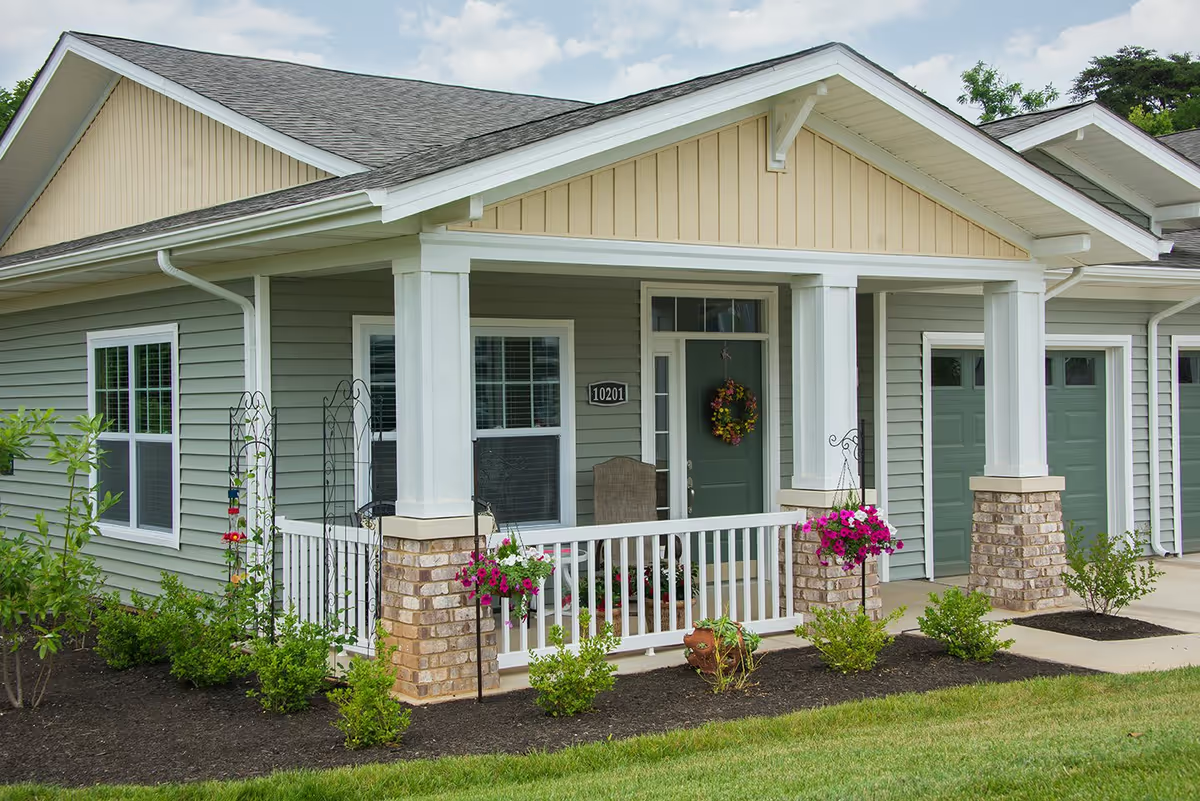
Facilities and cleanliness: Common areas and many parts of the facility are characterized as clean and well-maintained, contributing to a homey atmosphere. At the same time, there are intermittent sanitation concerns localized to some resident rooms, along with comments about rooms that feel dark or uninviting. These observations point to variability in room ambience and in-room odor control that may warrant targeted attention.
Management and notable patterns: Management responsiveness is evidenced by staff willingness to reassign rooms for closer monitoring and by active therapy coordination. The dominant pattern across feedback is a facility that performs well in rehabilitation and personalized nursing attention but shows variability in some environmental and engagement elements. Prospective residents and families should weigh the facility's strong clinical and activity resources against the potential need to confirm room lighting, in-room sanitation standards, and accessibility of activities for residents with mobility limitations.