Overall, reviews of Lee County Care and Rehabilitation Center are mixed but predominantly positive. Many families describe compassionate staff and say their relatives received attentive, respectful care. Positive comments cover nursing, aides, therapy, social work, and administration, with families valuing staff support during rehabilitation, long-term care, and difficult health transitions. A few accounts, however, describe concerns about staff courtesy, attentiveness, and the consistency of day-to-day care.
Communication and family support are recurring strengths, particularly when families have questions or need help navigating placement and changing health needs. Some families say staff and administrators responded helpfully to concerns. Other accounts describe difficulty reaching a resident or getting a response by phone, so access and communication may not feel consistent for every family. Delays in responding to resident requests are also raised as a concern.
Rehabilitation experiences vary. Some families praise the therapy team and describe positive rehabilitation stays, while others question whether therapy goals matched the resident’s functional needs or whether discharge planning adequately addressed equipment and support needs. Families considering short-term rehabilitation may wish to discuss goals, progress measures, and discharge arrangements directly with the team.
Activities are a clear positive theme. Reviews describe bingo, worship, holiday events, seasonal food preparation, and other opportunities for residents to participate and stay engaged. One review specifically praises dietary staff, but dining receives little detail overall, so the available comments do not establish a broader pattern about menu quality or meal service.
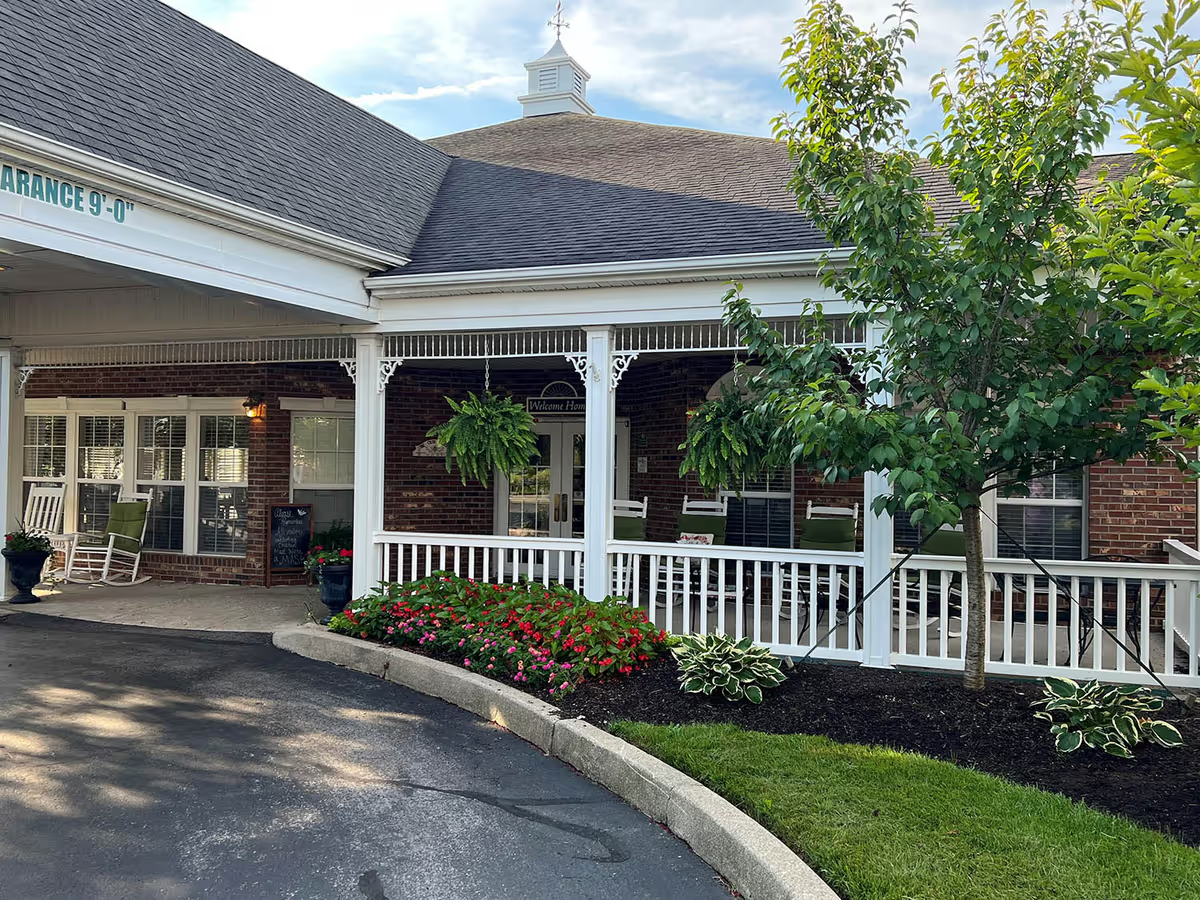
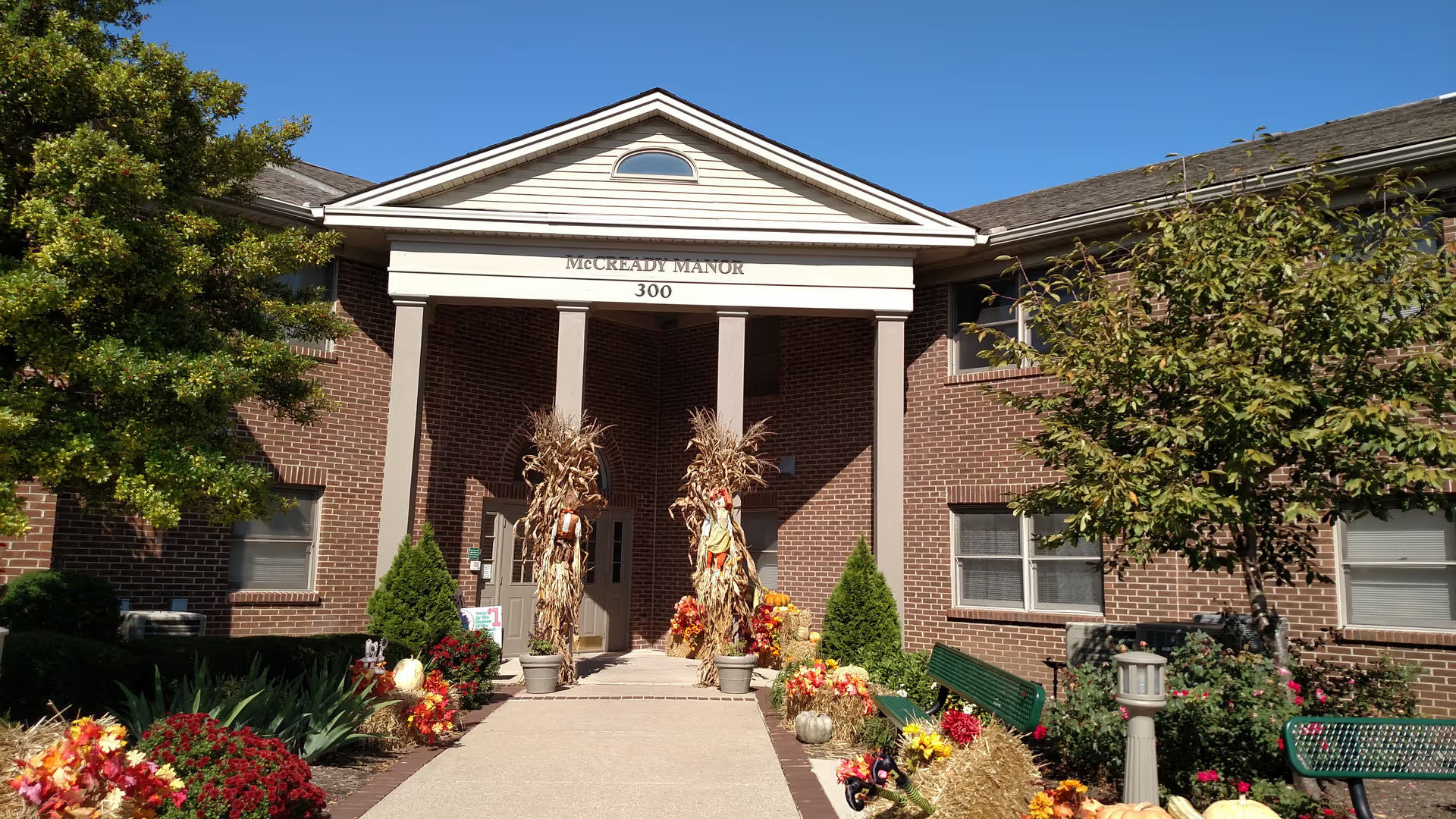
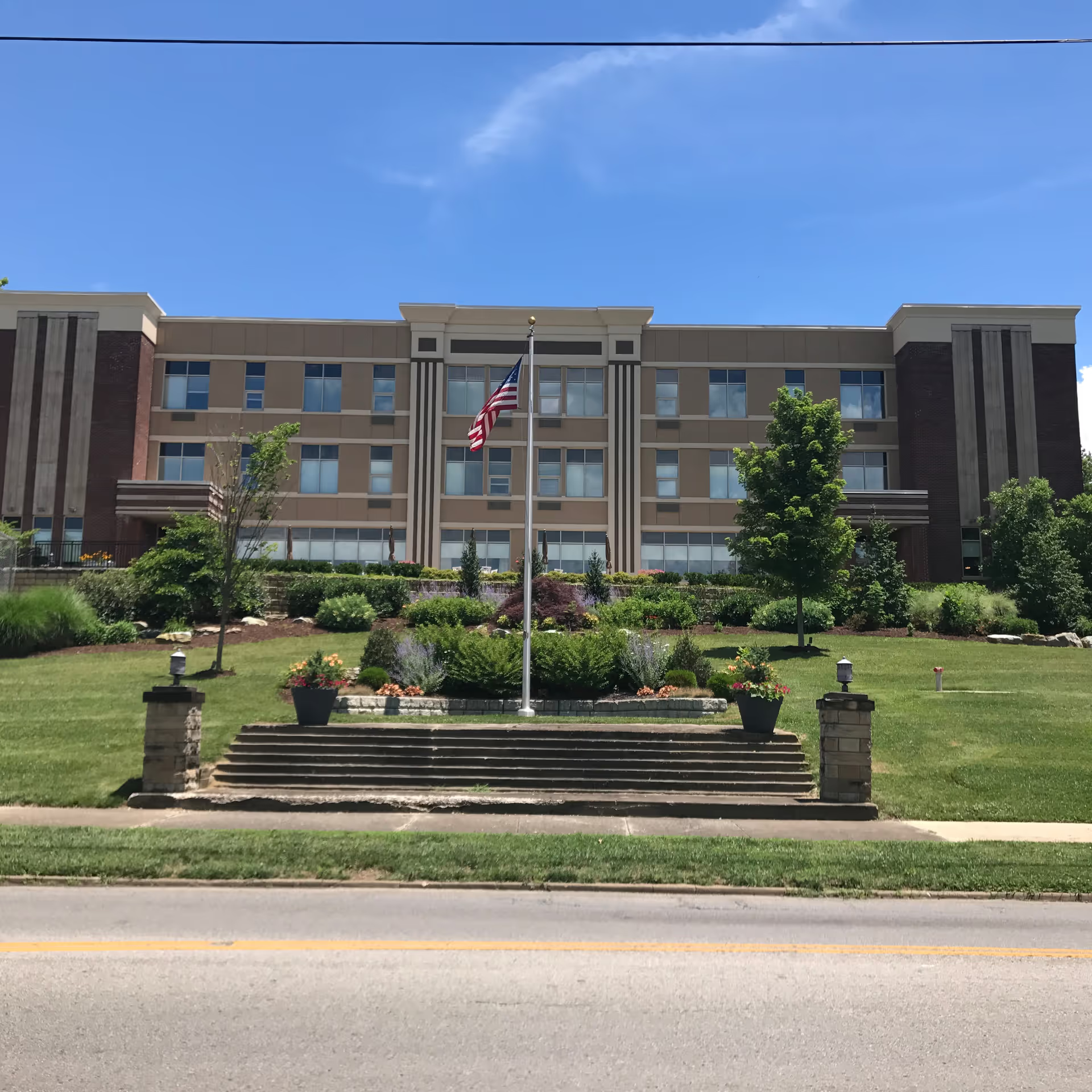
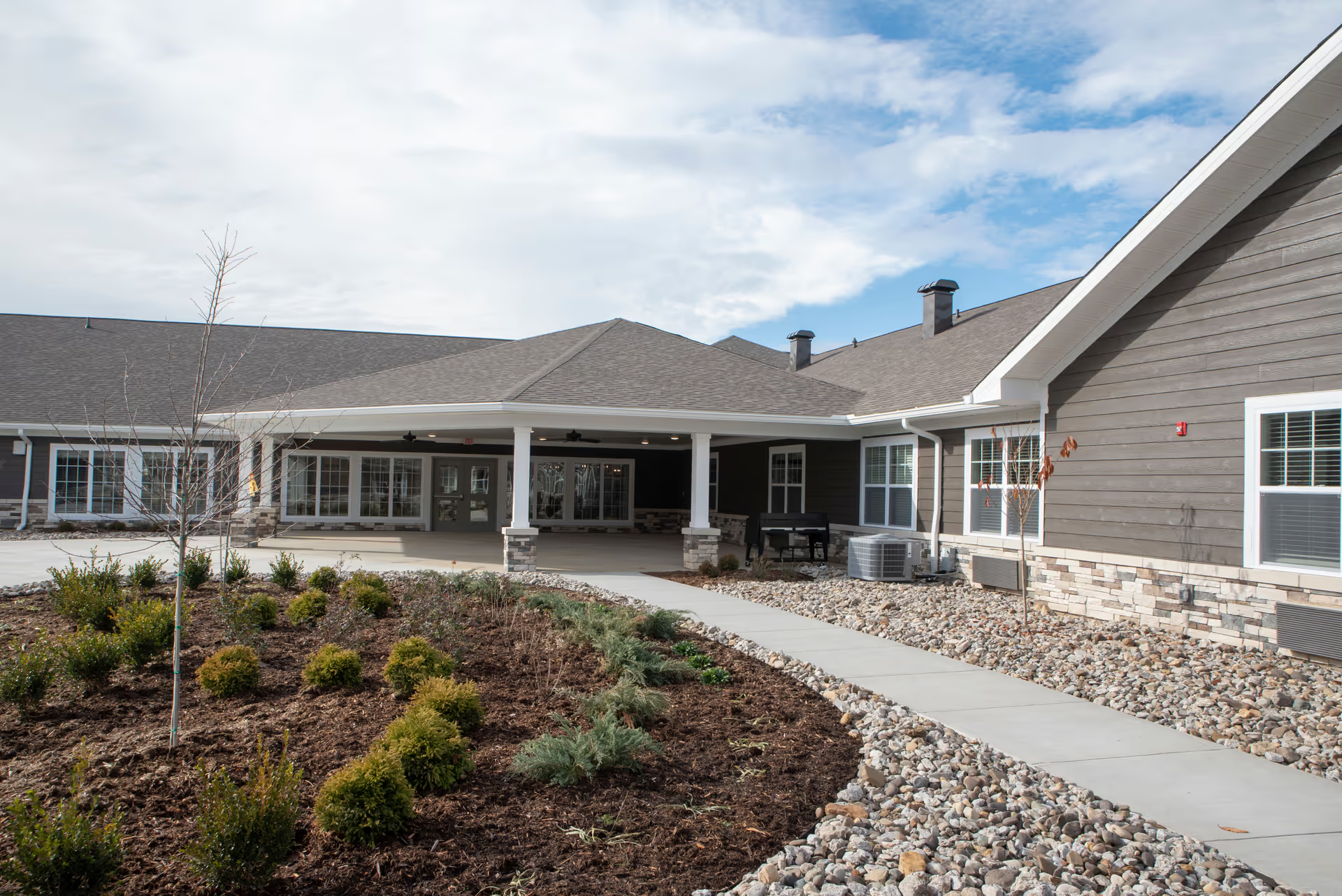
Facility impressions are also mostly favorable: visitors and families describe a clean, welcoming, well-maintained environment, and some mention attractive surroundings and resident pets. A few accounts raise concerns about room cleanliness and the consistency of bathing, grooming, and other personal-care routines. One strongly negative account describes prolonged dissatisfaction and concerns in the context of a resident’s death; this stands apart from numerous positive accounts but is relevant to families assessing care consistency. Overall, the contrast between favorable experiences and specific concerns makes it advisable to tour the facility, ask about response and communication procedures, and discuss care plans and rehabilitation expectations with the team.