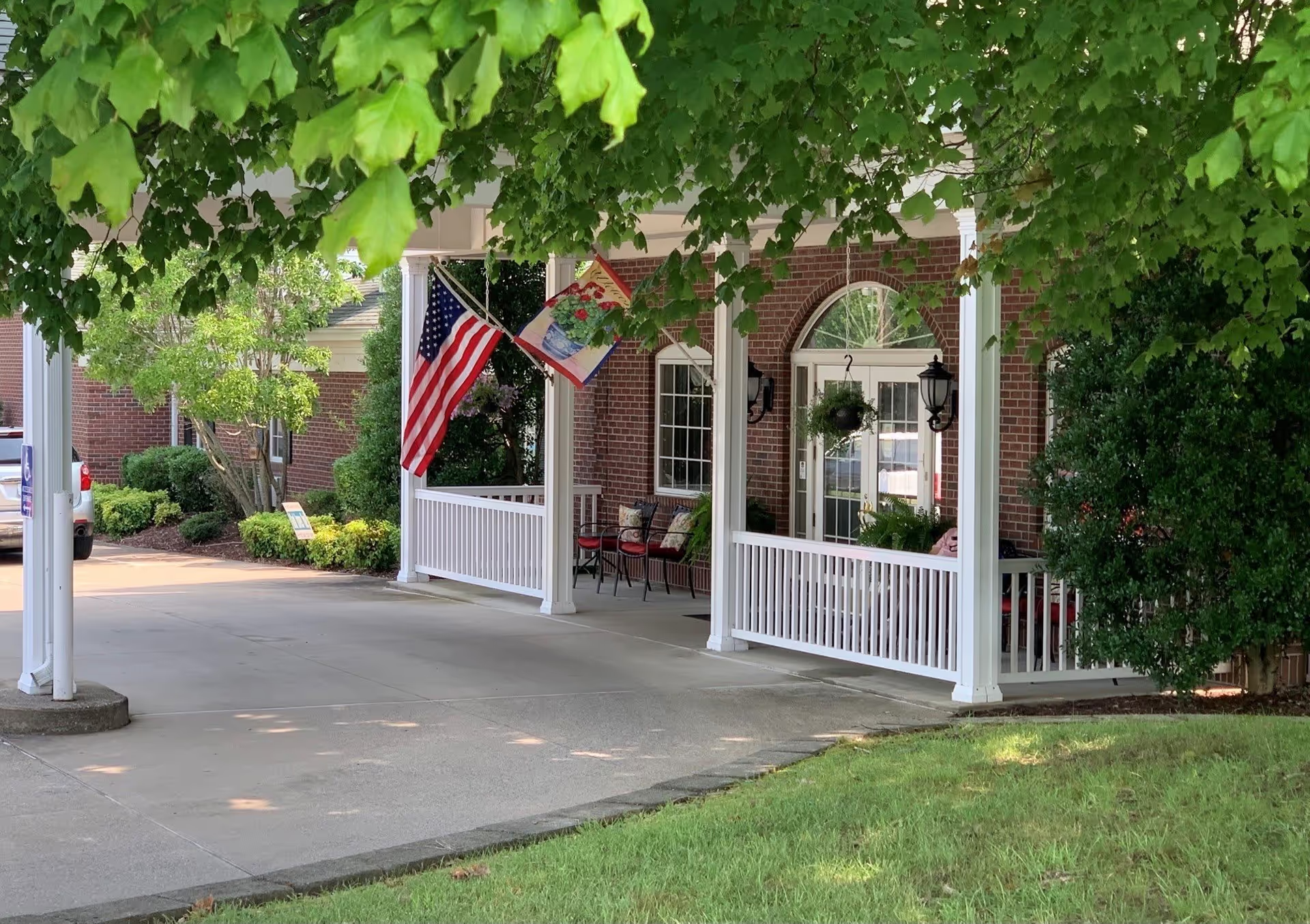
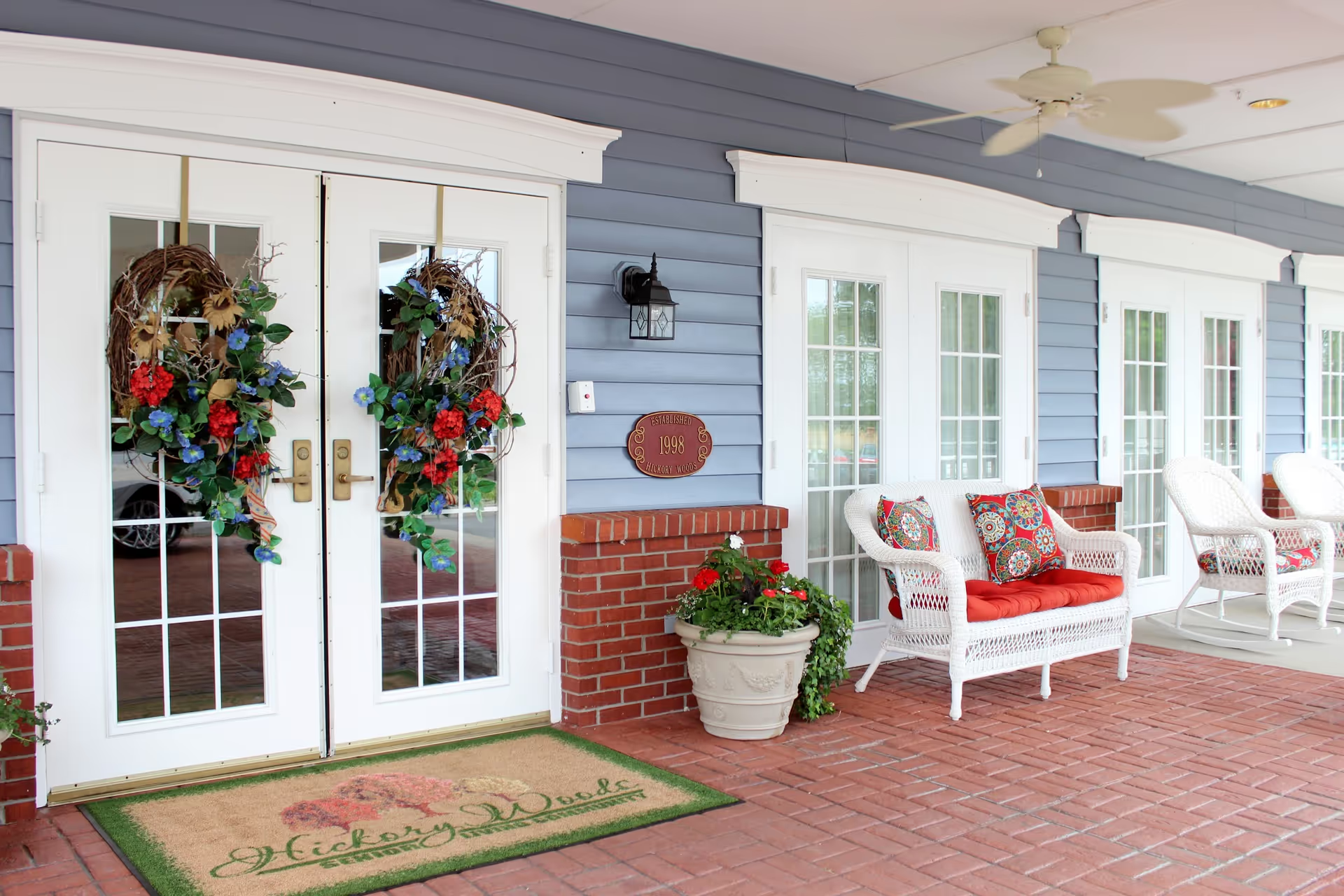
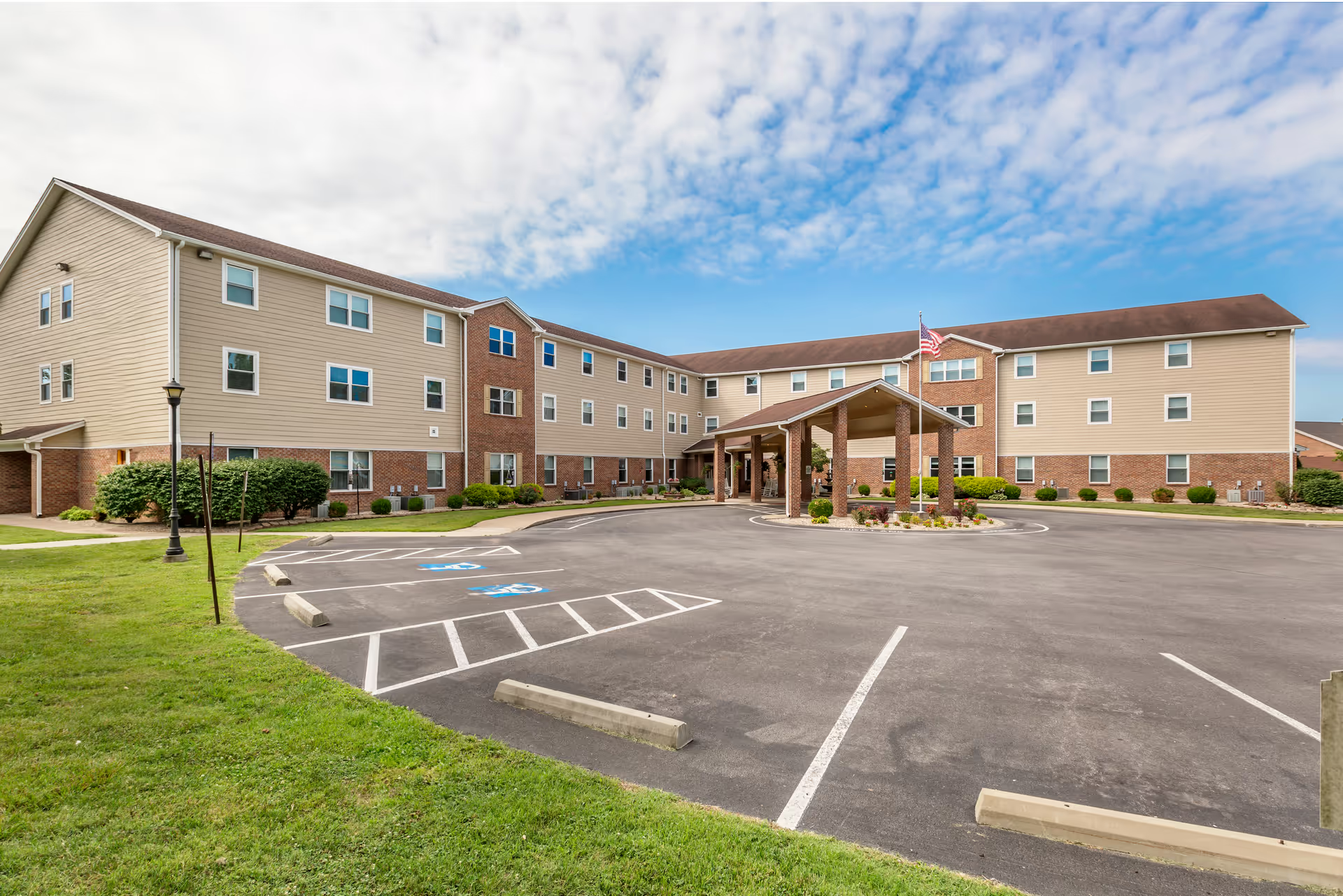
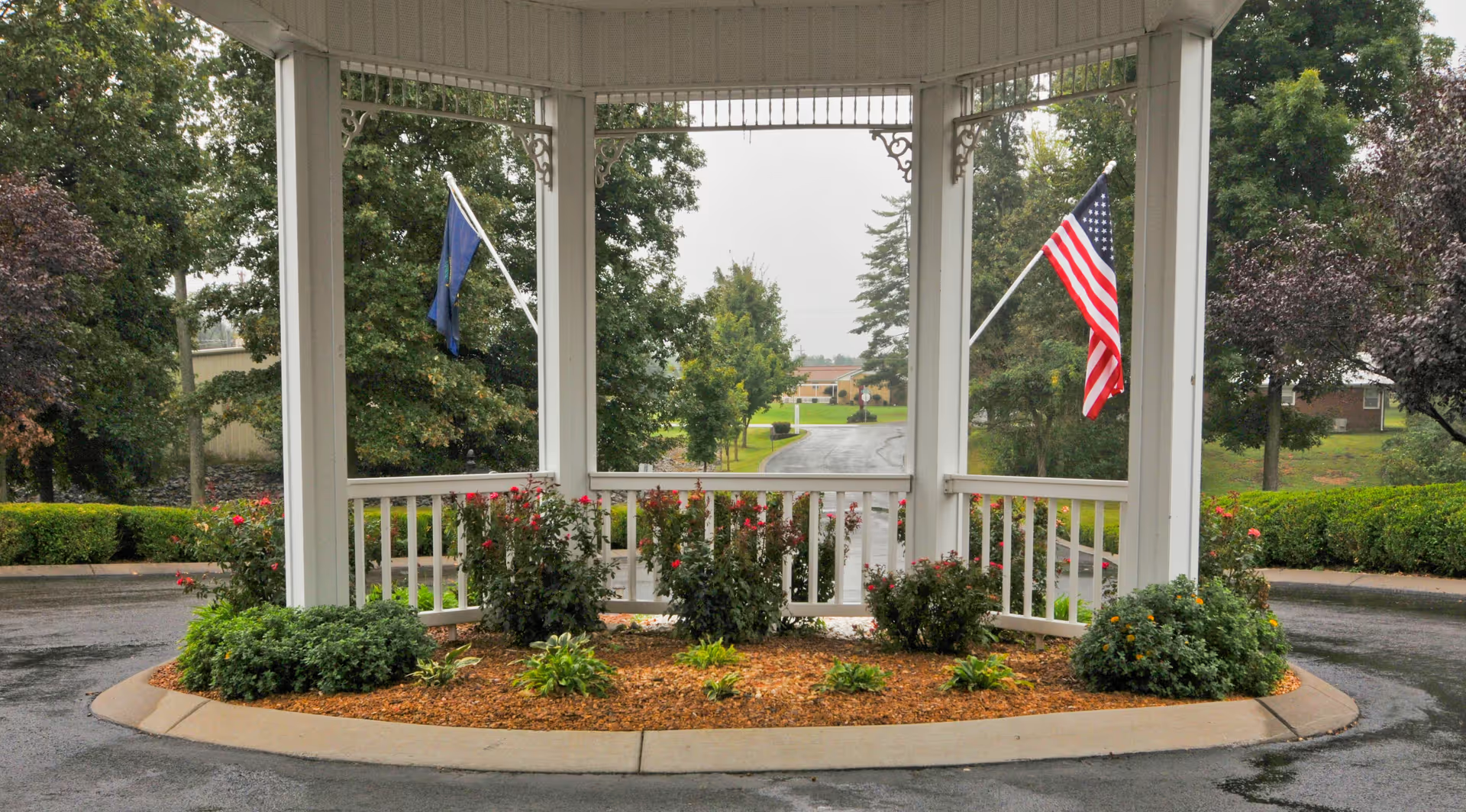
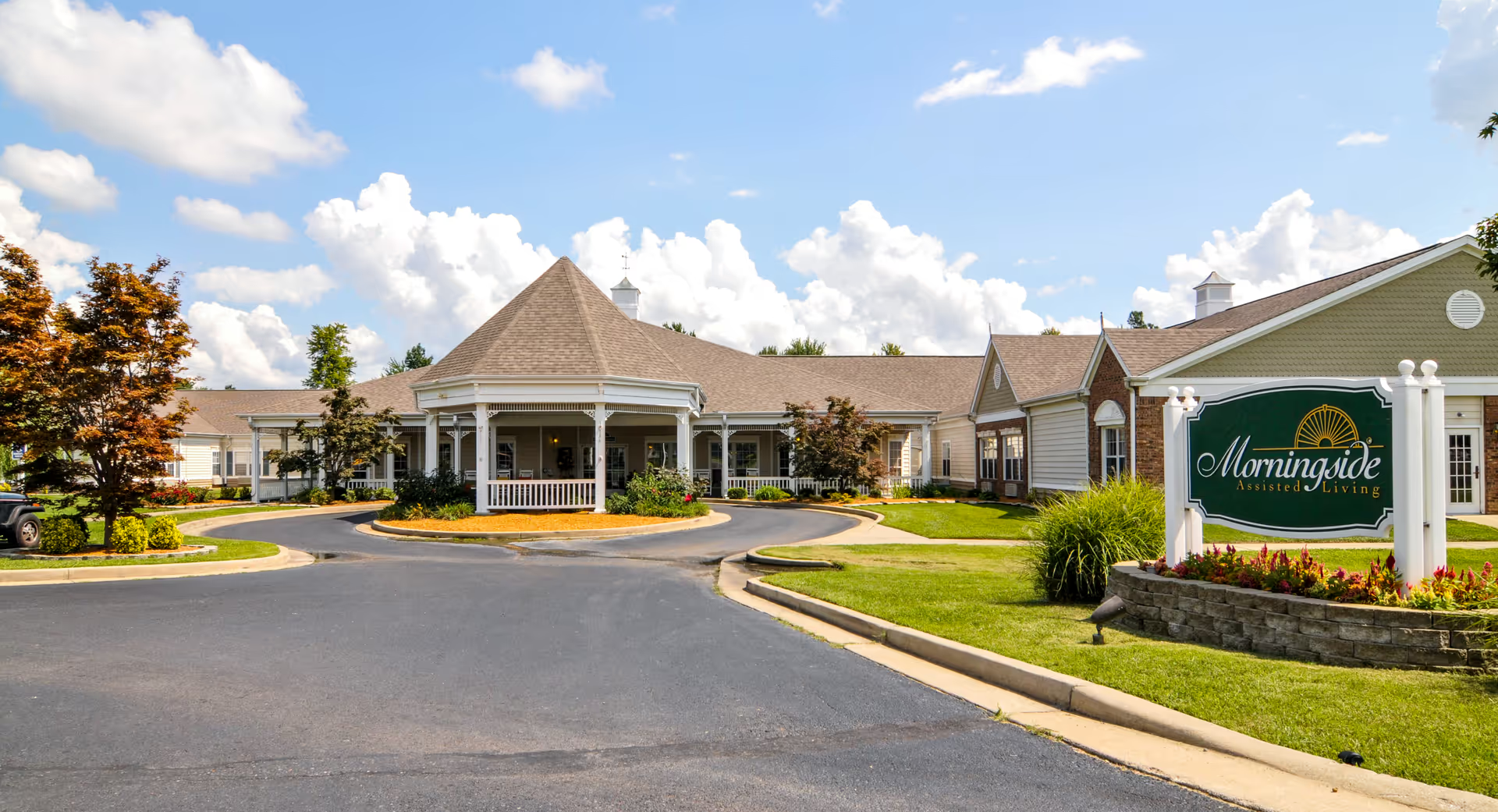
Overall impression: Lake Way Nursing and Rehabilitation Center presents a mixed but instructive profile. Many families praised the caregiving staff, clean and attractive interiors, and the facility’s strong rehabilitation program; these strengths are repeatedly cited as drivers of positive outcomes and resident satisfaction. At the same time, a set of operational weaknesses appears across the feedback and may warrant direct inquiry by prospective residents and families.
Care and staff: The predominant theme is that direct-care staff are compassionate, attentive, and often proactive in communicating with families. Skilled nurses and therapists delivered measurable rehabilitation gains in a number of cases, including patients who regained ambulation with assistive devices. However, reviewers also described variability in nursing responsiveness and timeliness; some family members experienced delayed attention for routine needs. There is also variability reported in therapy quality — while many describe excellent rehab, others found the therapy experience less effective.
Dining and activities: The facility’s dining area and social programming are clear positive features. Reviewers note an appealing dining environment, enjoyable special meals (for example a well-received Thanksgiving service), and an inclusive activities schedule with bingo, crafts, and social opportunities that support resident engagement. Counterbalancing this, there are recurring comments about inconsistent meal temperature and occasional failures to fulfill special food or drink requests, which suggests uneven food-service execution.
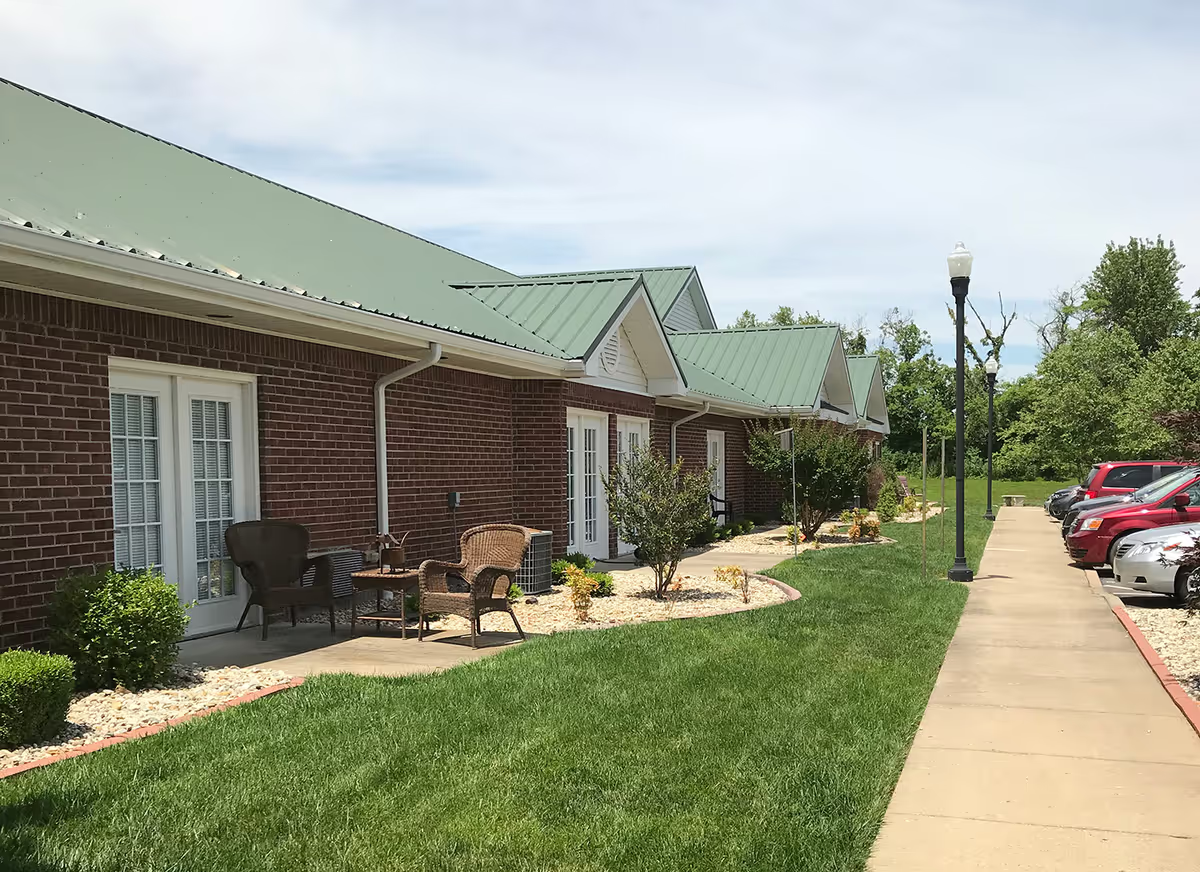
Facilities and safety: Physical plant comments are mixed. Rooms and common areas are described as large, elegant, and clean, and the location near recreational amenities is considered pleasant. Operational issues include delayed repair of nonclinical equipment (televisions, chairs, beds) and lapses in installation or maintenance of safety equipment, such as bed rails. Those maintenance gaps have been associated with mobility- and transfer-related safety concerns in at least some cases, indicating a need to confirm local safety practices and preventive maintenance schedules.
Management and communication: Communication from frontline staff and therapy teams is frequently described as proactive and helpful. There are, however, reports of curt or confrontational interactions at more senior administrative levels, including at least one family describing a payment-related confrontation; these accounts raise concerns about consistency in administrative tone and payment-handling protocols. Multiple comments also point to attention-to-detail and care-coordination gaps, suggesting that leadership focus on operational follow-through could reduce avoidable issues.
Notable patterns and guidance: The facility’s strengths center on compassionate caregiving, an engaging social environment, and effective rehabilitation for many residents. The principal operational weaknesses relate to maintenance responsiveness, consistent implementation of safety equipment, food-service reliability, and occasional lapses in nursing timeliness and administrative communication. Prospective residents and families who value strong rehab services and a welcoming, clean environment may find Lake Way a good fit, but should directly assess maintenance response times, safety-equipment procedures, meal-service practices, and administrative communication policies during tours and admissions conversations.