Reviews present a mixed but instructive picture of the facility. Many families emphasize a strong caregiving culture: staff are described as compassionate, family-like, and communicative, with nurses, aides and therapists who provide attentive, medically focused care and maintain regular contact with relatives. Reviewers frequently note effective rehabilitation services, pet-therapy access, and an active calendar of social and religious activities that contribute to residents’ quality of life. Several accounts also highlight personalized admission experiences and staff willingness to extend themselves for residents and families, including during the pandemic.
Clinical quality is generally praised for routine care and therapy, but a subset of reviews raises concerns about more acute clinical processes. Specific criticisms point to delays in recognizing and responding to emergent events and to problems activating or managing prescribed equipment. These criticisms, alongside descriptions of stressed or overworked staff, suggest possible gaps in staffing patterns, training, or escalation protocols that prospective families should explore further.
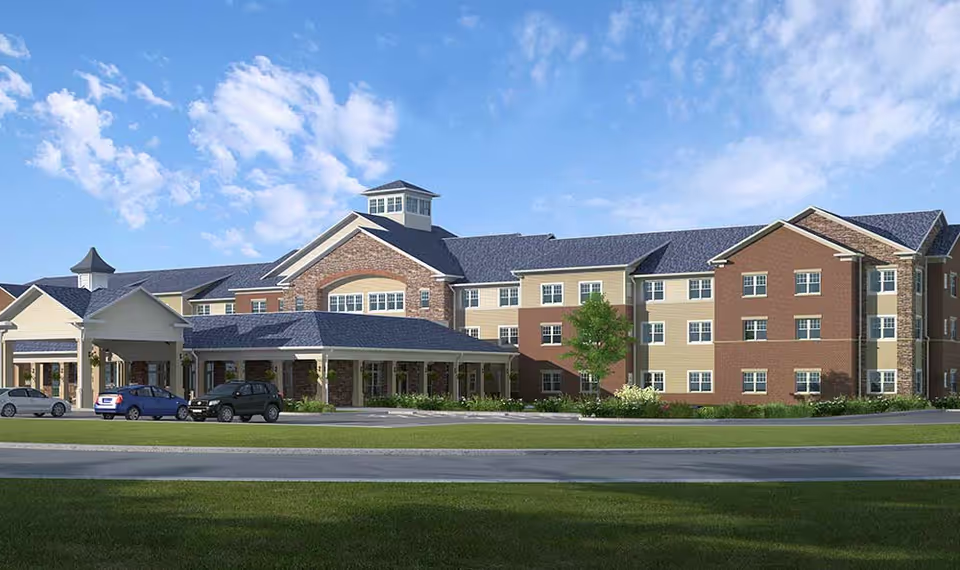
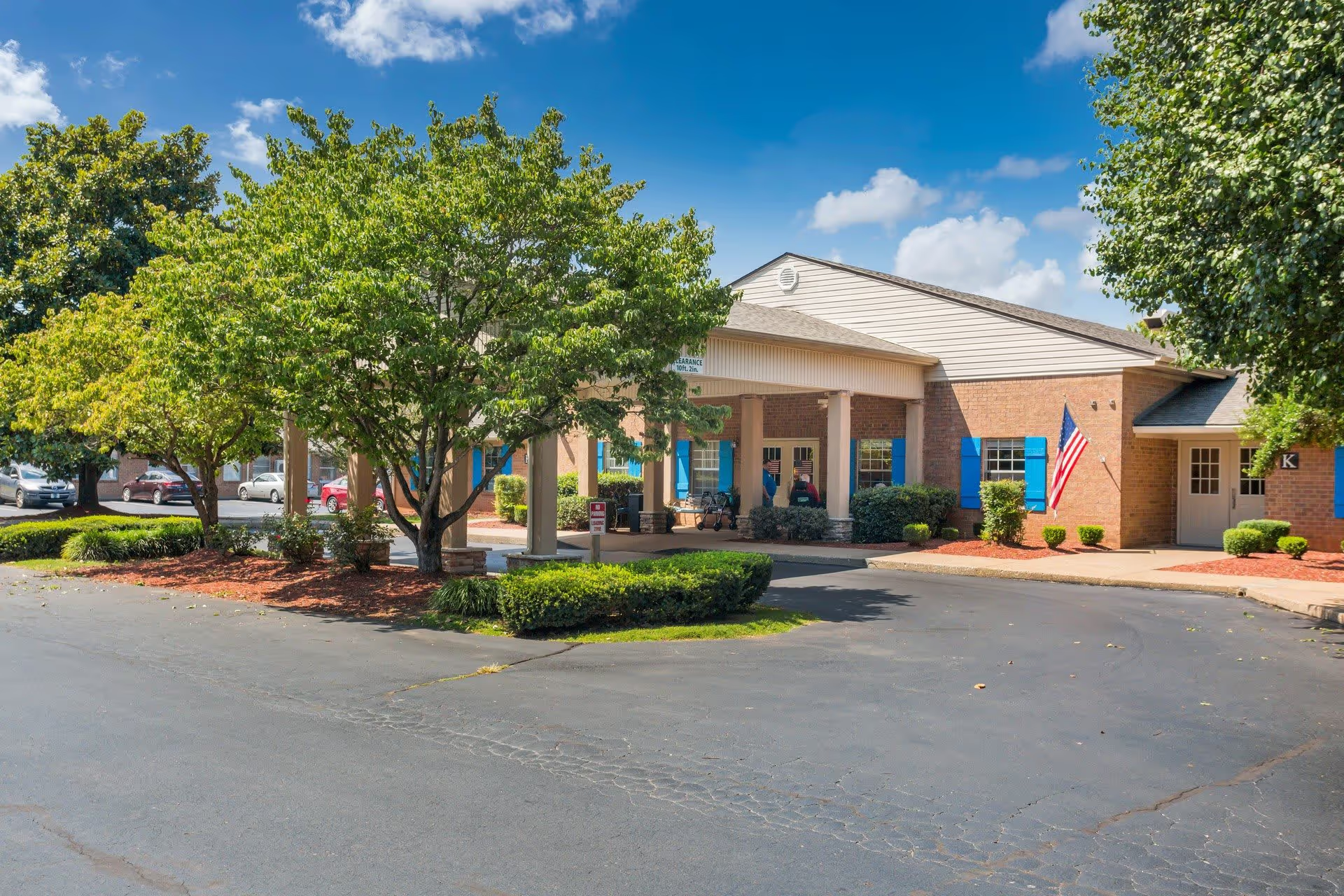
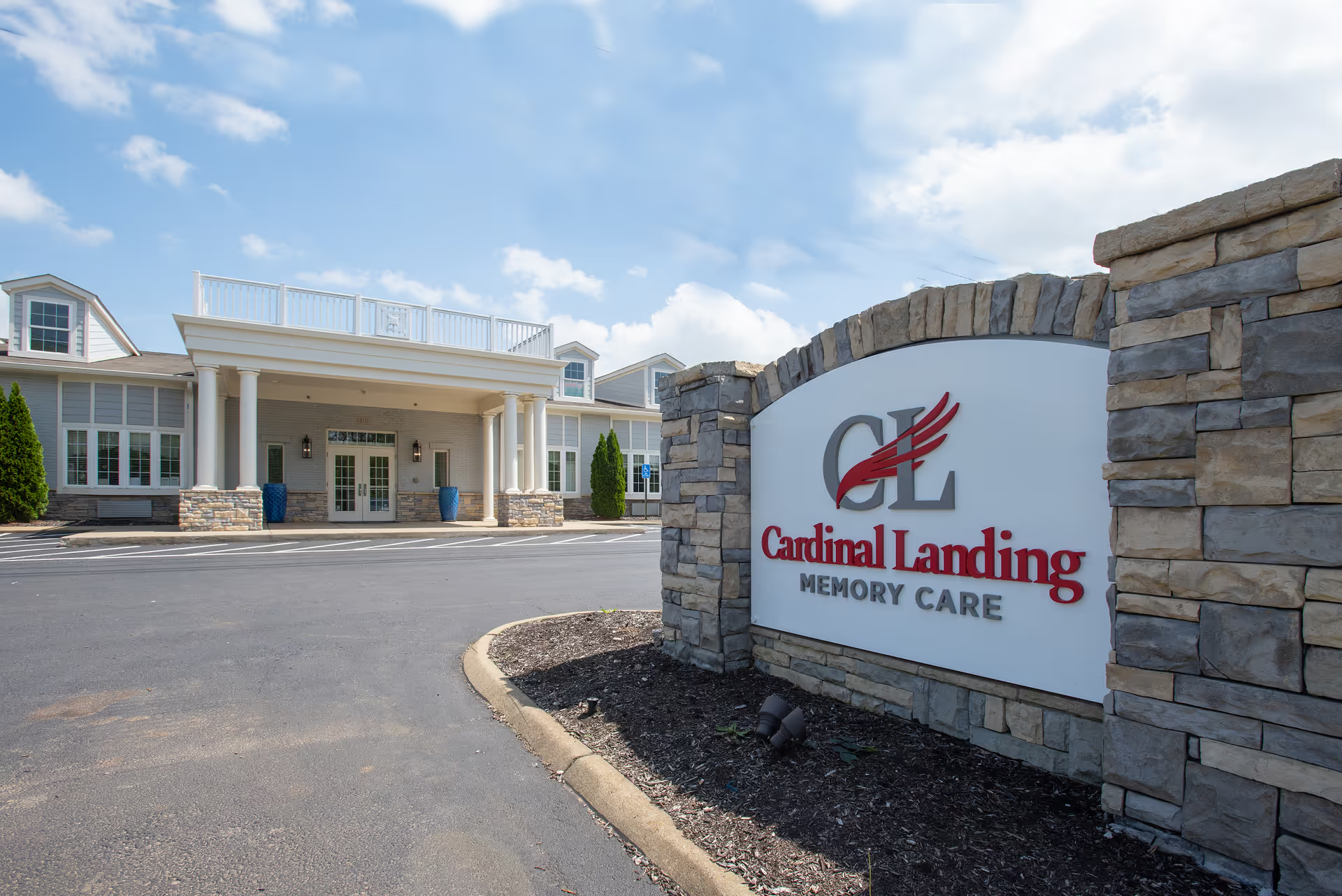
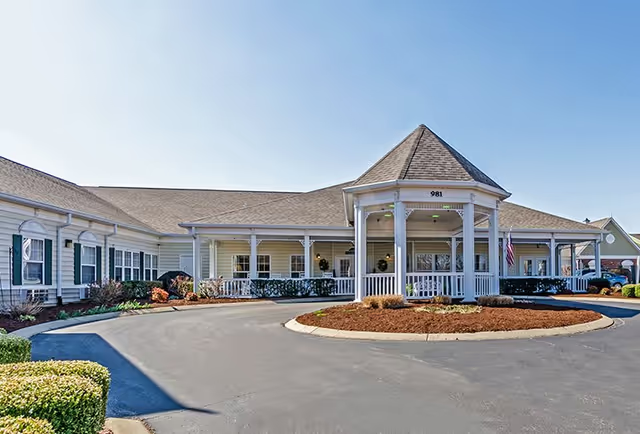
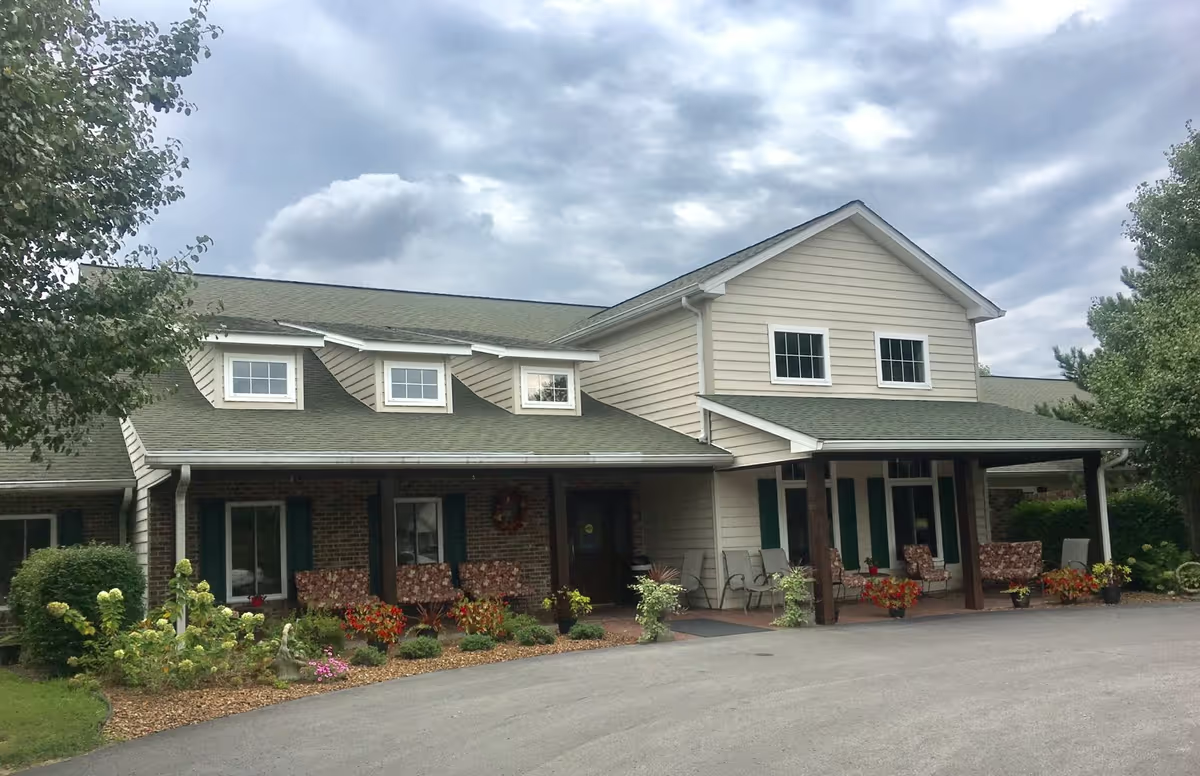
Facility and environment feedback is similar: many reviewers describe clean, cheerful common spaces and a pleasant activity program, while others indicate maintenance shortcomings such as plumbing and aging furnishings and inconsistent management of room equipment and personal property. There are also serious administrative concerns in some accounts, including perceived insensitivity in post-occupancy handling and allegations of theft and financial misconduct. These items indicate potential weaknesses in property-management practices and administrative professionalism.
Management and communication receive both praise and critique. Several families report clear, transparent interactions with clinical staff and appreciation for prompt responses when issues arise. At the same time, a portion of reviews describe a tone or conduct that families found brusque, and some report unsatisfactory bereavement communication or a sense that administrative priorities did not align with family expectations.
Overall, the facility appears to offer strong interpersonal care and a robust activity/therapy environment for many residents, but there are recurring operational issues that merit direct inquiry. Prospective residents and families should consider an in-person tour, ask about staffing ratios and training, review equipment-activation and emergency-response protocols, inspect recent maintenance and cleanliness records, and verify policies for personal-property management and bereavement communication. Checking state inspection histories and following up on any allegations will also help form a balanced decision.