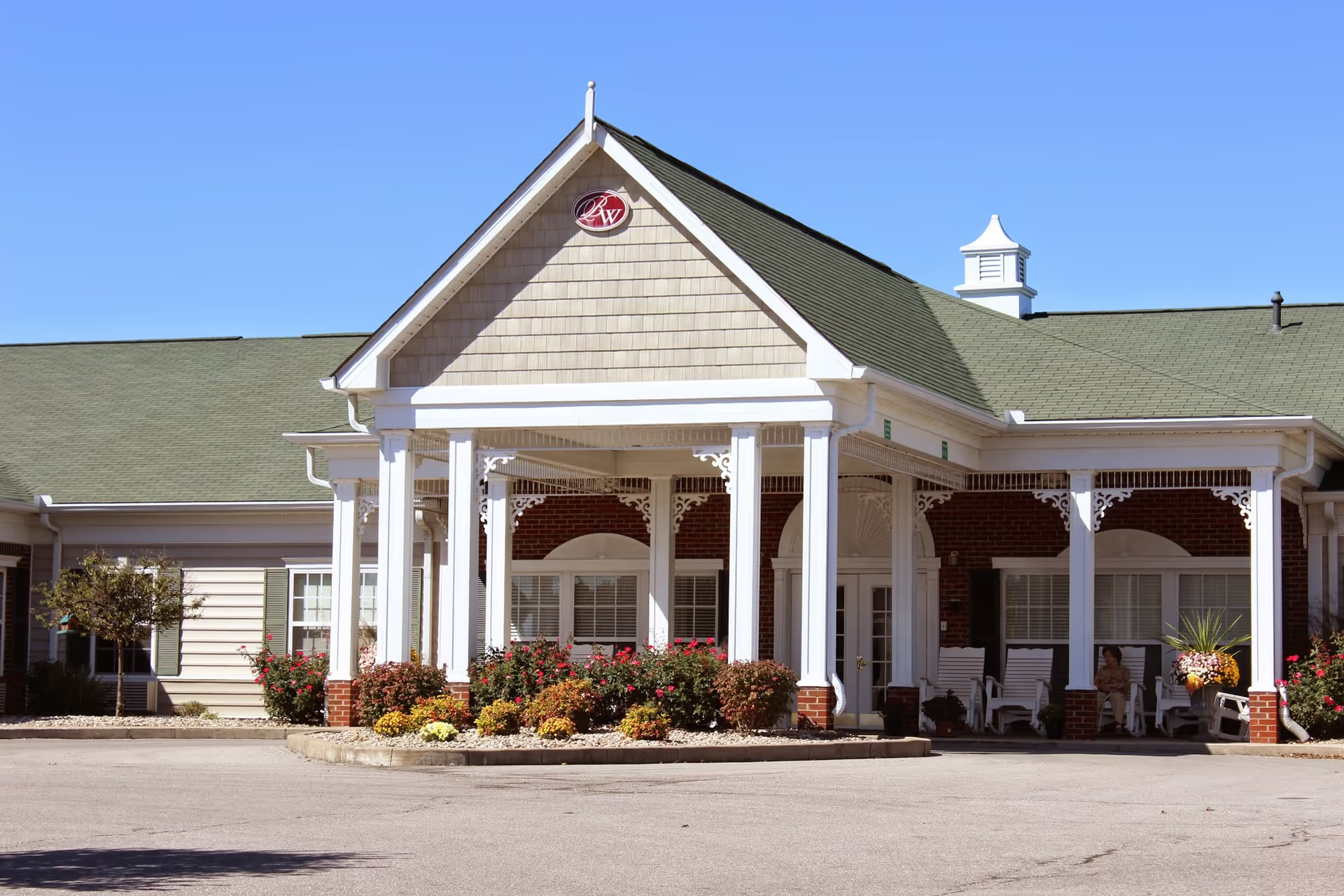
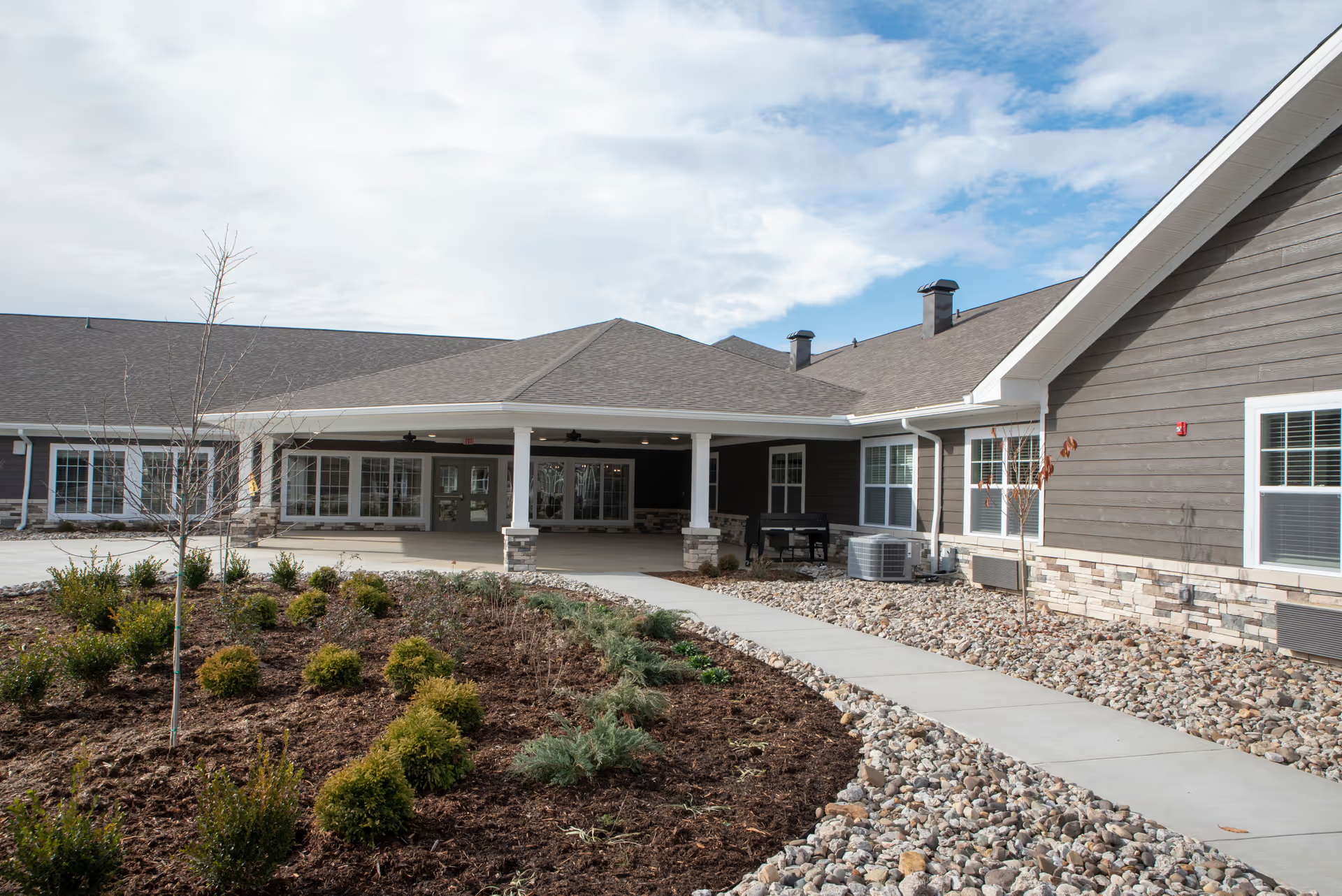
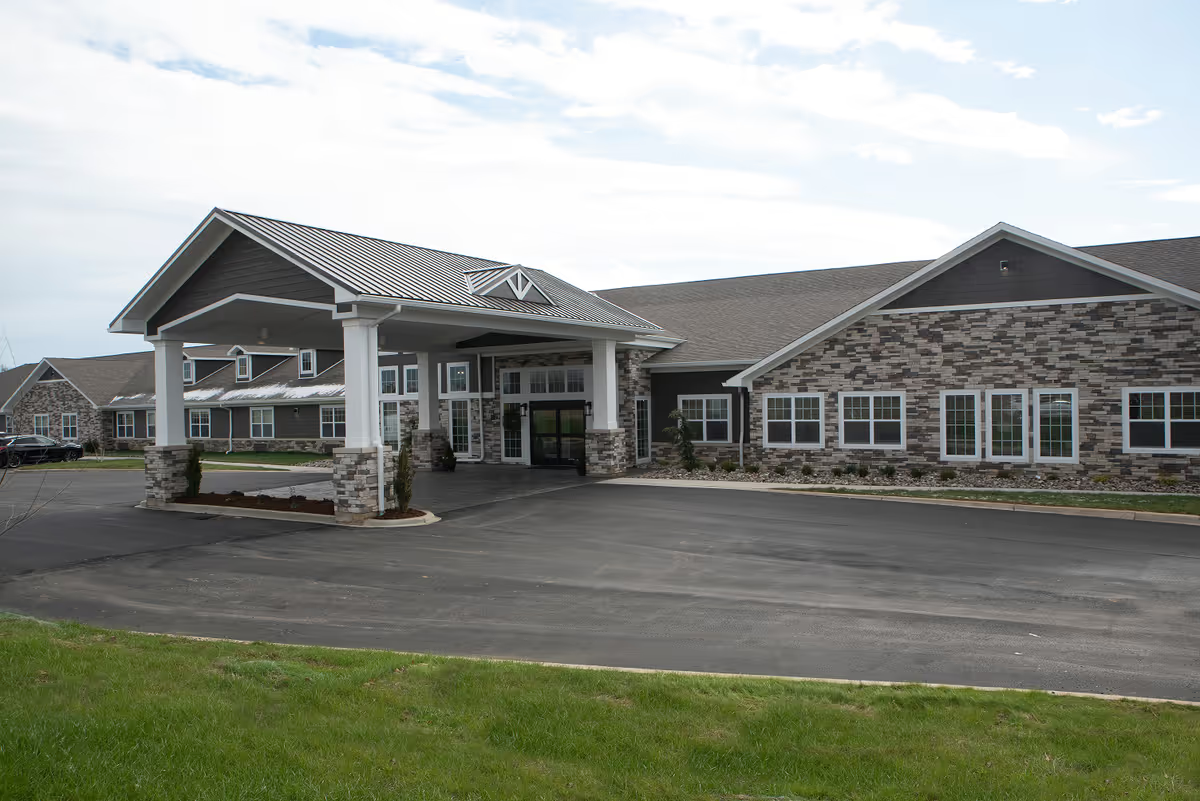
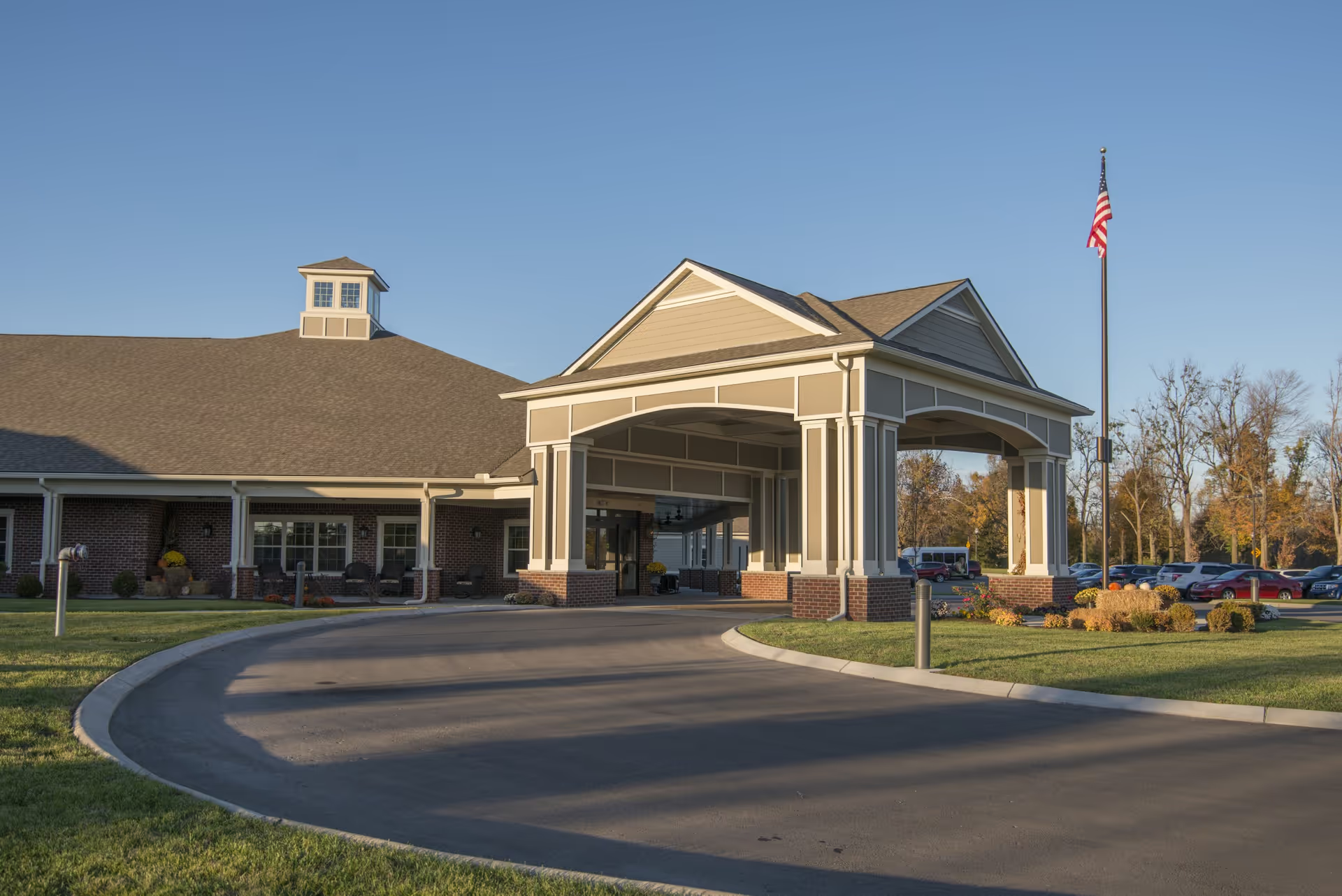
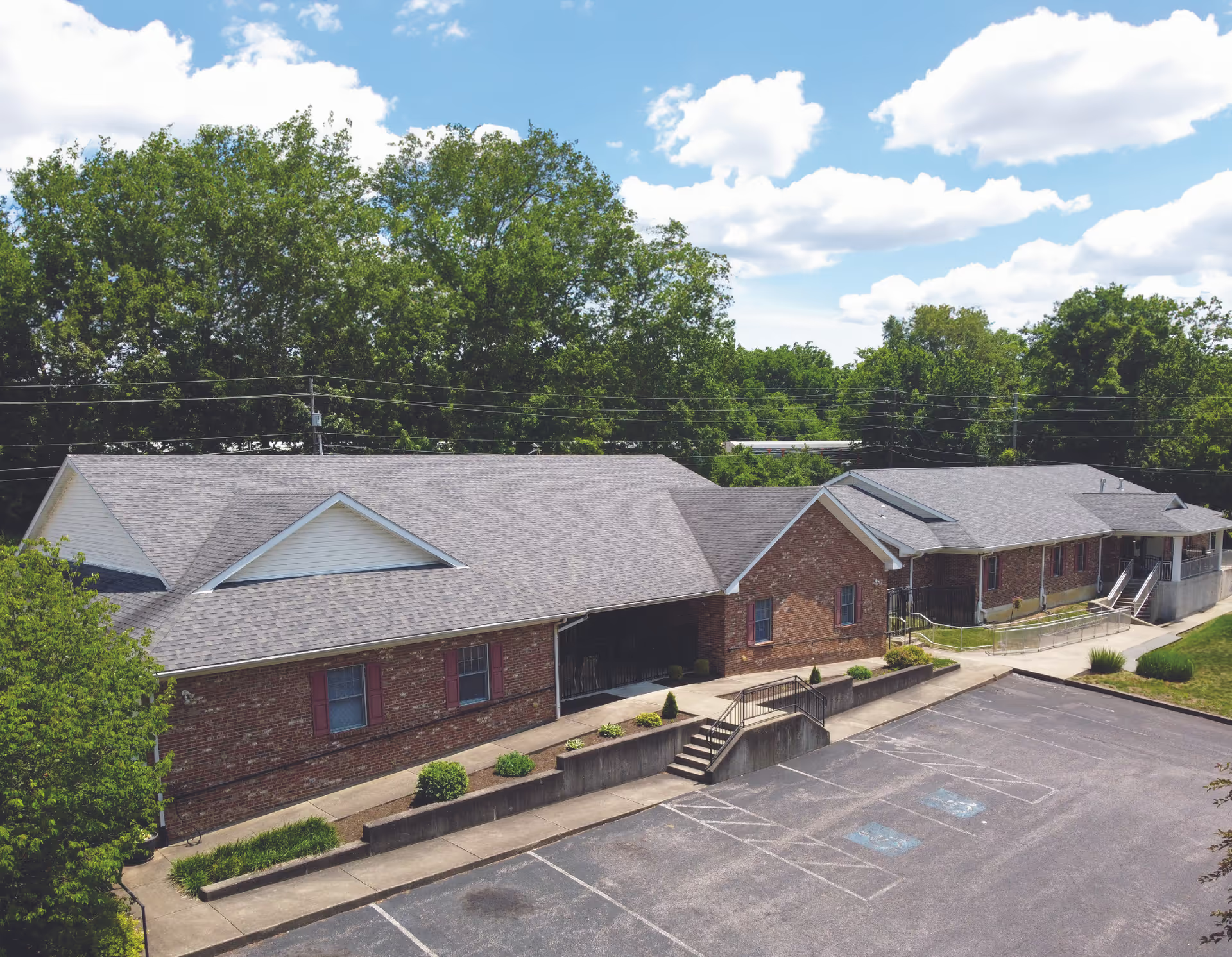
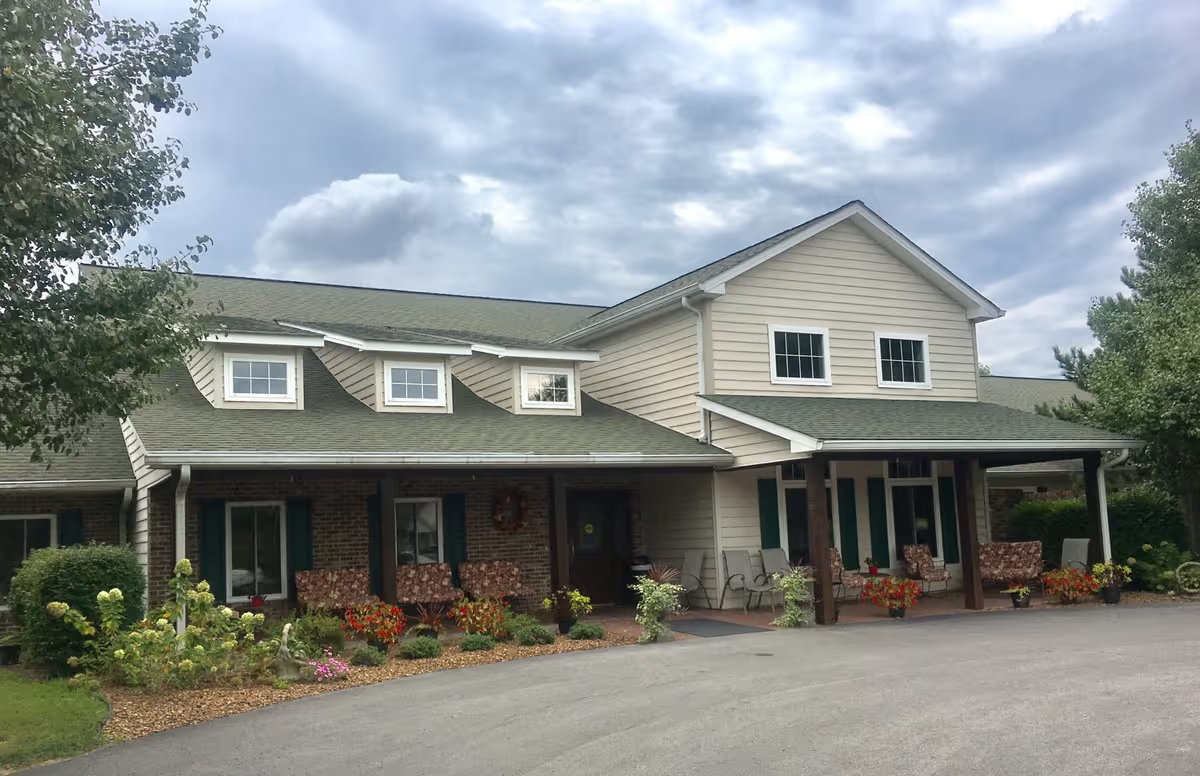
The review set presents a polarized picture of The Grandview Nursing and Rehabilitation Facility. Many accounts emphasize a well-kept, attractive facility with bright, spacious rooms, a landscaped courtyard, and home-like decor. Several reviewers highlighted a strong therapy program, frequent activities, and a social environment that improved resident mood and engagement. Multiple mentions of polite, courteous, and attentive staff, dementia-aware approaches, and a professional chef point to clear operational strengths in hospitality, programming, and rehabilitation services.
Care quality assessments vary considerably. Positive experiences describe compassionate staff, effective rehab that enabled discharge home, and prompt responses to routine needs. Conversely, there are serious concerns about inconsistency in clinical practice: delays in administering treatments, variability in following physician orders, and uneven medication/device-management practices. Some reviewers described significant clinical deterioration for individual residents, including substantial weight loss and end-of-life concerns; these accounts raise questions about clinical oversight, care-plan adherence, and post-rehab monitoring.
Staffing and staff conduct are recurring themes. Many reviewers praise staff as caring and hard-working, while others describe rude interactions, perceived blame-shifting, and situations consistent with staffing strain. Understaffing and workload pressure were cited as contributing factors that may affect timeliness of care, responsiveness to acute needs, and consistency of routine tasks such as assistance with hydration, snacks, and incontinence care.
Dining and nutrition receive mixed feedback. Positive comments reference meals prepared by a professional chef and enjoyable dining experiences. At the same time, other reviewers complained about poor food quality, the need to request basic condiments or extras, and limited access to snacks and beverages between meals. These inconsistencies suggest variable meal-service execution or differences in individual expectations and dietary management.
Activities and communal life are commonly described as strong points: daily programming, parties, in-room services like hair styling, and overall resident engagement are noted as contributors to resident satisfaction and improved mood. Facility amenities and cleanliness are also frequently praised, though the presence of isolated sanitation or incontinence-care concerns in some accounts indicates variability in operational consistency.
Management and clinical oversight emerge as areas for closer scrutiny. Specific operational weaknesses inferred from the feedback include gaps in adherence to care plans, inconsistent physician follow-up after rehab, and uneven family communication following adverse events. These issues are linked in the reviews to potentially significant outcomes and suggest a need for transparent communication channels, clear escalation procedures, and review of staffing models.
Overall, The Grandview appears to offer substantive strengths in environment, rehabilitation, activities, and aspects of staff compassion. However, there is a notable pattern of inconsistent execution in clinical processes, staffing reliability, and nutrition/hydration supports. Prospective residents and families would benefit from on-site visits, direct conversations with nursing leadership about staffing ratios and clinical oversight, review of individualized care plans, clarification of between-meal nutrition and medication-management policies, and checking recent state inspection and complaint histories to reconcile the mixed experiences described here.