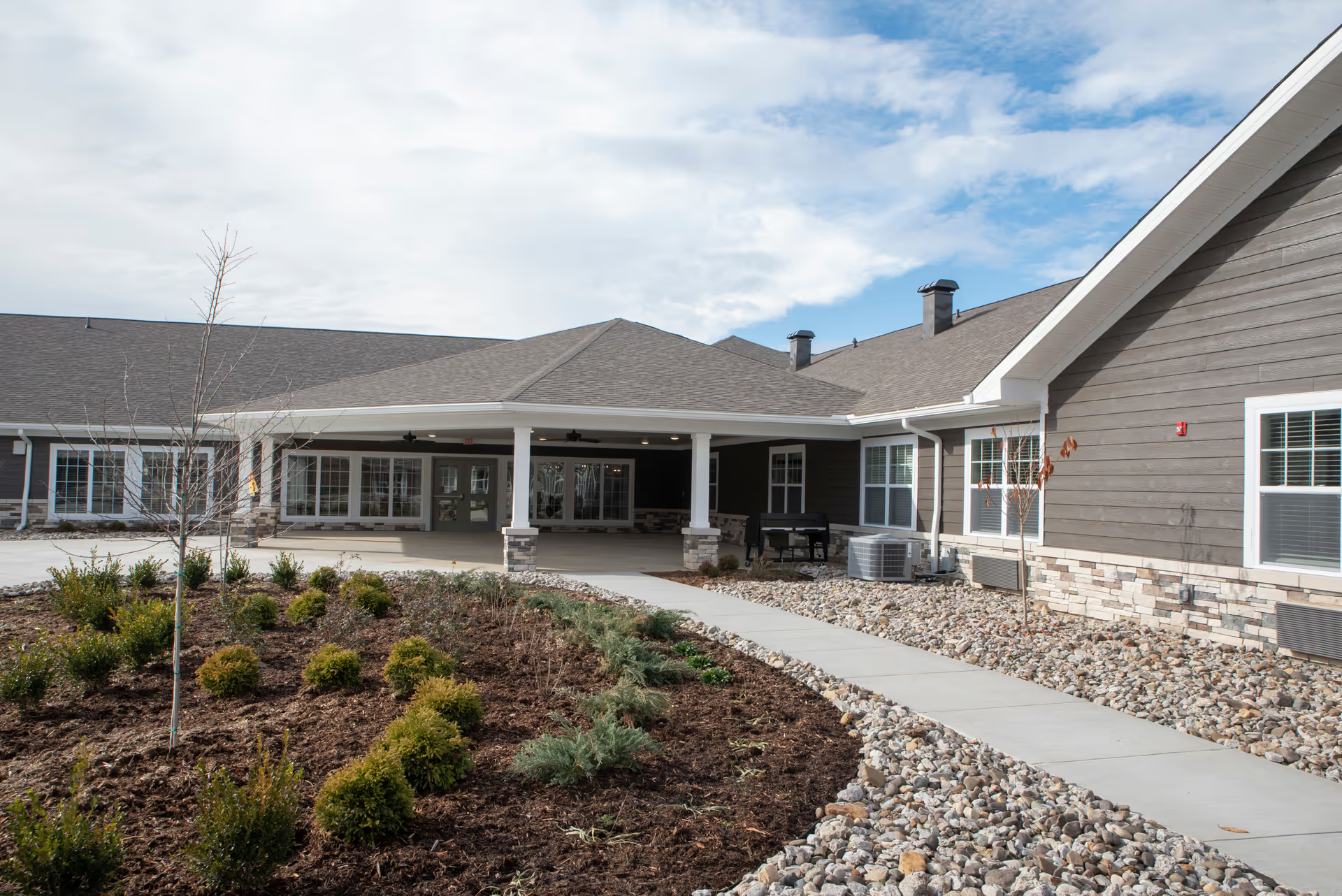
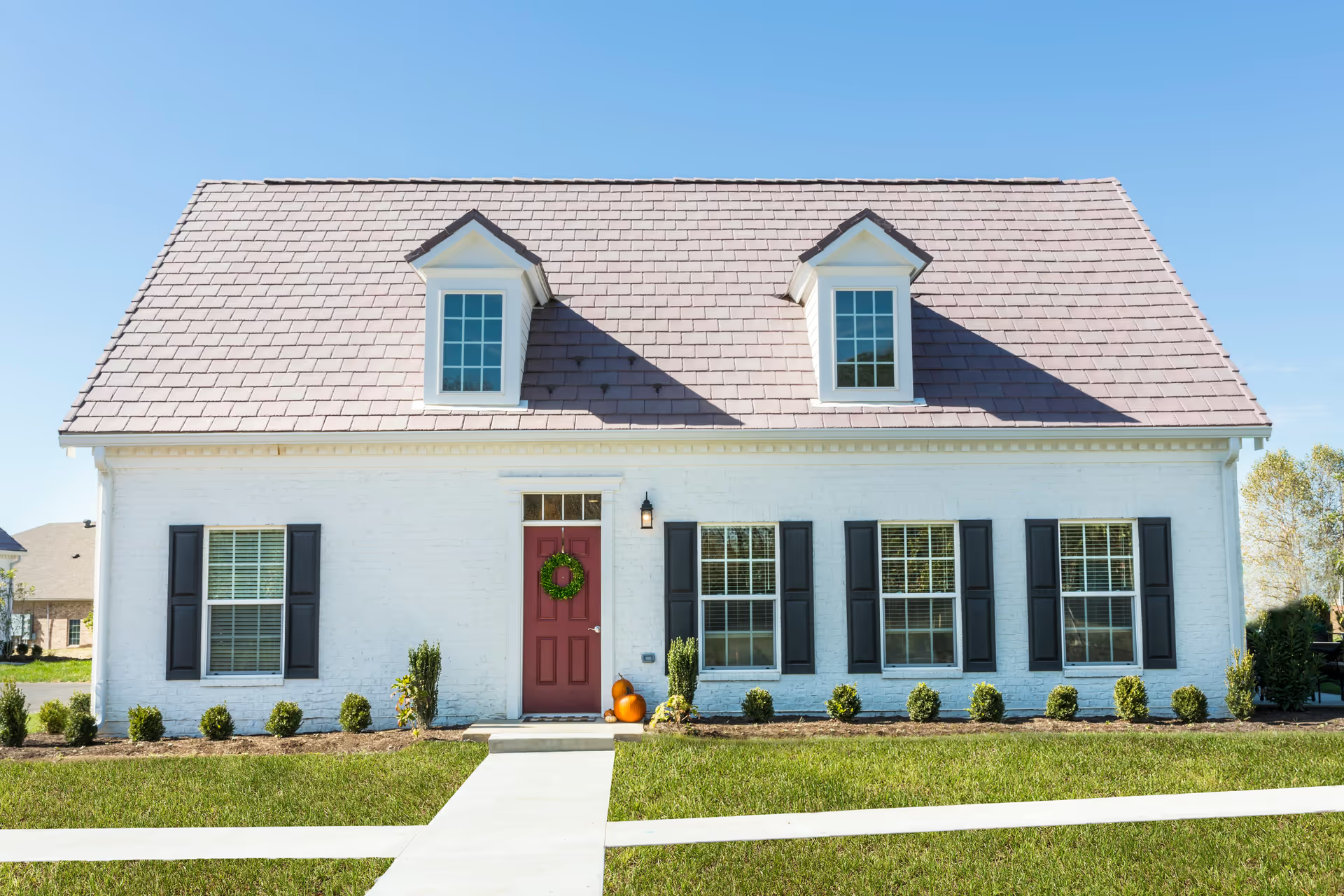
Overall impression: Ashwood Place presents as a clean, well‑kept independent living community with a strong emphasis on social connection and attentive front‑line staff. Reviewers consistently describe a welcoming atmosphere, active programming, and staff who are viewed as caring and responsive. The facility's location near a hospital and medical offices, plus on‑site security and accessible family areas, are frequent strengths cited by families and residents.
Care and staff: Staff interactions are a clear strength. Multiple accounts emphasize compassionate, professional, and proactive employees who provide reassurance to families and support residents' independence. Several families cited specific staff members and managers as helpful during transitions and in day‑to‑day needs. Emergency response capability and watchful staff presence were noted positively. However, there is a consistent operational limitation around higher‑acuity cognitive care: the community is perceived as suitable for independent living and light assistance but may lack the in‑house clinical staffing or specialized programming needed for progressive memory disorders; families often supplement with external sitters or private caregivers when needs escalate.
Dining and nutrition: Dining is a mixed area. Many reviewers praised meals, special events (birthdays) and a cafeteria setup that supports social dining. At the same time, there are repeated comments about inconsistent food quality tied to staffing changes, limited menu variety, and a tendency toward calorie‑dense, carbohydrate‑heavy options that some found lacking in taste or balanced nutrition. Meal timing and spacing were also noted as an occasional concern. These patterns suggest reliable daily service but variable culinary consistency and nutritional planning.
Activities and social life: Activity programming is a notable strength. The community offers a broad, regular schedule — Bible study, music and dancing, bingo, exercise/yoga, library access, therapy equipment, and social hours — that residents say improves mobility, independence, and social connectedness. The size of the community is described as manageable: large enough to sustain varied programming but small enough for residents to form meaningful relationships.
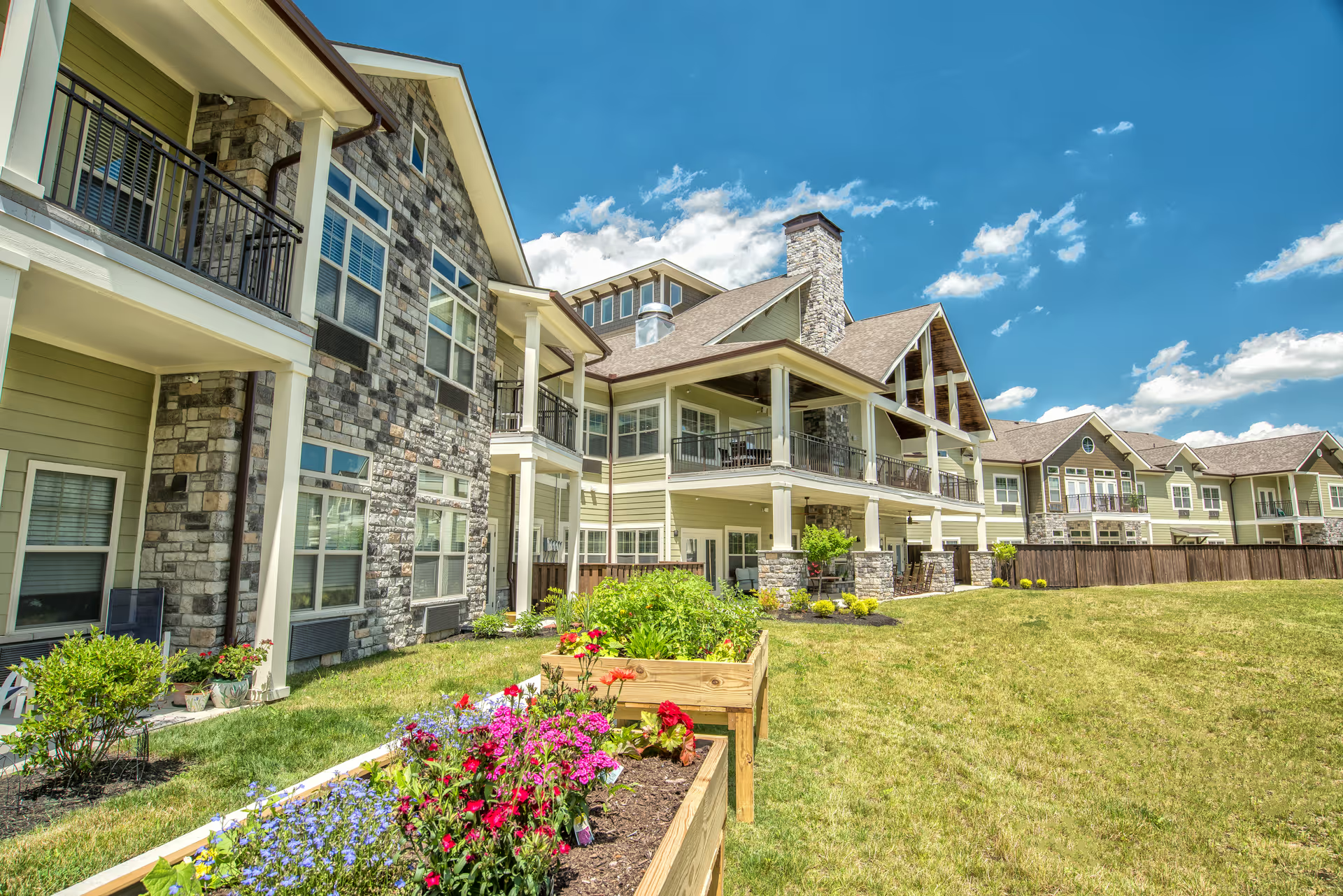
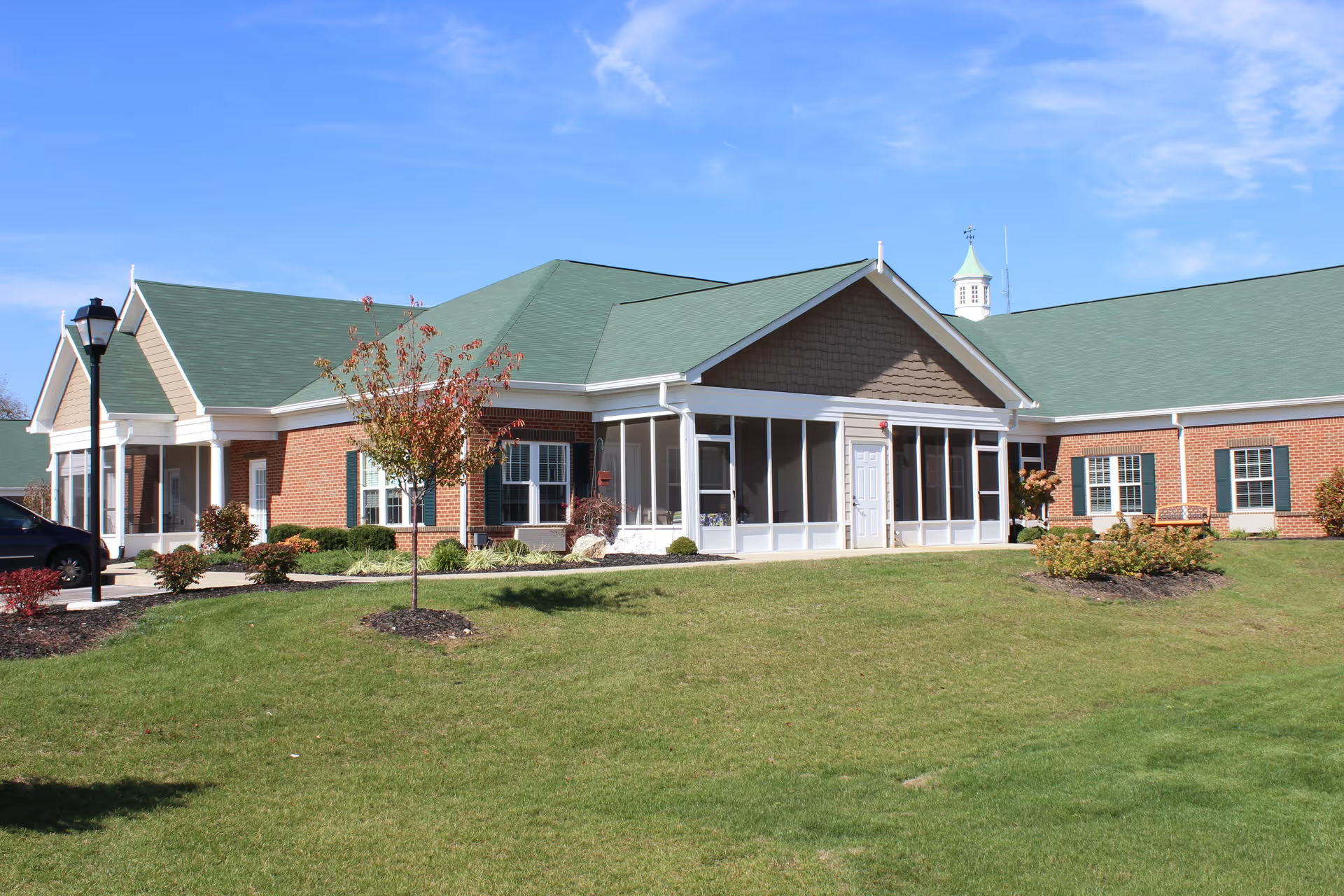
Facilities and operations: Physical areas are described as bright, spacious, and well maintained, with options ranging from studio and one‑bedroom apartments to cottages and patios. Weekly housekeeping and linen service are typical, and personalization of apartments is encouraged. Practical rules (no stoves/hot plates) and limited salon hours and transport windows reflect operational boundaries that families should anticipate. Transportation is available but constrained in frequency and time of day.
Management, costs, and transparency: Tours and admissions experiences are frequently cited as positive — informative staff, helpful tours, and welcoming admissions staff. Conversely, there are concerns about fee transparency and unexpected rent increases, which create financial uncertainty for some families. A perception that management sometimes prioritizes marketing or external events over resident‑centered programming also emerged in multiple accounts.
Who this fits best: Ashwood Place appears well suited for older adults seeking an independent living environment with strong social programming, attentive staff, and convenient access to medical services. Prospective residents dependent on specialized memory care, comprehensive on‑site clinical services, more frequent transportation, or consistently varied and nutrition‑focused dining should evaluate these operational limitations and plan for supplementary services where needed. Families are advised to clarify fee‑increase policies, menu planning and nutritional oversight, and the facility's approach to progressive cognitive impairment during tours and contract discussions.