Overall impression: The facility is described predominantly positively, with repeated emphasis on compassionate caregiving, strong leadership, and a well-appointed, home-like physical environment. Many families praise the staff’s attentiveness, a proactive approach to clinical updates, and visible expertise in memory-care and Alzheimer’s services. Therapy and rehabilitative services receive favorable mention, and the memory-care unit is noted for having lower resident-to-staff ratios and focused clinical oversight.
Care and staff: Reviewers highlight caregiving staff as a central strength—described as caring, energetic, and communicative. Leadership and management are frequently characterized as engaged and family-oriented, with an emphasis on transparent communication and scheduled updates that reduce unexpected events. At the same time, a subset of comments raises operational concerns: staffing levels are not uniformly filled, which can create variability in responsiveness; there are occasional coordination gaps across units or campuses; and some families experienced friction when staff asked families to perform care tasks. Several families also described pressure during care-planning or placement conversations, particularly related to transitions into memory care. These items suggest that while clinical skill and engagement are strong, operational consistency and role clarity may need attention.
Dining and nutrition: Dining is repeatedly described as a strength. Meals are characterized as chef-driven, served in attractive dining rooms with table settings, and adaptable to special dietary needs. Multiple families praised the kitchen and chef specifically. A minority of comments note that food quality can be uneven at times, indicating variability rather than a uniform problem.
Activities and social life: The activities program is robust and varied, offering daily options (exercise classes, crafts, games) and recurring family-focused events such as monthly dinners and family days. Reviewers consistently describe residents as engaged and happy with programming. The activities department and director receive positive mention for accessibility and enthusiasm.
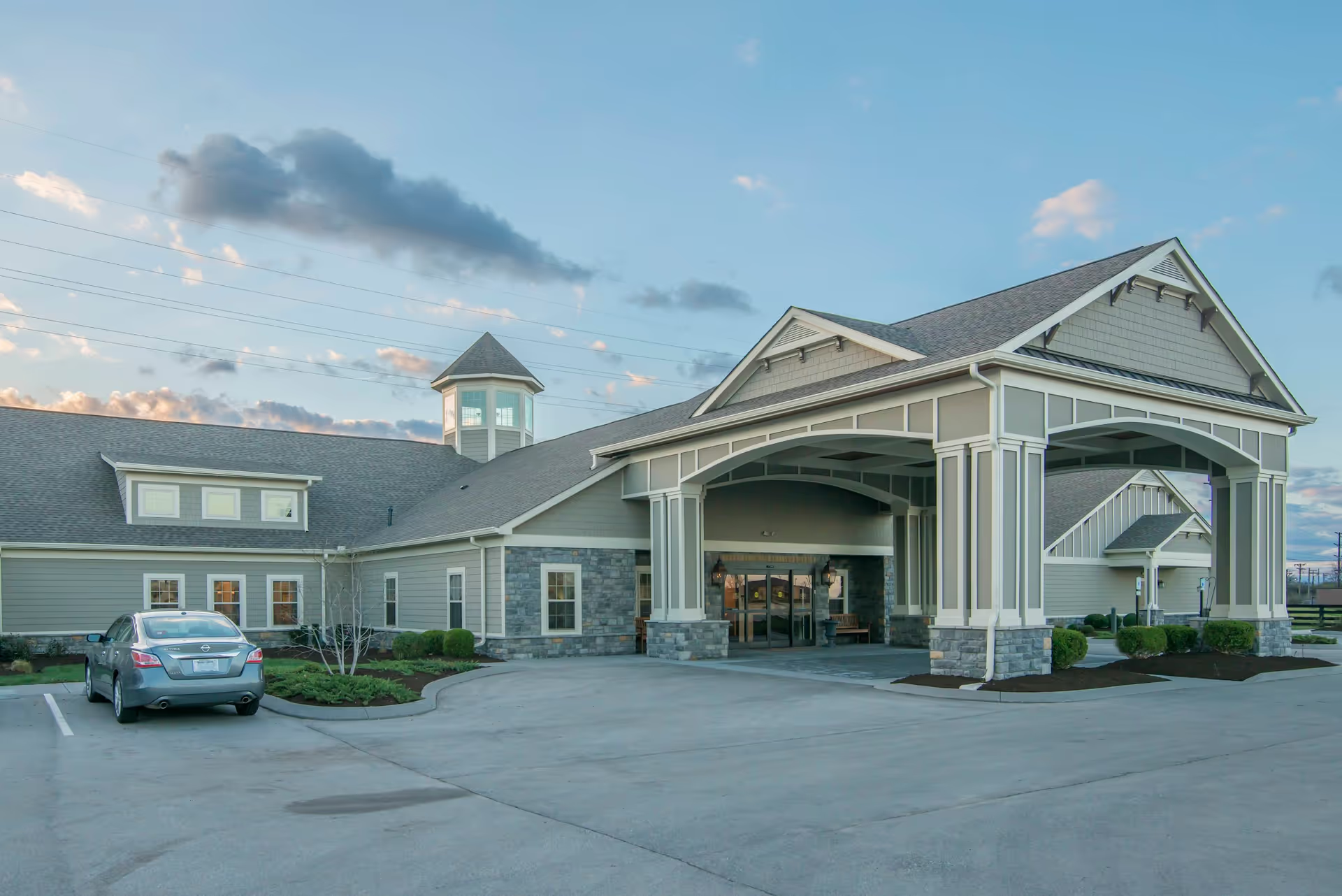
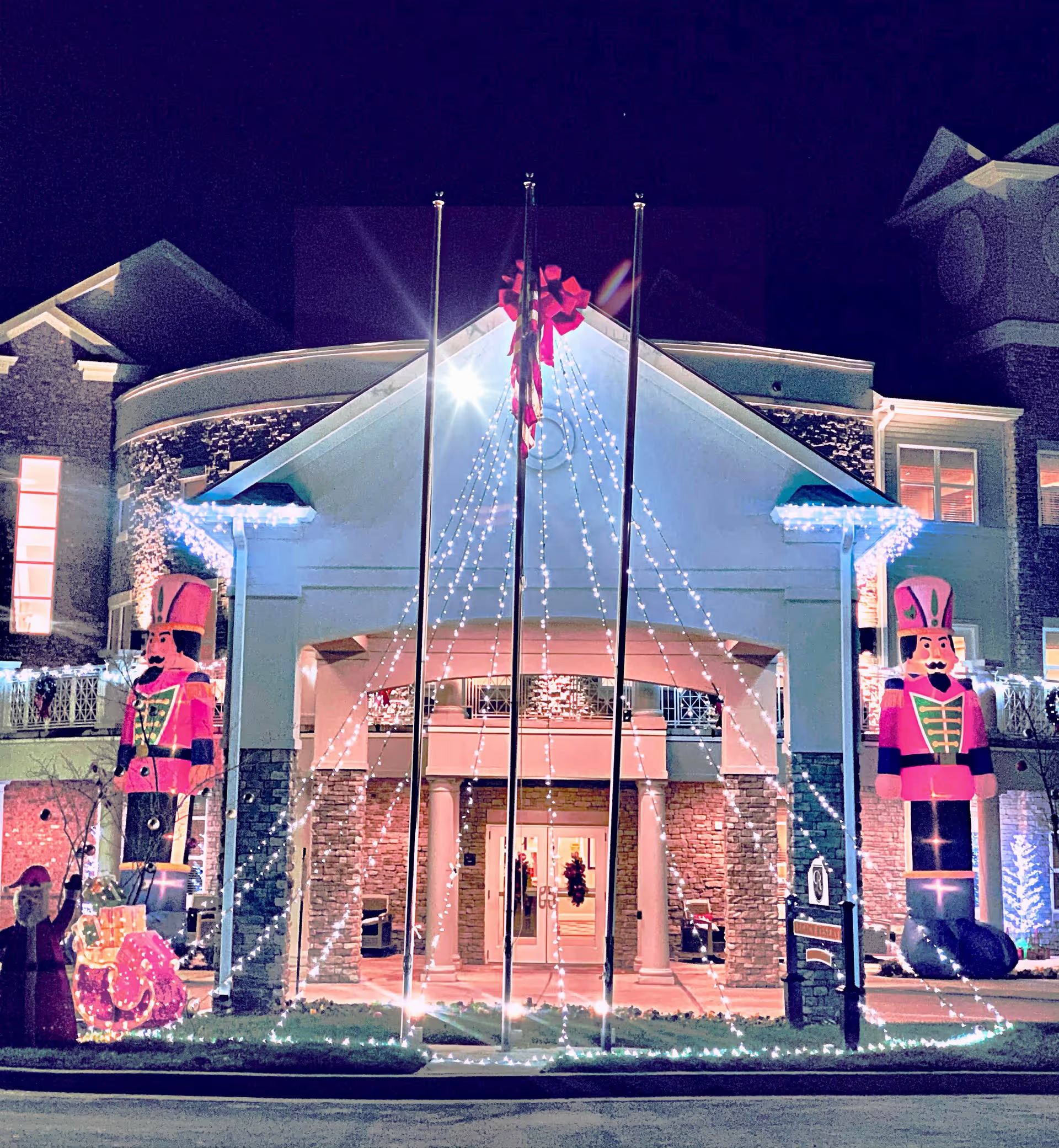
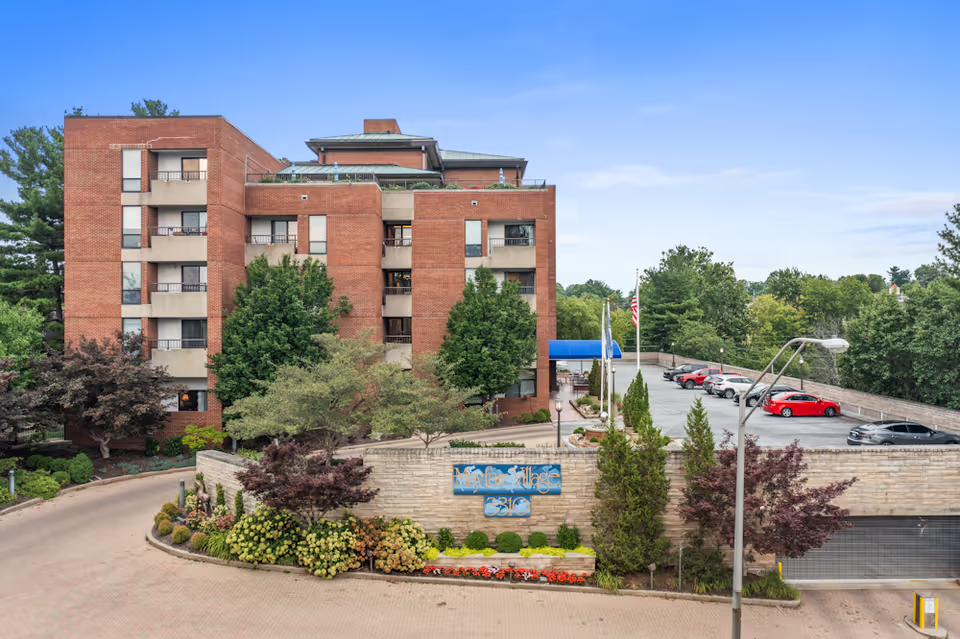
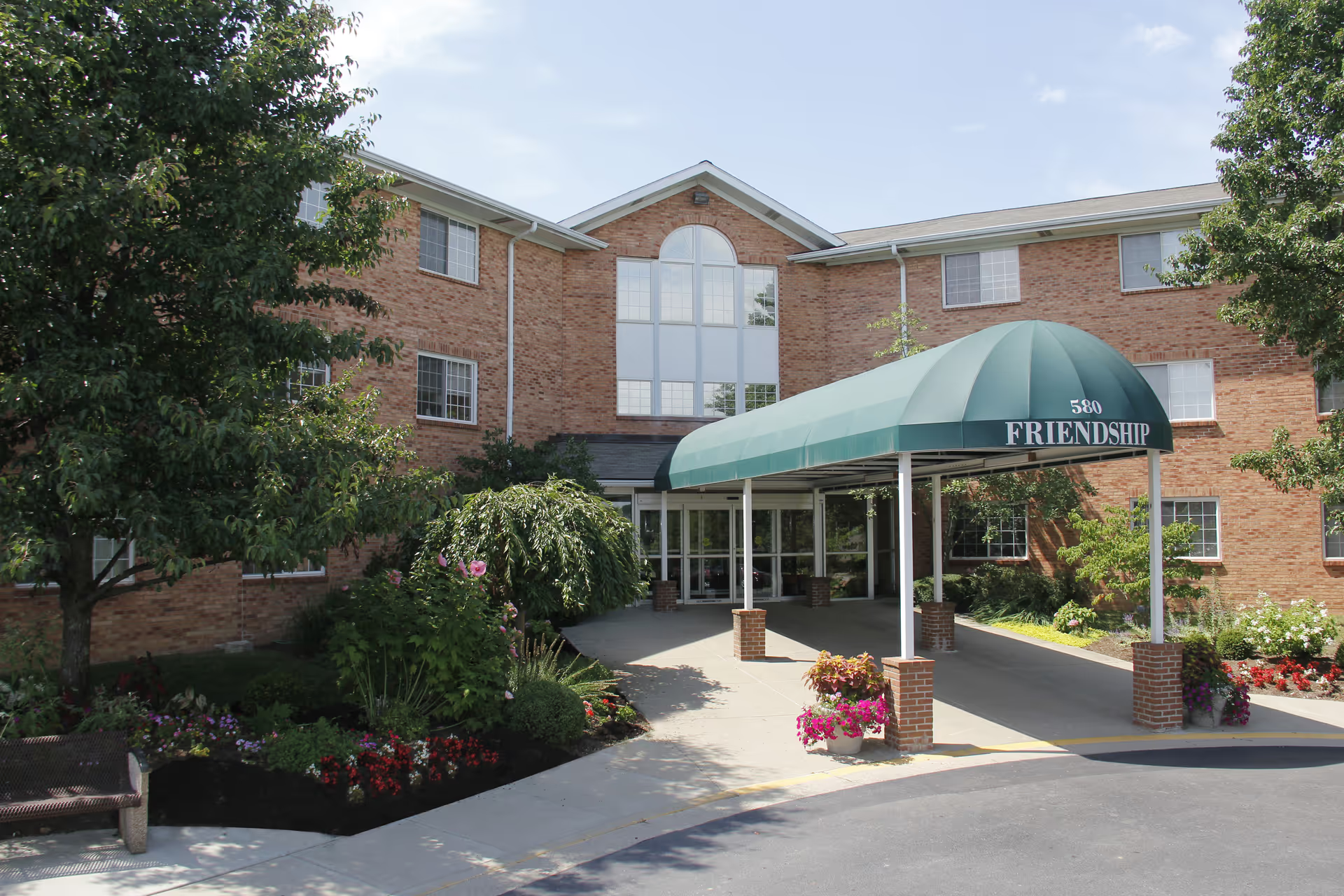
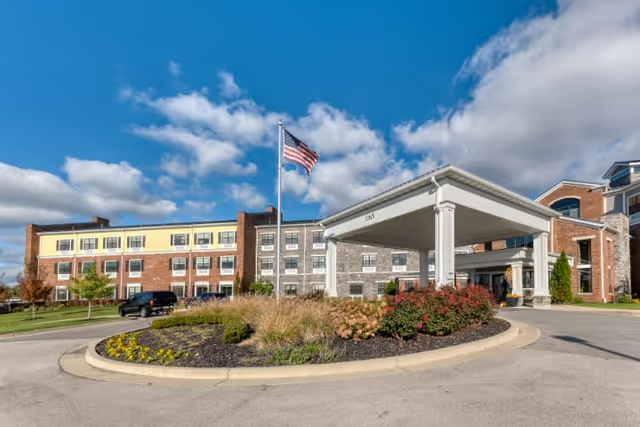
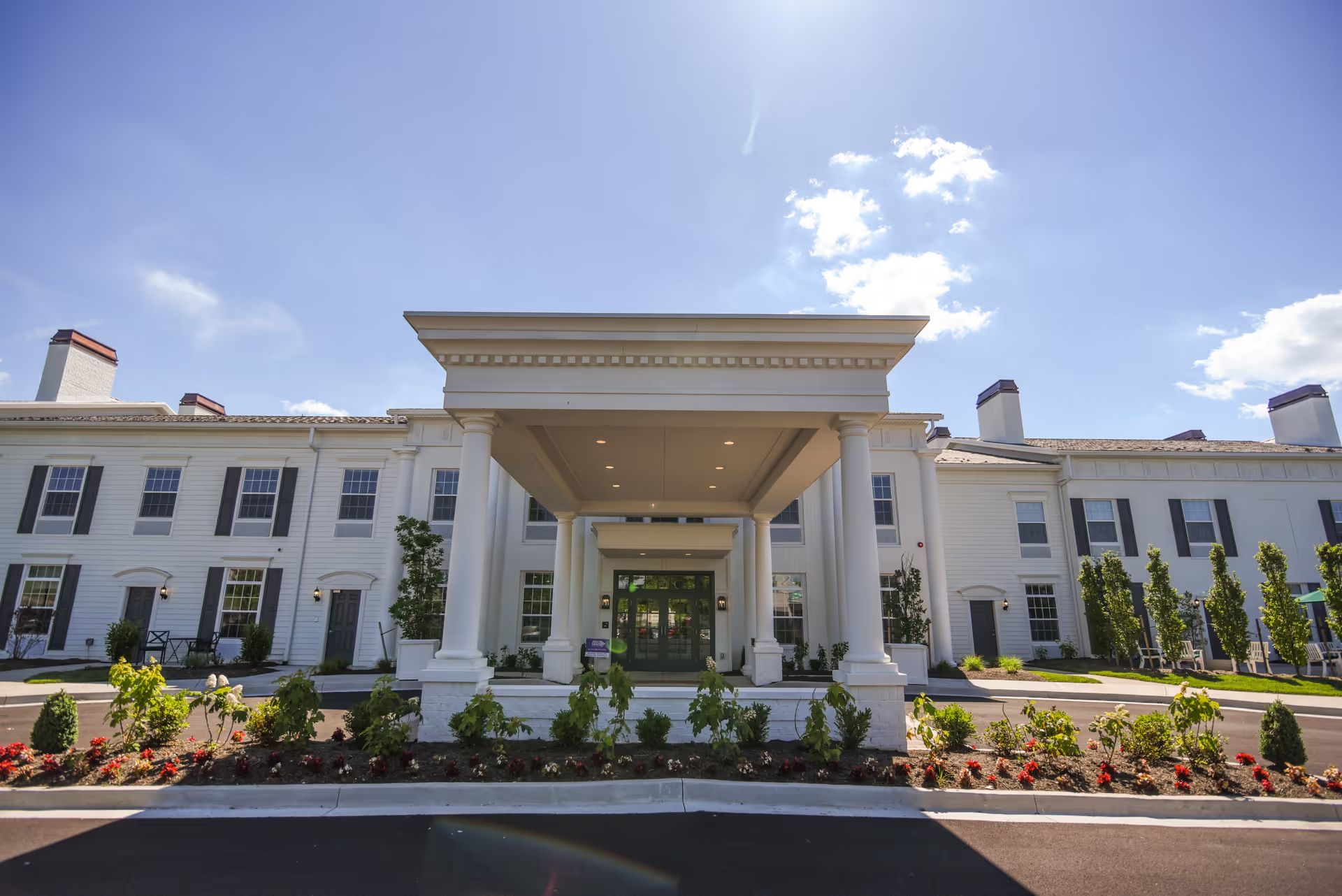
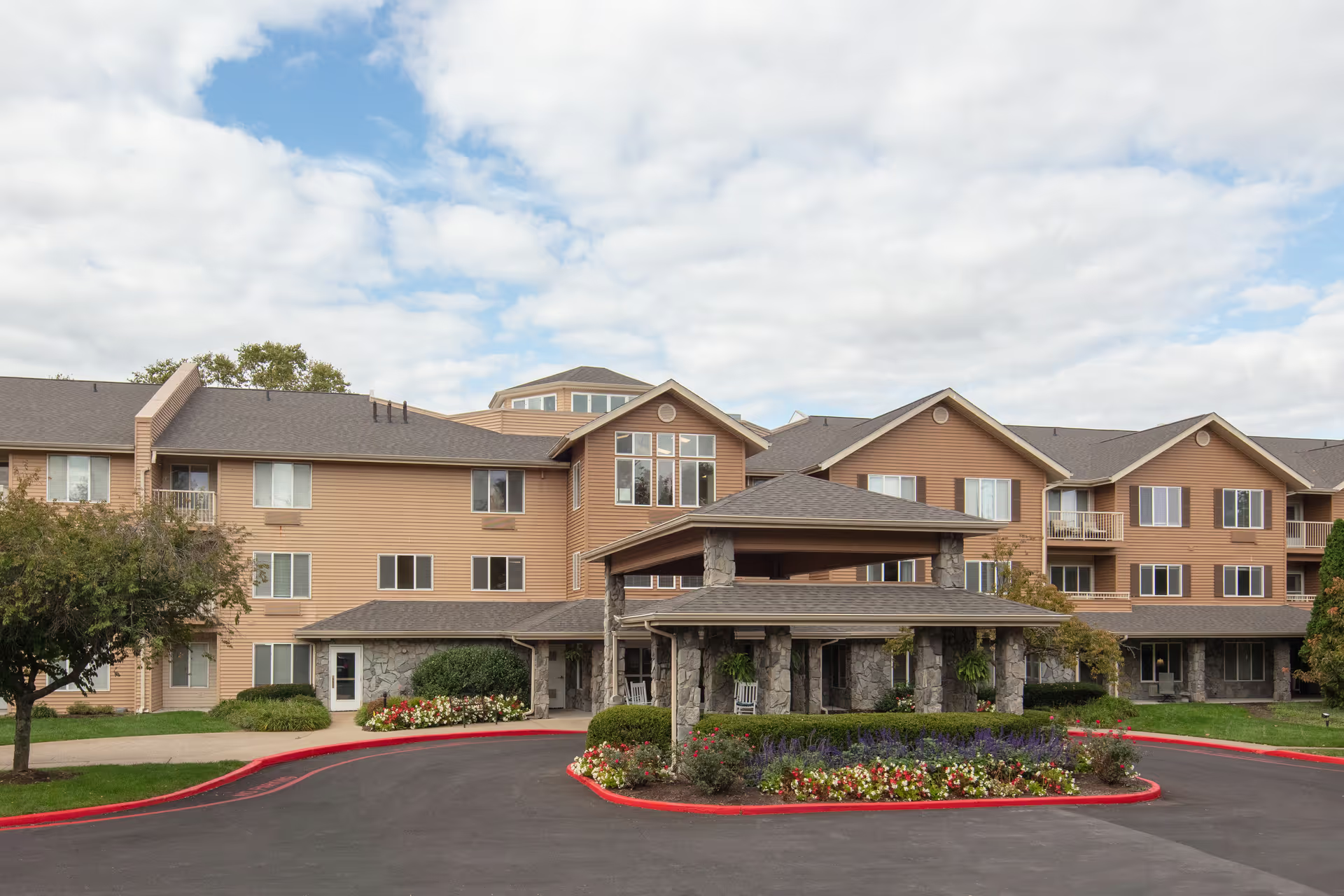
Facilities and environment: The physical plant is repeatedly described as new, clean, and well-furnished (including high-end common-area furniture), with wide hallways, pleasant common spaces, and accommodations for couples. The memory-care neighborhood is often noted as detached and purpose-built. Cleanliness and a home-like feel are common positive themes.
Management and notable patterns: There is a clear pattern of high family satisfaction driven by attentive caregiving, active leadership, and a strong activities/dining program. Counterbalancing this are recurring operational themes: perceived high cost relative to value, pressure-oriented placement or care-planning conversations, variability in staffing coverage, and occasional ambiguity about memory-unit admission criteria. These concerns do not dominate the overall tenor of reviews but are sufficiently consistent that prospective families should discuss cost structures, care-planning processes, staffing levels at the time of move-in, and specific bathing/personal-care schedules during tours.
Recommendation guidance: For families prioritizing dementia-specialized care, therapeutic services, and an active social program in a clean, new facility, this location appears well-suited. Prospective residents and families should confirm current staffing ratios, clarify memory-unit admission criteria and care-planning practices, and review contract/cost details to ensure expectations about frequency of personal care, the role of family in care tasks, and overall value alignment are clear before committing.