The reviews describe a facility with clear strengths in clinical rehabilitation, dining, and many elements of bedside care, alongside persistent operational weaknesses that families should weigh. Positive comments frequently highlight a skilled therapy department (PT/OT) that achieves measurable recovery and pain control, a culinary team that provides appealing meals and accommodation for dietary needs, and an active activities program that supports social engagement. Many families praised individual nurses, aides, and therapists as compassionate and attentive, and several reviewers noted effective transportation and discharge planning that eased transitions back to home.
Care-quality impressions are mixed. Where rehabilitation and coordinated clinical care are described as strong, reviewers also describe recurring lapses in basic assistance and hygiene support. Specific operational themes include delayed responses to call lights, inconsistent bathing and toileting assistance, and concerns about timely medication administration and documentation. These issues have operational implications for resident dignity and comfort; they also relate to fall-prevention and wound-management practices that some families found inadequate. Positive clinical outcomes coexist with instances where families observed delays in diagnostics, medication, or assistance.
Staffing and communication are recurring drivers of reviewer experience. Many accounts emphasize compassionate and hardworking direct-care staff, while simultaneously noting chronic understaffing, high staff turnover, and inconsistent deployment of nursing personnel. This staffing variability appears linked to slower responsiveness, gaps in routine care, and uneven handoffs. Family communication is another area of concern: reviewers describe difficulty reaching staff after hours, inconsistent updates about clinical events (labs, imaging, or condition changes), and unclear criteria for discharge or level-of-care determinations.
Dining and activities are among the facility’s stronger elements for many residents. The culinary program and dining-room presentation receive repeated praise, including menu variety and accommodated allergies; a subset of comments, however, describe less variety or repetitive menus in particular units. Activities programming — concerts, games, social hours — is consistently noted as beneficial to mood and engagement, particularly when activity staff are proactive and present.
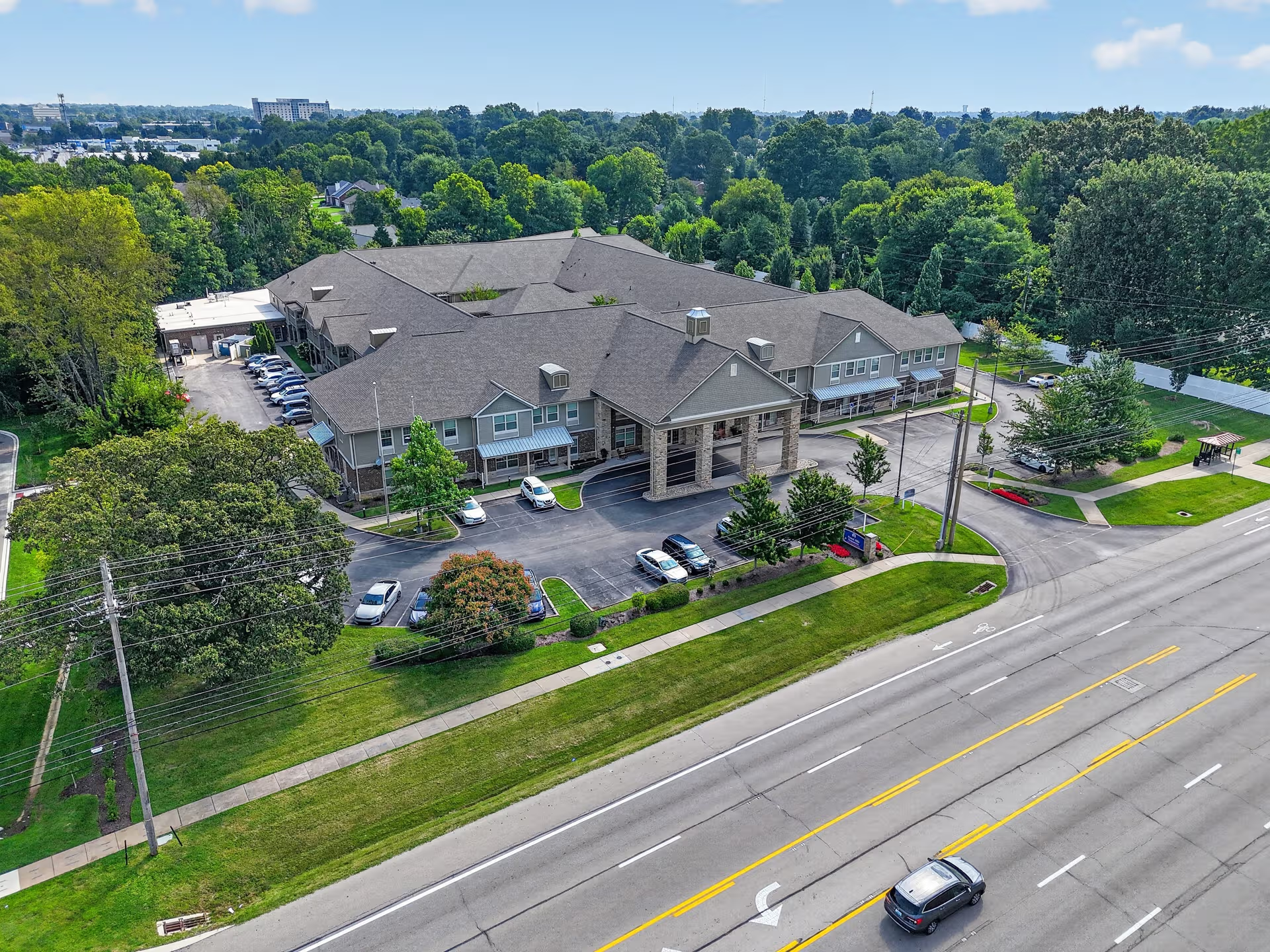
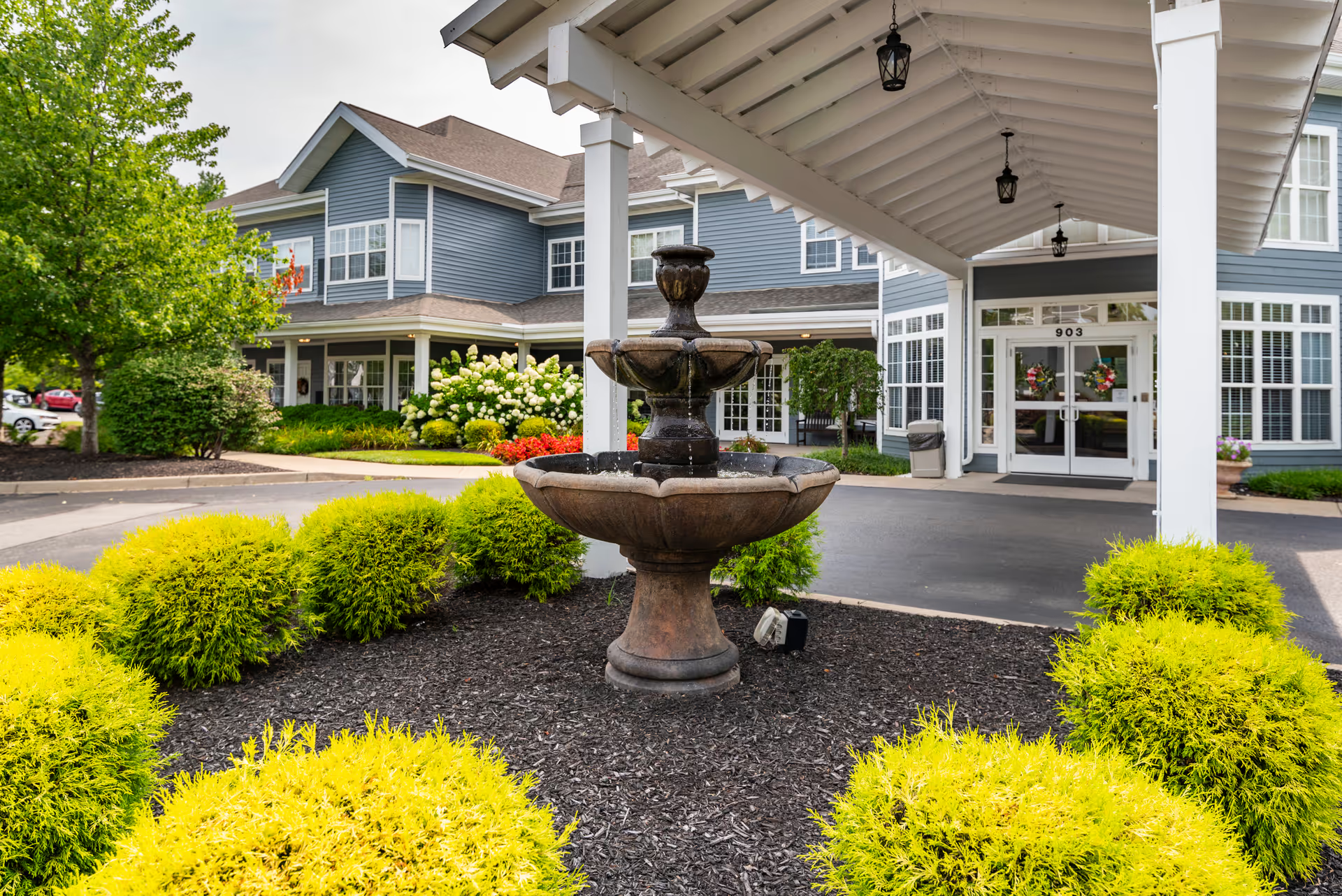
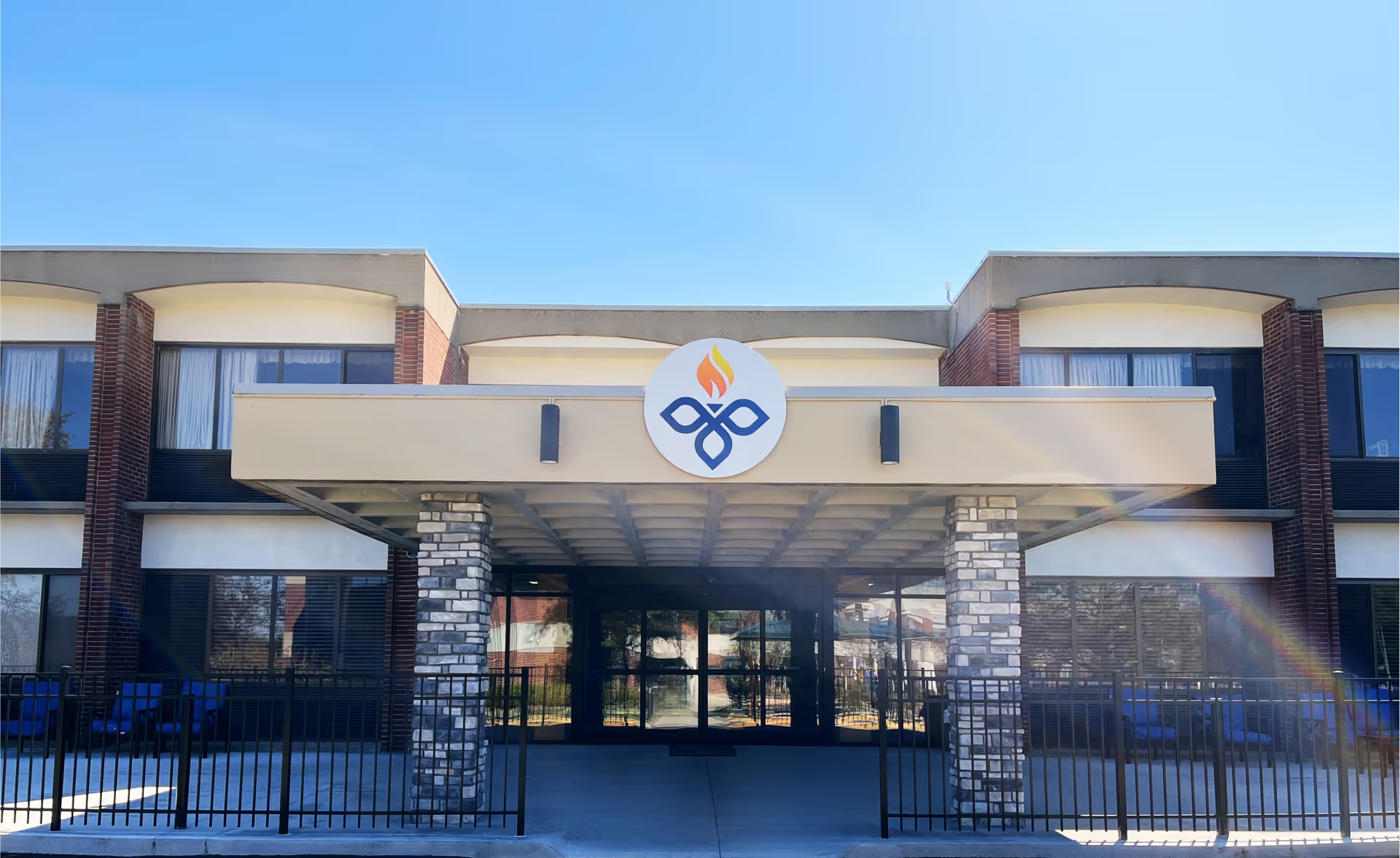
Facility condition and maintenance present a mixed picture. Several reviewers note clean rooms and communal areas and describe the environment as welcoming. Others cite worn furnishings, aging fixtures, and occasional repair-quality concerns that affect perceived upkeep. Infection-control practices and vaccination policies were mentioned as inconsistent in isolated accounts, and a few families raised concerns following adverse clinical outcomes; these comments underscore the importance of verifying current policies and oversight.
Management and accountability concerns are prominent in the negative comments. Themes include perceived poor follow-through from leadership, unclear incident-response processes, and variable enforcement of standards across units. While many families felt reassured by individual staff members and by positive rehabilitation outcomes, others felt management communication and incident follow-up were insufficient. A small number of reviews raised serious individual concerns about clinical outcomes; those items warrant direct inquiry with facility leadership and review of any available regulatory findings.
Overall, Glen Ridge Health Campus presents as a rehabilitation-capable campus with strong therapy services, an engaged activities program, and many caring frontline staff members. Prospective residents and families should balance these strengths with documented operational issues: inconsistent responsiveness, staffing variability, communication gaps, and maintenance concerns. When considering placement, ask for current staffing ratios, call-light response metrics, medication-safety protocols, incontinence- and bathing-assistance policies, recent inspection or quality reports, and examples of how management addresses incident follow-up. Visiting during mealtime and an activities period, and speaking directly with the therapy and nursing leads, can help assess whether the facility’s strengths align with an individual resident’s needs.