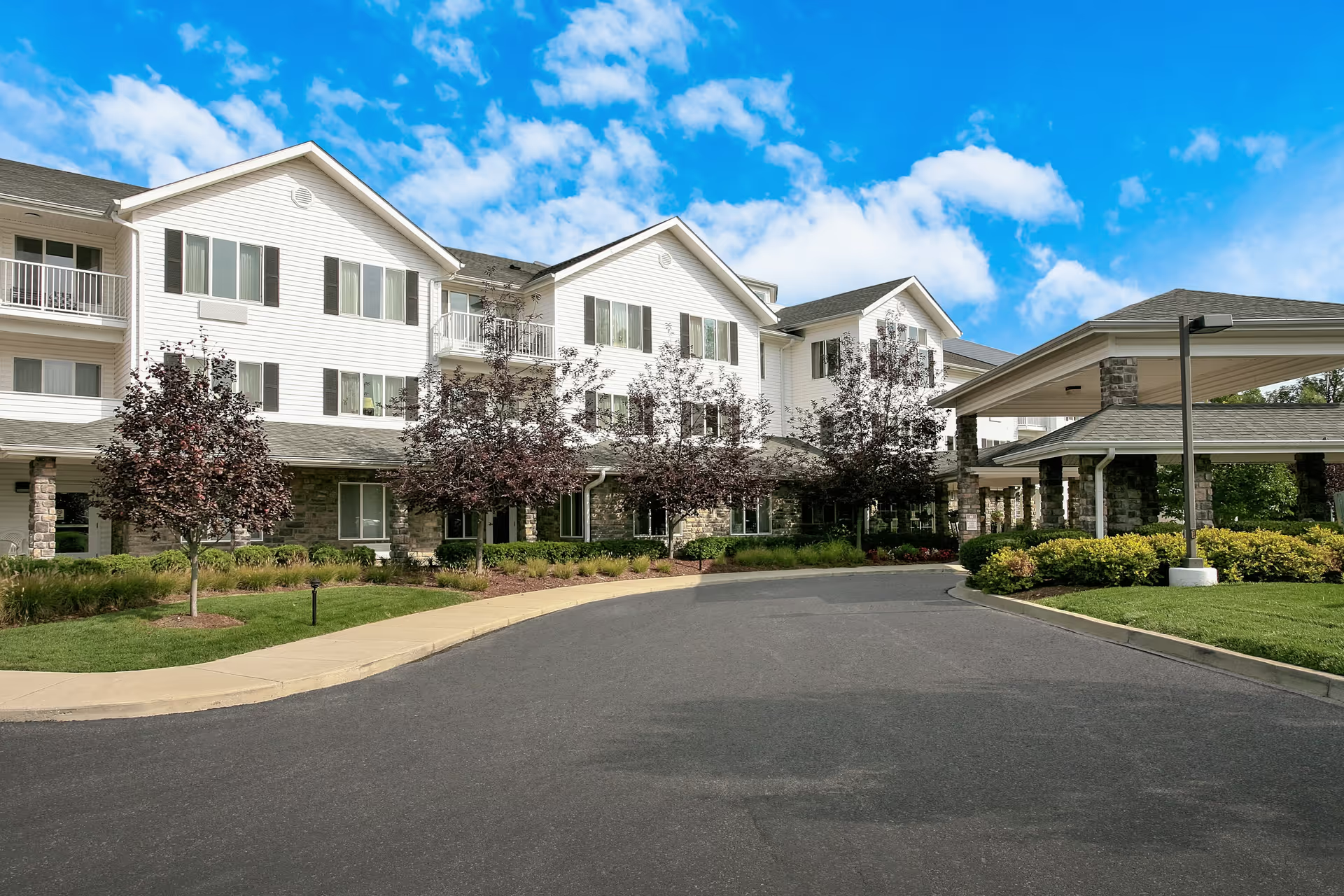
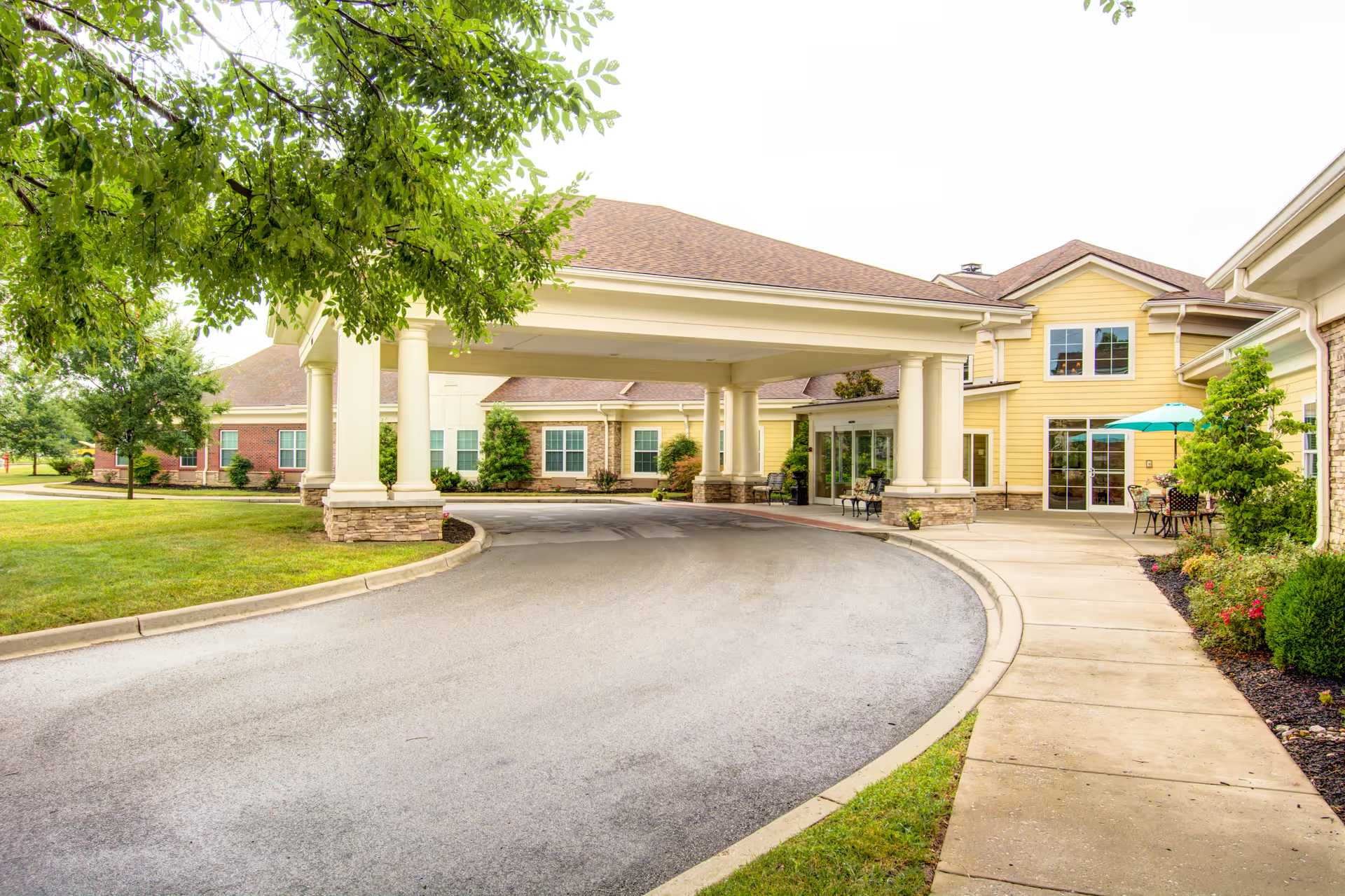
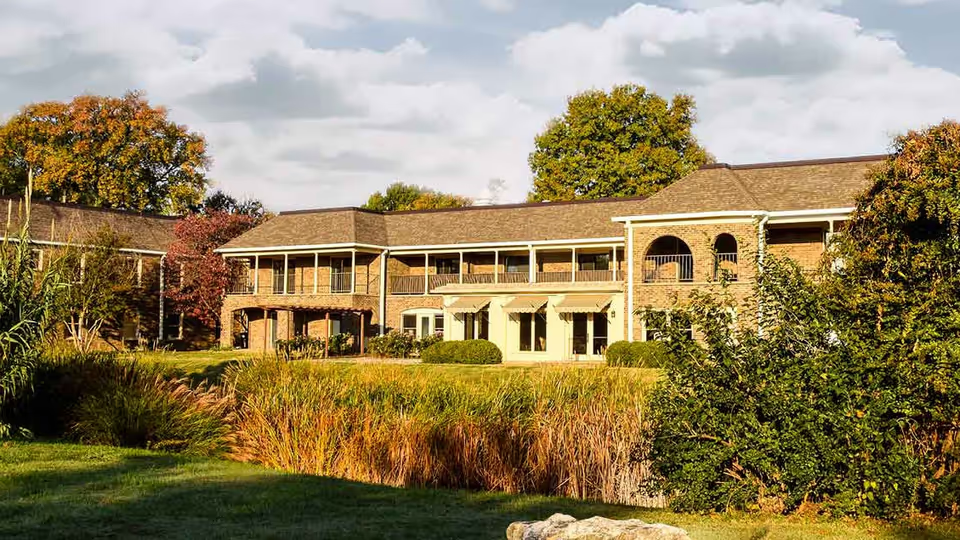
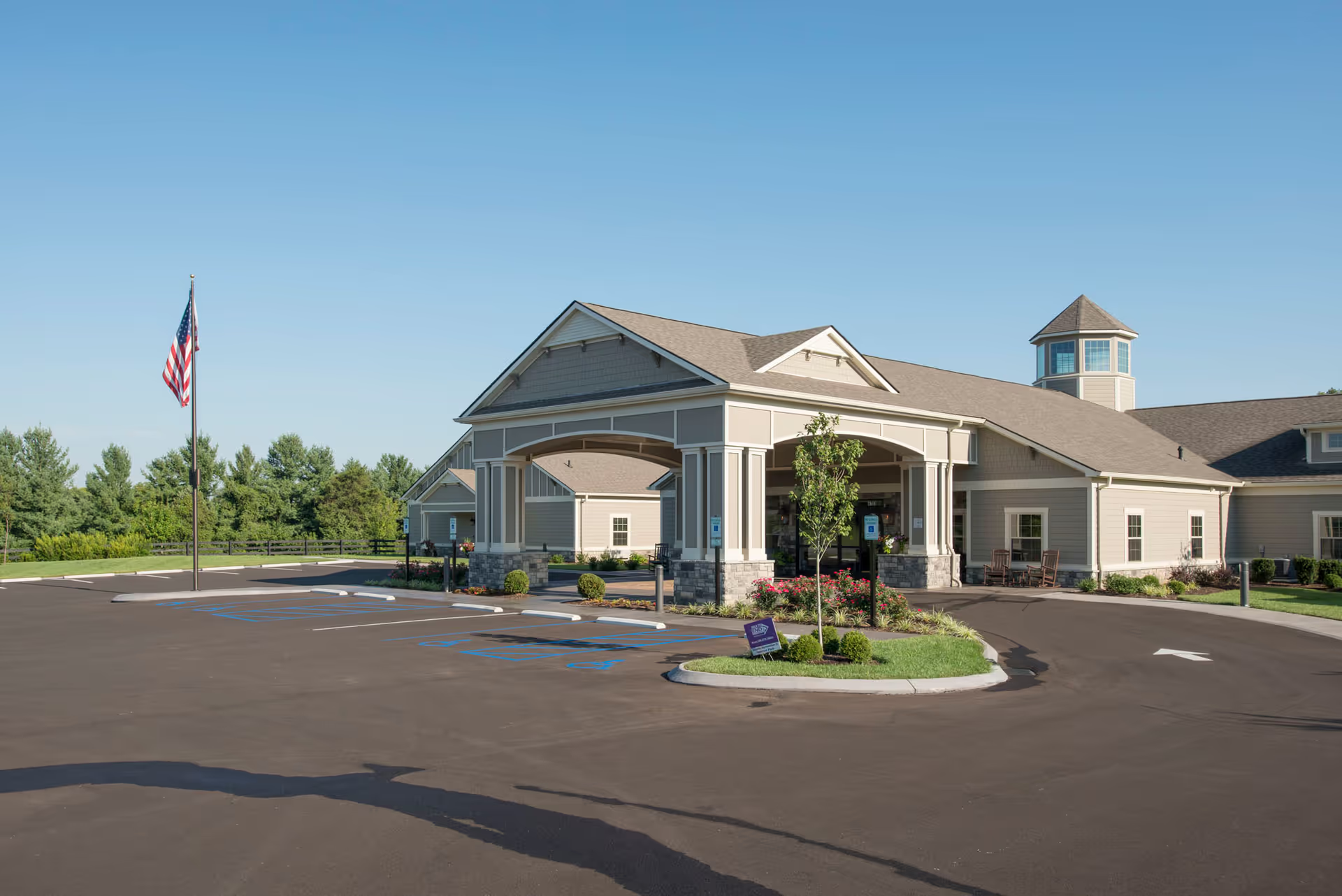
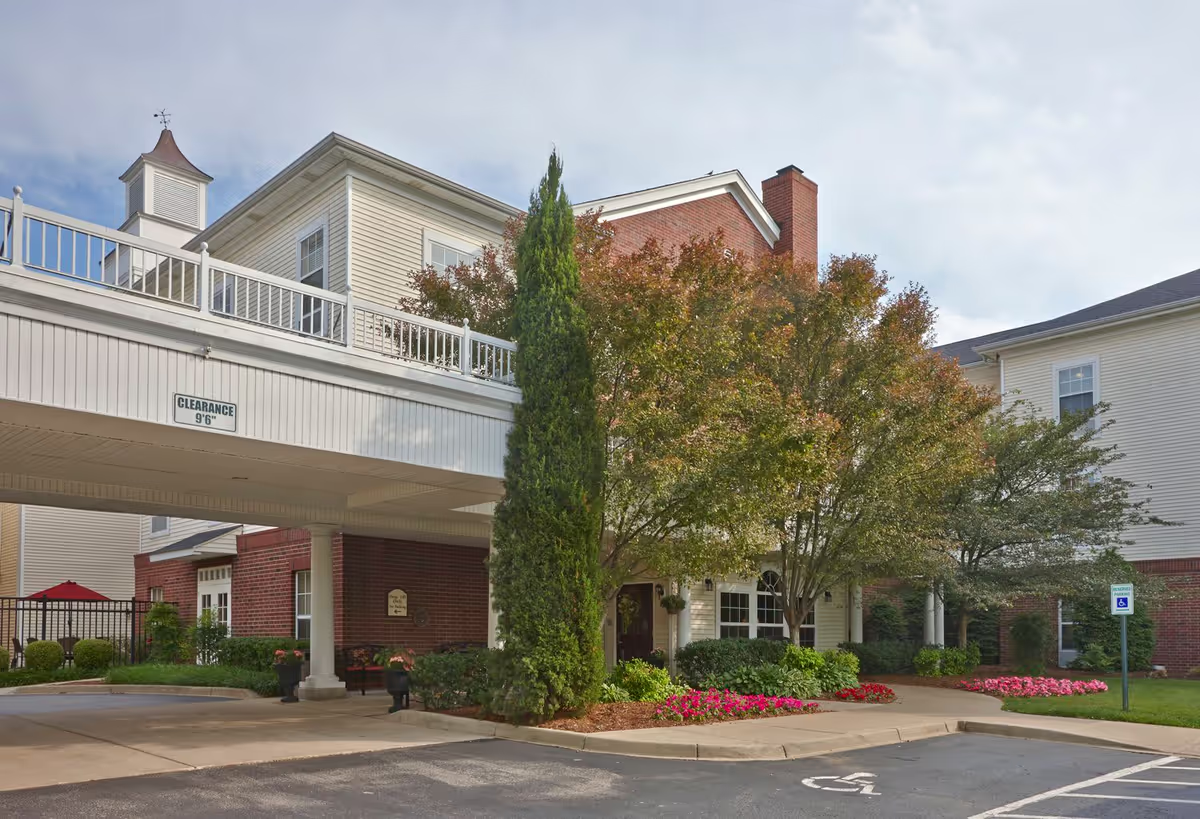
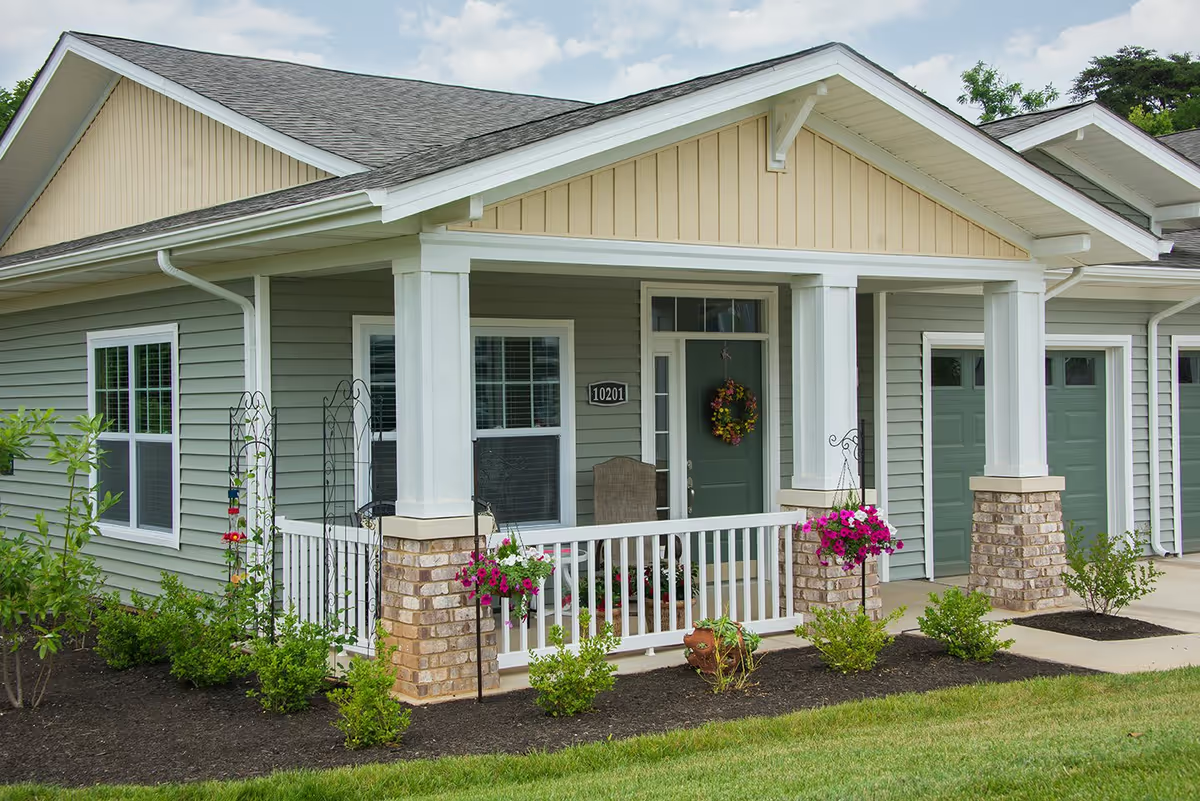
Overall impression: Reviewers consistently describe a home-like memory care community with a clear emphasis on compassionate, resident-centered caregiving. Families highlight staff warmth and attentiveness, frequent direct communication from management, and a strong housekeeping program that keeps private apartment units and common areas tidy. The facility's aesthetic features — multiple dining rooms, courtyards, a garden patio and general cleanliness — reinforce the non-institutional atmosphere many callers found appealing.
Care and staffing: Several comments emphasize caring, engaged staff and availability of nursing personnel and medication management. Staff–resident interactions are commonly described as respectful and familiar, and families report that the team knows residents personally. At the same time, reviewers indicate the facility has limits on clinical acuity; there are suggestions that residents with more intensive medical or care needs may not be appropriate for this setting. This is an operational boundary prospective families should clarify during assessment and admission planning.
Dining and nutrition: Meal service is repeatedly noted as a strength. House kitchen staff are described as attentive and providing three meals per day plus snacks, with positive remarks about food quality. Dining is organized into multiple sections, which may support smaller-group meals and a less institutional dining experience.
Activities and social life: The activities program appears broad and active, offering music, therapy visits, games, crafts, regular programming such as bingo and movie showings, and outdoor access to courtyards. These options contribute to resident engagement for many, though reviewers also observe variability: residents with higher levels of cognitive or physical impairment spend more time in rooms and are less engaged. Prospective families should assess how the activities team individualizes programming for varying acuity levels.
Facilities and ancillary services: The location is described as fairly new and well maintained, with pleasant outdoor spaces. Private apartment units are appreciated for size and privacy, though several reviewers note the rooms are compact. Ancillary services such as the on-site salon may not be consistently staffed, so families should confirm availability of optional services and schedules.
Management and policies: Ownership and leadership are portrayed as accessible and communicative, with flexible visitation practices during infection-control periods. Pricing perceptions are mixed; some families view the cost as affordable relative to services, while others consider it expensive. Clarifying fees, what is included, and the facility’s policy for higher-acuity care or transfer decisions is recommended.
Notable patterns for decision-making: The strongest recurring positive themes are compassionate staff, cleanliness, a homelike environment, active dining, and a varied activities program. The primary operational limitations to investigate further are room size constraints, pricing structure, inconsistent availability of certain ancillary services, and the facility’s clinical scope for residents who require more intensive medical care. Families seeking a warm, apartment-style memory care setting should weigh these strengths against the facility’s boundaries on higher-acuity care and confirm how programming is tailored to residents with advanced cognitive or physical needs.