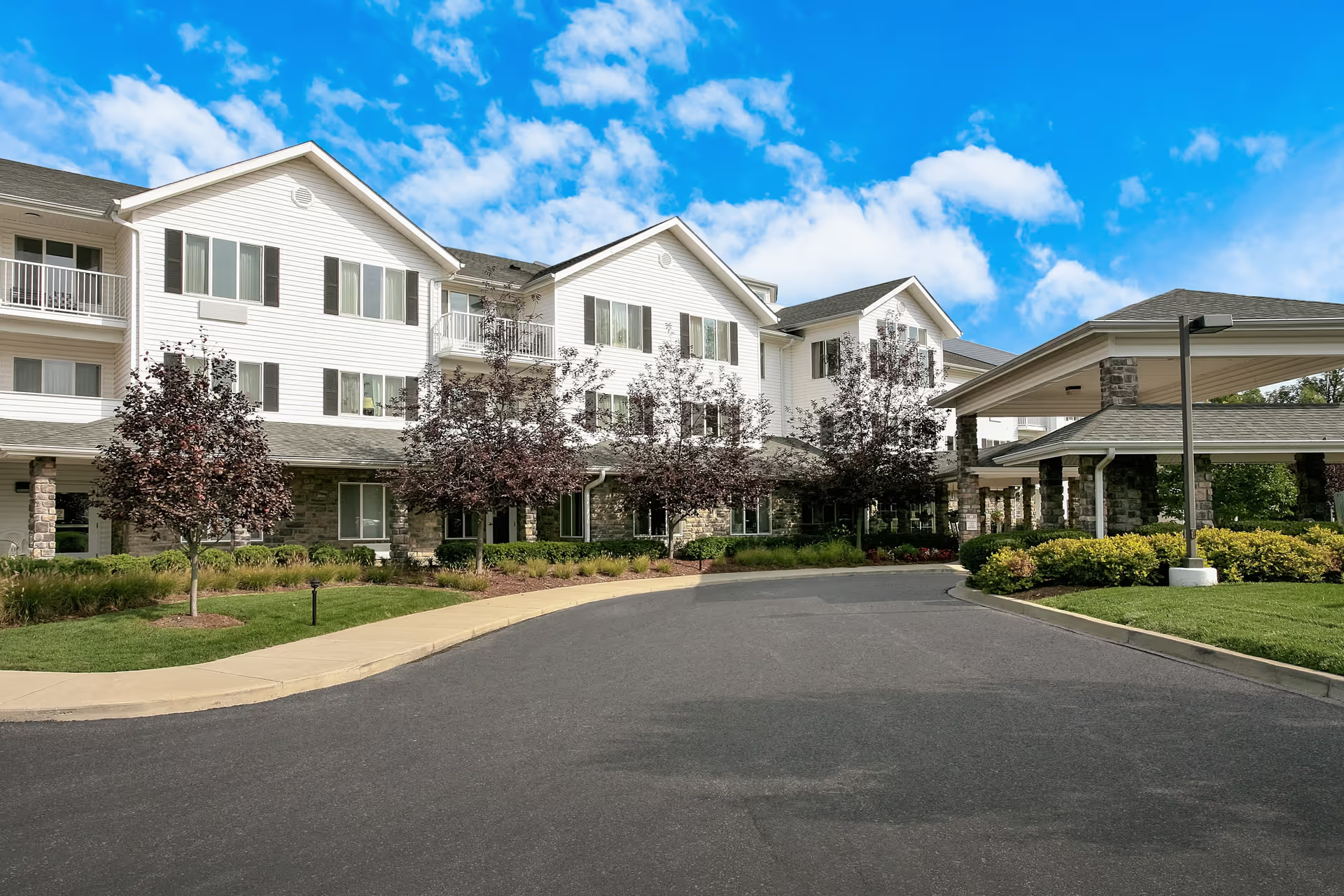
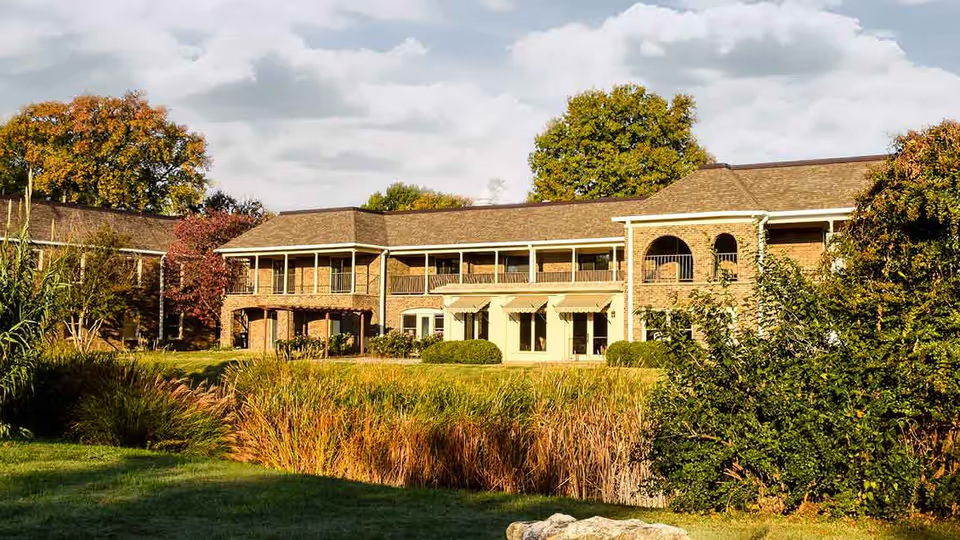
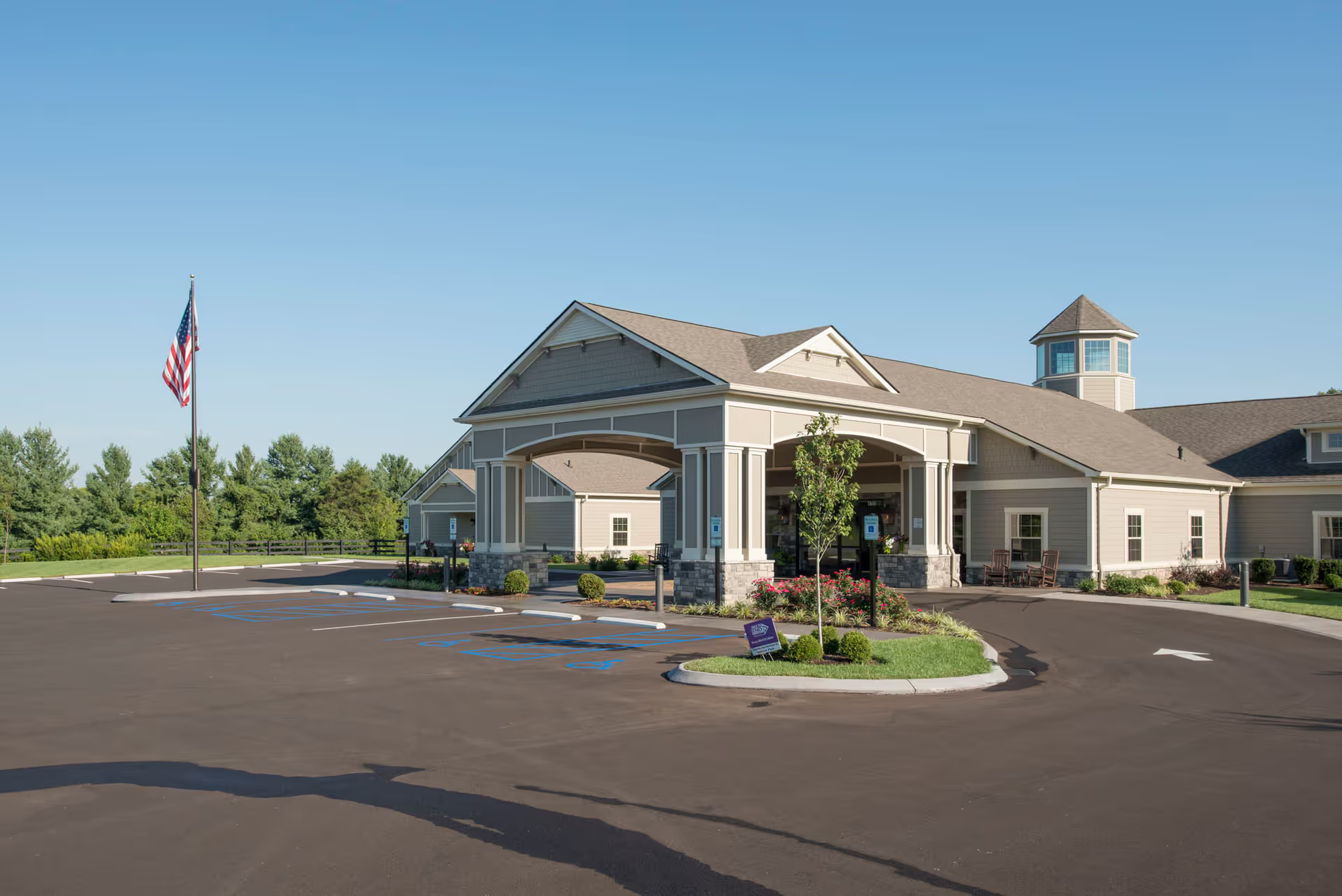
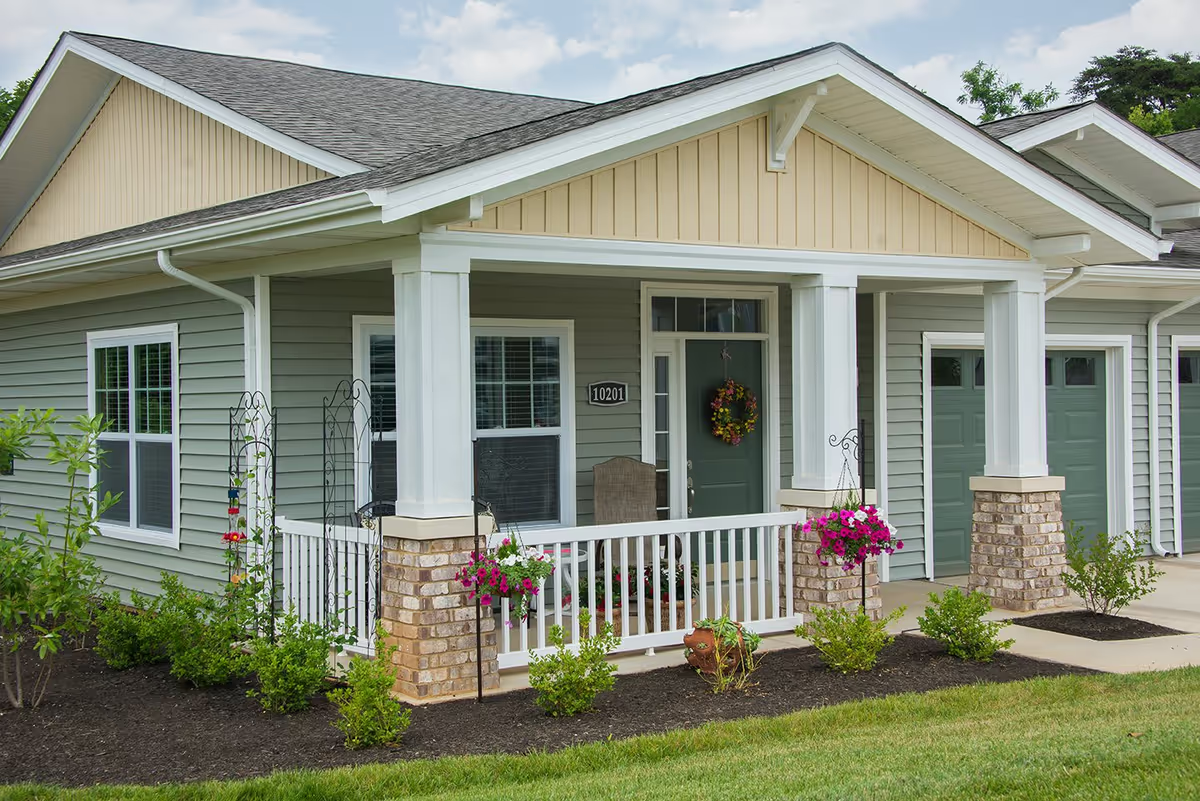
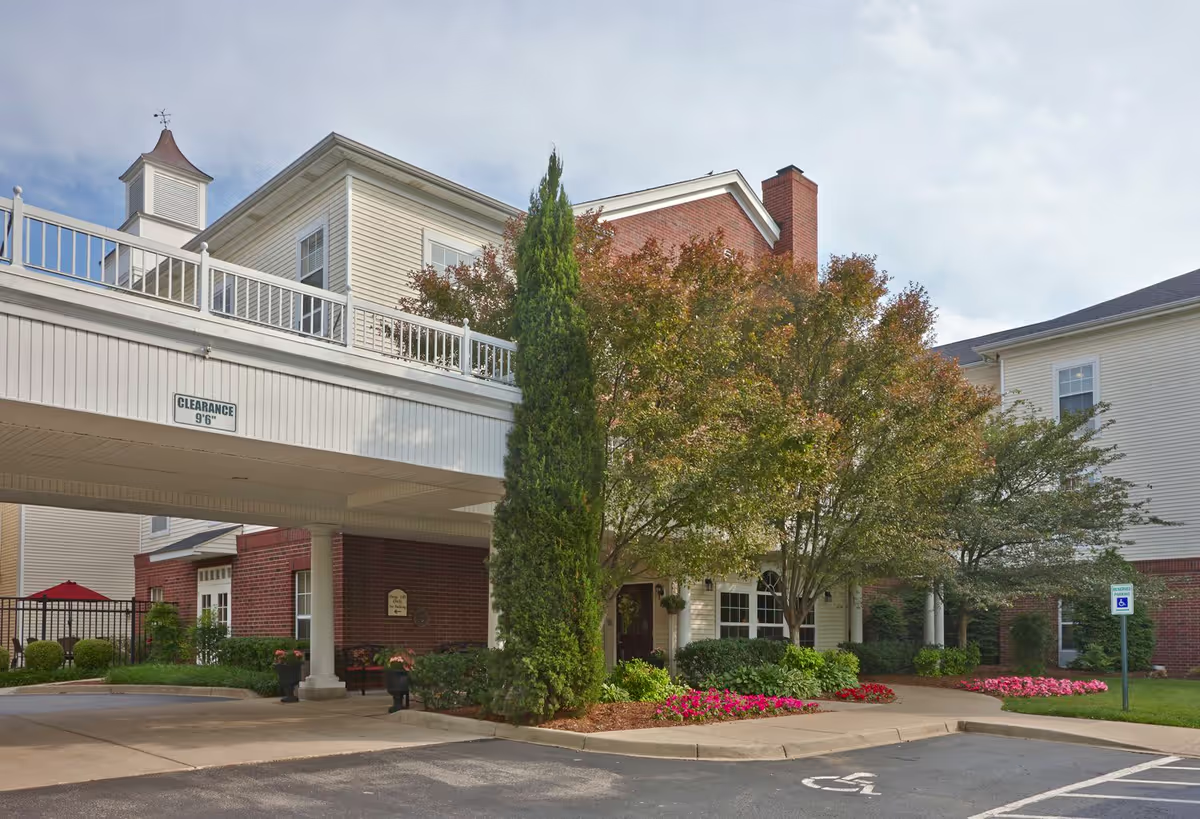
Symphony at Valley Farms elicits strongly polarized impressions. Many families and observers praise the physical campus, describing a bright, well-decorated building with spacious apartments, attractive common areas, a movie theater, salon, fitness area and pleasant grounds. On-site therapy/rehabilitation services, scheduled transportation, and a range of social activities are cited as real strengths when staffing is stable. Numerous reviewers describe direct-care staff as warm, attentive and resident-focused, and several families credit the caregiving team and therapists with measurable improvements in loved ones' mobility and mood.
At the same time, a consistent pattern of operational weaknesses appears across the feedback. Staffing stability is a central concern: high turnover and chronic understaffing — particularly on evening and night shifts — are linked to delayed responses, inconsistent bathing and medication timing, and gaps in supervision. Several comments raise concern about clinical capability when residents require higher-acuity nursing or dementia-specific care; examples include reliance on less-experienced nursing personnel in leadership roles and admissions of residents whose needs exceed on-shift staffing or clinical training. These staffing and training gaps are frequently associated with falls, transfer-safety issues, and missed or delayed clinical interventions.
Housekeeping, dining, and ancillary service consistency also vary. While some reviewers praise the dining experience and an attentive chef, others describe frozen-appearing meals, shortages of basic items (for example, milk and fresh fruit), and missed meal service. Housekeeping and laundry are experienced as reliable by some families but inconsistent by others, with intermittent sanitation and maintenance concerns documented. Activity programming is generally viewed positively when there is a stable activities leader, yet turnover in that role and in social-work coverage has disrupted programming and family support in some cases.
Management, communication, and business practices are recurring themes. Families cite frequent leadership turnover and examples of poor responsiveness: unanswered phone lines, voicemail/after-hours access problems, delayed callbacks, and inconsistent follow-through on promised services. Financial transparency and contract management have been questioned, including concerns about add-on fees, fee disclosures at move-in, and follow-up on refunds or billing disputes. Infection-control practices and handling of outbreaks have been noted as uneven in some accounts.
Taken together, these patterns suggest Symphony at Valley Farms is best suited to ambulatory residents who benefit from social engagement, campus amenities, and on-site therapy when staffing is stable. Families seeking assisted living for residents with progressive dementia or high nursing acuity should exercise additional caution: verify clinical staffing mixes, night coverage, transfer policies, and dementia-care protocols. Recommended steps for prospective families include touring during different shifts (including evenings), requesting written staffing ratios and nurse credentials, reviewing housekeeping and meal-service schedules, asking for sample service contracts and refund policies, and confirming on-site social-work or clinical case-management coverage. These inquiries will help determine whether the facility’s strengths align with a specific resident’s clinical and social needs.