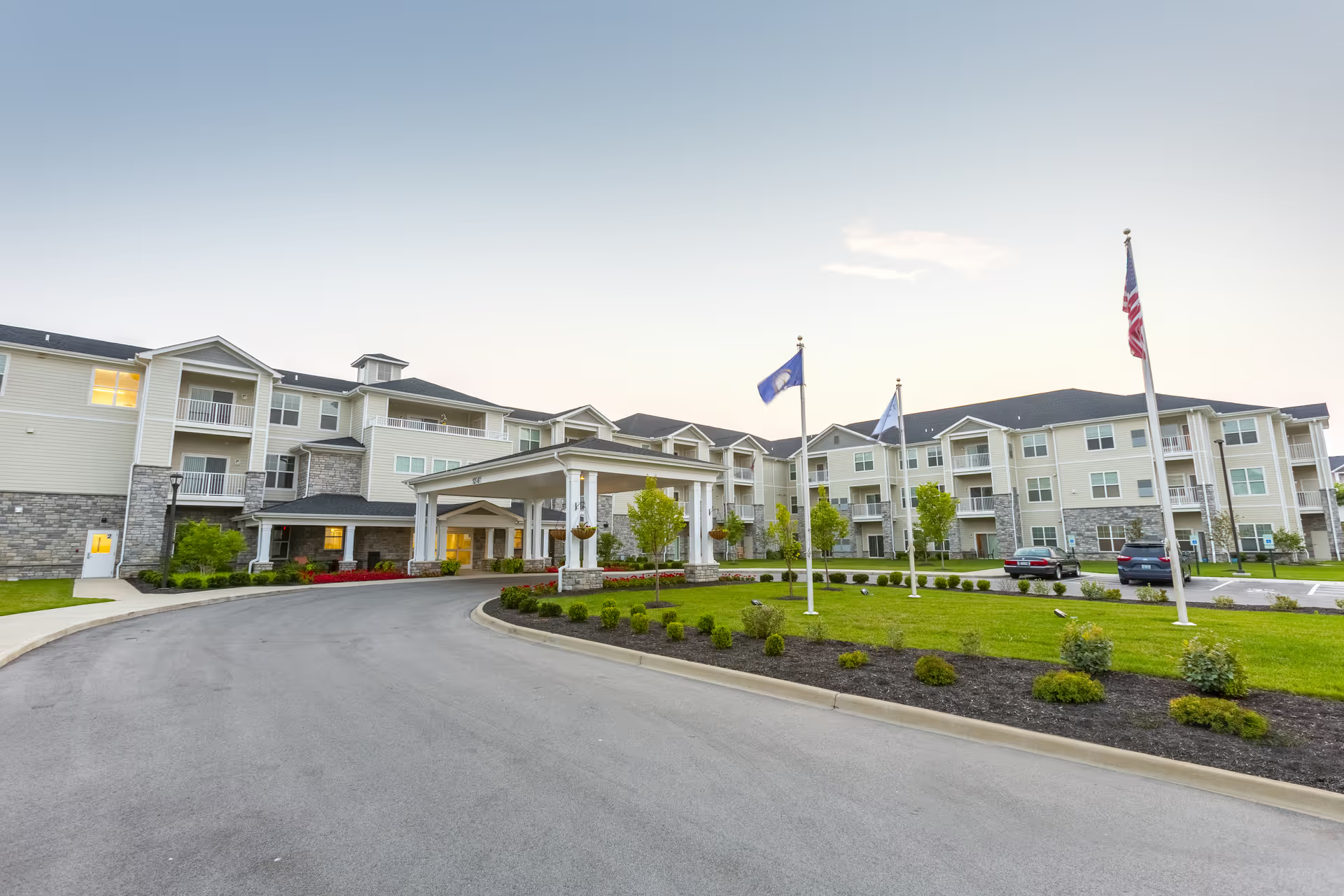
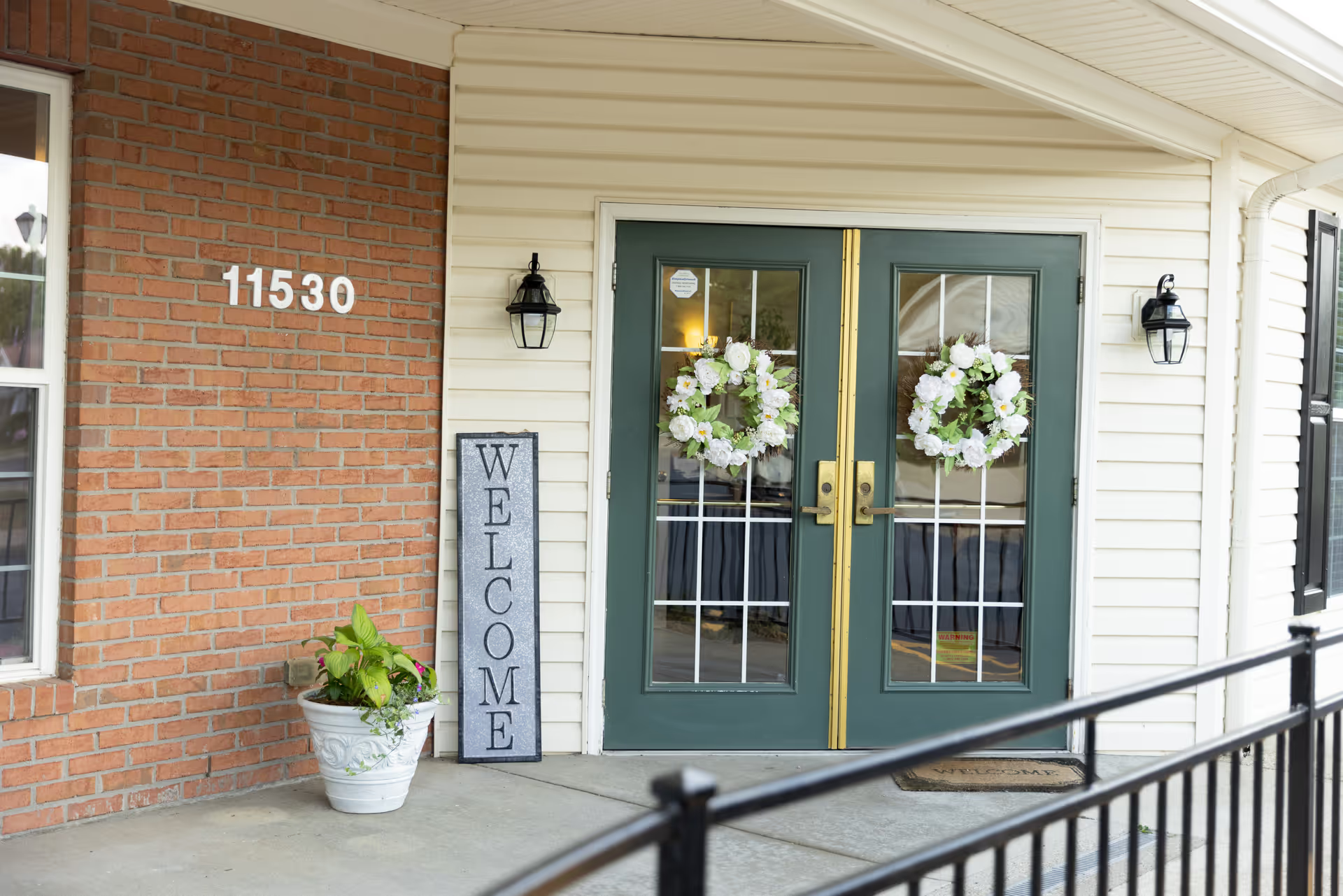
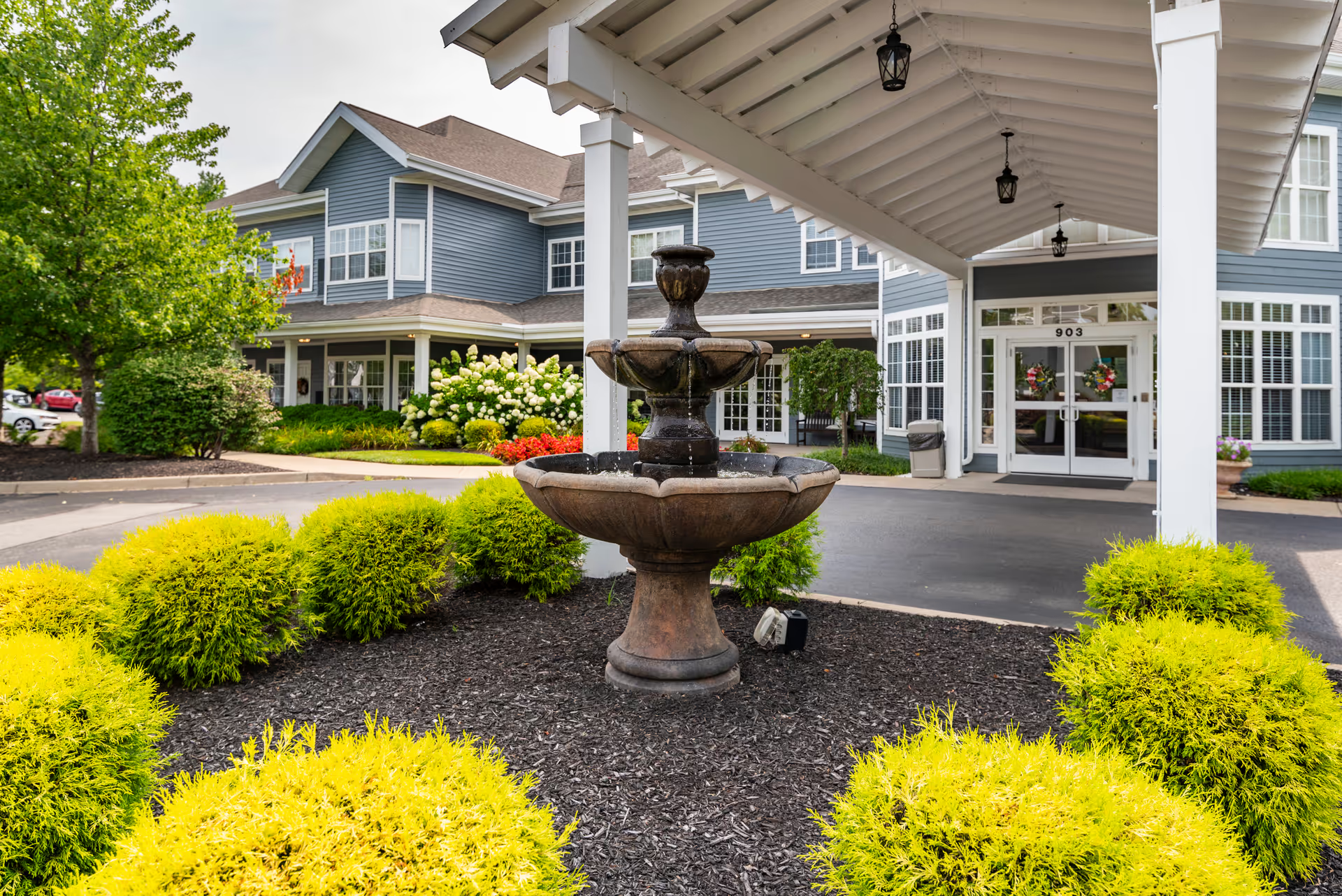
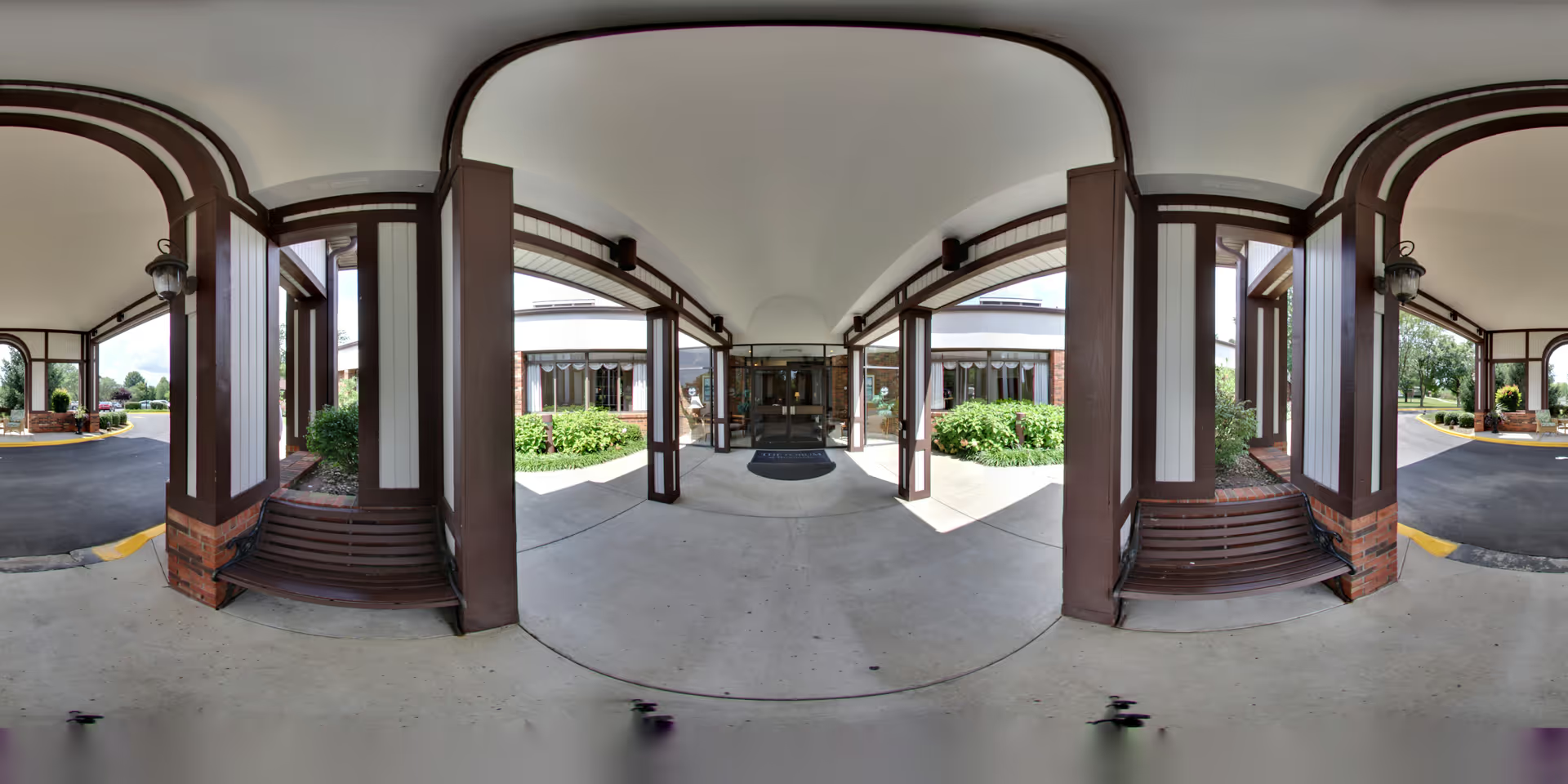
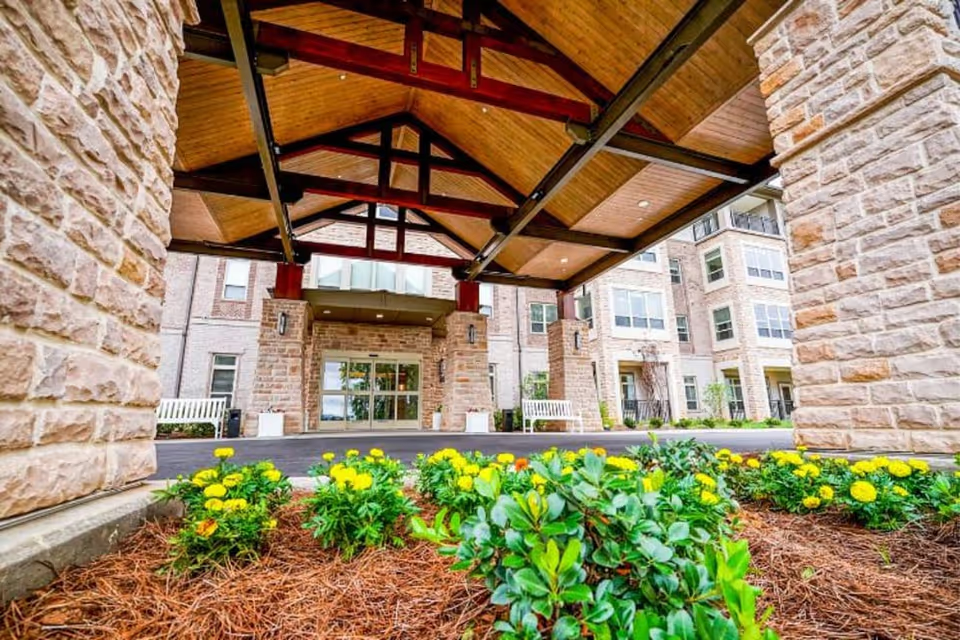
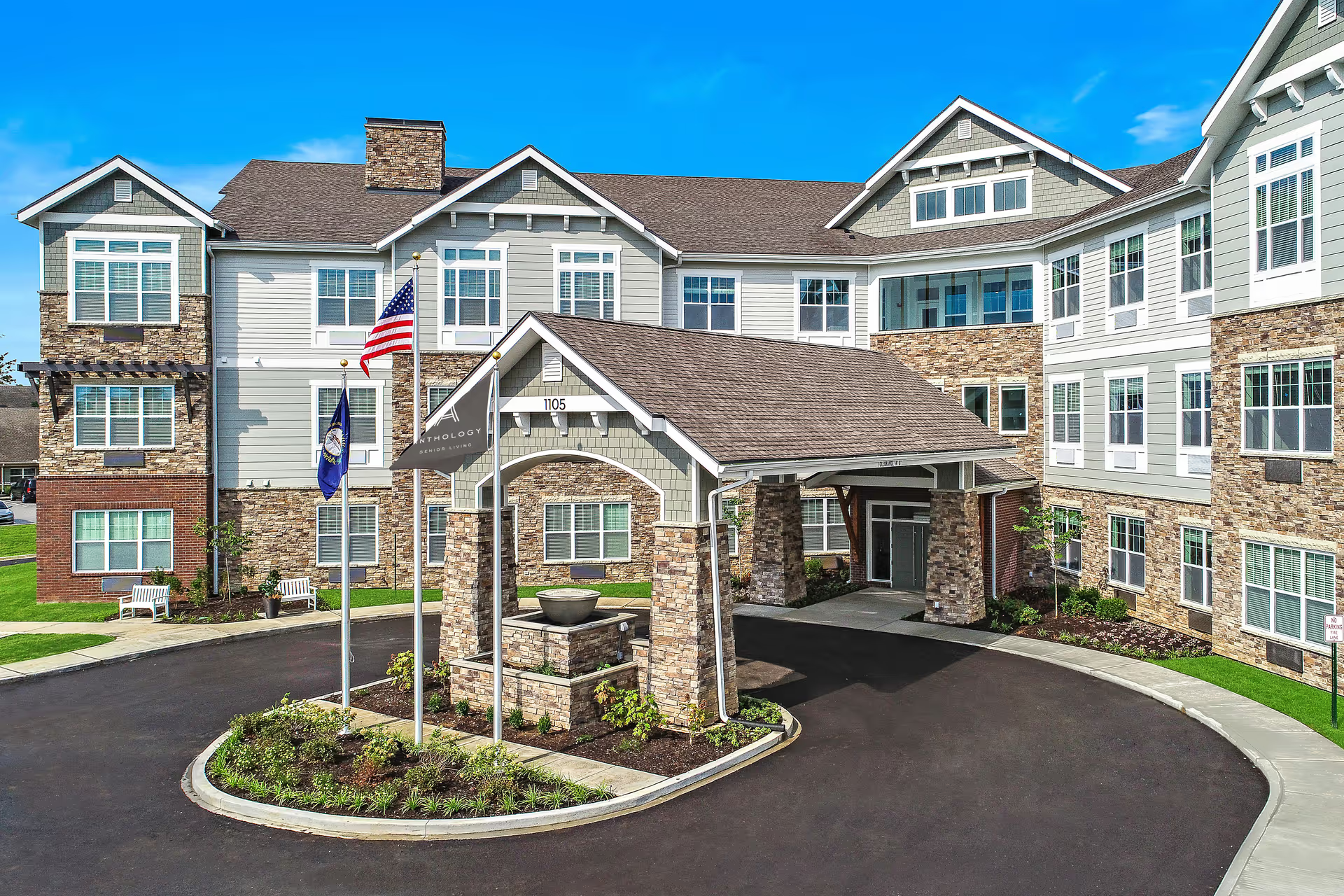
Overall impression: The Legacy at English Station is consistently described as a new, well-maintained community with a strong emphasis on memory-care programming and social engagement. Families and visitors commonly highlight the facility’s attractive design, bright interior, park-like grounds and secure courtyard, which contribute to a homelike atmosphere. Reviewers frequently cite caring, attentive staff and a robust activity schedule—particularly music, live entertainment and memory-focused programs—as central strengths that support residents’ social and cognitive well-being.
Care and staff: Clinical and day-to-day caregiving are generally characterized as compassionate and individualized. Many families praised nurses and care specialists for attention to medication administration, balanced meals, cognitive stimulation and respectful resident interactions. Memory-care expertise is repeatedly emphasized; staff are often described as knowledgeable about dementia and able to provide personalized routines. At the same time, there are recurring operational concerns: staffing consistency fluctuates, with notable reliance on agency/temporary personnel and occasional indications that staffing levels can leave employees overwhelmed. Separate comments point to variability in staff conduct, including unprofessional behavior and workplace culture issues, which can undermine otherwise strong caregiver–resident relationships.
Dining and activities: Dining receives positive comments for meal quality and presentation, with several reviewers describing gourmet-style meals and an enjoyable dining environment. Activity programming is a clear strength—daily, varied schedules include music, outings, nature walks, live bands and memory-specific exercises that families report as stimulating and mood-improving for residents. Practical notes for families include occasional variability in portion sizes and some meal-scheduling inconsistencies, along with mention that certain physician or in-home medical visits may incur additional fees beyond base rates.
Facilities and safety: The building’s new construction, cleanliness, well-lit common areas and multiple living rooms are broadly praised. Outdoor amenities—screened porches, walking paths and an enclosed courtyard—are important assets for resident mobility and socialization. Operationally, there are some safety- and infrastructure-related items to confirm during a tour: reviewers noted an absence of pull-cord fall-alerts in memory-care areas, and a few raised concerns about infection-event handling during a past outbreak. These indicate areas where prospective families should ask for current policies and recent performance metrics.
Management and notable patterns: Management impressions are mixed. Several families describe approachable leadership, helpful private meetings and hands-on administrative involvement; others describe disorganized leadership, a negative management tone and evidence of regulatory survey issues. Allegations of discriminatory behavior were also raised and merit direct inquiry. Taken together, the pattern suggests that the quality of the resident experience is closely tied to leadership stability and local staffing practices—where leadership is engaged and staffing is consistent, outcomes and family satisfaction tend to be stronger.
Bottom line and actions for families: The community offers many features desirable for memory-care residents—clean, attractive facilities; active, memory-focused programming; and generally compassionate caregiving. Prospective families should verify current staffing models (including use of agency staff), ask about staff training and anti-discrimination policies, review the facility’s most recent state survey and infection-control records, confirm fall-alert systems in memory areas, and clarify which medical services carry additional fees. These targeted questions will help determine whether the community’s operational practices align with the positive care and lifestyle attributes that many families describe.