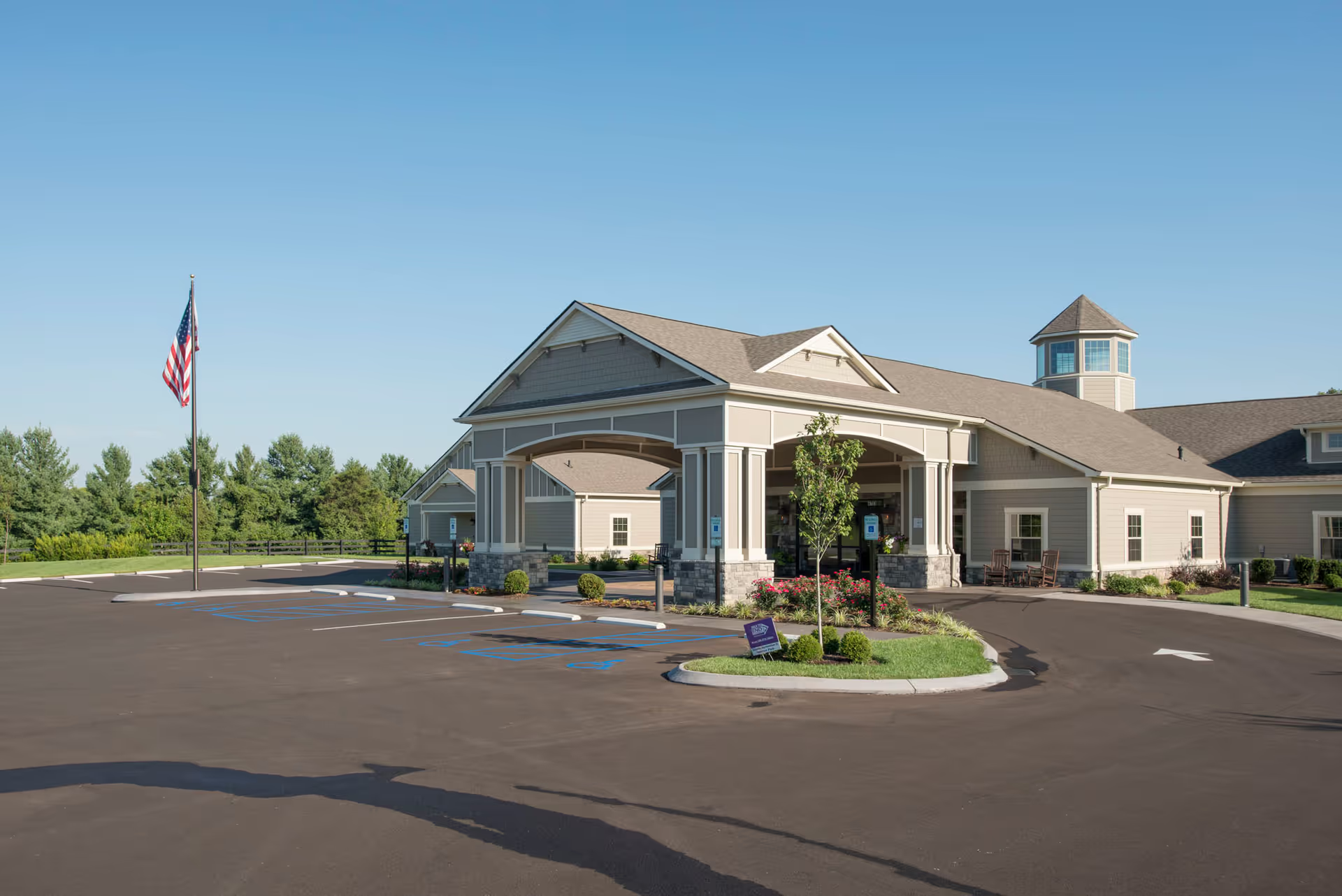
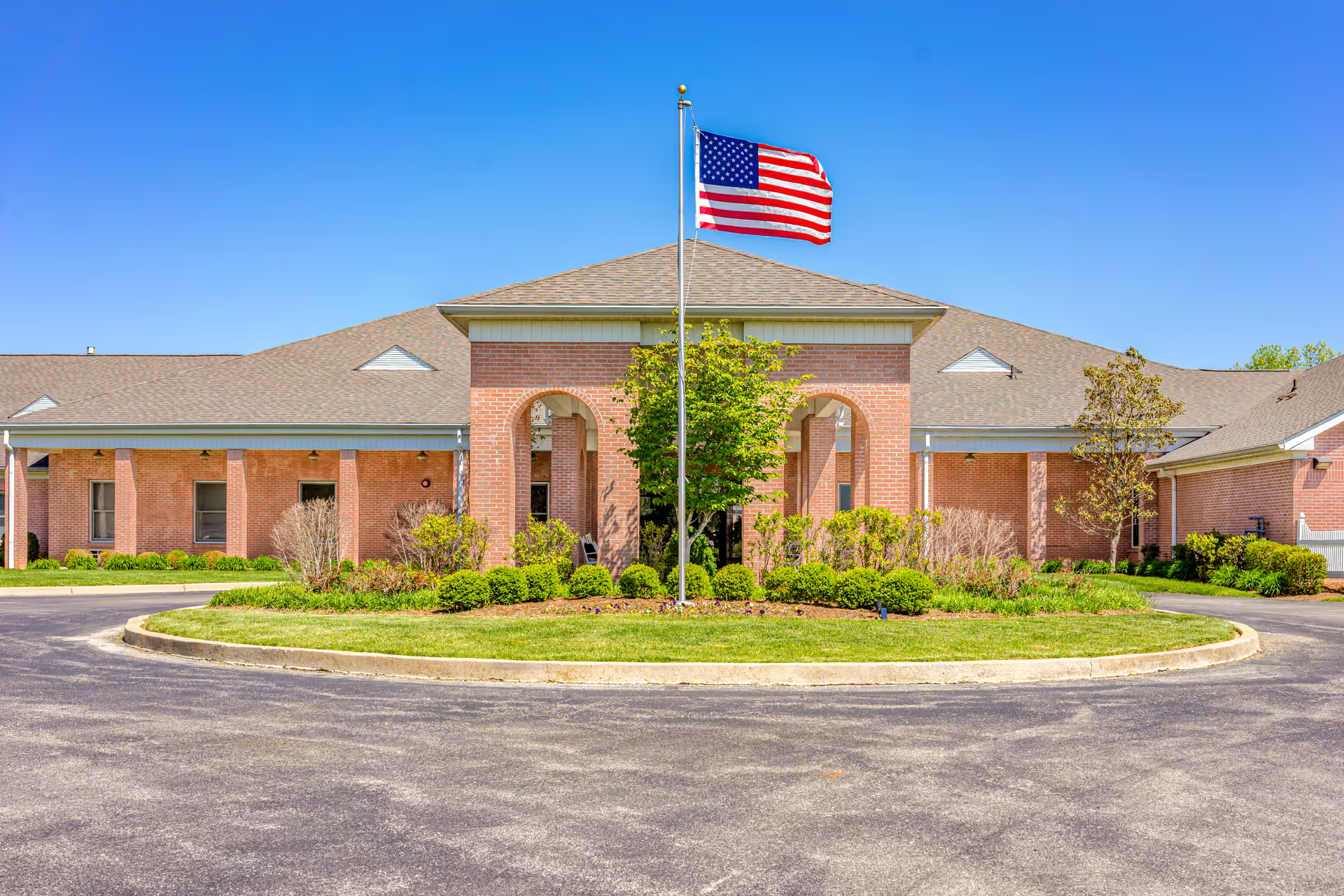
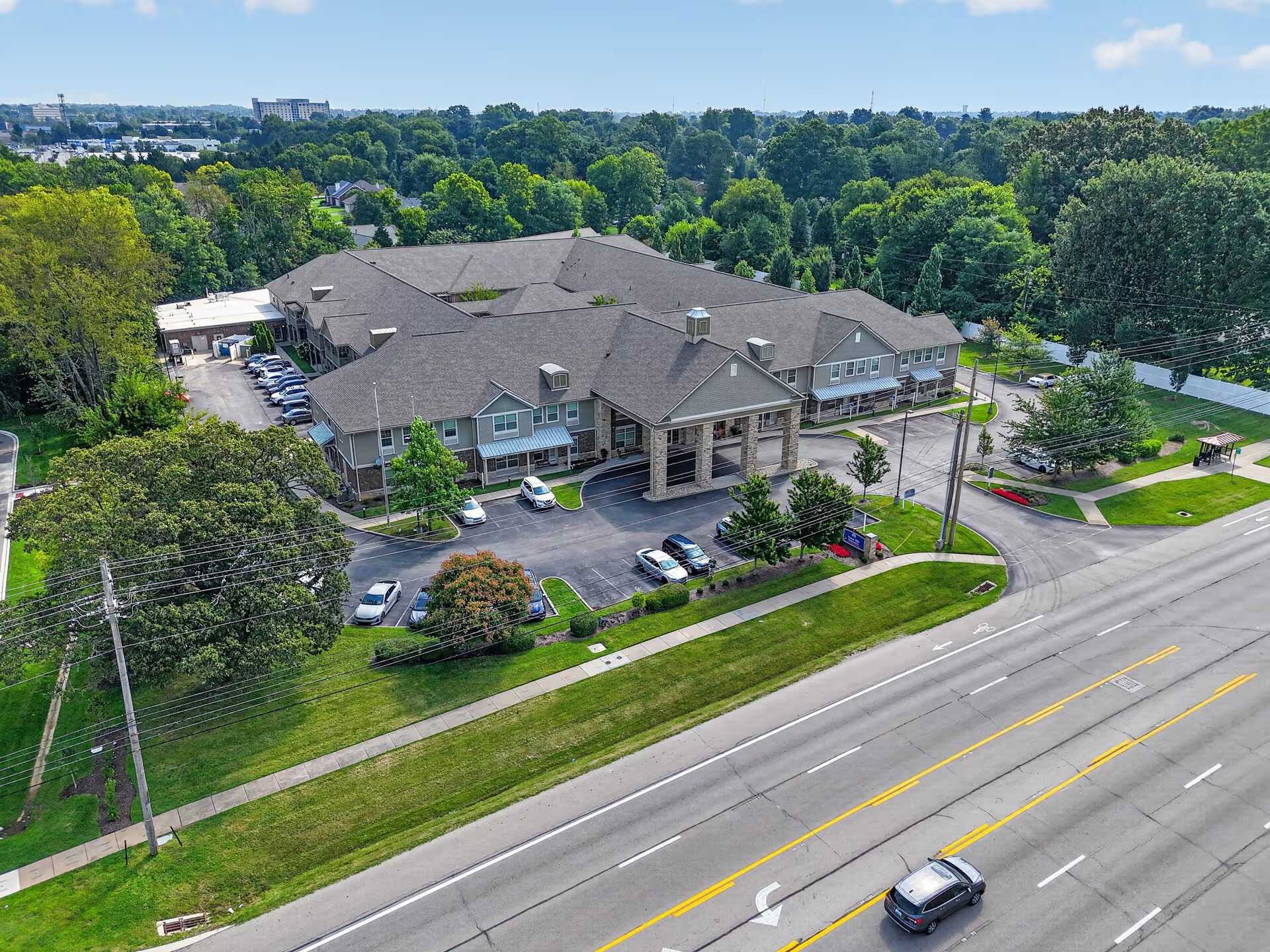
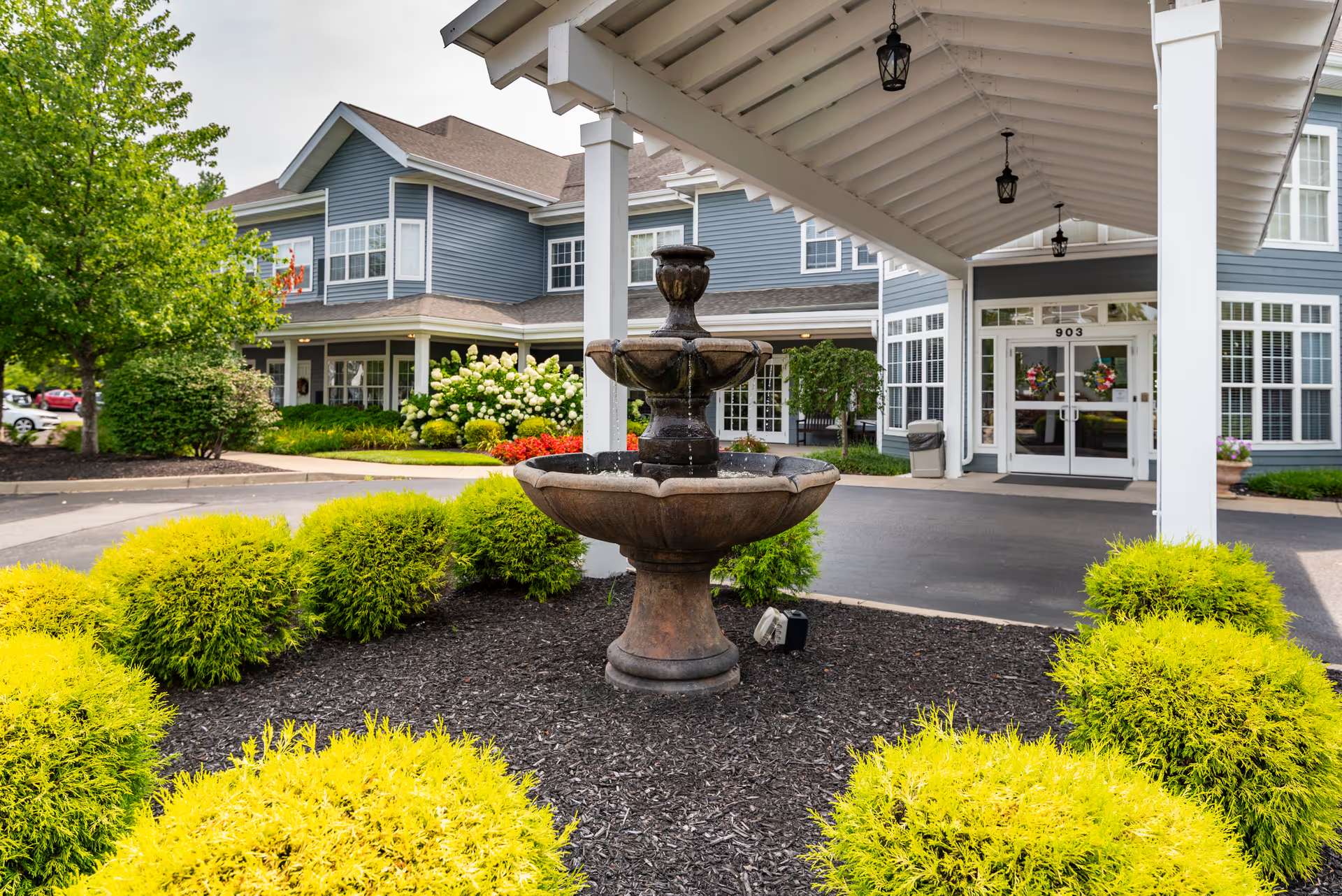
Traditions at Beaumont presents as a new, well‑appointed senior living community with many features that families and residents appreciate: attractive, coordinated grounds; multiple housing options including garden homes and varied floor plans; a secured campus; and an active calendar of activities that includes outings, live music, happy hours and therapeutic programming. Many accounts emphasize a warm, family‑like atmosphere, engaged activity leaders, and numerous social opportunities that contribute to resident satisfaction and social engagement.
Care quality is mixed but has strong elements. Certified nursing assistants and on‑site nurse practitioners receive consistent praise for compassionate, capable care and for advocacy during transitions and end‑of‑life care. The facility provides team‑based emergency response and in‑house medical and hospice support, which families cited as valuable. At the same time, reviewers describe operational inconsistencies that affect perceived reliability of care: staffing levels and responsiveness vary by shift, and there are recurring concerns about inconsistent medication reminders and occasions when medication administration was not timely. These issues suggest gaps in staffing coverage and clinical workflows rather than an absence of clinical expertise.
Dining and food service are a prominent mixed theme. Many reviewers compliment the quality of meals, an upscale dining room, chef specials and flexible options such as family dining. However, others experienced errors in meal delivery, missing items, inconsistent beverage choices and interruptions during staffing or leadership transitions in the kitchen. Some reviewers questioned whether marketing claims (for example, about an executive‑chef presence or continuous restaurant‑style service) fully reflect day‑to‑day reality. Overall, the dining program appears capable of high quality but uneven in reliability at times.
Housekeeping and facilities maintenance are generally viewed positively in terms of aesthetics and campus upkeep, but there are repeated notes of inconsistent housekeeping service in individual apartments and initial cleanliness issues during move‑in. The community’s size and layout are benefits for choice and amenities, yet the larger footprint can present navigation challenges for residents with cognitive impairment.
Management and communications show both strengths and weaknesses. Admissions staff and certain directors were frequently praised for rapid placements, compassionate transitions and attentive follow‑up. Conversely, several families described abrupt rent increases, hidden fees, and limited transparency around pricing and ancillary charges; there are also accounts characterizing communication as slow or inconsistent. There are occasional reports raising concerns about staff conduct and tone that would warrant attention to supervisory practices and staff training.
Taken together, the pattern is of a community with substantial strengths in social programming, facility quality, and pockets of strong clinical care, offset by operational inconsistency in staffing, housekeeping, medication processes, dining continuity, and pricing transparency. Prospective residents and families who prioritize an active social environment and in‑house clinical support may find Traditions at Beaumont a good fit, while those who require consistently predictable service levels or who want absolute certainty about fees and meal continuity should ask targeted questions during tours and review contract language in detail. Specific items to verify in advance include staffing ratios by shift, medication‑management protocols, housekeeping schedules, dining continuity practices during staff transitions, transportation schedules, and a clear explanation of all fees and rent escalators.