Overall impression: Reviews present a mixed yet consistent pattern: the facility offers strong rehabilitation services, appealing communal spaces, varied dining and activities, and many families describe compassionate individual caregivers. At the same time, operational weaknesses — most notably staffing shortages, delayed responses to requests, and maintenance or sanitation issues in some resident rooms — recur across accounts.
Care and staff: Therapy services receive frequent praise; reviewers highlight effective physical and occupational therapy teams and attentive rehabilitation spaces. Nursing and direct-care staff are described positively in many accounts as compassionate and supportive, but other accounts describe inconsistent caregiving. Commonly noted operational problems include slow call-button responses, delays in medication administration, and uneven assistance with activities of daily living (bathing, toileting, transfers). These service variability is often attributed to understaffing and workload pressures. Several families also raised concerns about responsiveness and communication tone from certain staff members.
Dining and activities: Dining is a clear strength for many residents — menu variety, special offerings (salad bar, themed events, wine-and-cheese), and several positive comments about meal quality. The community offers a range of activities and off-site outings (restaurants, movies, bingo, seasonal events) that contribute to resident engagement. However, some reviews describe inconsistency in meal timing and occasional delays, and a subset of families would like greater activity options for residents with higher care needs or limited mobility.
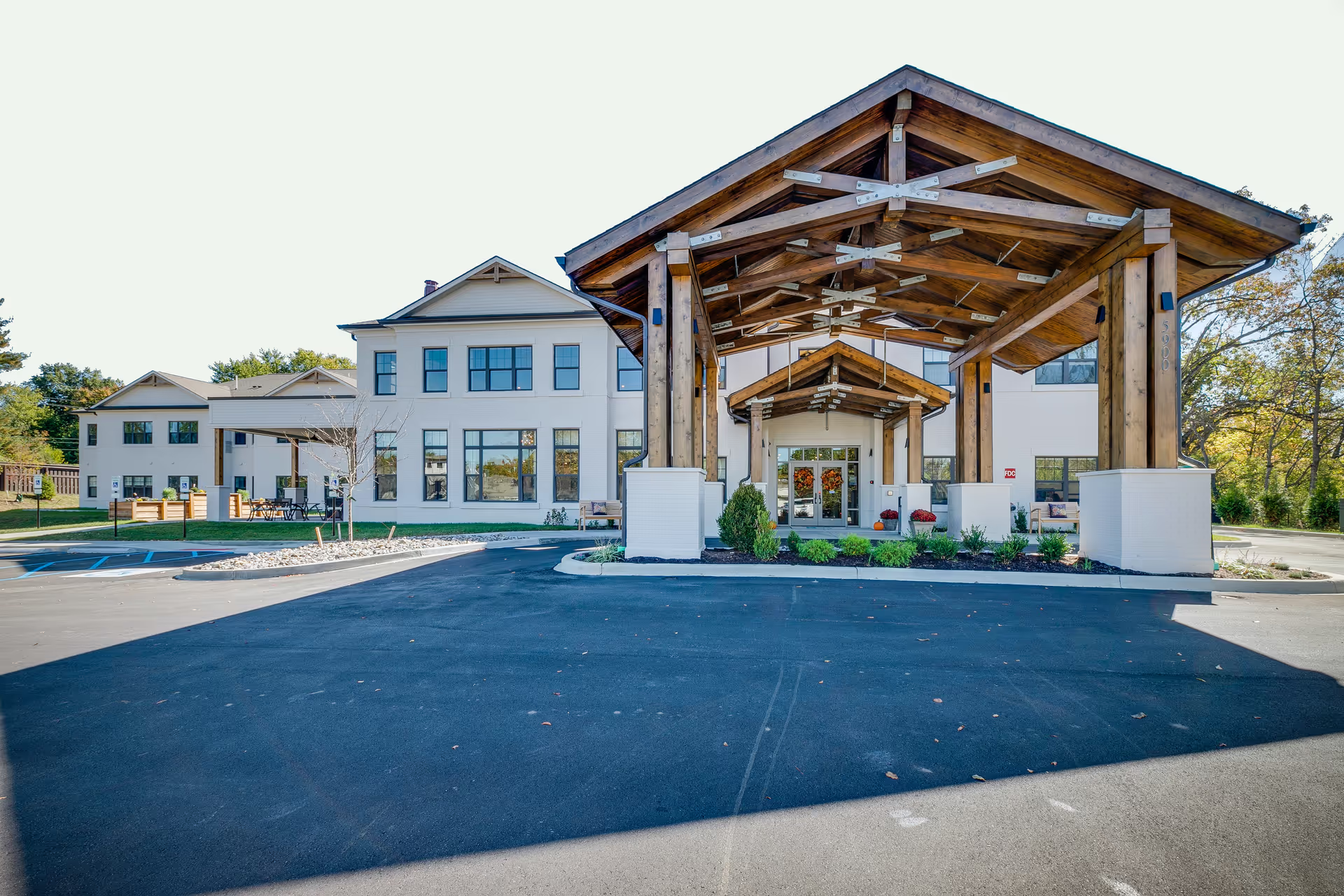
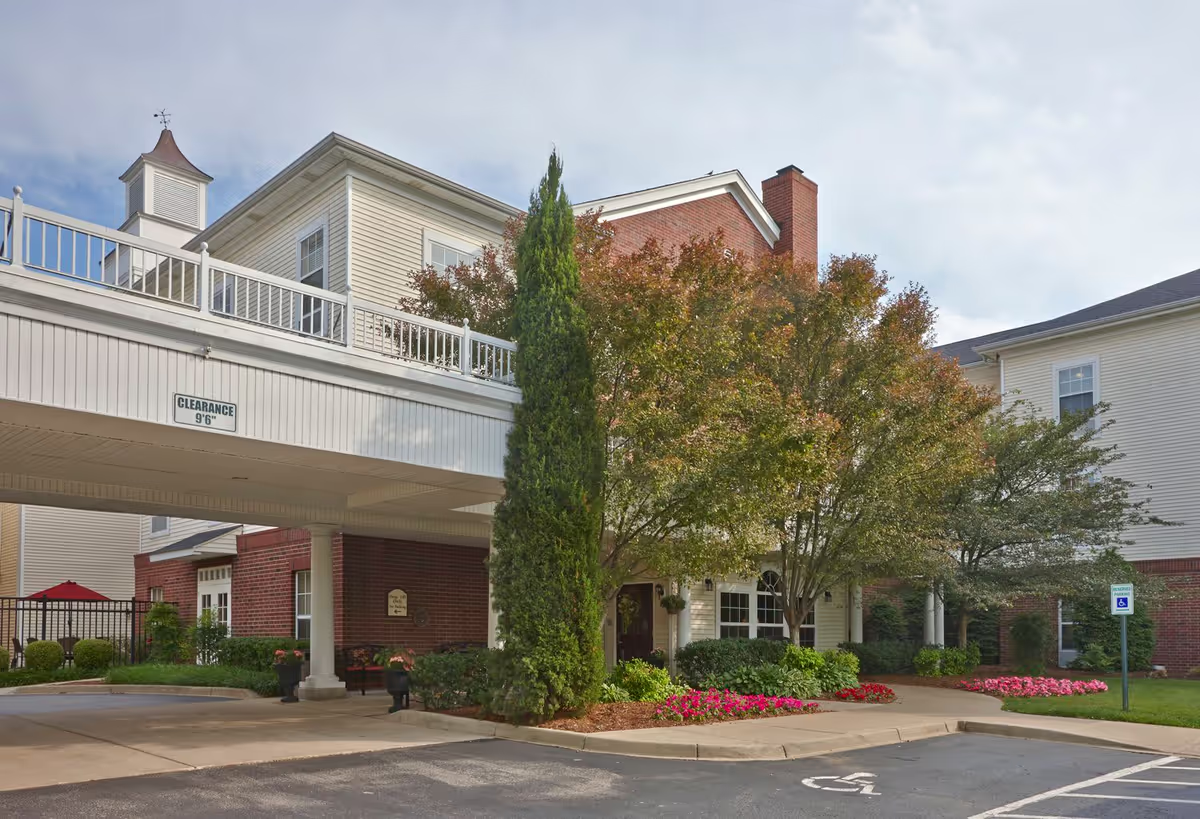
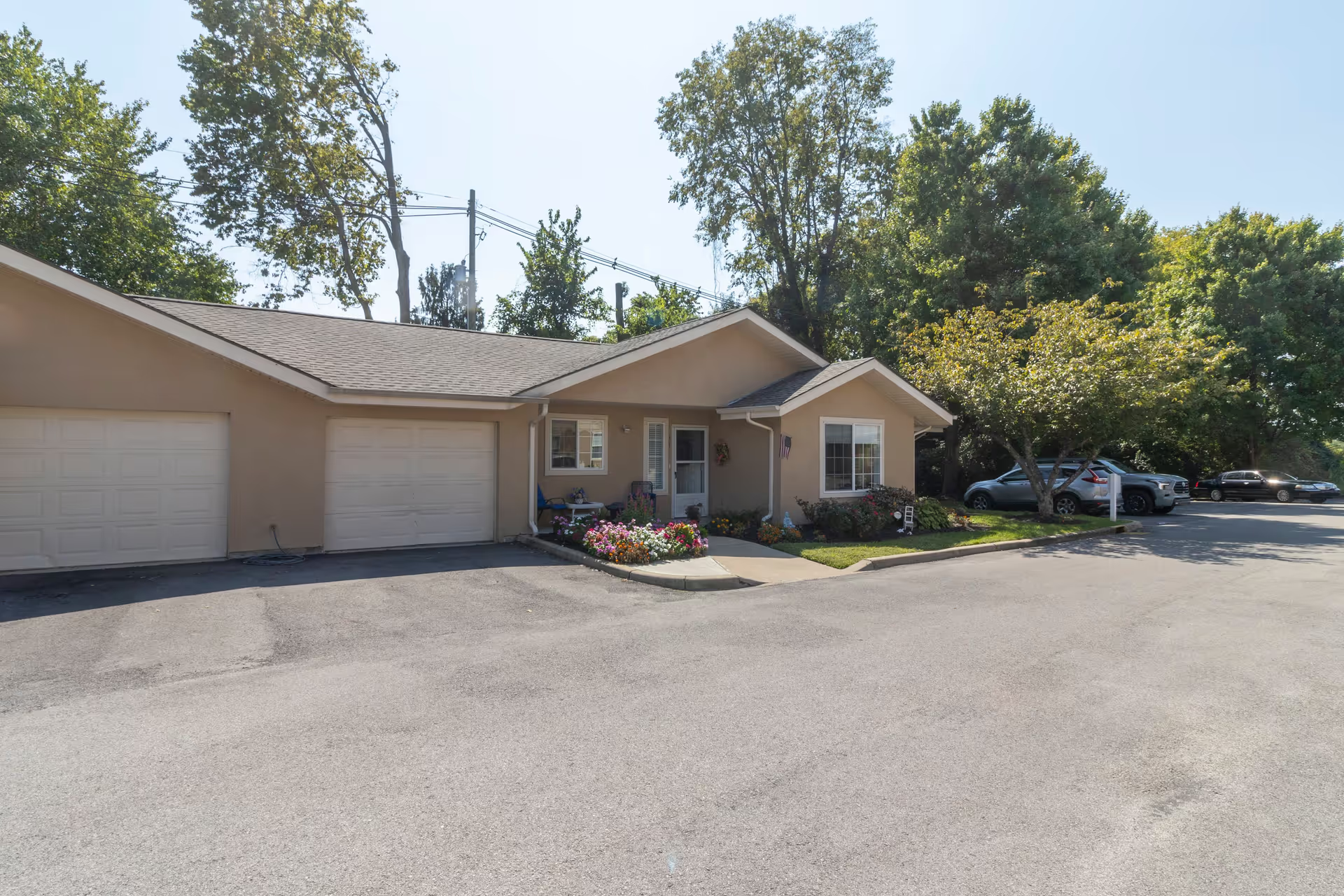
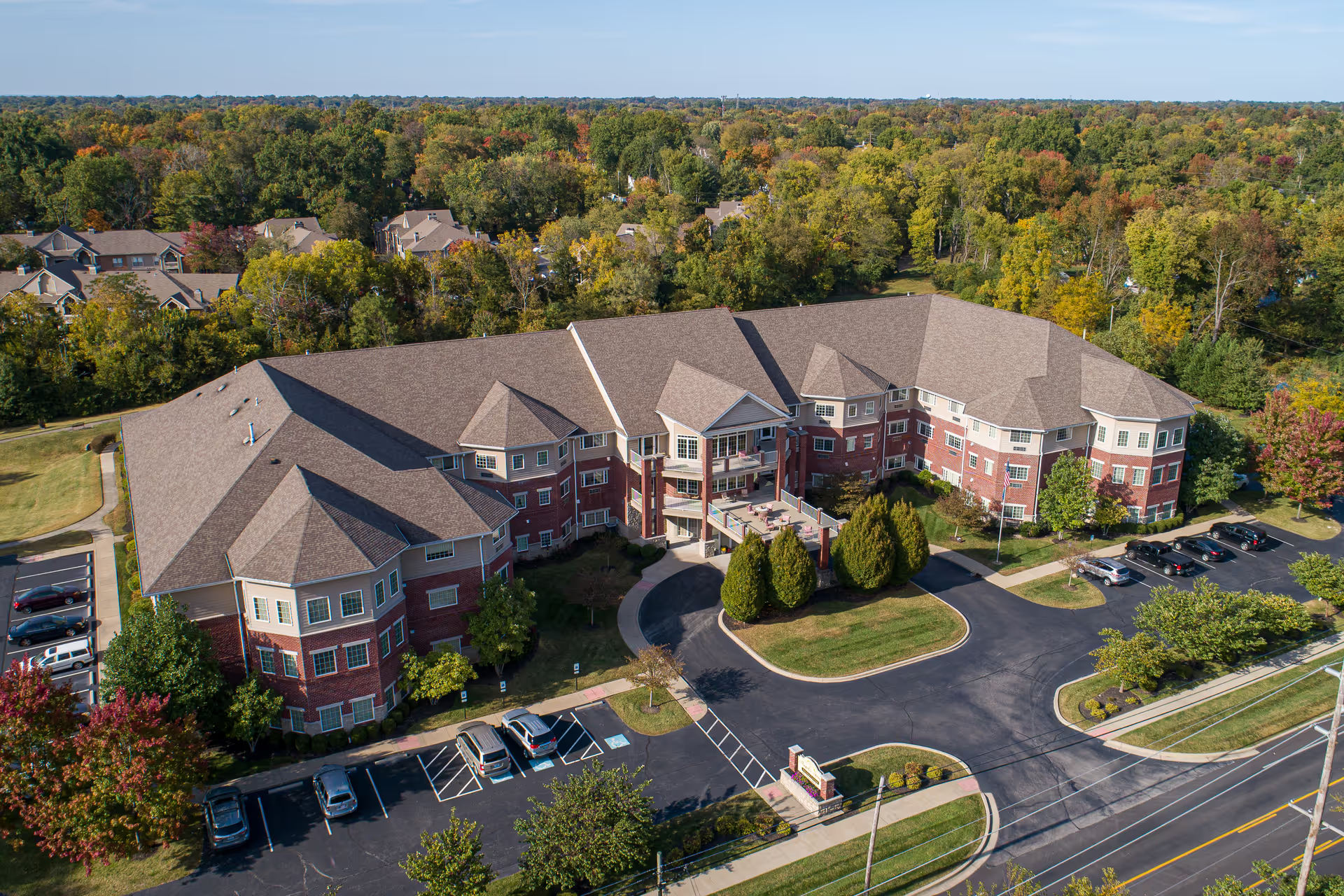
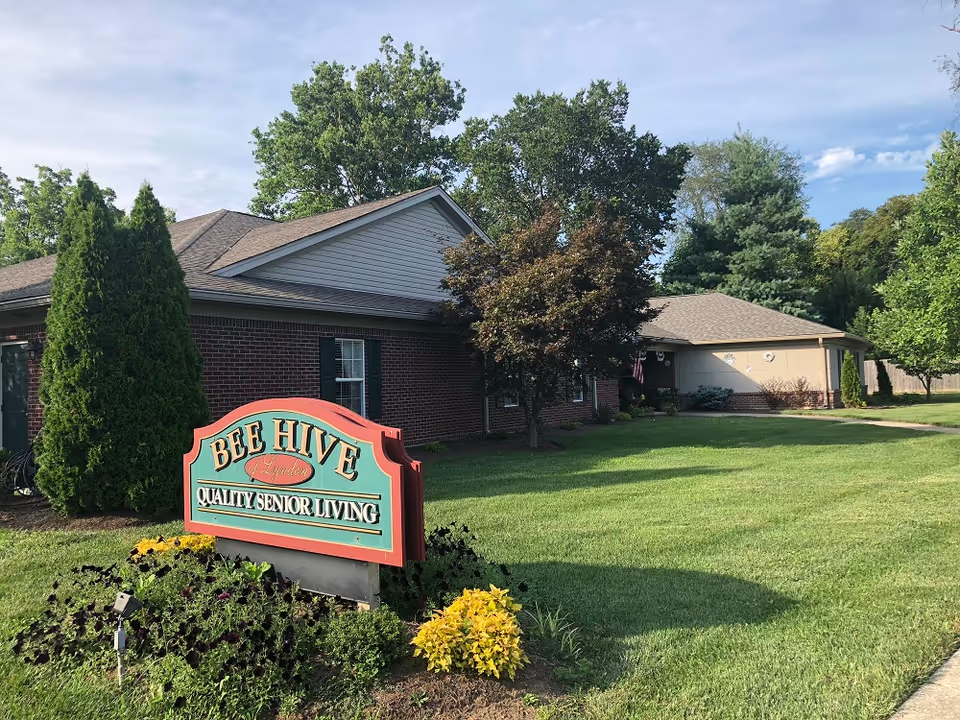
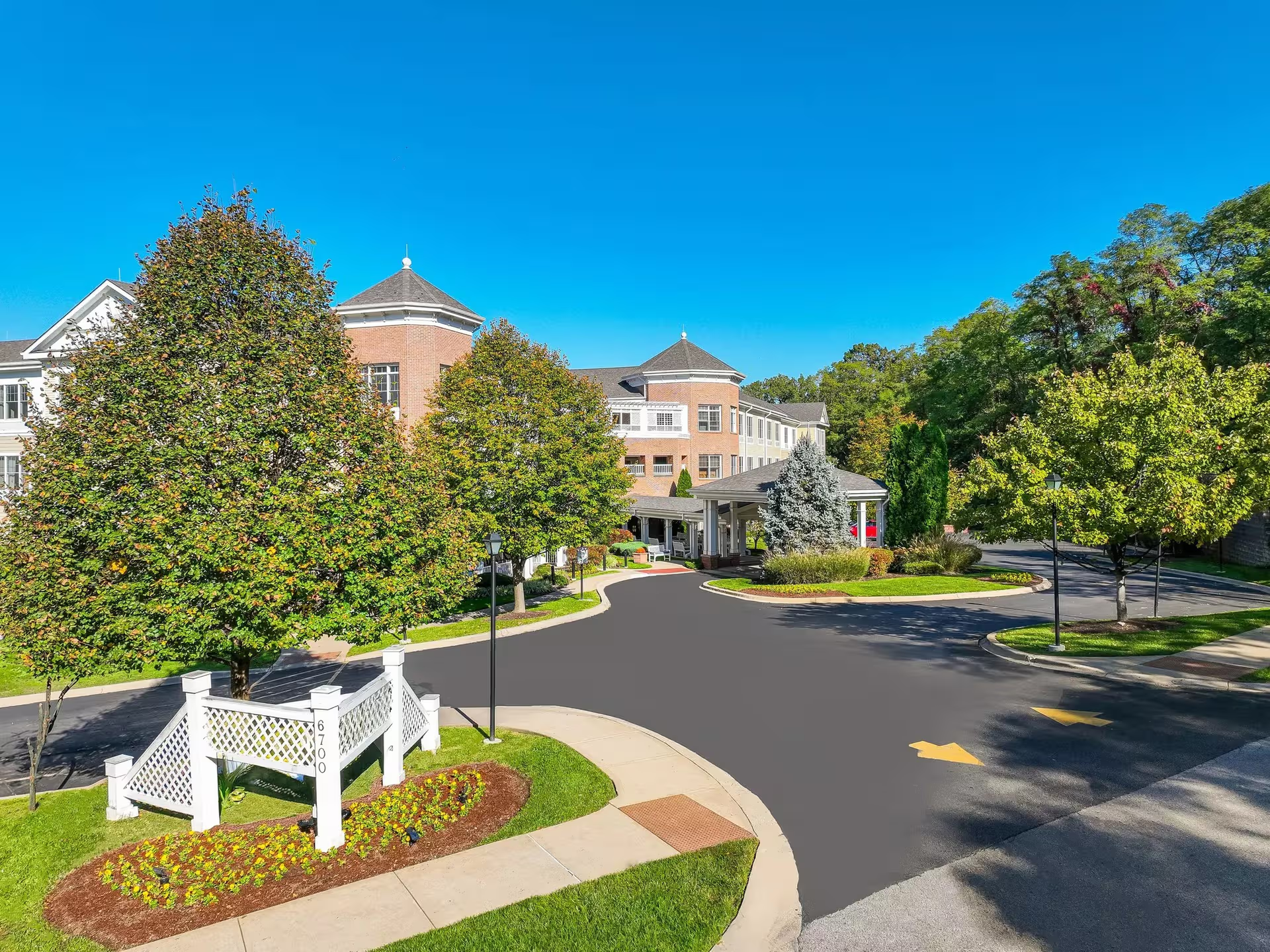
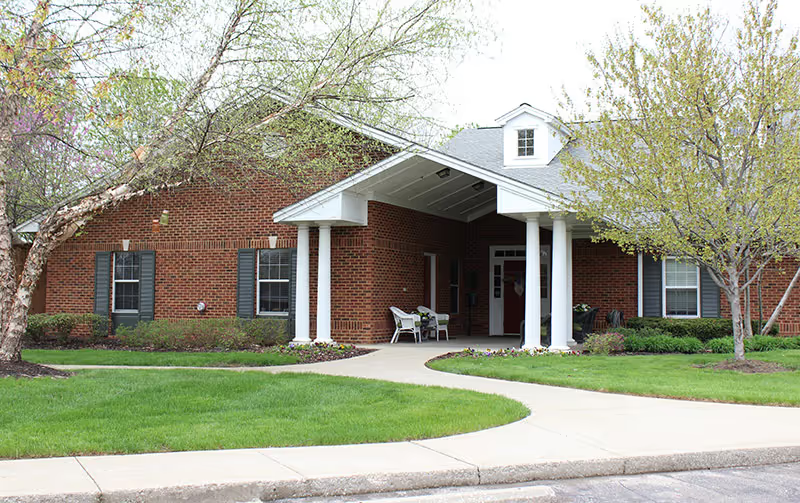
Facilities and safety: The facility is often described as modern and well-appointed, with bright therapy rooms, private gathering spaces, and pleasant common areas. In contrast, other comments identify room-level maintenance issues — air-conditioning failures, leaking units, furniture in disrepair, faulty bathroom hardware, and concerns about sanitation or odors in certain areas. Safety-process gaps are noted as an important risk area: delayed installation or inconsistent use of fall-mitigation measures, poorly managed call-light systems, and inconsistent transfer practices were cited as contributors to falls or emergency transfers in some accounts. These safety observations co-occur with reports of weak supervisory follow-up after incidents.
Management, communication, and care transitions: Strengths include family-friendly visitation, monthly family events, and visible workplace supports for some employees. Management-related weaknesses include inconsistent supervisory outreach after complaints, inadequate social-work and discharge coordination, and specific accounts of incomplete discharge paperwork or poor transition planning. These shortcomings have, according to reviewers, led to distressing transitions in a few cases. Overall, communication with families is uneven; while some families report timely updates and excellent communication, others report little follow-up after incidents.
Notable patterns and guidance for families: The facility appears to deliver high-quality rehabilitative programming and offers many lifestyle amenities, but operational reliability varies. The dominant drivers of negative experiences are staffing constraints, delays in routine care and medication, maintenance and sanitation inconsistencies in some rooms, and gaps in discharge and incident follow-up. Prospective residents and families may benefit from asking targeted questions about current staffing ratios, call-response metrics, fall-prevention protocols, HVAC and room maintenance procedures, discharge planning workflows, and recent inspection or complaint resolutions to assess whether operational gaps have been addressed.