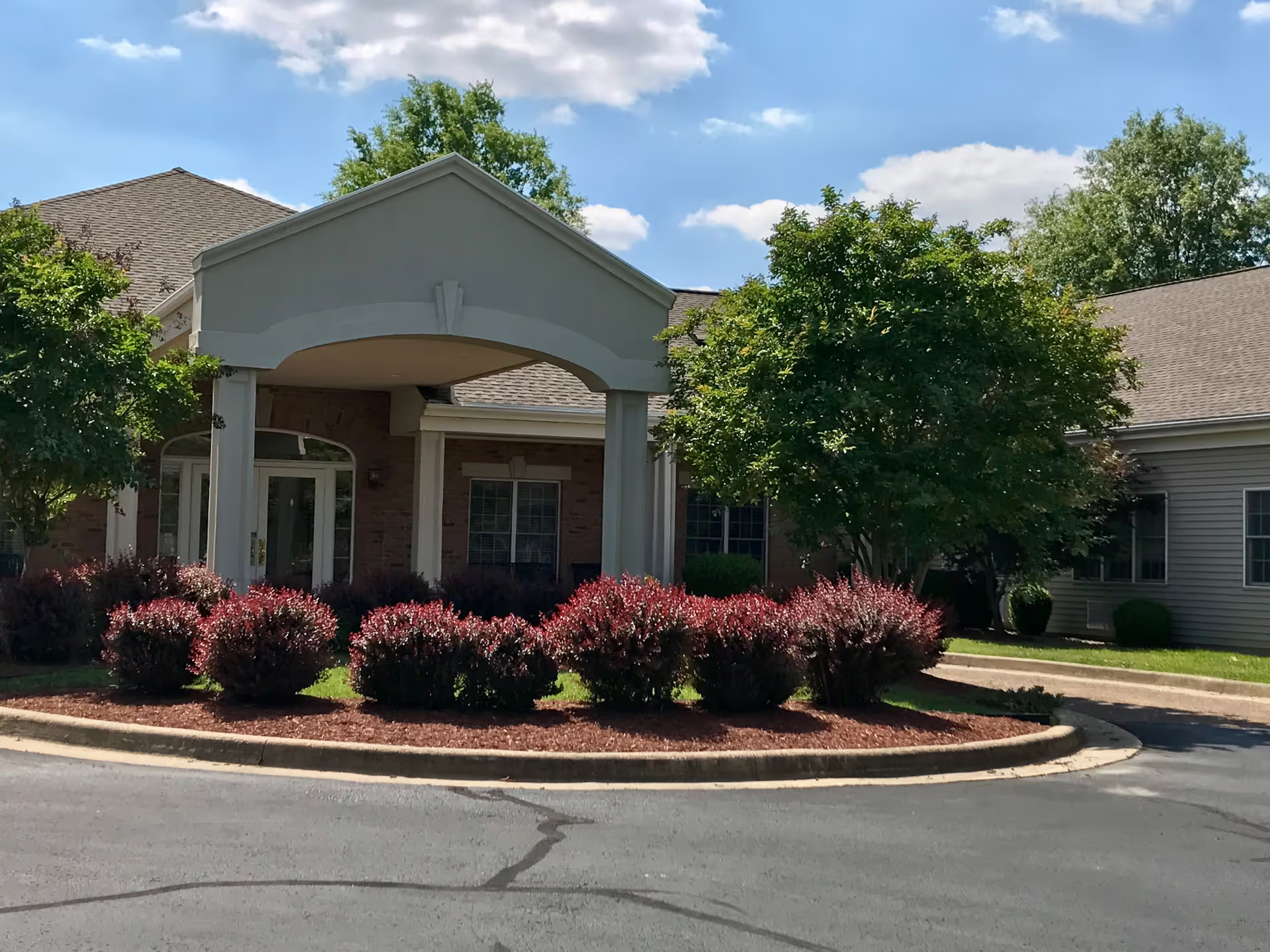
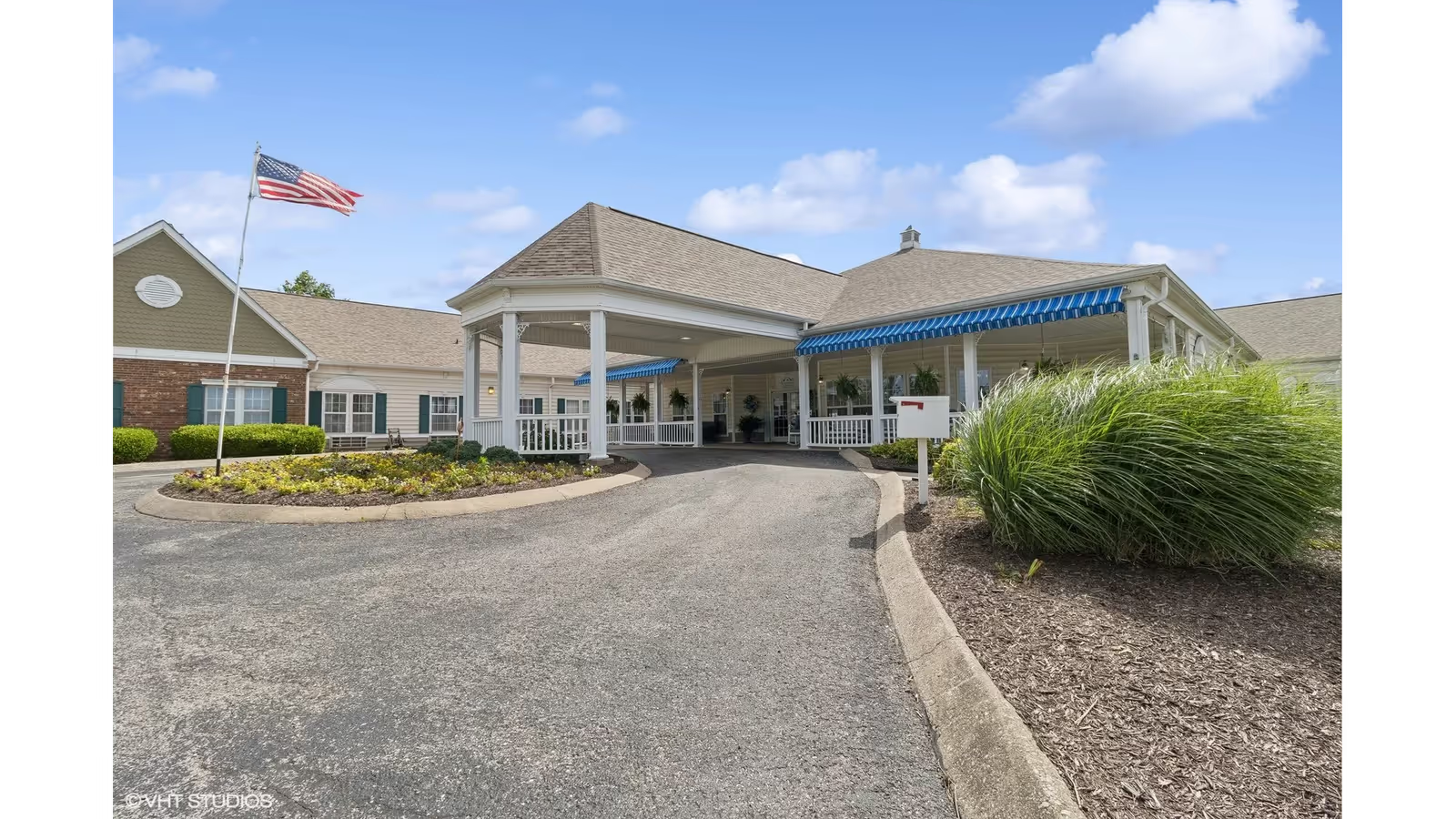
The reviews present a mixed picture of Brighton Cornerstone Healthcare. Positive accounts emphasize a resident-centered approach, individualized care plans, and an active rehabilitation program that supports independence. Multiple reviews praise the dining program for recent improvements and menu variety, noting specific high-quality offerings. Several reviewers also singled out individual staff members (for example, Mary) and teams that provided welcoming, attentive, and professional support during admissions and ongoing care.
Care quality appears uneven. While some families describe attentive, personalized nursing and effective therapy services, other accounts describe delays in clinical responsiveness and lapses in routine assessments such as vital-sign checks. There are noted concerns about equipment availability and readiness, which reviewers linked to missed or delayed clinical assessments. A small number of accounts describe contested decision-making around escalation and emergency transfer, which suggests a need for clearer, consistently applied transfer and escalation protocols.
Staffing and conduct similarly vary across reports. Positive comments highlight compassionate, helpful employees who go above and beyond and create a family-like atmosphere. Conversely, other comments indicate variability in staff training, competence, and responsiveness. Communication gaps appear in two areas: direct care communication (timeliness and clinical follow-through) and administrative communication (admissions and follow-up). Admissions experiences range from smooth, welcoming intake to difficulty getting callbacks and basic answers from the administrative team.
Dining and rehabilitative services are consistent strengths in many reviews. Reviewers mention tailored meals and attention to individual preferences, with examples of expanded menu choices and ongoing food-quality improvements. Rehabilitation services are described as supportive of resident independence and recovery goals.
Operational patterns to note are inconsistency and variability. Positive and negative experiences often appear to correlate with particular staff members, shifts, or specific parts of the operation rather than the entire facility uniformly; this creates an unpredictable experience for families. Facility-level weaknesses inferred from reviews include inconsistent clinical responsiveness, equipment-maintenance gaps, unclear escalation protocols, supply-security issues, and uneven admissions communication.
For prospective residents and families: confirm current staffing levels and training, ask about protocols for vital-sign monitoring and emergency escalation, verify equipment-maintenance and inventory procedures, request recent sample menus and therapy program details, and test communication responsiveness during the admissions process. These steps can help clarify whether the aspects that matter most to your situation are reliably in place at this facility.