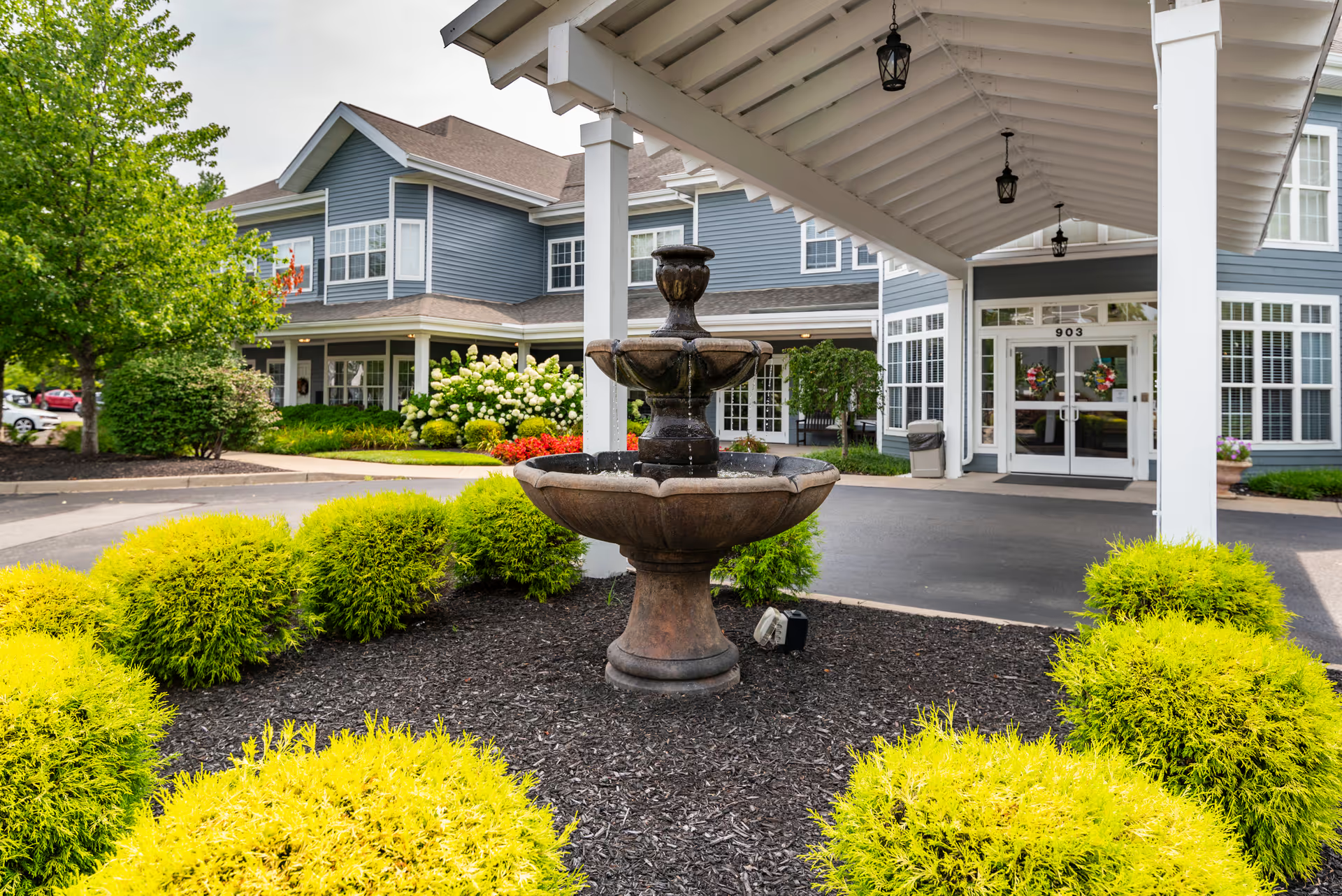
StoryPoint Middletown presents as a new, well-appointed independent/enhanced living community with many features families cite as strengths: a modern and immaculately maintained campus, spacious apartments (including units with kitchenettes and in-unit laundry in some layouts), attractive common spaces, and a broad set of on-site amenities such as a salon, bistro, art studio, library, and therapy services. The life-enrichment program is a consistent strength in the reviews; residents have access to a varied schedule of group activities, arts and music offerings, outings, concerts, and social events that many residents and families describe as improving mood and social engagement.
Staffing and day-to-day care receive mixed but frequently positive comments. Numerous reviews praise a compassionate, personable staff who provide individualized attention, remember residents by name, and offer warm, family-like interactions. Move-in coordination and transition support are often singled out as well-managed. The facility also offers on-site clinical resources (nurse practitioner, visiting physicians, PT/speech therapy) and a pharmacy connection, which many families find convenient for routine needs and rehabilitation.
Despite these strengths, recurring operational concerns appear across reviews and warrant careful consideration. Several reviewers describe high staff turnover and management turnover, which can affect continuity of care, kitchen staffing, and the consistency of housekeeping. Relatedly, reviewers cite inconsistent in-apartment cleaning and variability in meal quality tied to kitchen-staff changes. There are also comments about delays in responding to direct-care requests and missed or irregular completion of some clinical tasks, suggesting gaps in staffing levels, training, or shift coverage for higher-acuity needs.
Clinical scope and policies are another area to scrutinize. While on-site clinical services exist, reviewers indicate limited licensed nursing coverage for residents who require higher-acuity or continuous nursing care. Concerns about transfer-safety practices and staff experience with lift/transfer situations were raised; prospective families should confirm staffing qualifications, training, and transfer protocols for residents with mobility or complex care needs. Additionally, a number of families reported confusing or unexpected fees and restrictive re-admission policies after hospitalizations—questions about billing, refund policies, and post-hospitalization procedures are advisable before signing an agreement.
Dining and hospitality are generally strong selling points: many reviewers praise restaurant-style service, a skilled executive chef, and varied menus, while a minority describe inconsistent food quality or menu limitations tied to age-appropriateness. Management and communication also produce mixed impressions—several reviewers commend an engaged executive director and responsive teams, but others describe lapses in management communication or slow responses to family inquiries. Pricing is viewed by many as higher-end, with mentions of anticipated increases; budgetary transparency and contract review are recommended.
Recommendation: StoryPoint Middletown appears to offer a high-quality environment for independent and assisted residents who value social engagement, modern amenities, and strong hospitality. However, families evaluating the community should verify clinical staffing levels and licensure for their loved one’s specific care needs, clarify housekeeping and dining expectations, request written policies on fees and re-admission after hospitalization, and ask about staff retention and training initiatives to ensure continuity of care. An in-person tour, meetings with the executive director and nursing/therapy leads, and review of the residency agreement will help align expectations with the facility’s operational realities.