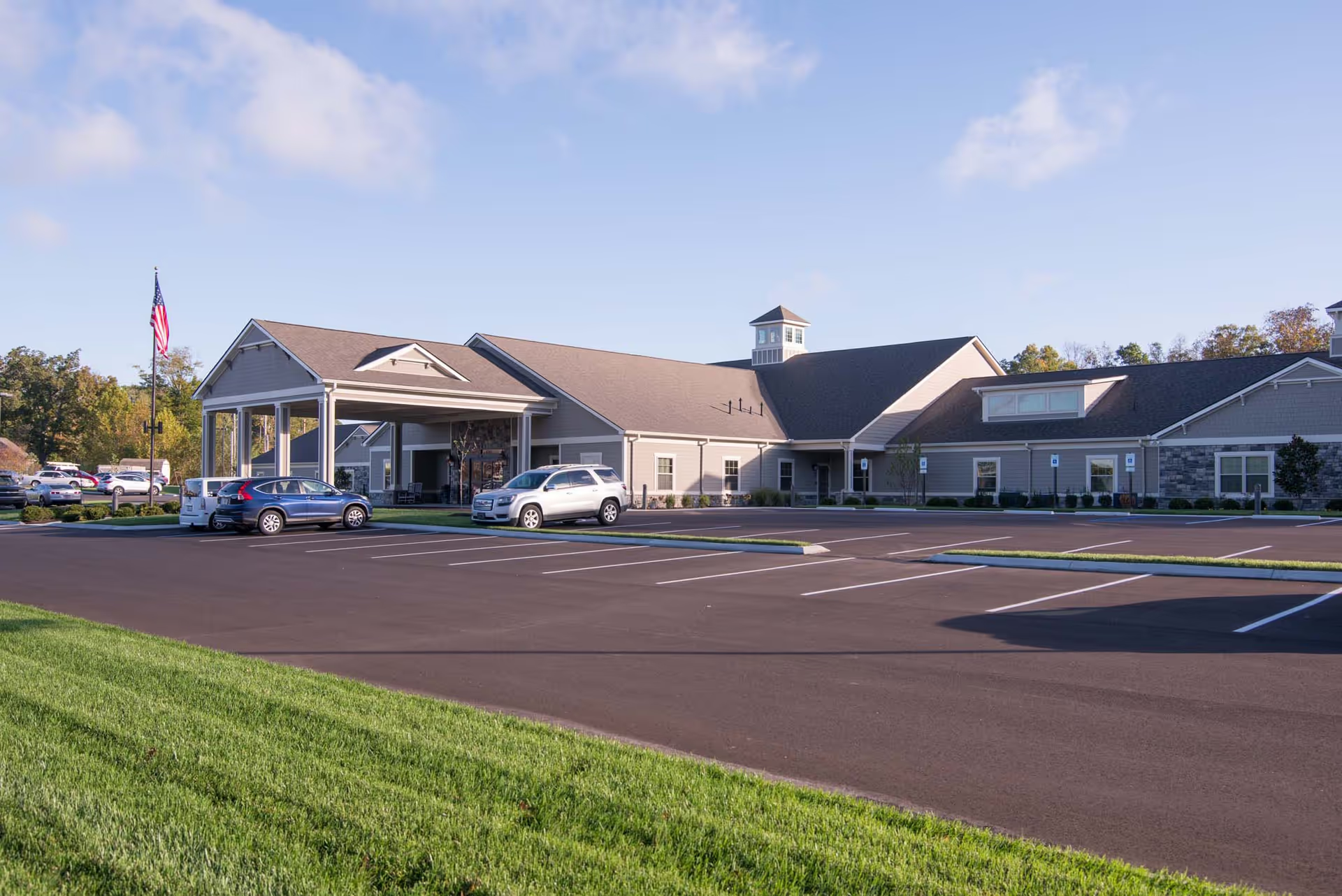
Life Care Center of Morehead receives frequent praise for its hands-on clinical teams and the interpersonal care provided by nurses, CNAs, and therapists. Multiple accounts highlight compassionate, attentive staff who encourage social participation, assist with mobility gains through therapy, and often go beyond assigned duties to support residents and families. Families repeatedly describe admissions and intake as straightforward and well managed, with a responsive administrator and an admissions team that eases financial and logistical transitions.
Clinical strengths center on strong nursing presence and rehabilitation services. Reviewers note meaningful therapy outcomes that improved residents' independence and mobility, and they point to good clinical communication between nursing, therapy, and administrative staff. The facility’s dining program is described as providing regular meals and snacks, with occasional community or celebratory meals; staff involvement in resident well‑being and happiness is a recurring positive theme.
Operational patterns reveal variability. Several reviewers report staffing shortages that can affect timeliness of assistance and call-light response; these staffing constraints appear to contribute to inconsistent experiences across different wings or shifts. Cleanliness and odor concerns in certain areas are mentioned, and there are comments implying gaps in pressure-injury prevention and skin-care practices. These issues, along with reports of delayed responses to requests for assistance, suggest room for improvement in day-to-day care processes and environmental maintenance.
Management and culture show mixed signals: the admissions and administrative teams are frequently commended for being helpful and communicative, and many families describe a family-like culture among caregivers. At the same time, reviewers describe rigid human-resources and attendance practices that have had adverse effects on staff and former employees; this suggests that some organizational policies may be perceived as inflexible and could impact staff morale or retention. A small number of accounts raise concerns about coordination and communication around end-of-life events.
For prospective residents and families, the facility’s strengths are clear: committed clinical staff, effective therapy, and an admissions process that eases transition. The most important considerations are operational consistency — specifically staffing levels and environmental-cleanliness practices — and how the facility addresses skin-care prevention and timely response to resident requests. Visiting, asking about staffing ratios on specific wings/shifts, reviewing the facility’s pressure-ulcer prevention protocols, and discussing communication practices for critical events would help families gauge how current operations align with their needs.