Overall impression: Hermitage Care & Rehabilitation Center is characterized by consistently praised interpersonal care and strong short-term rehabilitation services, paired with an active activities program and generally well-kept grounds. Families and former patients frequently describe a warm, family-like culture among caregivers, and many note meaningful functional improvements after therapy-focused stays.
Care and staff: Reviews indicate that the facility's nursing staff, certified nursing assistants, and therapy teams are often compassionate, attentive, and invested in resident comfort. Specific clinicians and aides are repeatedly singled out for positive interactions, timely assistance, and hands-on support during transitions. At the same time, there are recurring concerns about inconsistent staff responsiveness and occasional lapses in conduct or tone; a subset of accounts describe delays in attending to requests and variability in interpersonal communication. These patterns suggest generally strong frontline caregiving with pockets of performance variability that affect family confidence.
Rehabilitation and clinical outcomes: Hermitage appears to excel at short-term, rehab-focused care. Many families report effective physical, occupational, and speech therapy that produced measurable improvement. Coordination between therapy and nursing is frequently noted as a strength, and the presence of private short-term rehab rooms supports that focus. However, reviewers also raised concerns about transfer and discharge processes, including missing personal items and limited follow-up communication after transfers, indicating operational gaps during transitions of care.
Dining and activities: The facility offers a broad activities roster—bingo, arts and crafts, outdoor time, kickball-type activities, and social events like happy hour—and many residents find these offerings engaging and inclusive. Meal quality is described positively in many accounts (fresh, well-seasoned, and accommodating to preferences), yet other comments mention poor food experiences, indicating variability in dining quality across units or shifts.
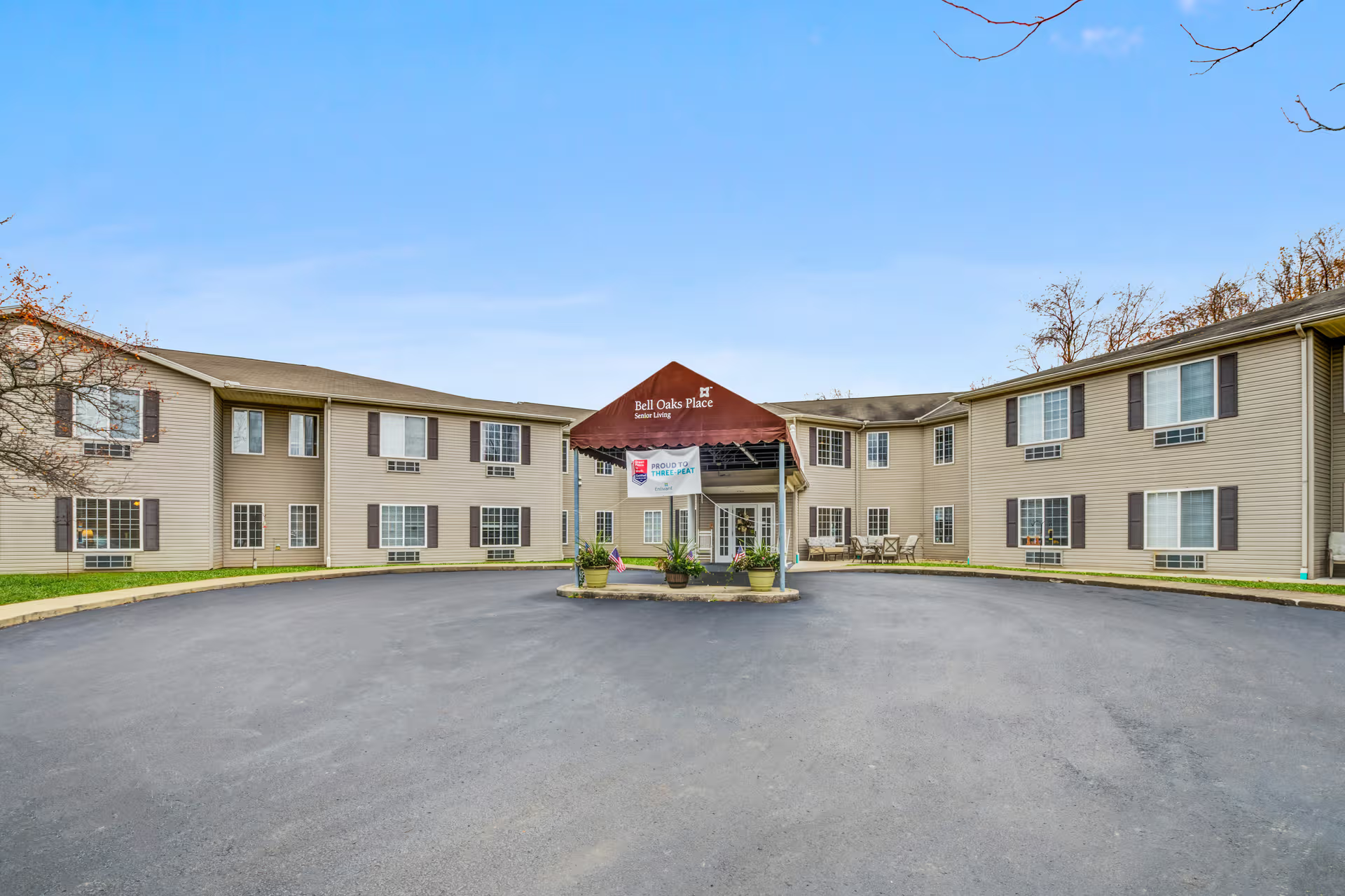
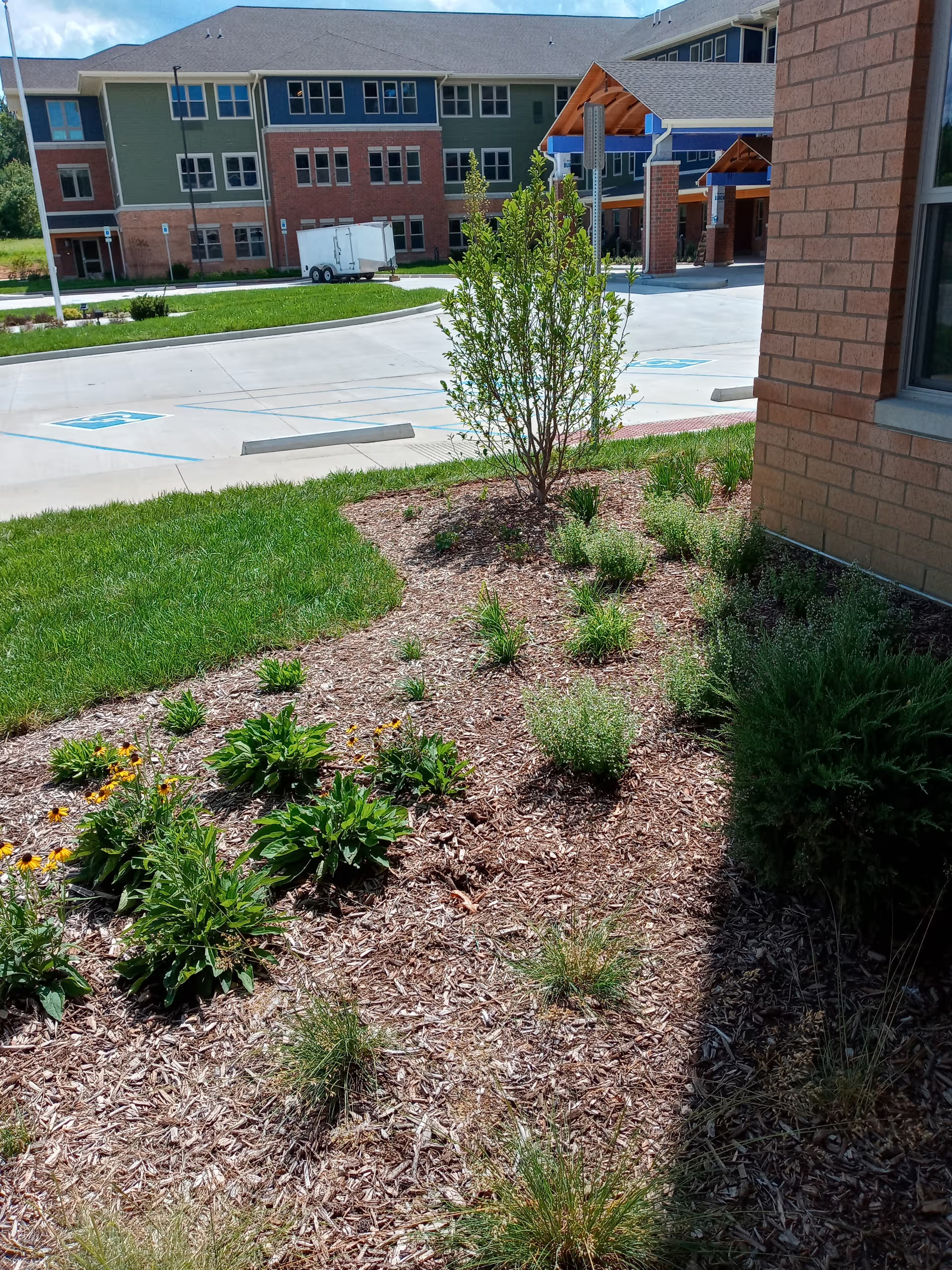
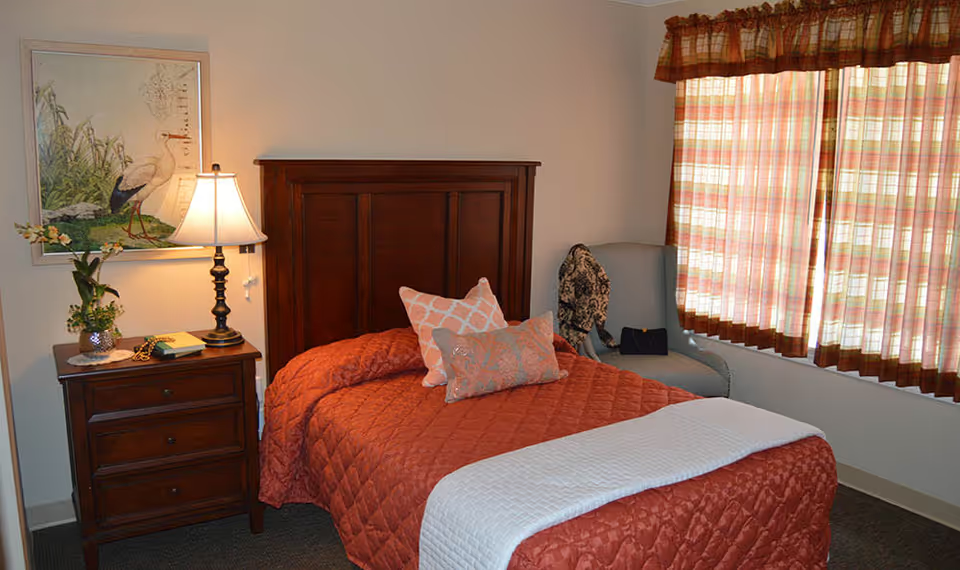
Facilities and cleanliness: Physical upkeep and housekeeping receive favorable comments: clean rooms, prompt maintenance response, and pleasant grounds with mature trees. Conversely, reviewers flagged odor issues in some areas and isolated sanitation or hand-hygiene concerns. The building’s older design is also noted; while the setting is attractive, the layout and décor may not be ideal for residents with advanced memory-impairment needs.
Management and operational patterns: Several reviews praise responsive administration and good communication when it occurs, including timely record handling and engaged leadership around care plans. At the same time, there are reports of management turnover, supervisory actions (employment changes and suspensions), and inconsistent family communication during clinical events or transfers. These themes point to strengths in leadership when present but also to gaps in consistency of oversight and in processes for transfers, property tracking, and infection-control adherence.
Bottom line: Hermitage demonstrates clear strengths in rehabilitation, individualized caregiving, resident engagement, and facility upkeep. Prospective residents and families should weigh those strengths against operational variabilities described in transitions of care, some staffing conduct and responsiveness issues, occasional dining inconsistencies, and the facility’s suitability for memory-care needs. Asking targeted questions about transfer protocols, infection-control measures, private-room availability on the desired unit, and recent management or staffing changes can help families assess fit and mitigate the operational concerns noted by reviewers.