Signature HealthCARE at Hillcrest elicits strongly polarized experiences. Many families and residents describe a warm, home-like culture driven by a cohort of dedicated staff: CNAs, nurses, therapists and activities personnel receive consistent praise for compassion, attention to residents, and effective rehabilitation that often results in timely discharge home. The therapy team in particular is frequently singled out for producing rapid functional gains. Recreational programming is active and varied, with arts-and-crafts, outings, spiritual opportunities and social events that contribute to resident engagement and quality-of-life initiatives.
Clinical care perceptions are mixed. Positive accounts emphasize attentive nursing and aide care, proactive case-management communication, and solid post-acute coordination. However, a number of reviews point to operational weaknesses that affect safety and clinical reliability: concerns about medication-management processes, fall-prevention practices, pressure-injury prevention, and variable responsiveness to acute symptoms or infections. A small number of serious individual claims about dignity, privacy, and end-of-life handling were raised; these stand apart from routine complaints and are described here as allegations that warrant further inquiry by families and regulators.
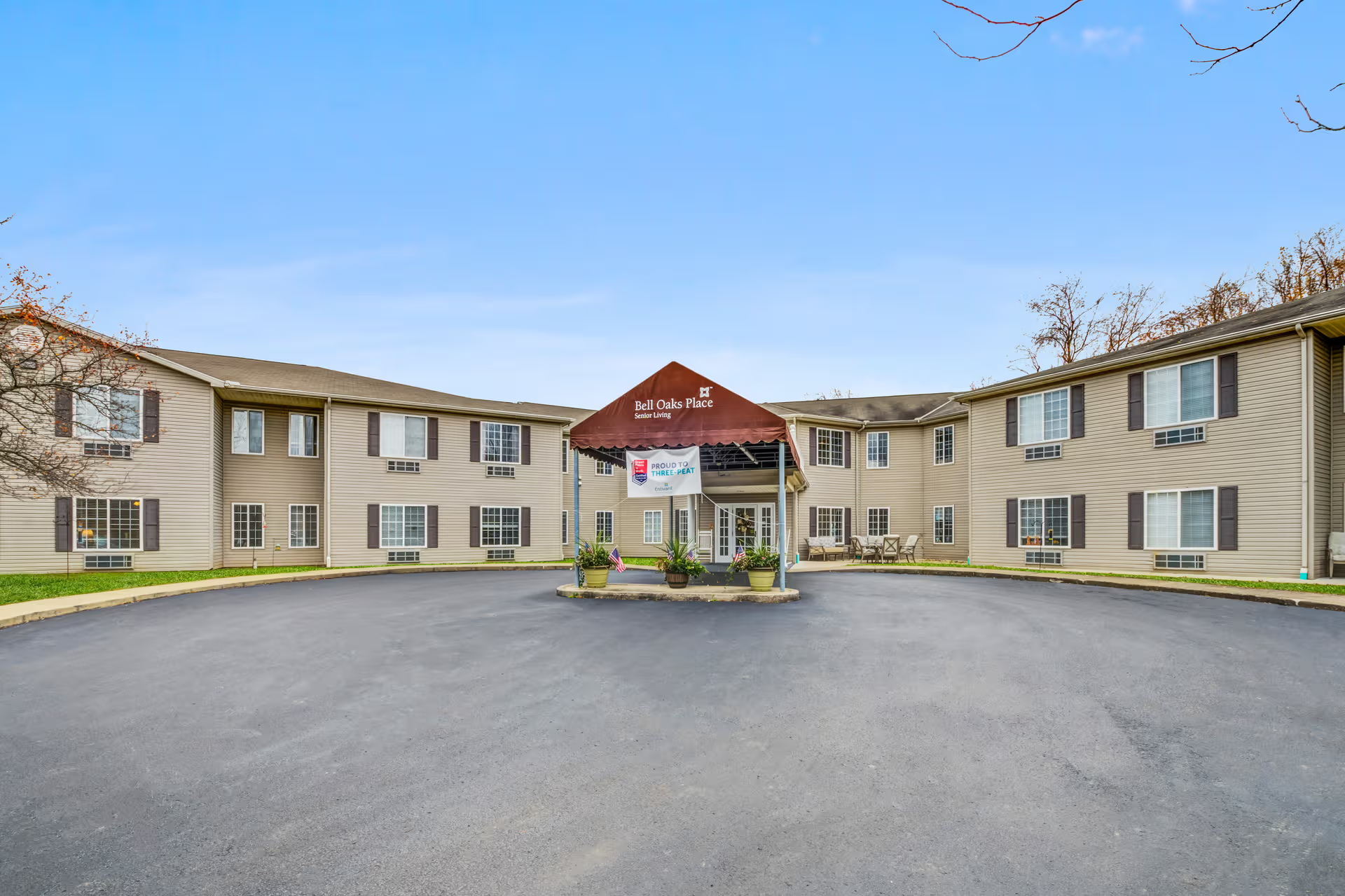
Facility condition and maintenance present a similar contrast. Several reports describe clean, bright common spaces, fresh air, and a welcoming scent, while others identify dated decor, peeling paint, broken fixtures and localized odor concerns. These maintenance issues contribute to perceptions of uneven upkeep across the building and can affect first impressions despite many positive comments about housekeeping.
Dining and domestic services vary across reports. Multiple families commend accommodating kitchen staff and appealing meal options; others note inconsistent meal quality, limited portions or service lapses. Housekeeping and laundry performance is generally described as diligent, but there are recurring operational concerns about the handling and tracking of residents’ personal belongings and clothing.
Staffing and management receive both praise and criticism. Leadership and some administrators are described as knowledgeable, communicative and solution-oriented; many families report good social-work involvement during transitions. At the same time, reviewers describe variability in staff conduct and empathy, with examples of unprofessional tone or slow response times. This variability suggests uneven staff training, supervision or staffing ratios across shifts and units, with particular strain noted in higher-acuity and dementia care areas.
For prospective residents and families, the dominant patterns are clear: Hillcrest provides strong rehabilitation services and benefits from a cohort of highly committed caregivers and engaging recreational programming, but there are important operational concerns to consider. Families evaluating the facility should ask targeted questions about medication protocols, fall- and pressure-injury prevention strategies, dementia-unit staffing and engagement plans, maintenance schedules, infection-control practices, and the facility’s procedures for handling personal belongings. Where possible, a tour of multiple units, meetings with therapy and nursing leadership, and conversations with current family members can help assess whether the facility’s strengths align with an individual resident’s needs.