Overview: Reviewer feedback for Friendship Health & Rehab is mixed but consistent in identifying both strong clinical/rehabilitative strengths and operational weaknesses. Many families describe positive personal interactions with nurses, therapists and departmental leaders, and cite successful short-term rehab outcomes and supportive transitions into personal care or assisted living. At the same time, a subset of reviews raises serious operational concerns around staffing, monitoring, and property controls that prospective families should evaluate during a visit.
Care quality and clinical monitoring: Therapy and nursing teams receive frequent praise for individualized therapy plans, measurable rehab progress, and effective coordination during hospital discharge. Several reviewers specifically commended occupational and physical therapy staff for promoting independence. However, other comments describe inconsistent caregiving responsiveness and gaps in clinical monitoring — examples cited include missed clinical checks (for example, blood-glucose monitoring) and delays in assistance for toileting or hygiene needs. These reports point to periodic breaks in continuity of clinical oversight rather than uniformly poor clinical care.
Staff and management: Many reviewers characterize direct-care staff as warm, family-like, and communicative; families reported clear, frequent updates from department heads, and staff who went beyond expectations during transitions. Admissions and finance staff were also described as welcoming and helpful. Contrastingly, there are recurring references to high staff turnover, understaffing, double shifts, and variability in CNA conduct. Management stability and supervisory oversight appear uneven across reviews — this variability is associated with differences in day-to-day resident experience. There are also isolated but serious assertions about missing personal items and mail handling; these have been described as allegations and suggest the facility’s property-security controls merit attention from families.
Dining and activities: The facility provides three meals daily and organizes seasonal programming, holiday dinners, weekly activities, bingo, concerts, and a Sunday church service. Many residents and families praised the food and festive dining-room decorations, while others found meal quality and timing inconsistent and noted distractions in the dining room. An on-site salon is available for additional fees. Overall, social programming and holiday events are strengths, with variability in the dining experience.
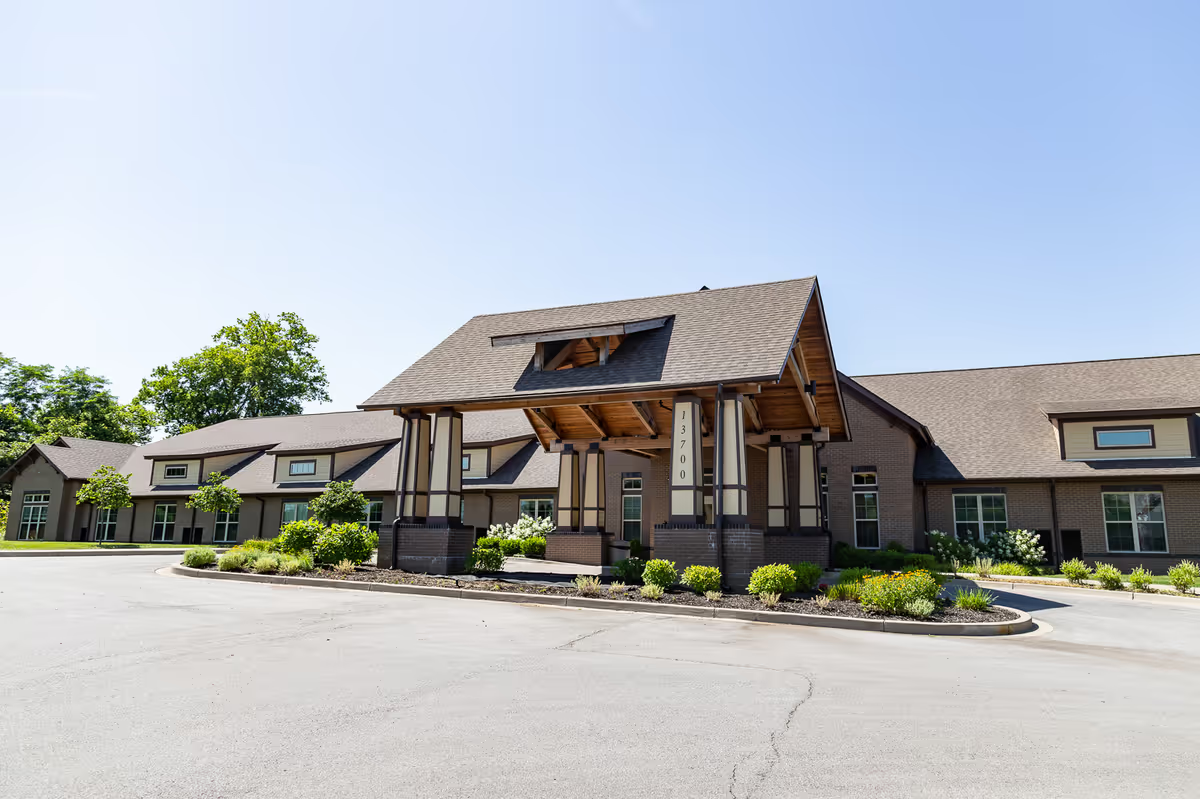
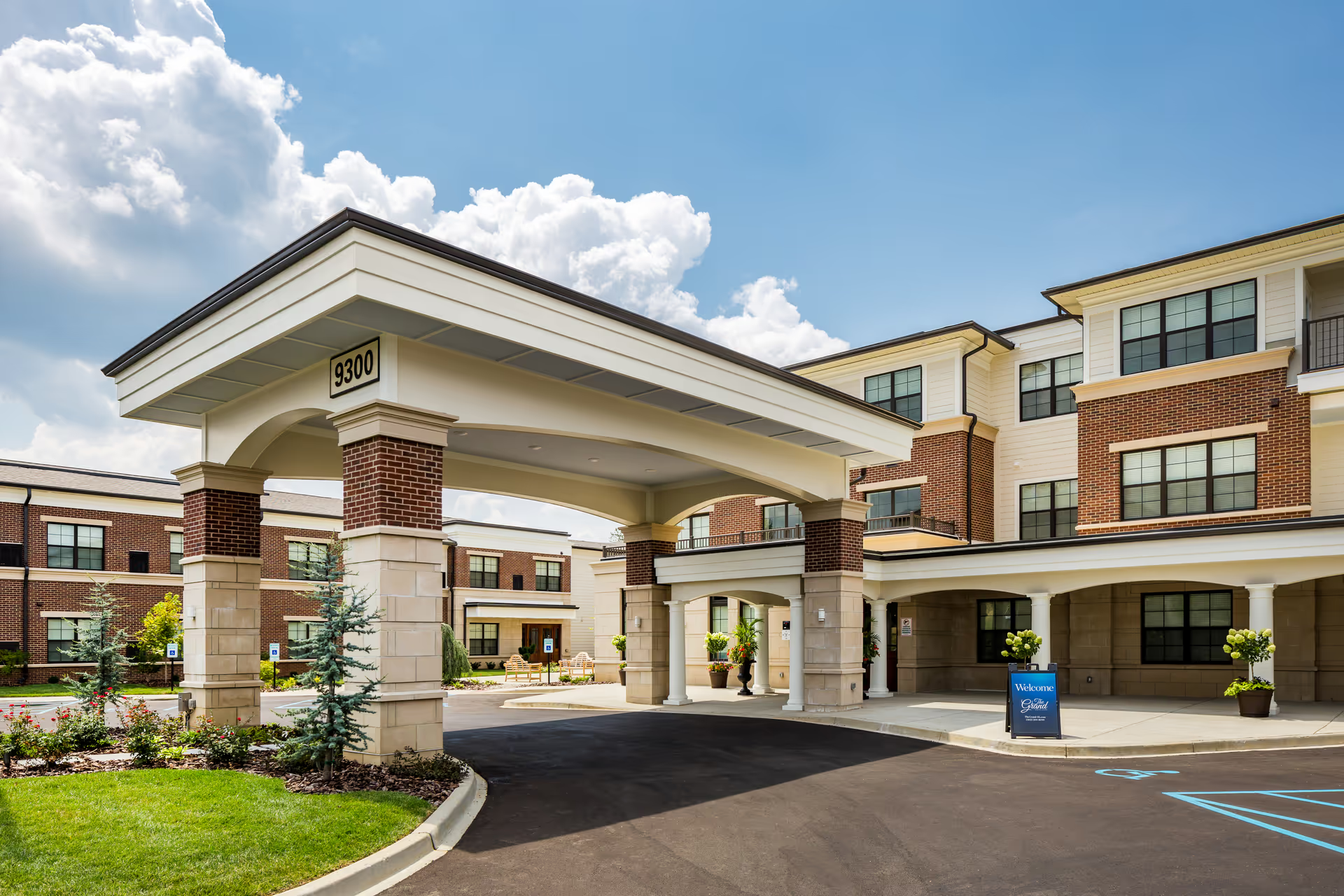
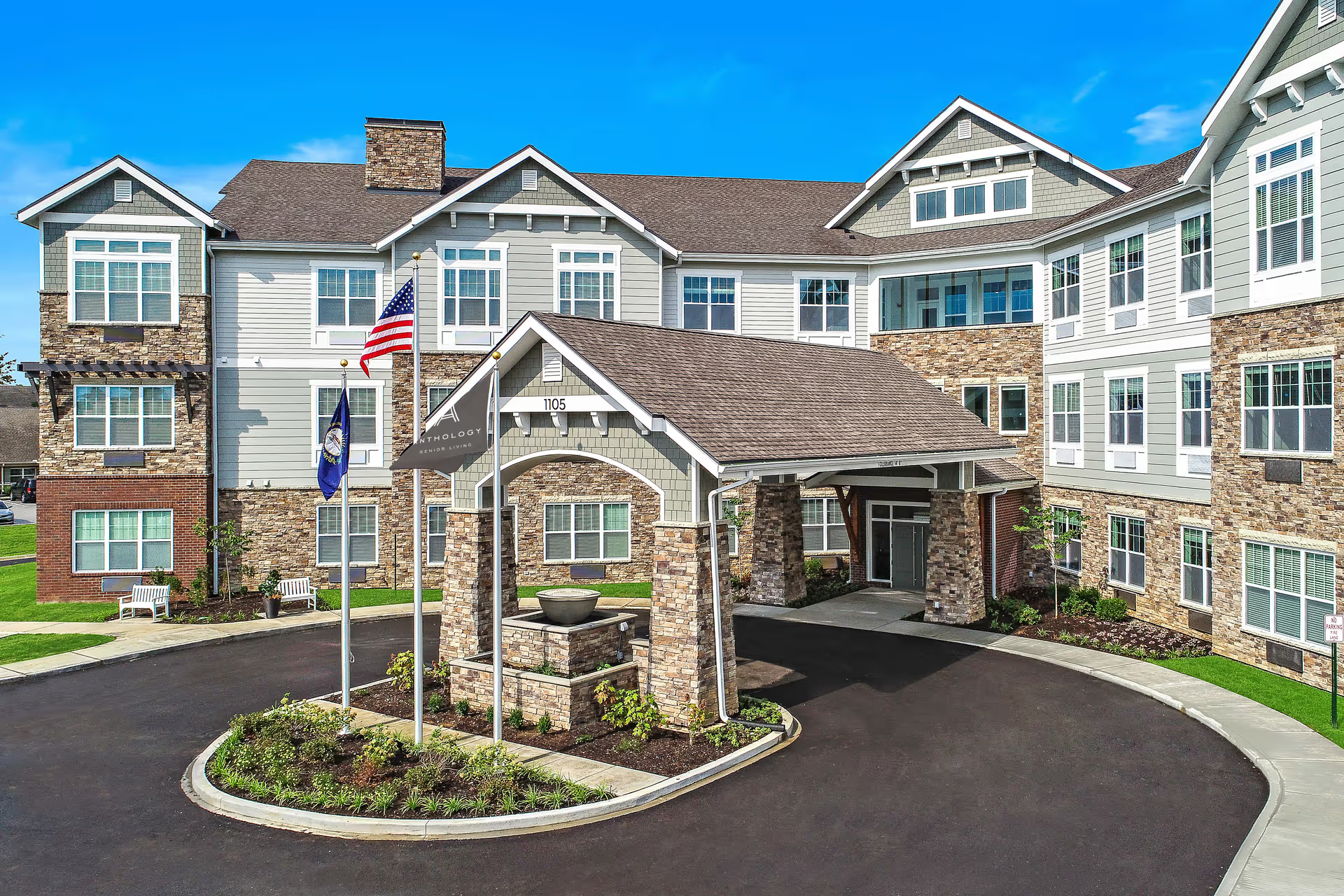
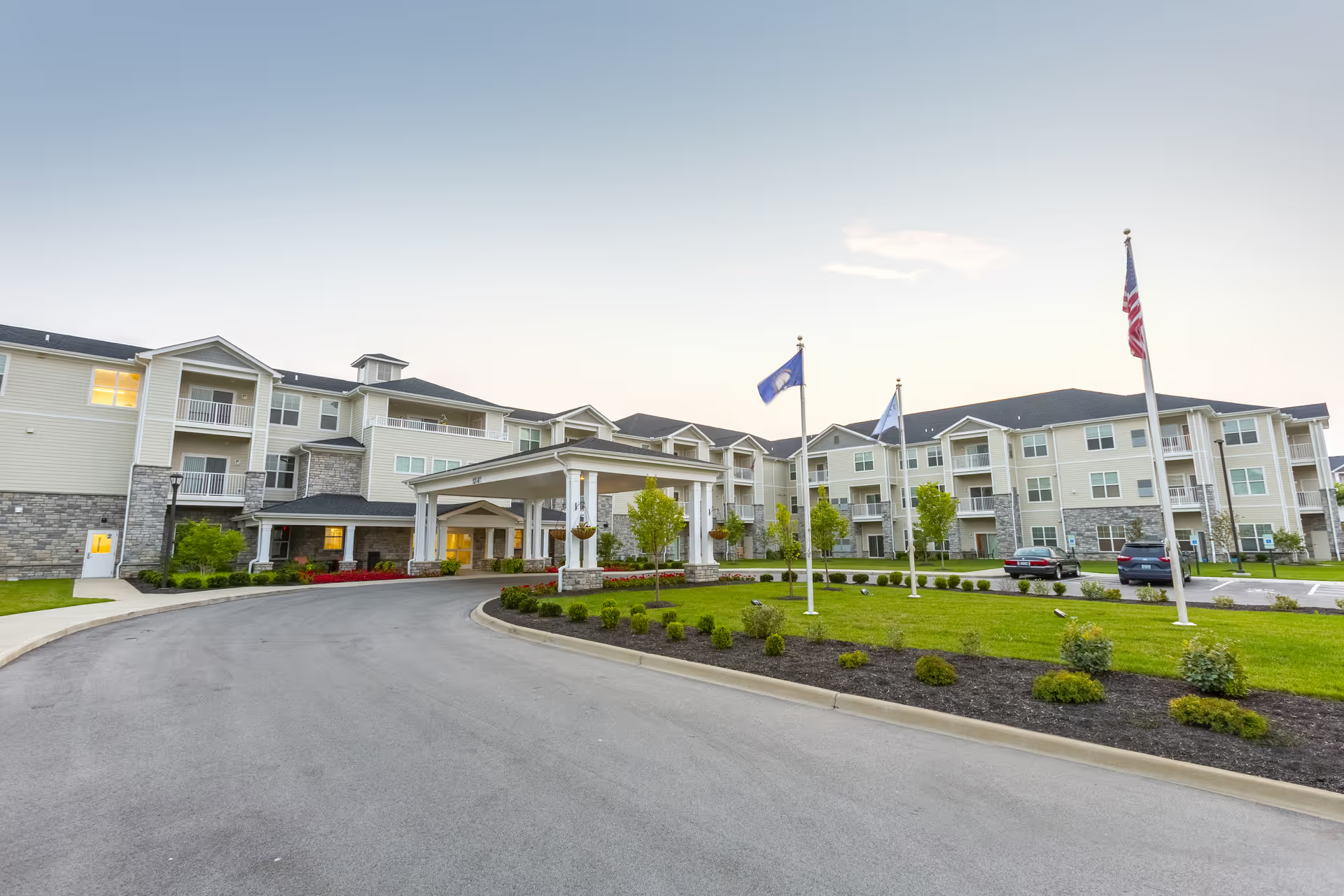
Facilities and environment: Several reviewers reported a renovated interior, well-kept grounds, and pleasant common areas. Others noted older sections of the building and maintenance variability; some described sanitation concerns and uneven cleanliness in resident rooms or certain units. Transportation for specialty appointments and the use of FaceTime/window visits during infection-control periods were highlighted as useful operational features.
Notable patterns and advice for families: The dominant pattern is one of strong rehabilitative and interpersonal care by many staff members, paired with operational inconsistencies likely driven by staffing turnover and supervisory gaps. Prospective residents and families should verify current staffing ratios, ask about clinical-monitoring protocols (including routine checks and response times), inspect cleanliness in the specific unit, and inquire about property/mail security practices. Requesting recent staffing data, examples of communication protocols following incidents, and observing meal service and activity programming during a tour can help clarify whether the facility’s current operations match the positive experiences other families described.