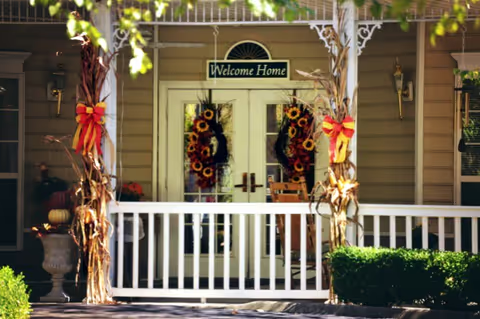
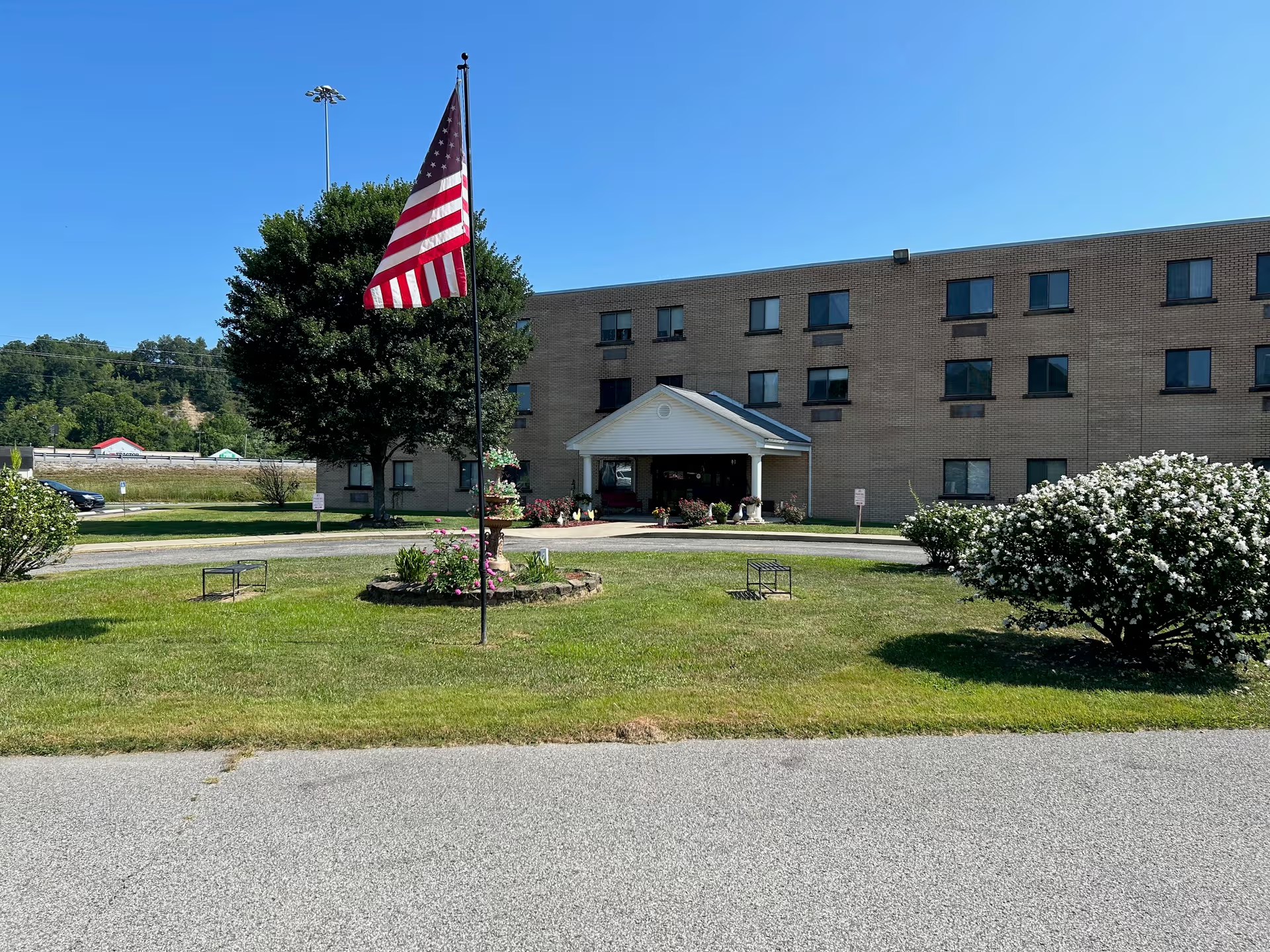
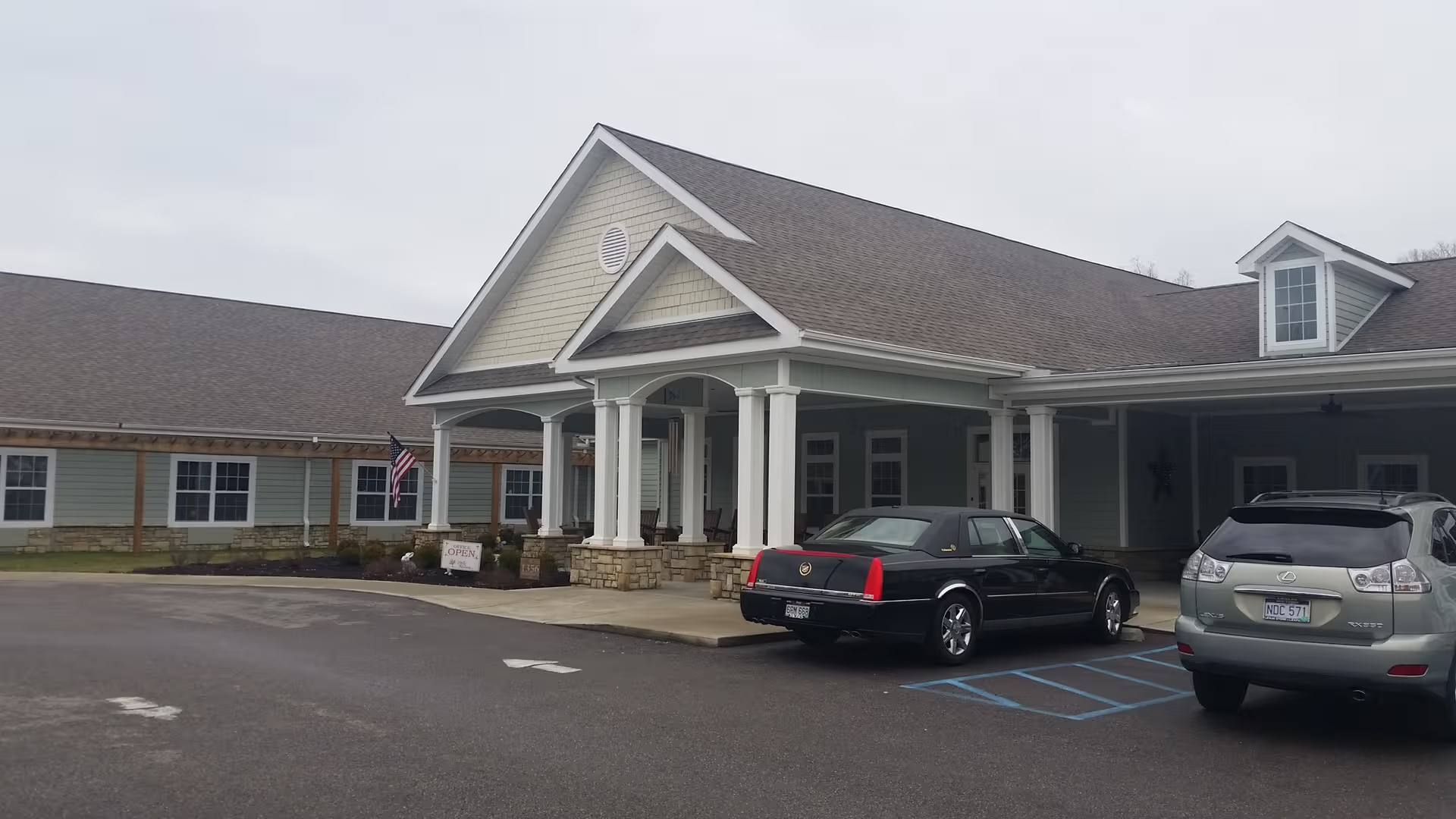
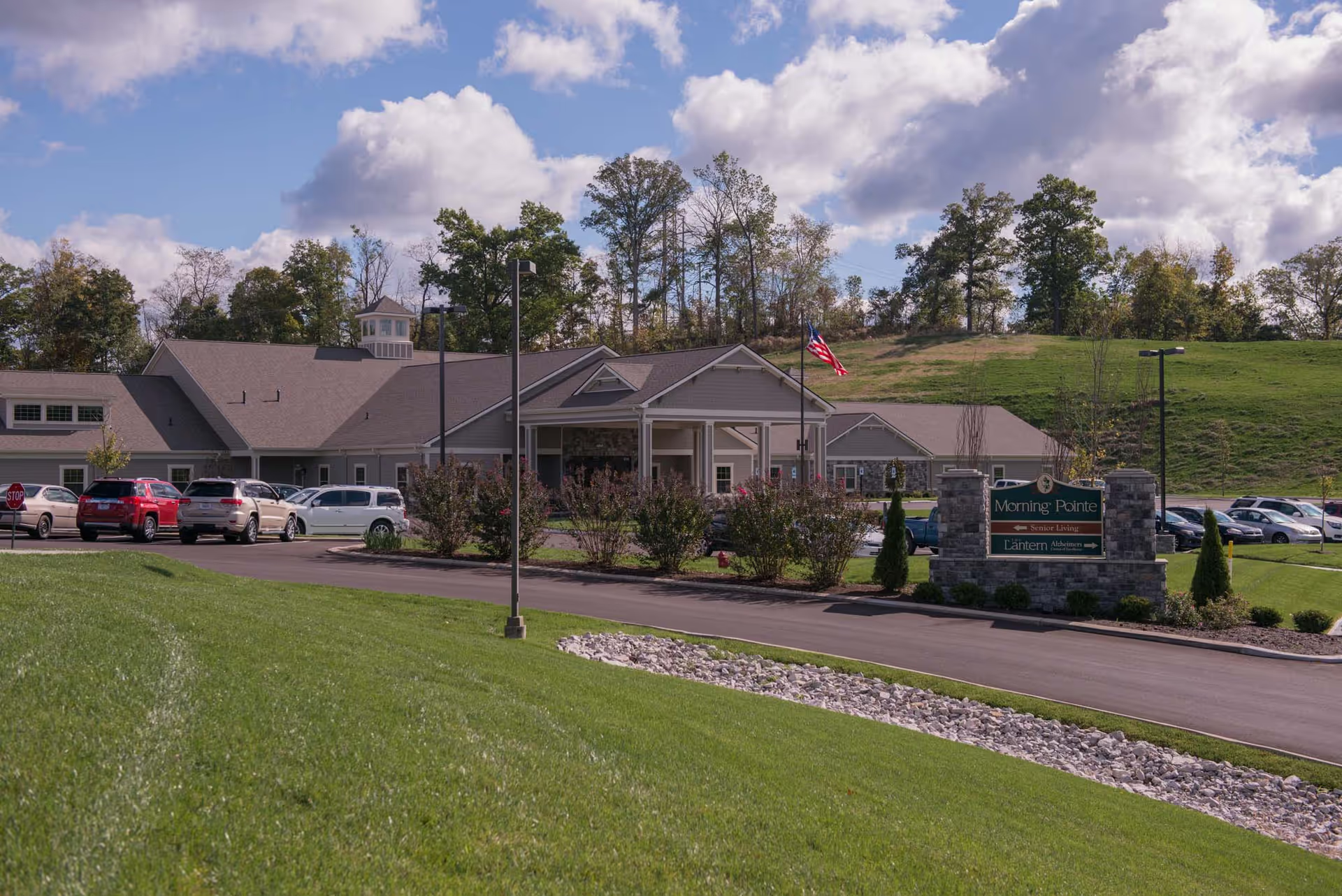
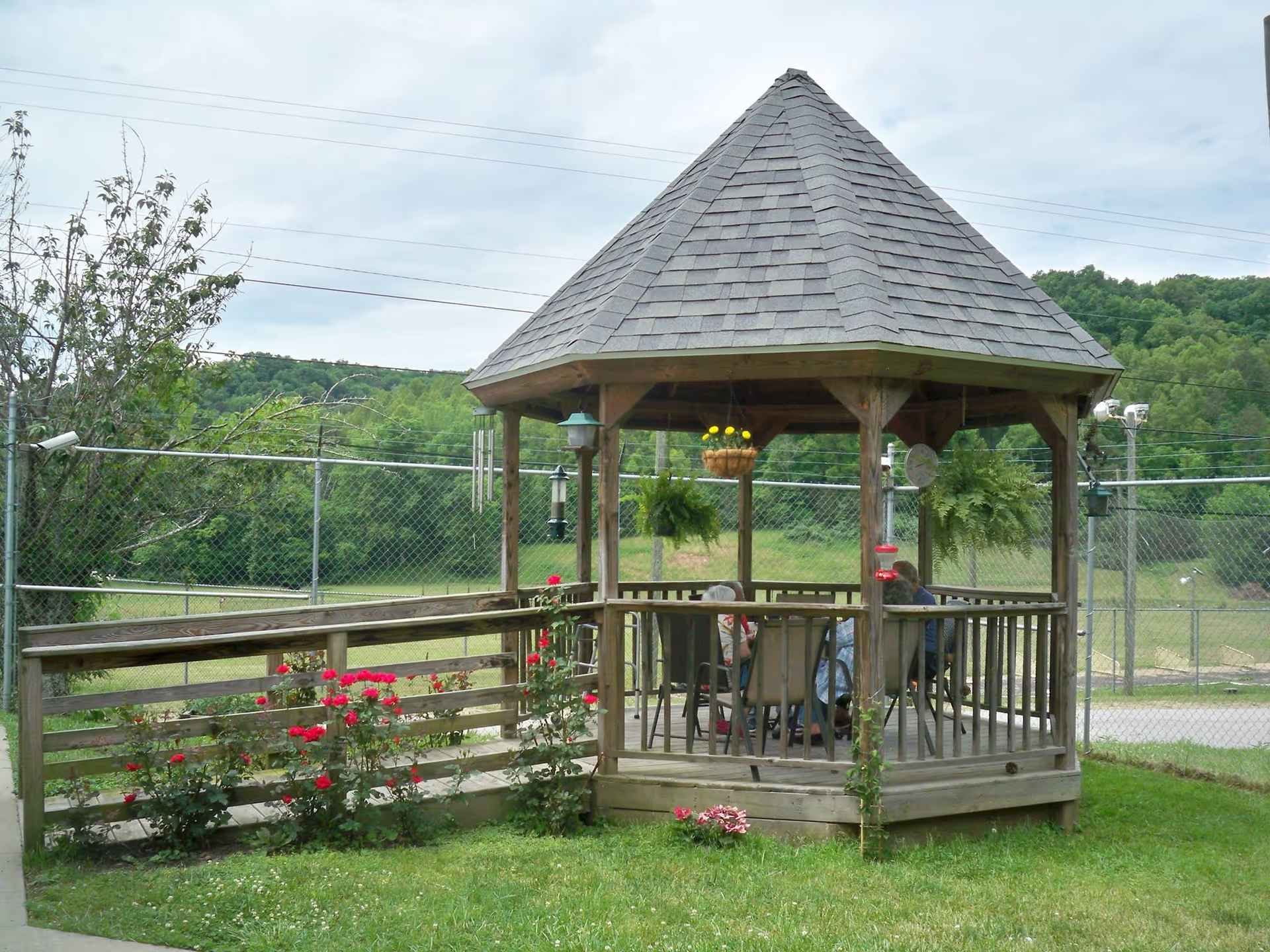
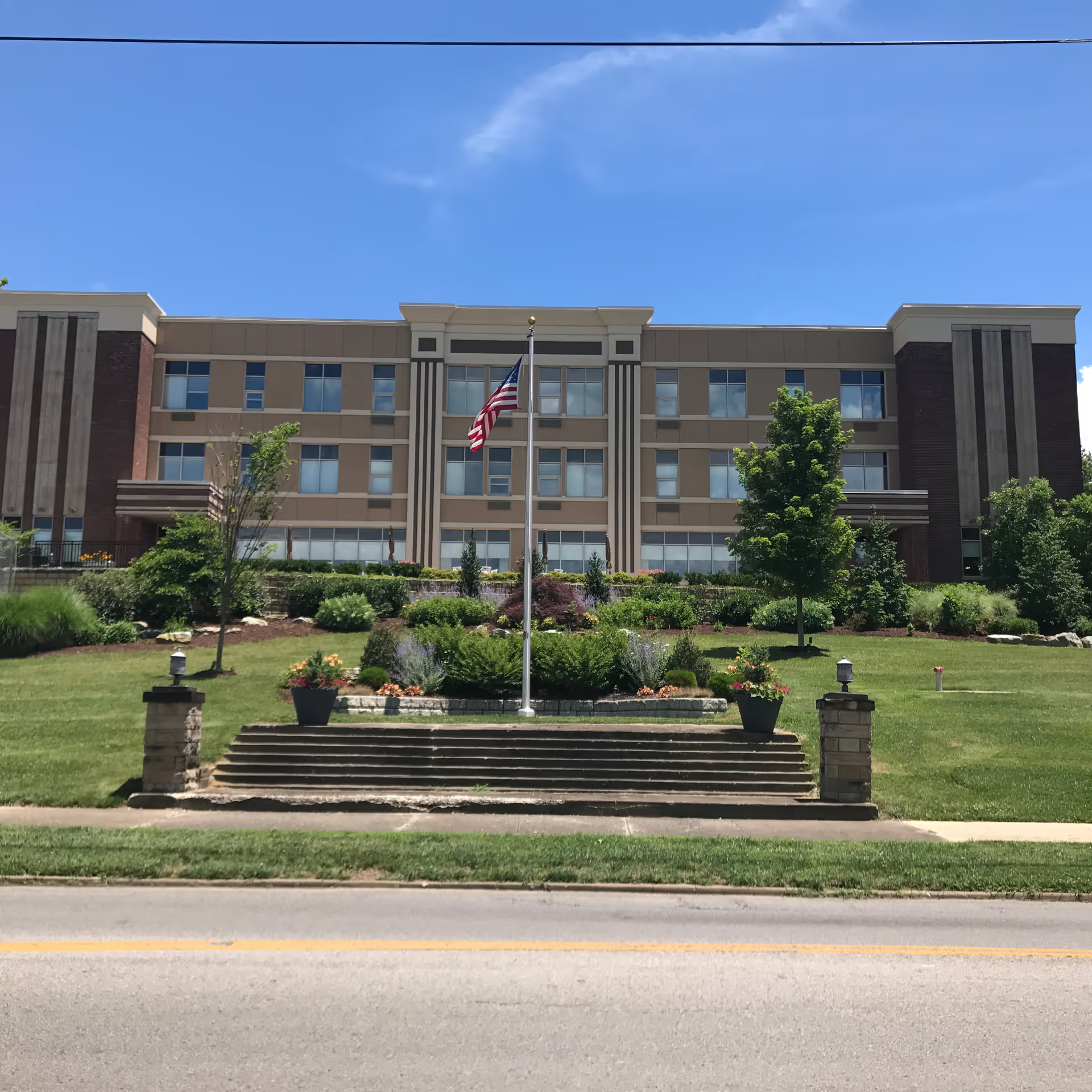
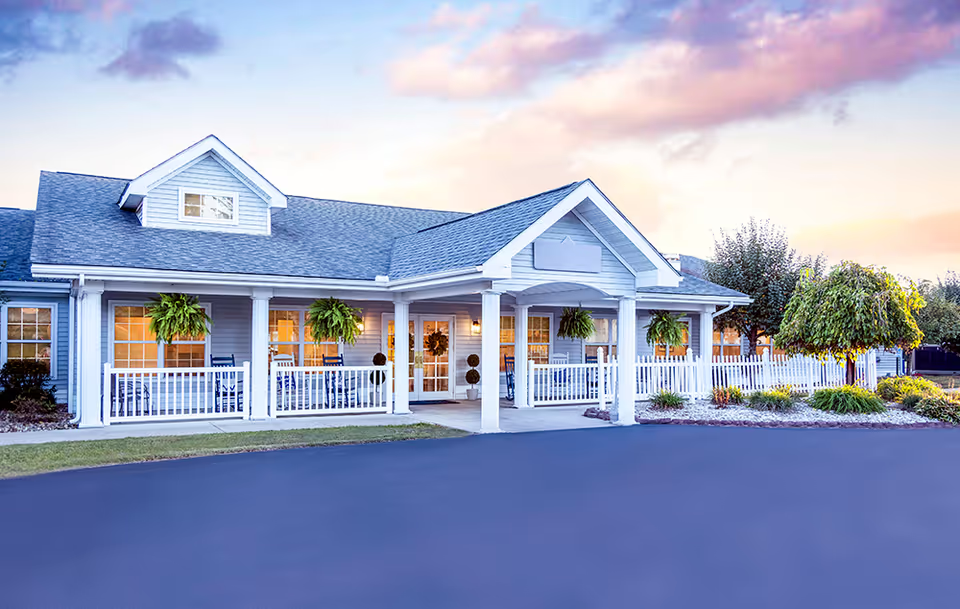
Overall impression: The facility is generally described as homelike and well maintained, with warm décor and an environment that departs from a typical institutional feel. Commonly cited strengths include attentive, compassionate staff and a community atmosphere in which residents are treated like family. Cleanliness of rooms and common areas, large social spaces, and a variety of on-site amenities (movie theatre, library, barber shop) contribute to a positive living environment.
Care and staff: Care quality is frequently praised—staff are characterized as present, engaging, and genuinely caring. Many accounts emphasize personalized care plans and responsive attention from nursing and support personnel. That said, there is an operational pattern of inconsistent staffing that can lead to variability in day-to-day care continuity; prospective families should ask about current staffing levels and turnover when evaluating placement.
Therapy and rehabilitation: Rehabilitation services receive consistently high marks, with multiple mentions of effective physical therapy and positive post-stroke outcomes. Therapy staff are described as skilled and instrumental to successful recoveries. A smaller number of comments indicate constraints around therapy frequency or scheduling for some patients, so families with intensive rehab needs should confirm expected therapy intensity and scheduling during intake.
Dining and activities: Dining is generally viewed positively—meals are described as nutritious and accommodating of dietary needs, and there are specific mentions of enjoyable offerings. The Quality of Life/activities department appears active and involved, providing a range of social programs (e.g., Mardi Gras events, line dancing, art classes) that encourage resident participation and socialization. These programming elements reinforce the facility’s family-like culture and community involvement.
Facilities and management: The physical plant is described as well kept, with clean rooms, bathrooms, and sizable entertainment areas. Management involvement in resident quality of life is noted as a strength. Operationally, however, the facility enforces visitation limitations that some families found restrictive; combined with occasional communication and coordination gaps during care transitions, this can increase family stress. Prospective residents and families may want to clarify visitation policies and preferred communication pathways with management.
Overall recommendation: The balance of feedback portrays a facility that provides compassionate, effective care and a rich activity program in a homelike setting, with particularly strong therapy services. Operational areas to probe further during a tour include staffing consistency, therapy scheduling and intensity for specific needs, visitation flexibility, and mechanisms for family communication during transitions. Addressing those questions directly will help families confirm whether the facility’s strengths align with their priorities.