The Lantern at Morning Pointe - Russell is consistently portrayed as a memory-care-focused community with strong clinical and social supports. Reviewers emphasize a Center of Excellence approach to dementia care, with staff described as compassionate, skilled, and well trained. Families and visitors commonly note quick, well-coordinated admissions and transitions, including hospice handovers, and credit the team with creating a therapeutic, secure, and home-like environment that supports resident engagement.
Care quality and staffing are the most frequent strengths identified. Staff are characterized as attentive, patient-centered, and dedicated; reviewers describe tailored care plans, professional conduct, and a calming presence for families. The community’s memory-care programming and activity offerings are highlighted for being meaningful and varied — exercise, outings, and structured activities are presented as regular parts of the daily schedule that encourage participation and social connection. These elements combine with a strong sense of community and visible resident enjoyment to create an overall positive resident experience.
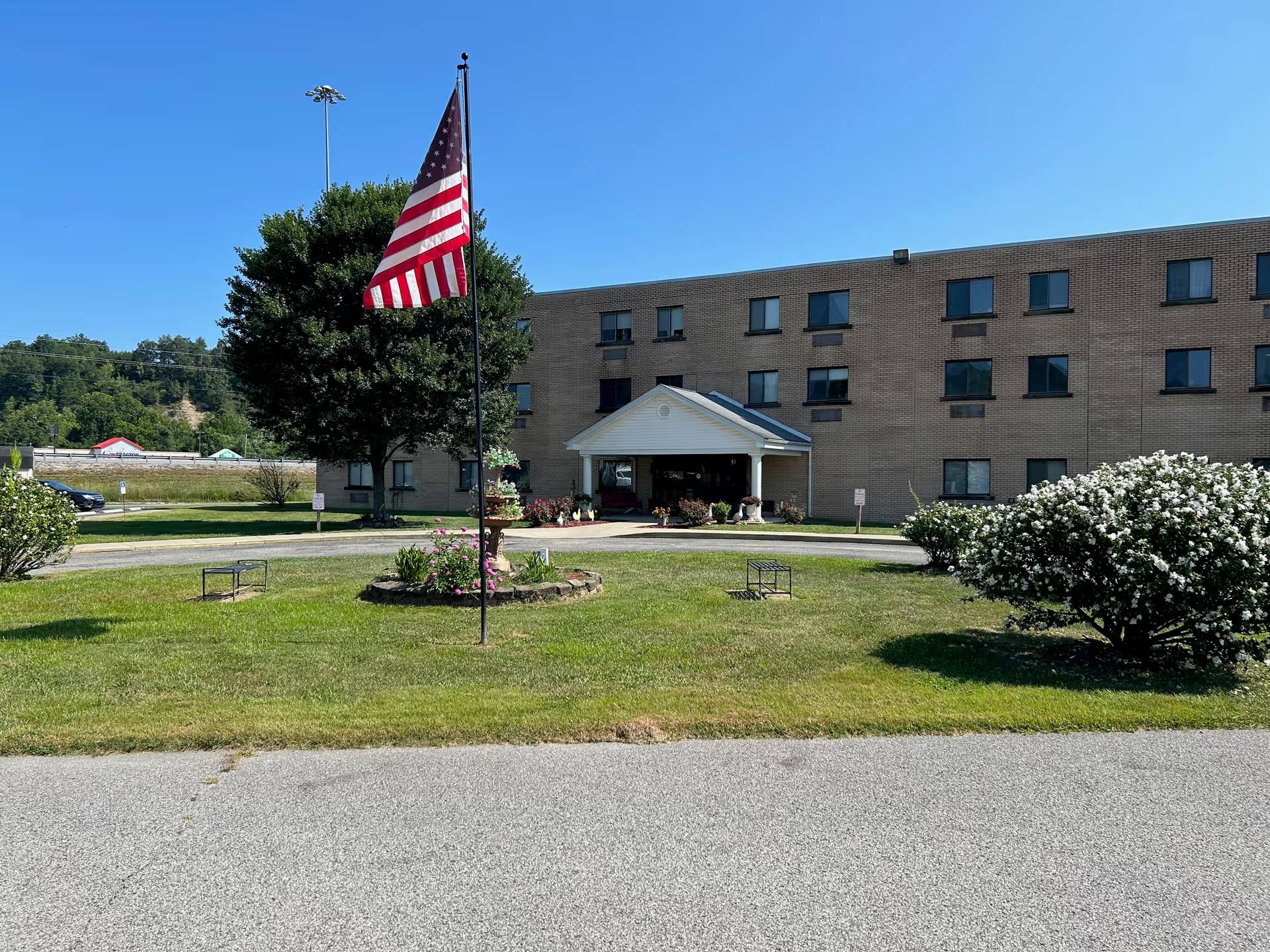
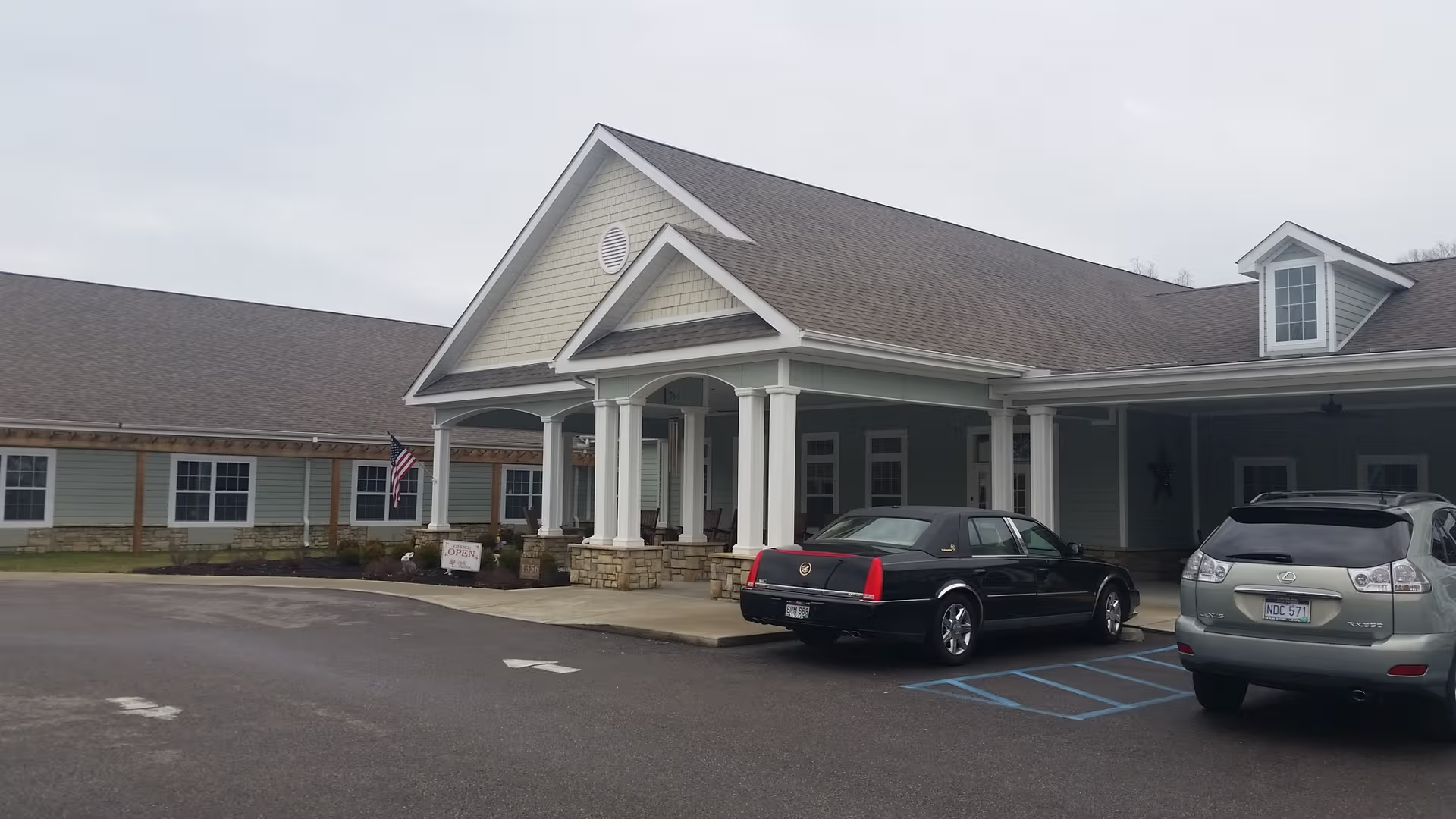
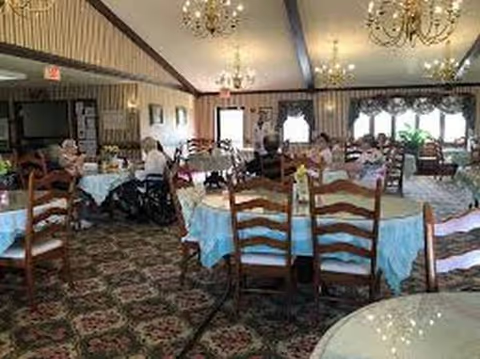
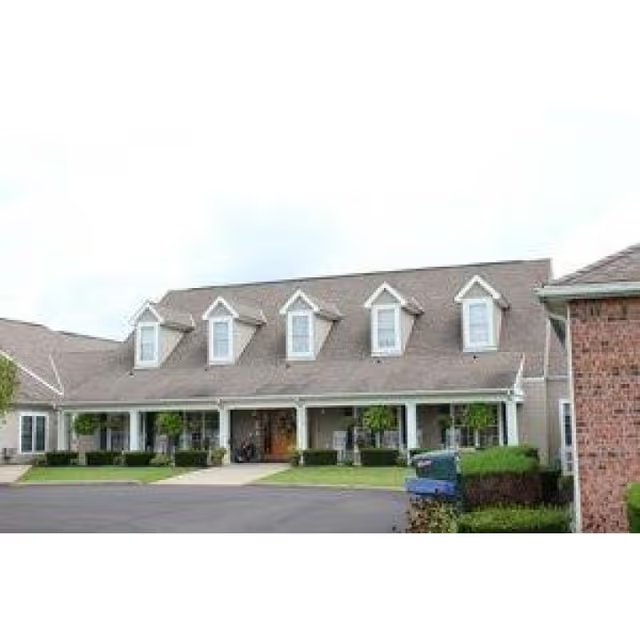
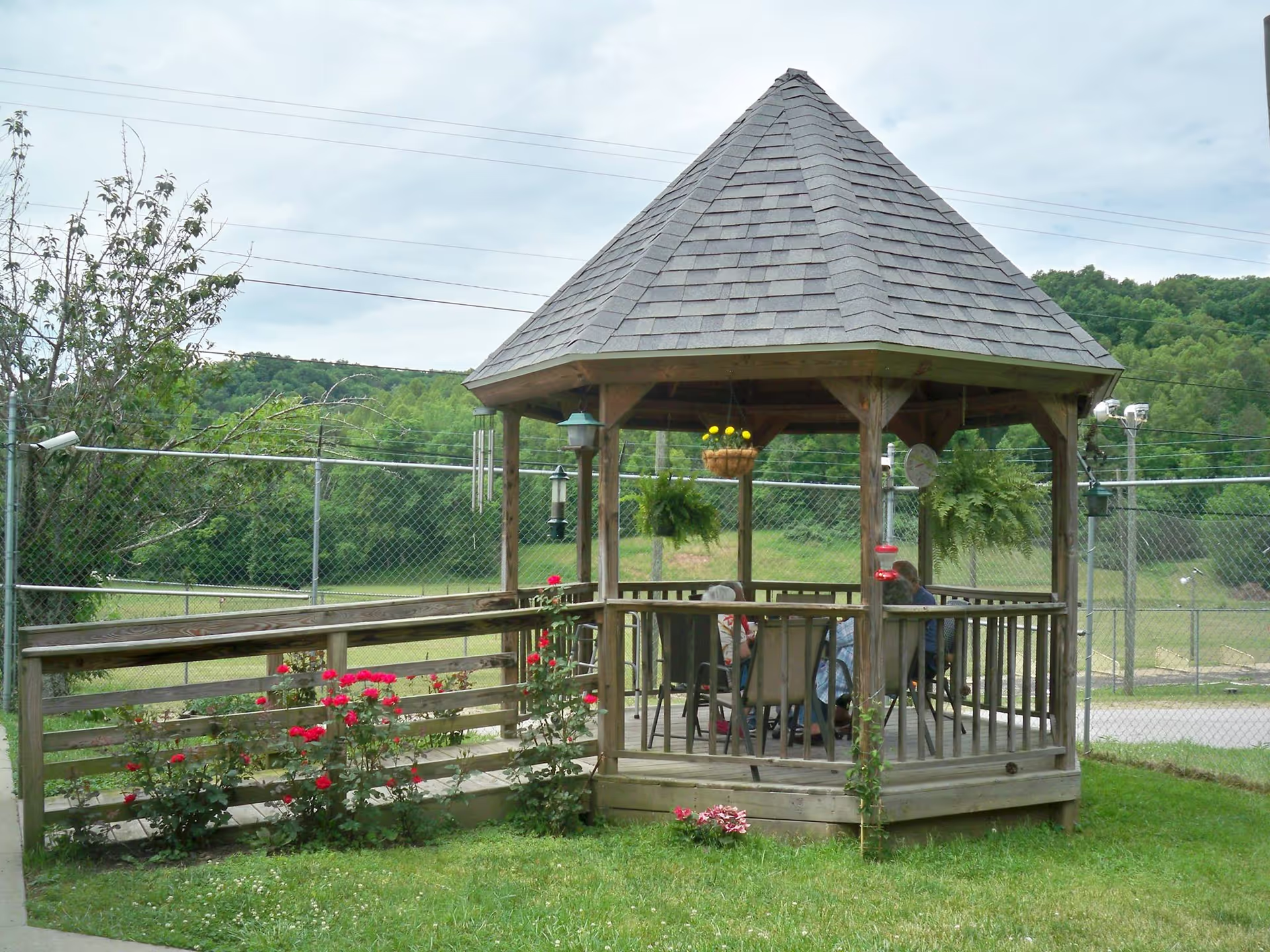
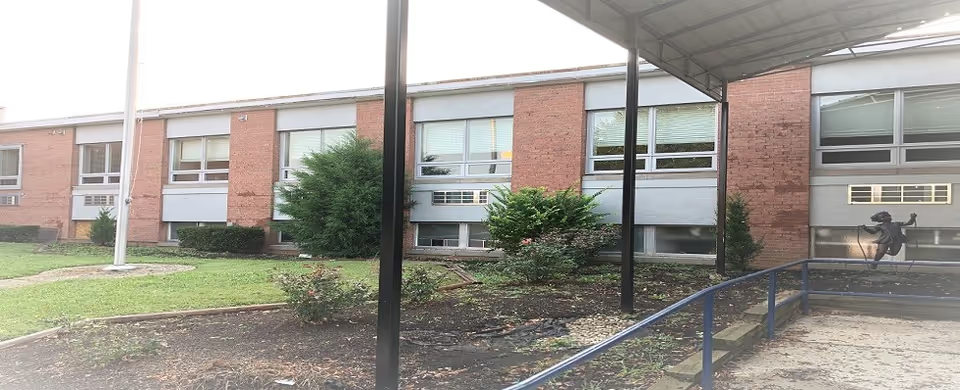
Dining and facility upkeep are also strong points. The dining program and kitchen manager receive particular praise for quality meals that residents enjoy, and the facility is described as modern, clean, and well maintained. Physical design and safety features are noted as appropriate for memory care, contributing to a secure environment that family members find reassuring. Management and the leadership team are seen as supportive and responsive, assisting with tours, admissions, and care-plan coordination.
The primary operational concerns relate to administrative and policy practices rather than day-to-day caregiving. Financial and move-related practices are the most commonly cited weaknesses: a non-refundable move-in fee, limited clarity around pricing, instances of post-discharge charges or account reconciliation issues, and gaps in room turnover or handling of personal items after move-out. A few comments also point to expectations around compensating delivery drivers or vendors that families found unclear. Finally, geographic distance may be a drawback for families living farther away.
Overall, the balance of commentary points to a facility with strong clinical and social programming for memory-care residents, bolstered by caring staff and a well-run dining and physical environment. Prospective families may wish to confirm administrative details up front — including move-in fee structure, billing and post-discharge procedures, room turnover policies, and vendor/delivery arrangements — and to discuss transportation or visiting plans if distance is a concern.