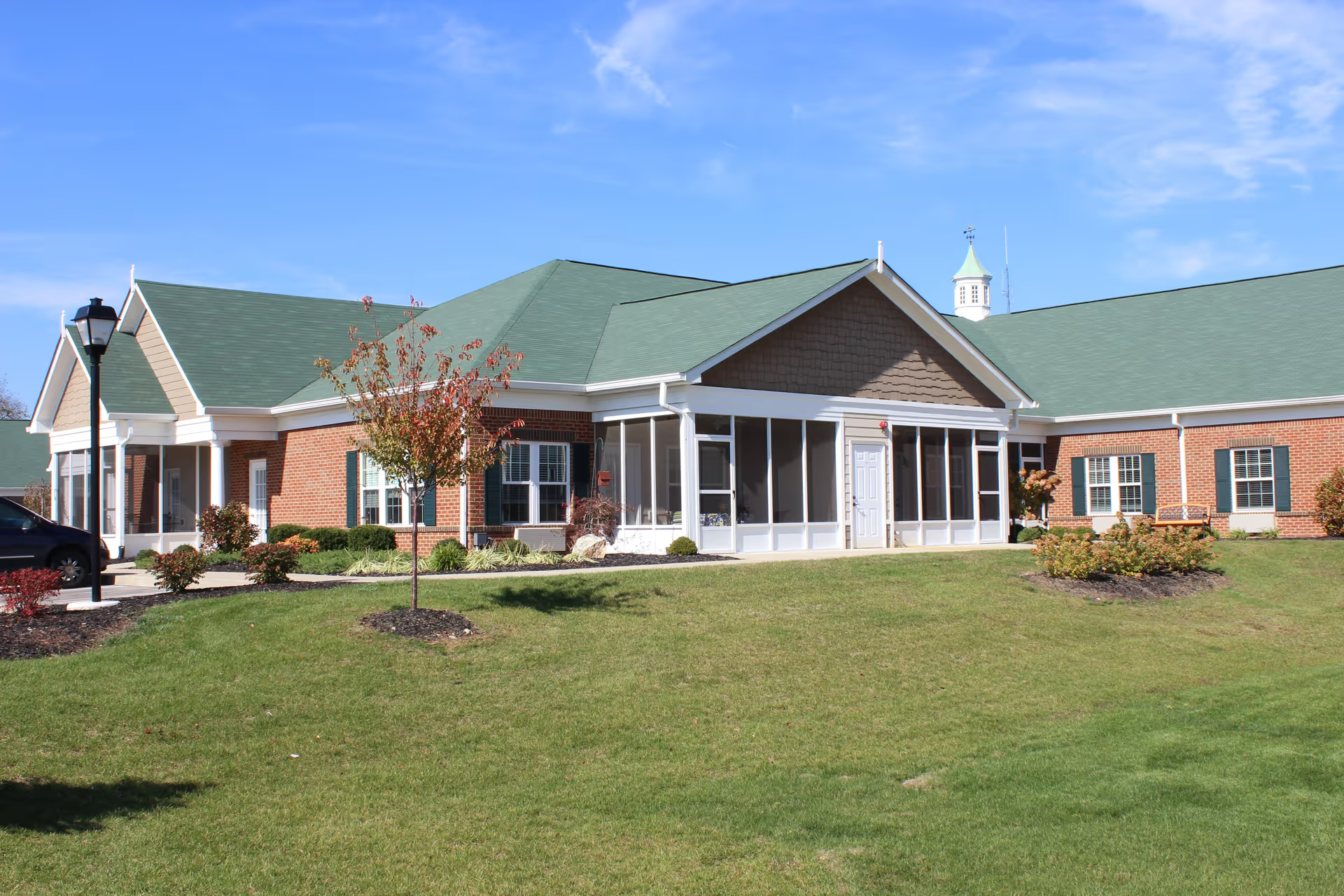
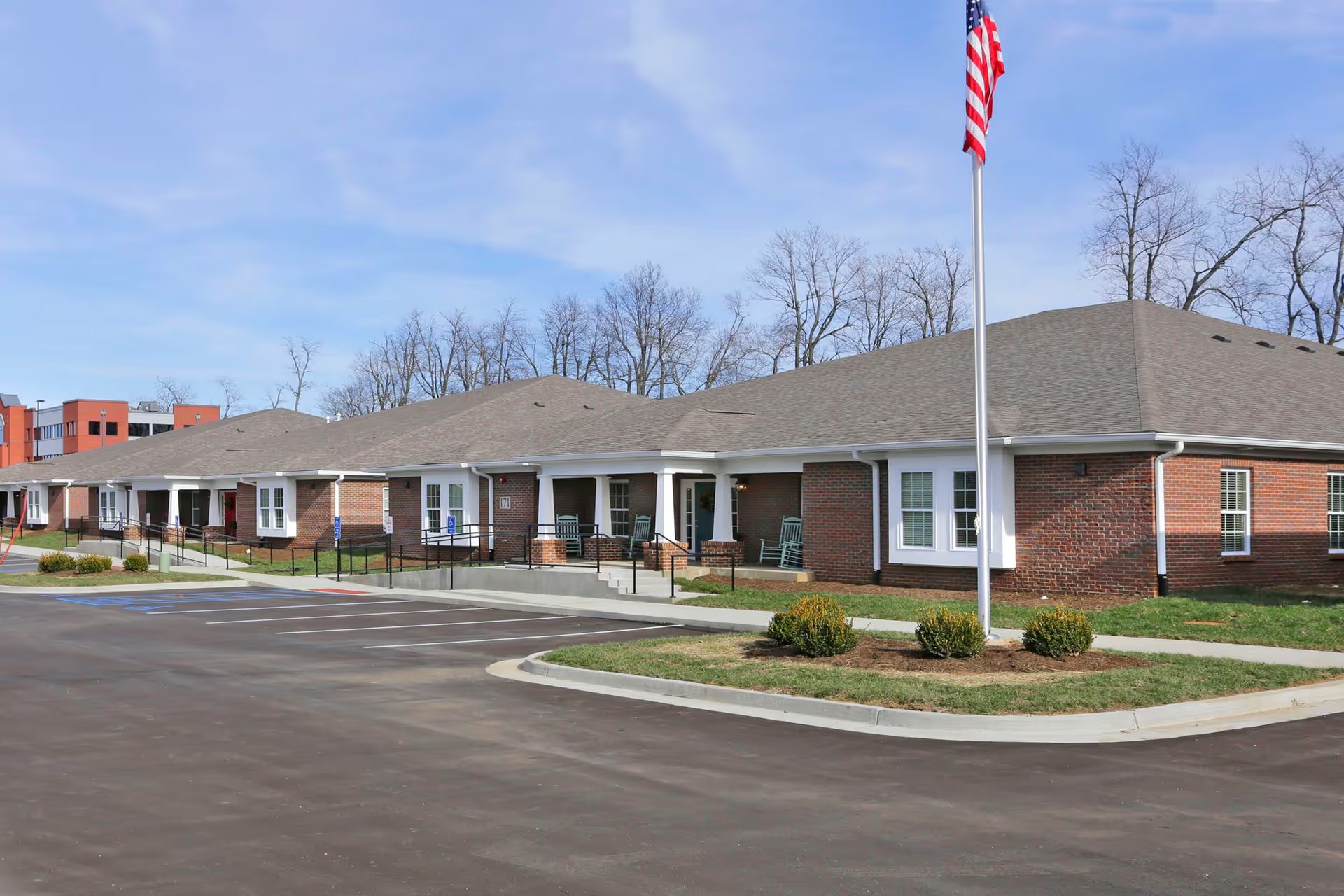
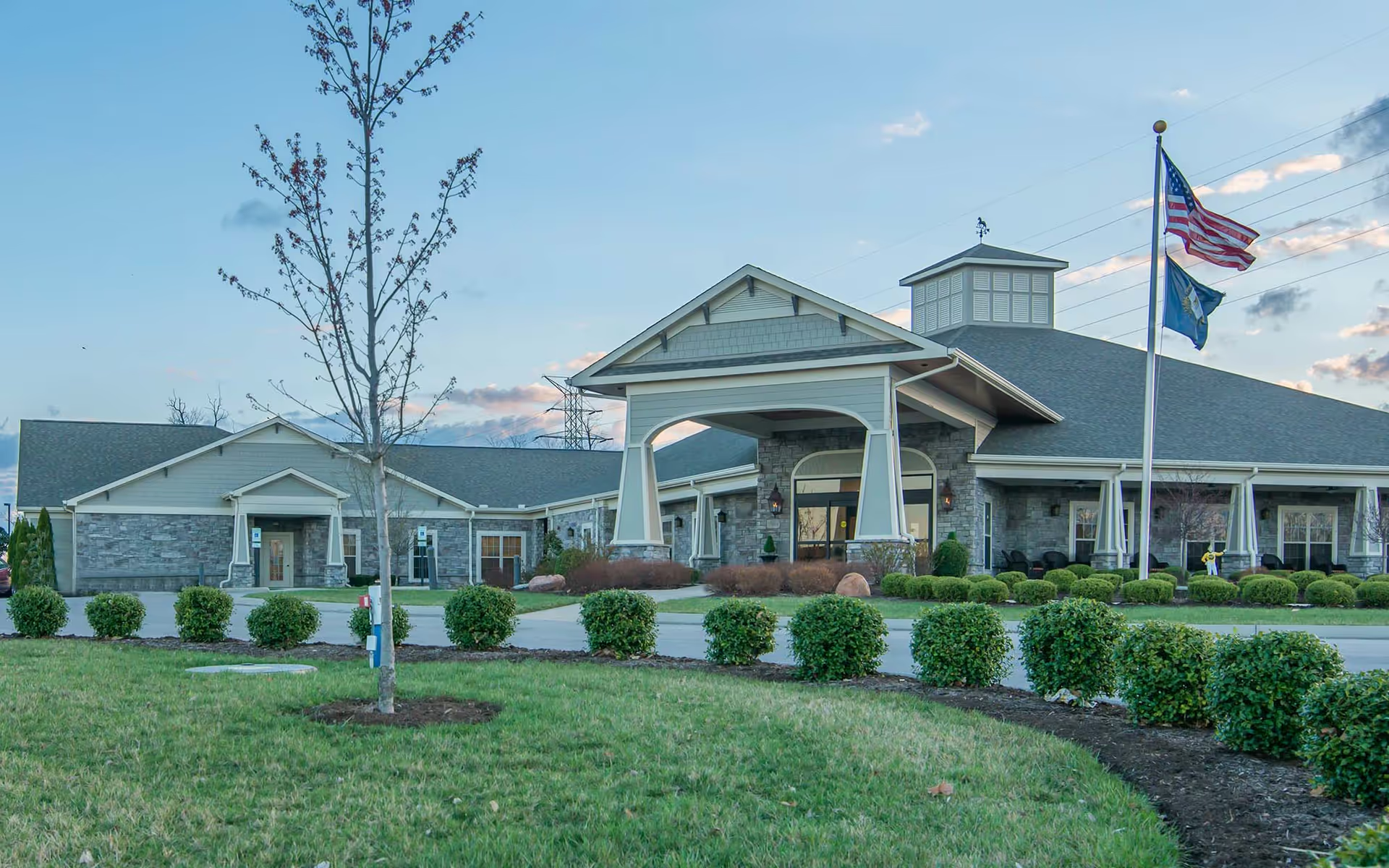
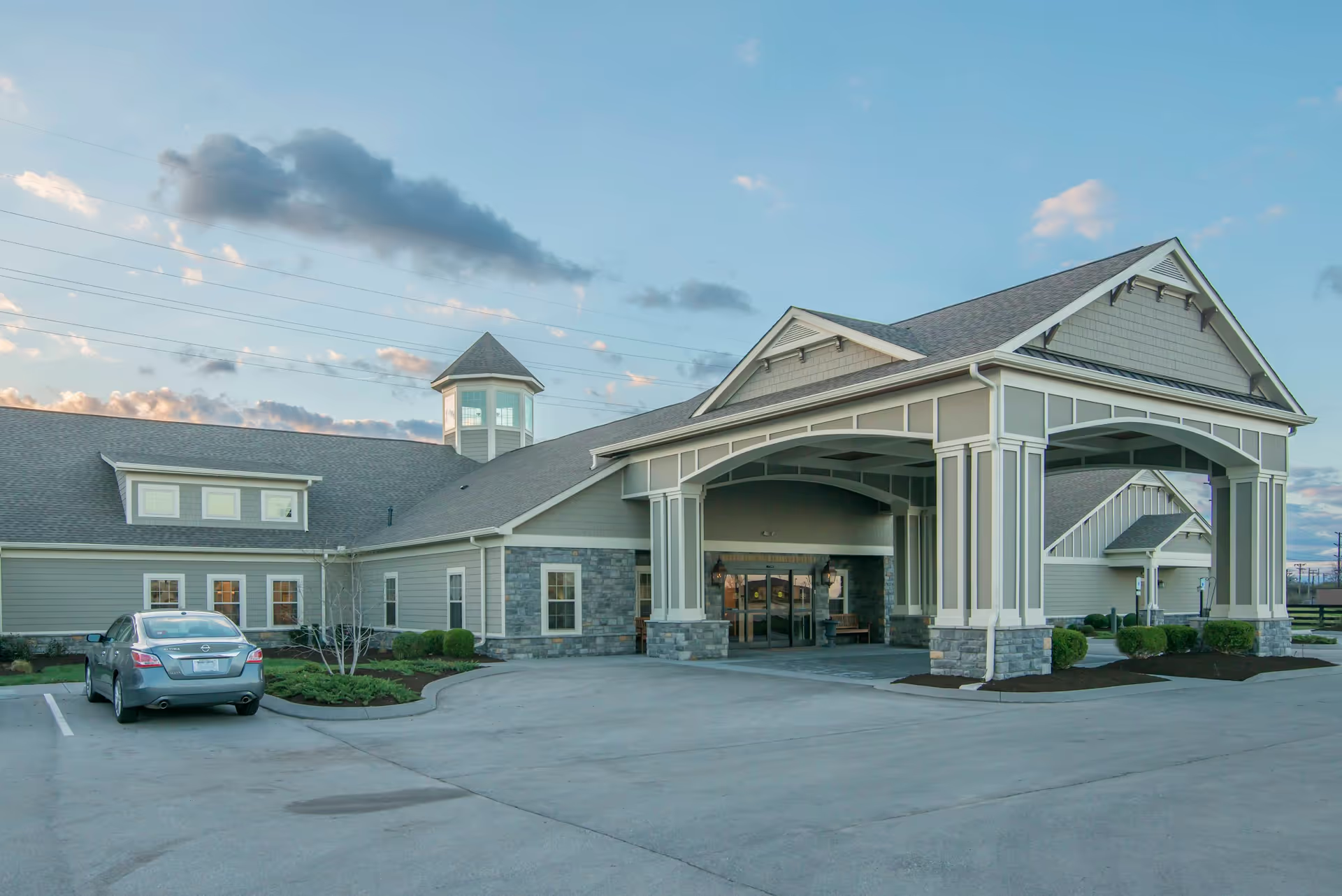
Taylor Manor presents as a small, home-like long-term care setting where many families emphasize a clean, peaceful environment and a strong sense of personal attention. Physical facilities noted in the comments include spacious semi-private rooms designed to provide visual and acoustic separation between roommates, and attractive outdoor spaces and gardens that contribute to a homelike atmosphere. Overall impressions of the environment are positive, with cleanliness and general upkeep called out repeatedly.
Care and staff performance are a central theme in the feedback. A number of families describe staff as attentive, compassionate, and genuinely concerned for residents’ wellbeing; these comments point to personalized daily care and responsiveness in routine needs. At the same time there are isolated but notable concerns about staff conduct and responsiveness that suggest variability in interpersonal interactions and occasional delays or tone-related issues. The overall pattern indicates a generally strong commitment to personal care, with some inconsistency in staff behavior that prospective families may want to probe during a tour or intake discussion.
Clinical and therapeutic offerings appear limited. Several comments specifically cite an absence or inadequacy of on-site rehabilitation and therapy programming; this suggests that the facility’s service model emphasizes residential and personal care rather than comprehensive rehabilitation services. Families seeking active therapy programs (e.g., extensive physical, occupational, or speech therapy) should confirm available services and referral arrangements prior to admission. Management has been described as cautious around infection-control, implementing restrictive visitation policies during periods of concern while permitting outdoor visits; this reflects a conservative approach to infectious-disease prevention but may reduce flexibility for families.
Dining and activity details are less prominent in the available feedback. Reviewers commonly note a homey atmosphere and use of outdoor garden areas, but there is limited information about menu quality, formal activity schedules, or structured therapeutic programming. Prospective residents should request current sample menus and a calendar of activities to evaluate fit. Financially, cost is flagged as a concern by some families; the facility appears to be on the higher end of local pricing, so cost and contract terms warrant careful review.
In summary, Taylor Manor is characterized by a small, well-kept, faith-affiliated environment with many positive reports about staff compassion and resident satisfaction. Key trade-offs include limited on-site rehabilitation services, restrictive visitation policy flexibility during infection-control periods, occasional inconsistency in staff conduct, and relatively higher cost. Visitors and families evaluating the facility should focus questions on therapy availability and delivery, staffing consistency and supervision, visitation policies, and financial terms to determine whether the facility’s strengths align with the prospective resident’s needs.