The set of reviews for Letcher Manor is highly polarized. A number of families and residents describe a clean, home-like environment with caring, attentive staff and good rapport between caregivers and residents. Those positive accounts emphasize respectful interactions, a welcoming front-line team, and visible infection-control measures. Conversely, other reviews describe substantive operational problems that affect clinical care, communication, and daily living support.
Care quality appears uneven across the facility. Positive comments highlight compassionate personal care and adequate feeding for some residents, while negative accounts point to delays in attending to resident needs, concerns about medication management, and difficulties contacting physicians when clinical issues arise. There are also serious allegations from some families regarding withholding of medication and failures to escalate care; some of these concerns have been taken to external health authorities. These patterns suggest variability in clinical oversight and escalation processes.
Staff behavior and responsiveness are inconsistent according to the reviews. Several families praise individual caregivers and nurses for kindness and competence, describing warm relationships and respectful treatment. Other families describe issues with staff tone, dismissive responses to concerns, and periods of limited responsiveness. This variability is consistent with reports of fluctuating staffing levels and uneven training or supervision.
Dining and nutrition are another area of mixed feedback. Some reviewers note adequate meal provision and residents being well fed, while others raise concerns about meal quality and preparation practices. The divergence indicates that meal experience may depend on timing, staffing, or kitchen oversight, and families may want to sample menus and ask about diet management for specific residents.
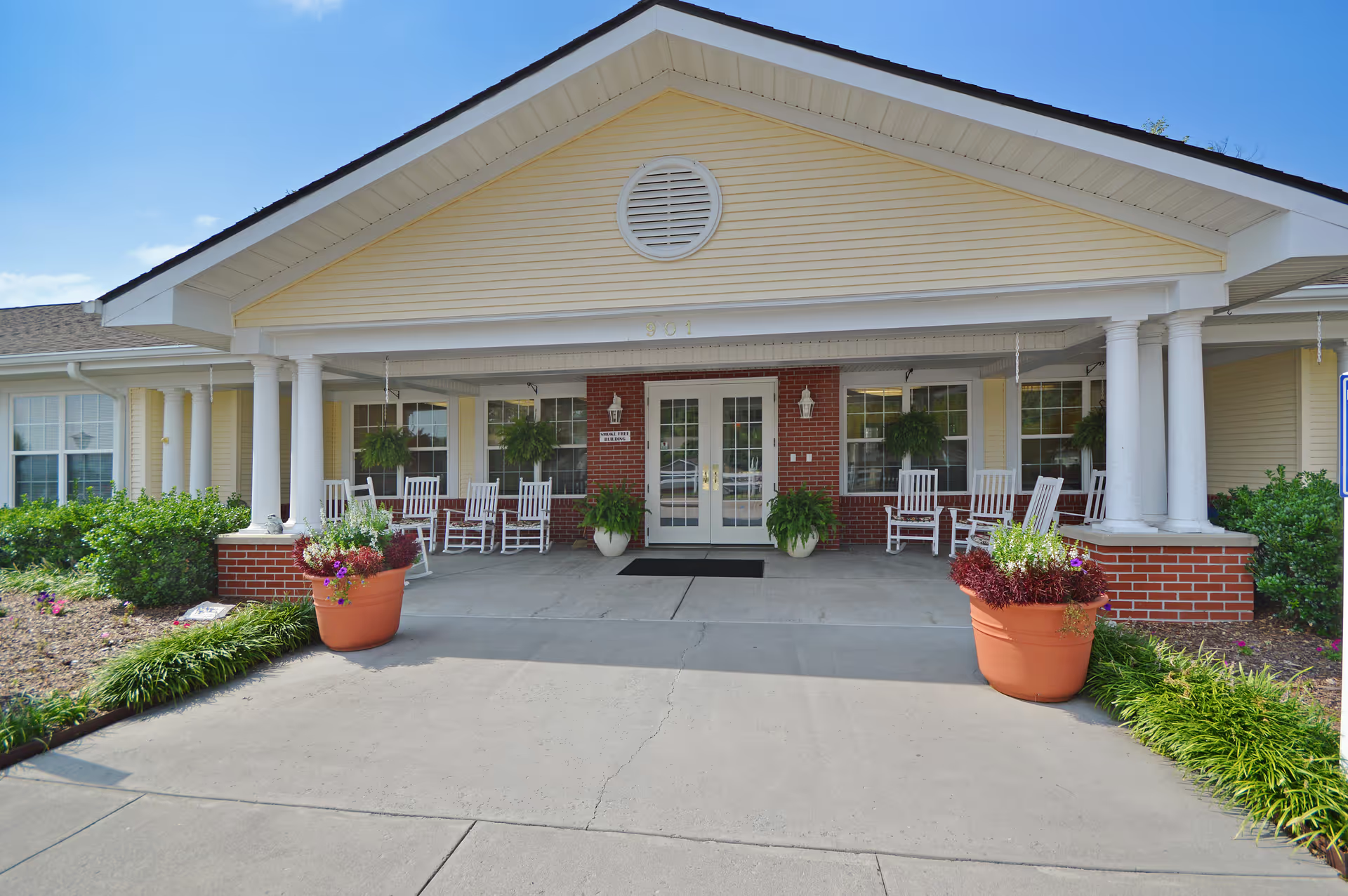
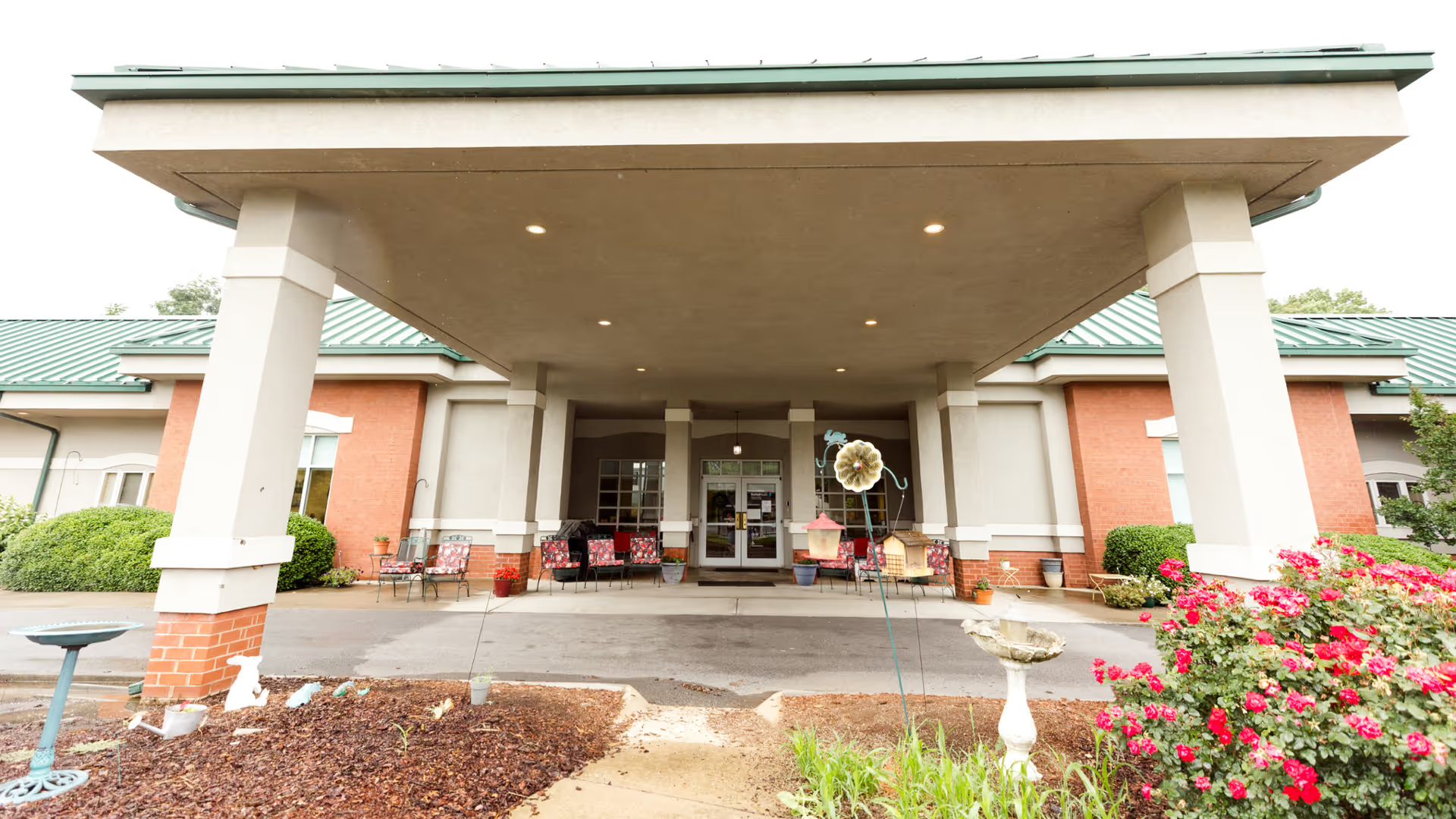
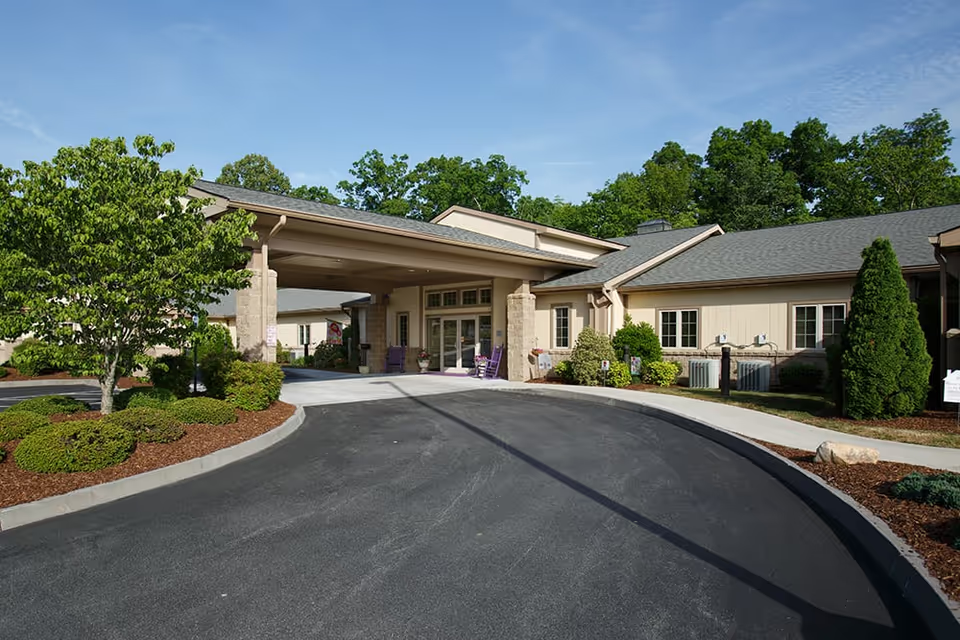
Facility operations and environment have both positive and negative mentions. Several reviews describe clean, well-maintained spaces and a calming, family-oriented atmosphere. At the same time, there are operational concerns such as inconsistent laundry and sterilization practices for personal items, sanitation-related inconsistencies in care tasks, and an antiquated telephone or communication system that can limit family contact for extended periods.
Management and communication are recurring themes. Reviews describe weaknesses in family notification protocols—specifically around hospitalizations and significant clinical changes—and an apparent lack of transparency in some admissions and billing practices. There are statements alleging that admission decisions were influenced by financial considerations rather than clinical suitability; whether isolated or systemic, this is an area prospective families should evaluate directly with leadership.
Notable patterns: strong positive experiences tend to center on individual staff members and a pleasant facility atmosphere, whereas negative experiences cluster around communication failures, inconsistent clinical and personal-care practices, dining variability, and management transparency. Prospective residents and families should conduct targeted due diligence: ask about staffing ratios, medication-administration procedures, physician‑notification and family‑notification protocols, laundry and sterilization policies, meal-sampling and menu oversight, infection‑control records, and the facility’s process for handling complaints and incidents. Visiting at different times of day to observe staff–resident interactions and verifying licensure and any regulatory actions with state agencies are advisable steps before deciding.