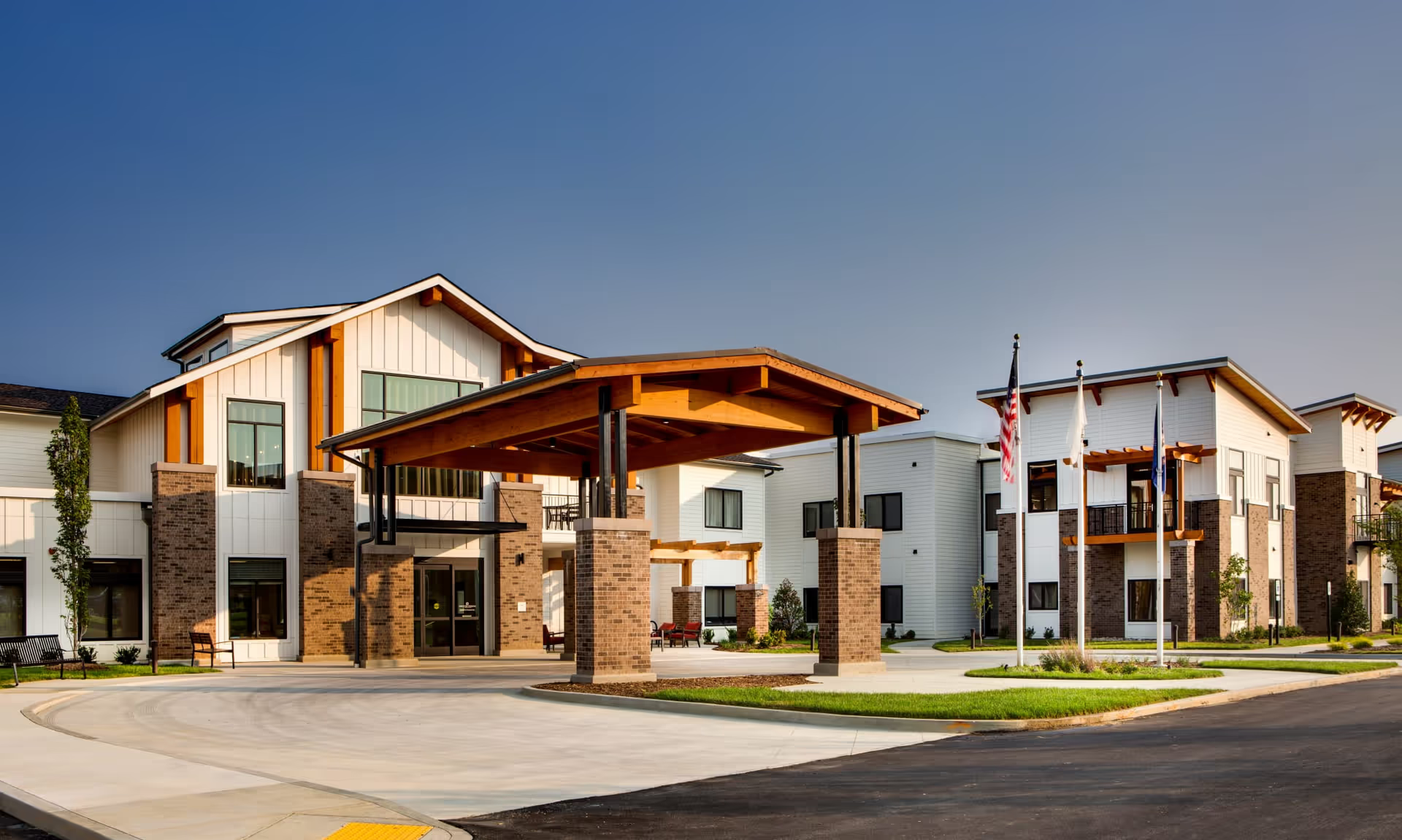
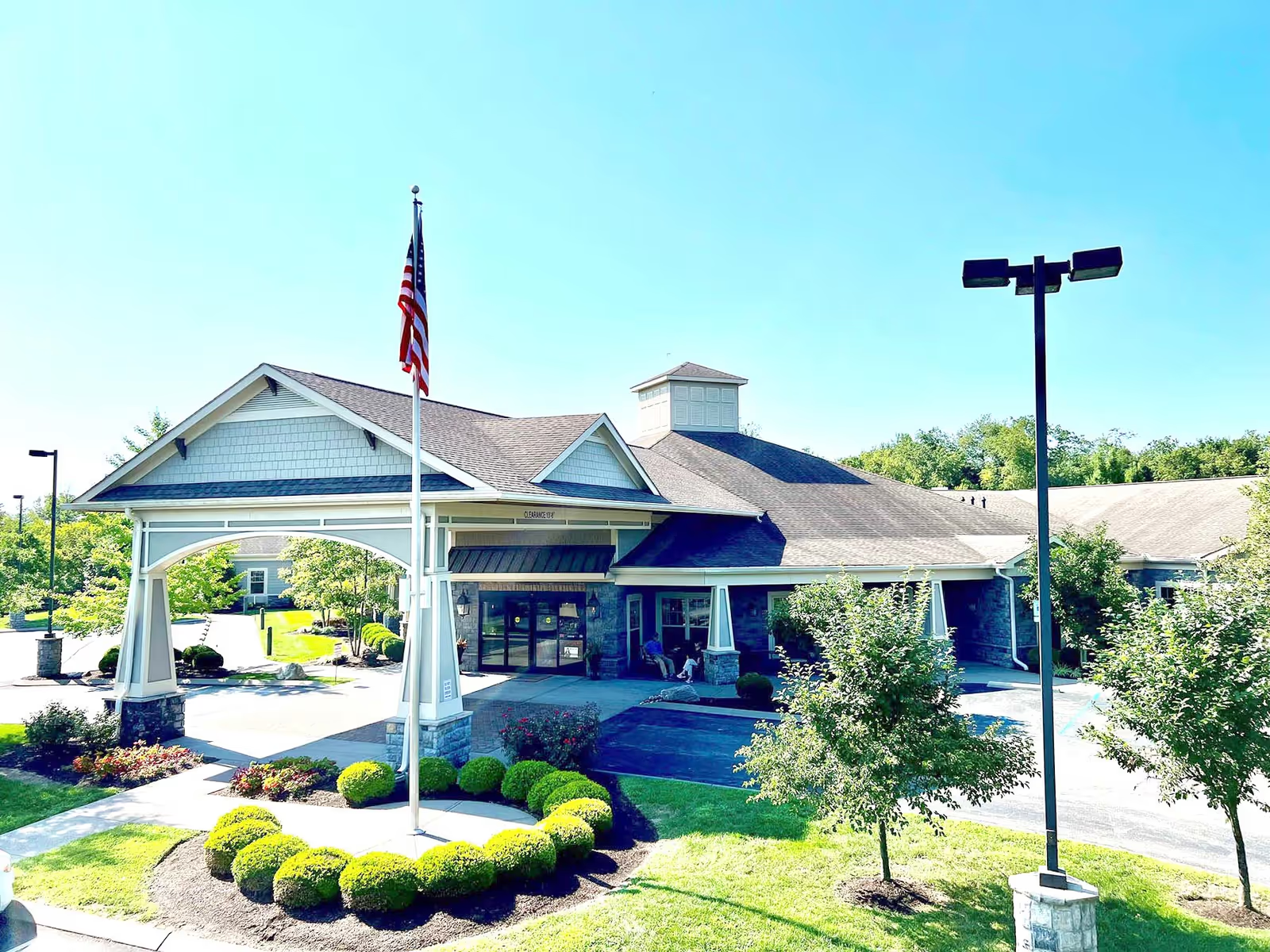
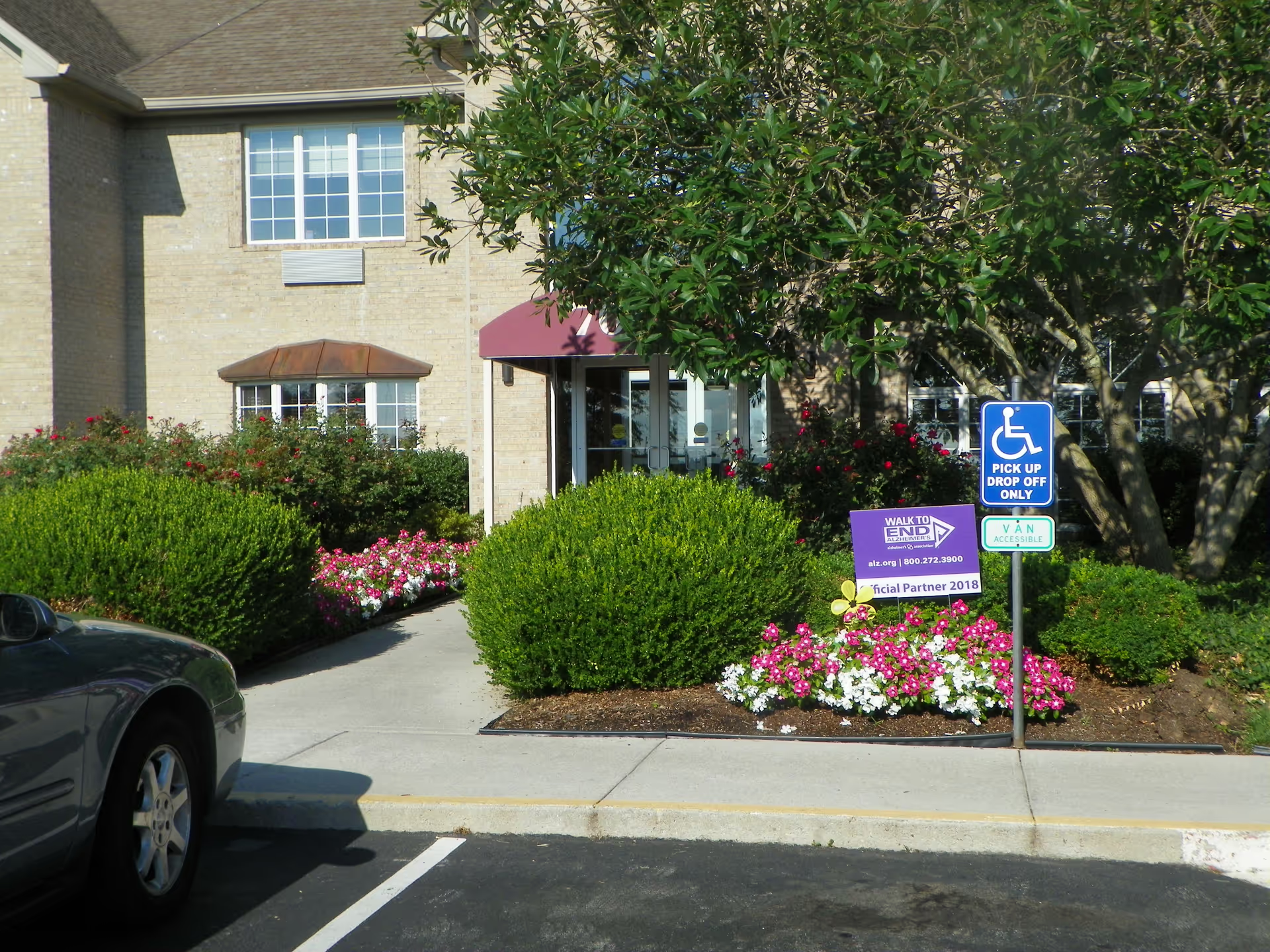
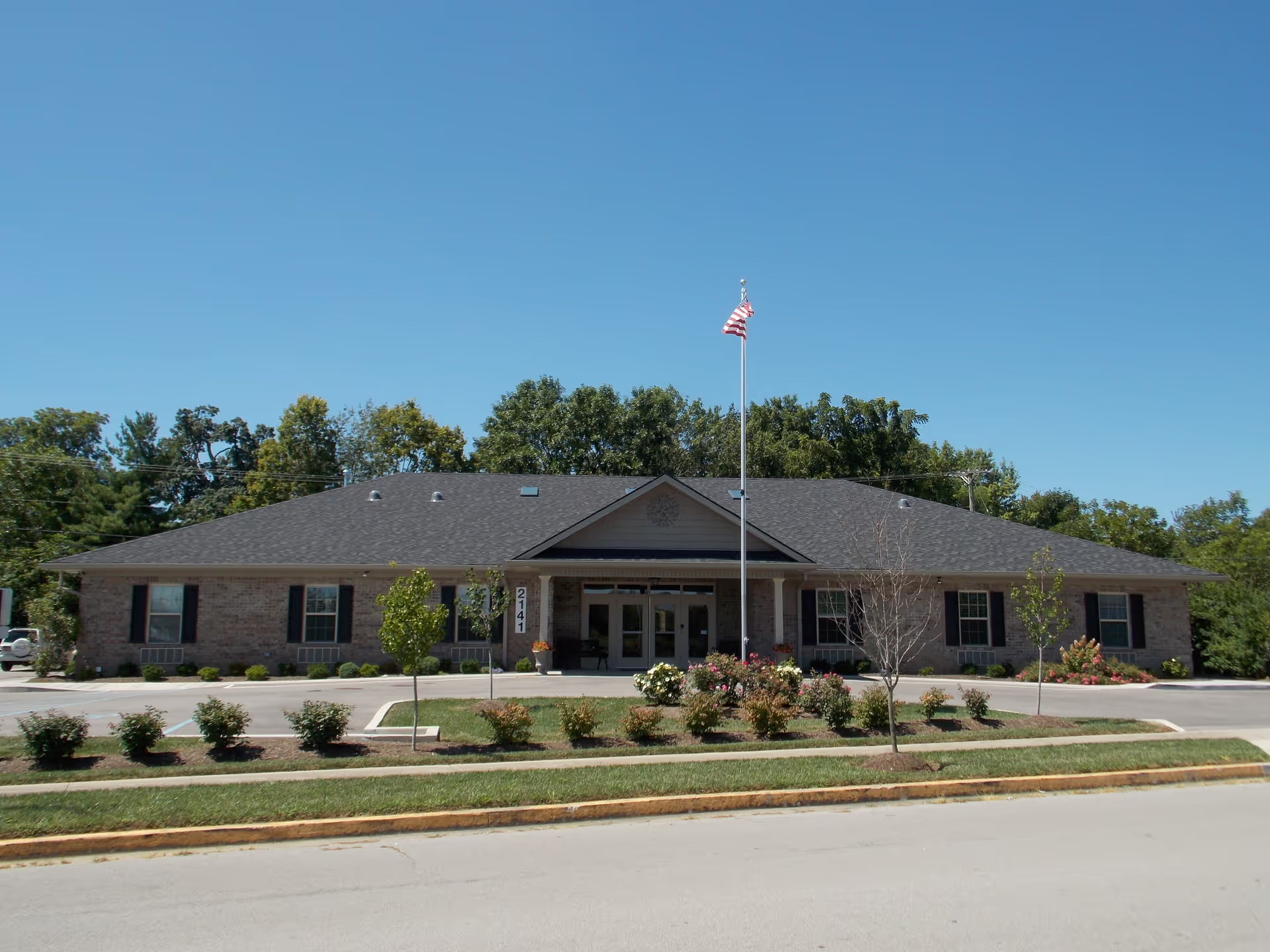
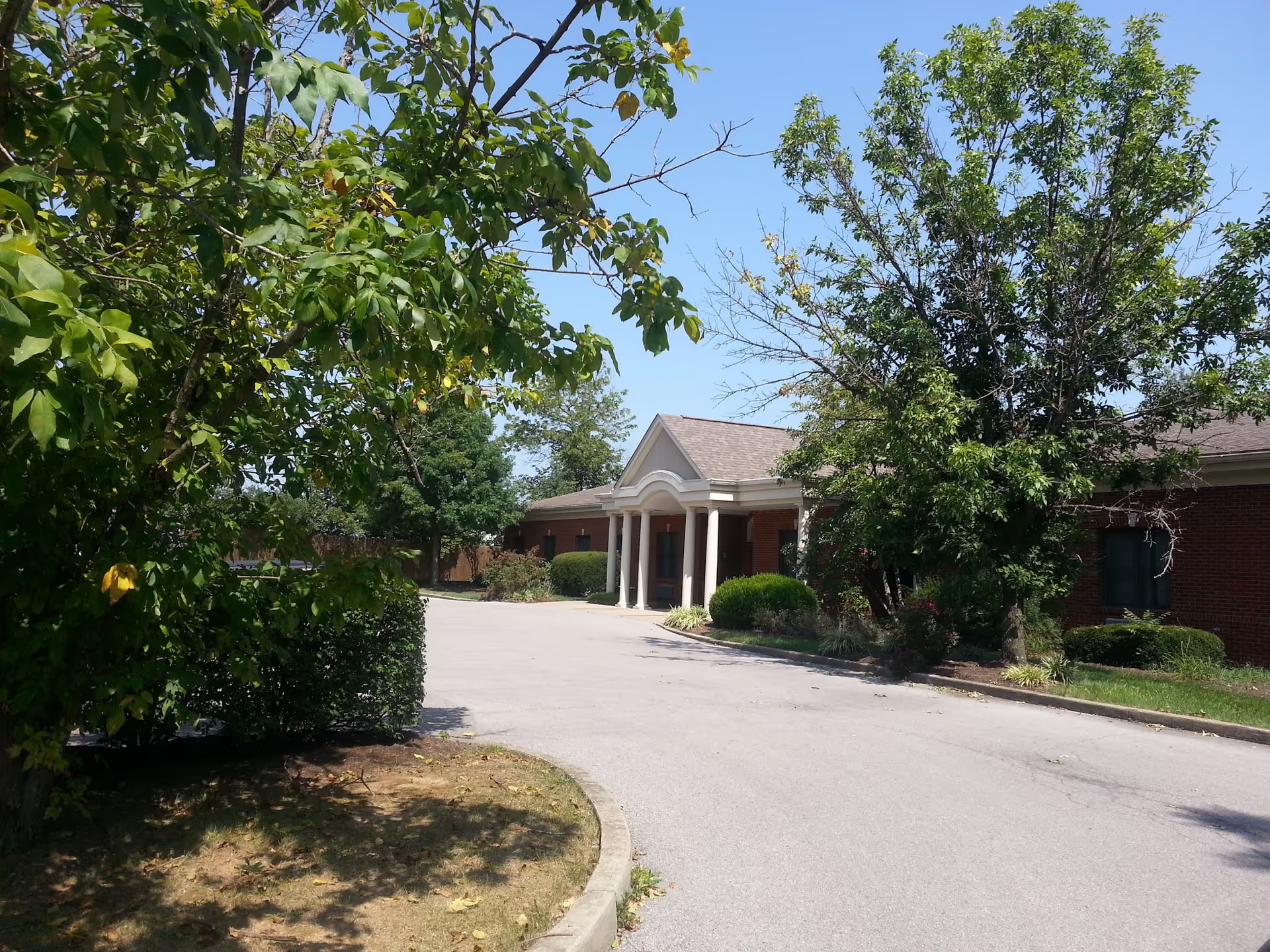
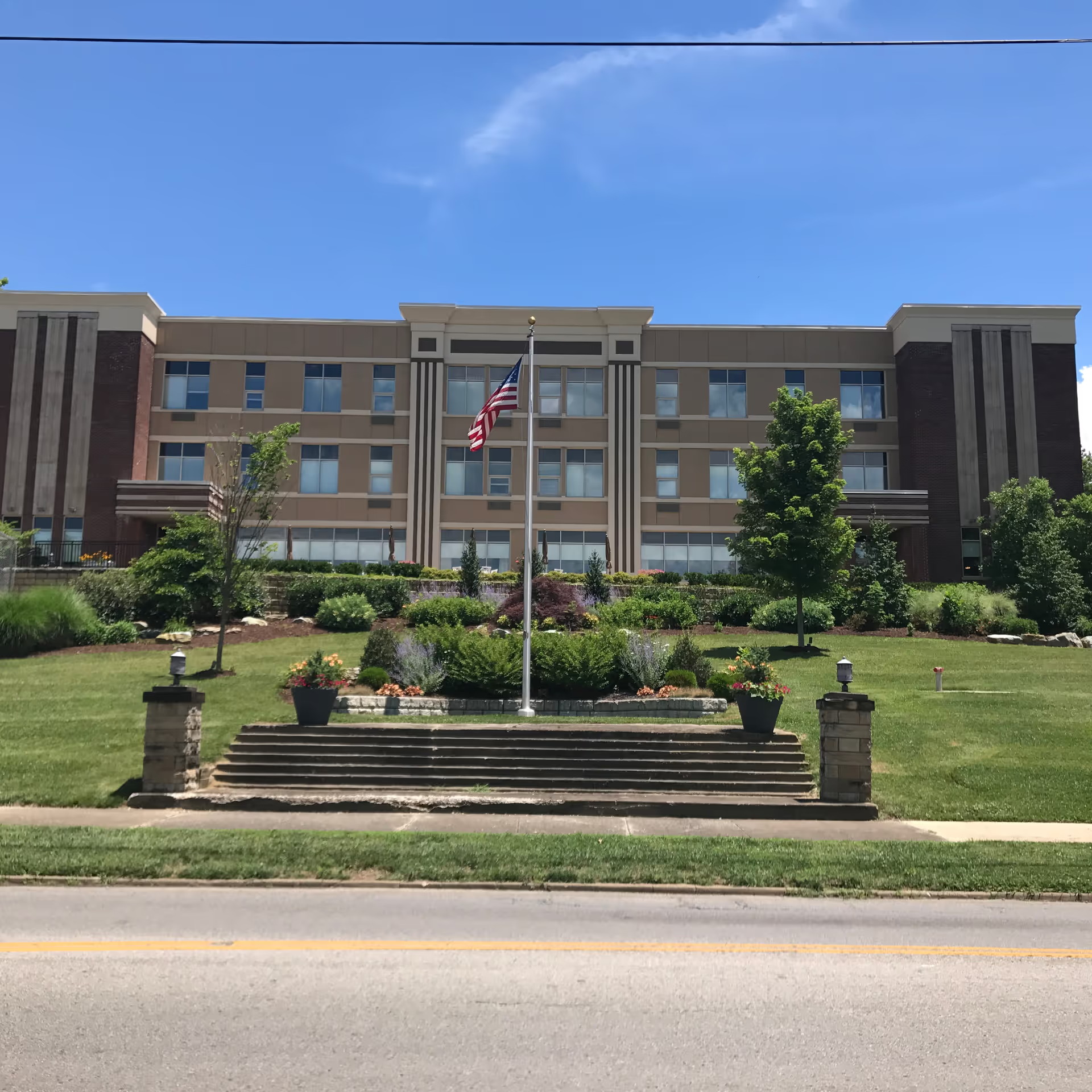
Boonesboro Trail Senior Living presents as a modern, well-appointed senior living campus with many consistently praised strengths. The building (completed in 2021) and grounds are described as clean and attractively designed, with roomy apartment floor plans, garden views, and communal features such as a library, courtyard garden and a small fitness area. Reviewers commonly highlight housekeeping and maintenance as responsive and the overall environment as welcoming and comfortable.
Care and staffing receive frequent positive mention: families and residents describe compassionate, attentive caregivers and a strong memory-care program. Staff are characterized as professional and patient, with some reviewers noting particularly supportive nursing communication about resident status. At the same time, there is variability in staff engagement; some comments indicate differences in individual staff commitment and morale, suggesting that experience can depend on specific caregivers or shifts.
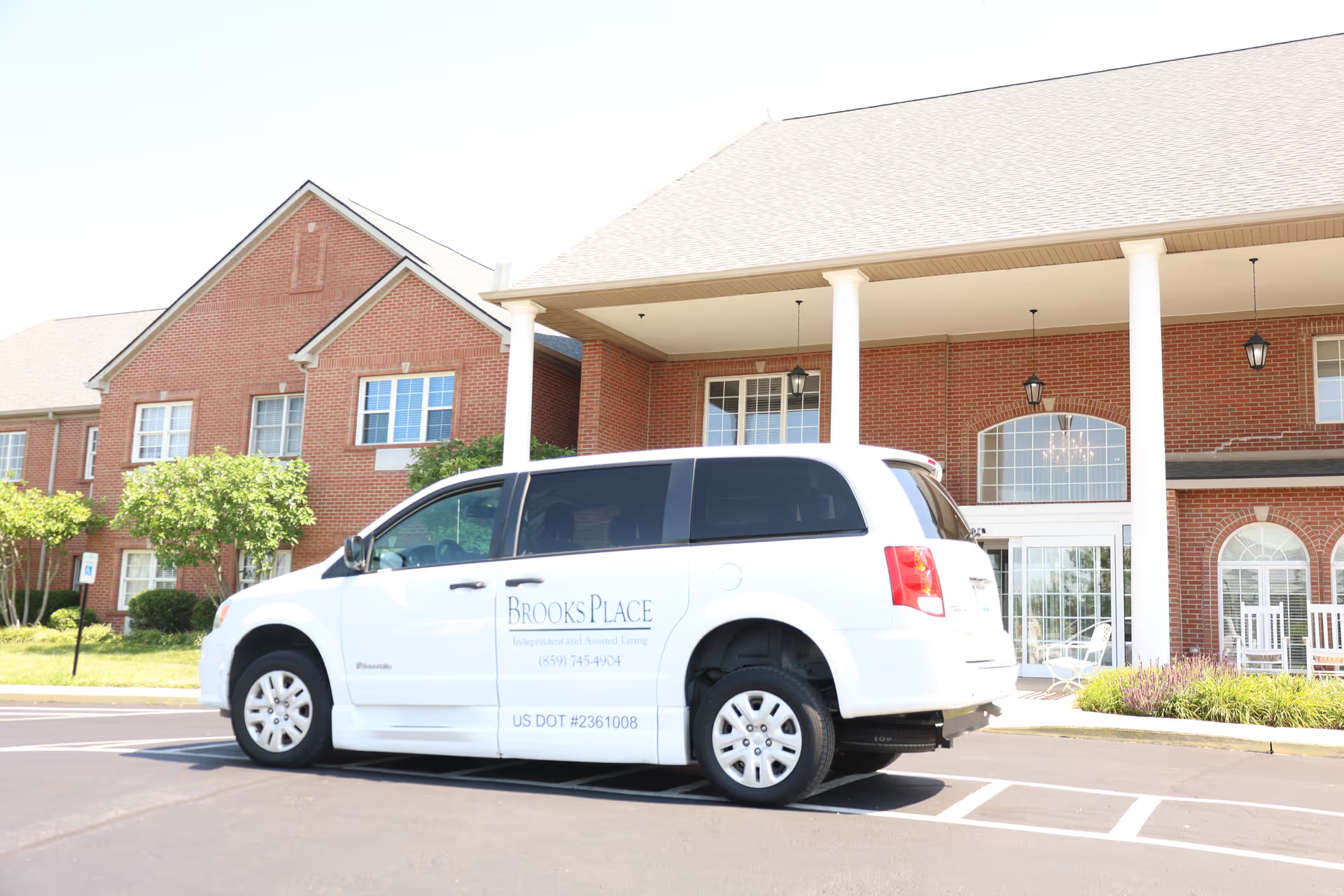
Dining and activities are clear strengths. Meals are described as home-cooked, well-liked, and varied; several notes single out desserts and specific items like oatmeal cookies. The community offers a broad activity calendar — crafts, gardening club, parades, outings and regular transport for off-site meals — supporting socialization and resident involvement. Laundry and bedding are included in the base services, with additional paid options available.
Operational patterns suggest a broadly well-run community with some administrative and clinical gaps to watch. Multiple reviewers cited inconsistent responsiveness from administrative channels (phone and email) and occasional delays in emergency or acute-event response; these have translated into concerns about communication during clinical incidents. There are also mentions of premium pricing and additional fees such as sign-in costs that prospective residents should clarify during tours.
Overall, Boonesboro Trail is portrayed as an attractive, activity-rich community with strong dining and memory-care capabilities and a caring culture. Prospective residents and families should balance those strengths against the noted variability in administrative responsiveness and emergency-handling practices by asking targeted questions about staffing patterns, incident protocols, communication expectations, and out-of-pocket costs during the decision process.