Overall impression: The facility elicits strongly polarized impressions. Many accounts describe a well-kept building, effective rehabilitation services, pleasant dining, and individual staff members who provide compassionate, attentive care. At the same time, there are recurring operational concerns that produce inconsistent resident experiences; these center on staffing, responsiveness, clinical oversight, and management practices.
Care quality and clinical oversight: Clinical performance appears uneven. Positive reports emphasize skilled, compassionate nursing and caregivers who provide high-quality, respectful care and maintain residents' appearance and comfort. Contrasting accounts identify delays in responding to call buttons, slow or inconsistent personal-care routines (including bathing and incontinence-related care), and concerns about clinical monitoring and timely recognition of acute changes. These patterns suggest variability in day-to-day care reliability and gaps in incident response procedures.
Staff and interpersonal conduct: Staff behavior is described at both extremes. Several reviewers praise individual nurses and CNAs for professionalism and kindness; specific staff members are singled out as top performers. Other reports describe inconsistent conduct, including curt or rude interactions and reluctance by some staff to perform certain personal-care tasks. Weekend shifts are highlighted as less reliable than weekdays, indicating scheduling or training gaps that affect resident experience during off-peak times.
Dining and rehabilitation: Dining is generally a strength; reviewers commonly note enjoyable meals and generous portions. Rehabilitation services receive positive remarks for effectiveness and responsiveness. Activity programming receives limited direct comment in the material provided, so no firm conclusion can be drawn about the breadth or consistency of social/therapeutic activities.
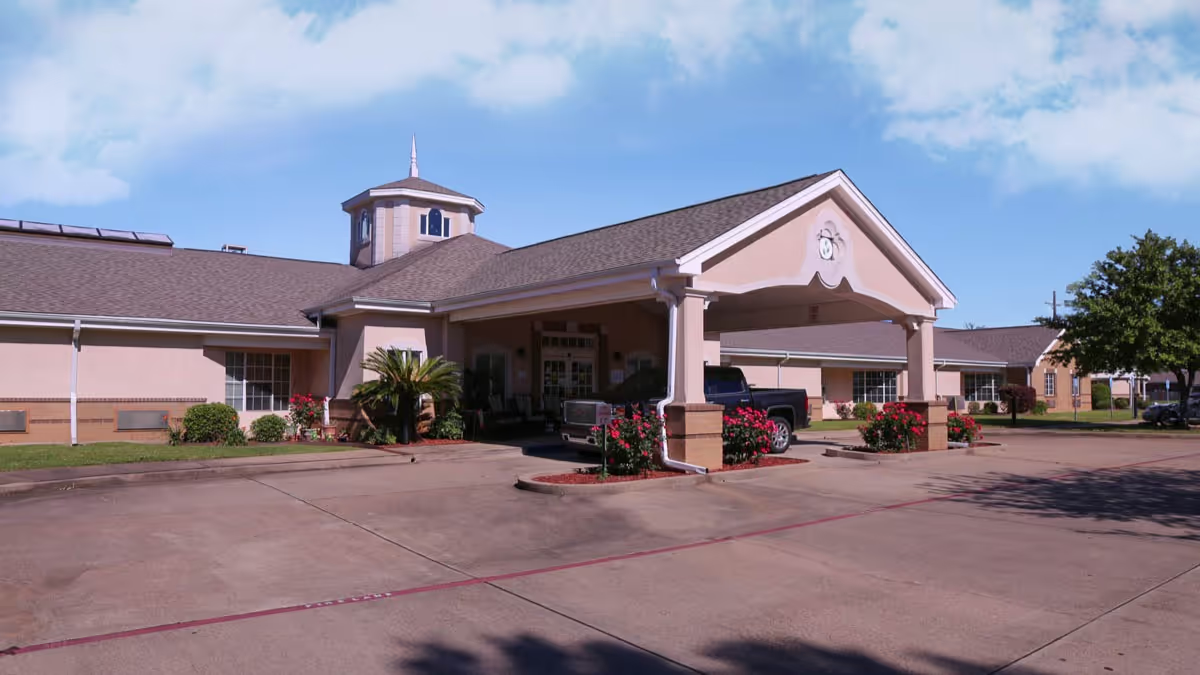
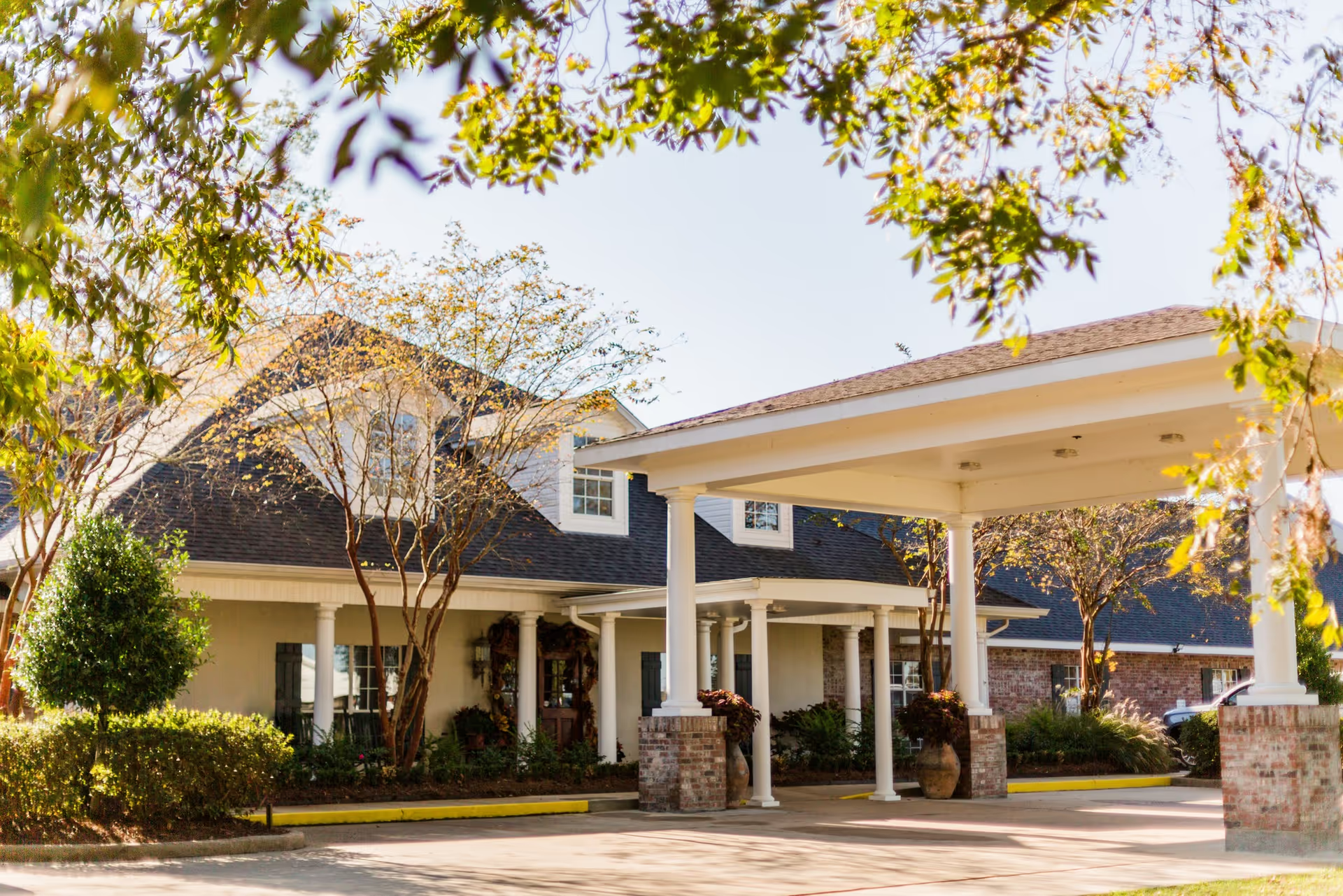
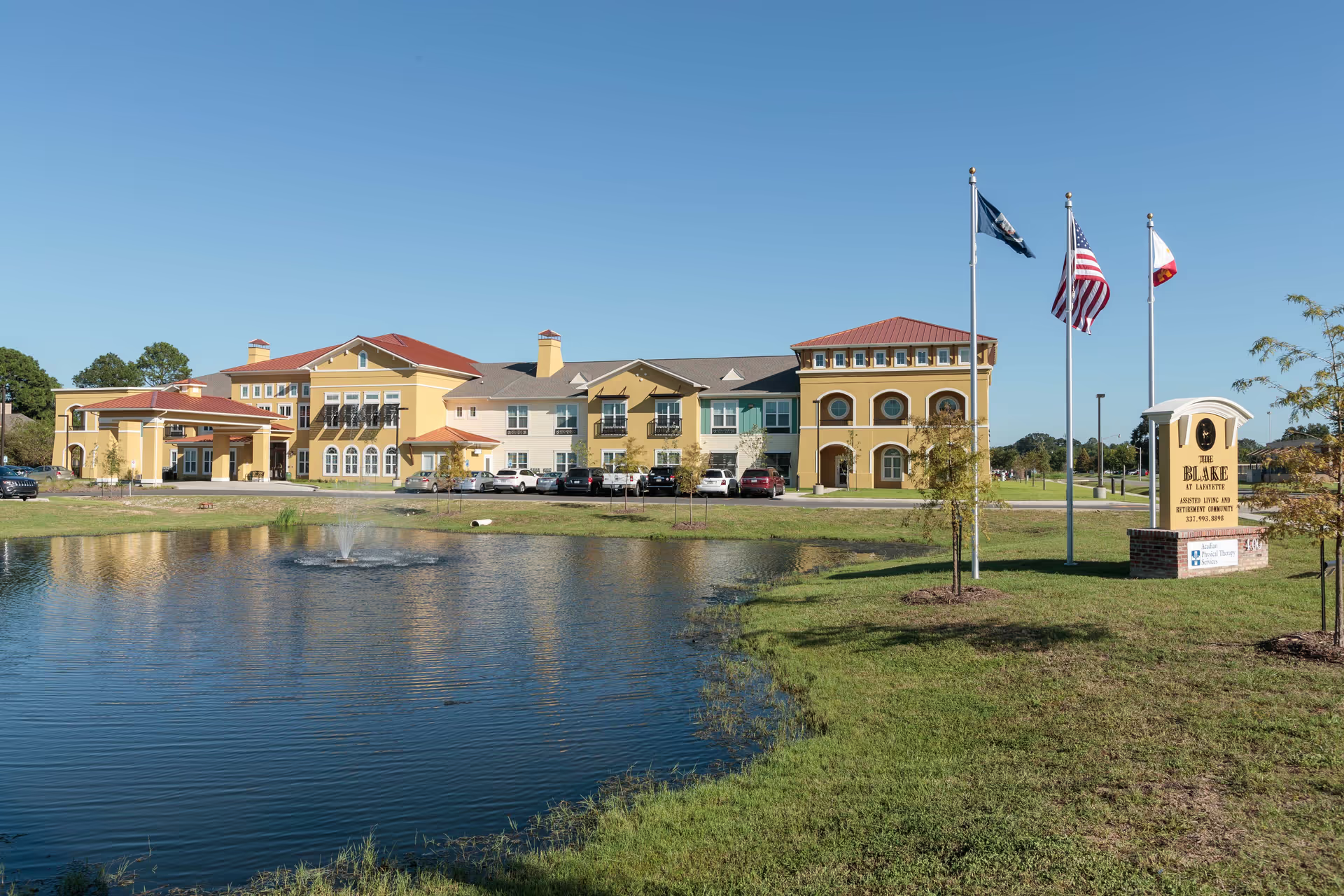
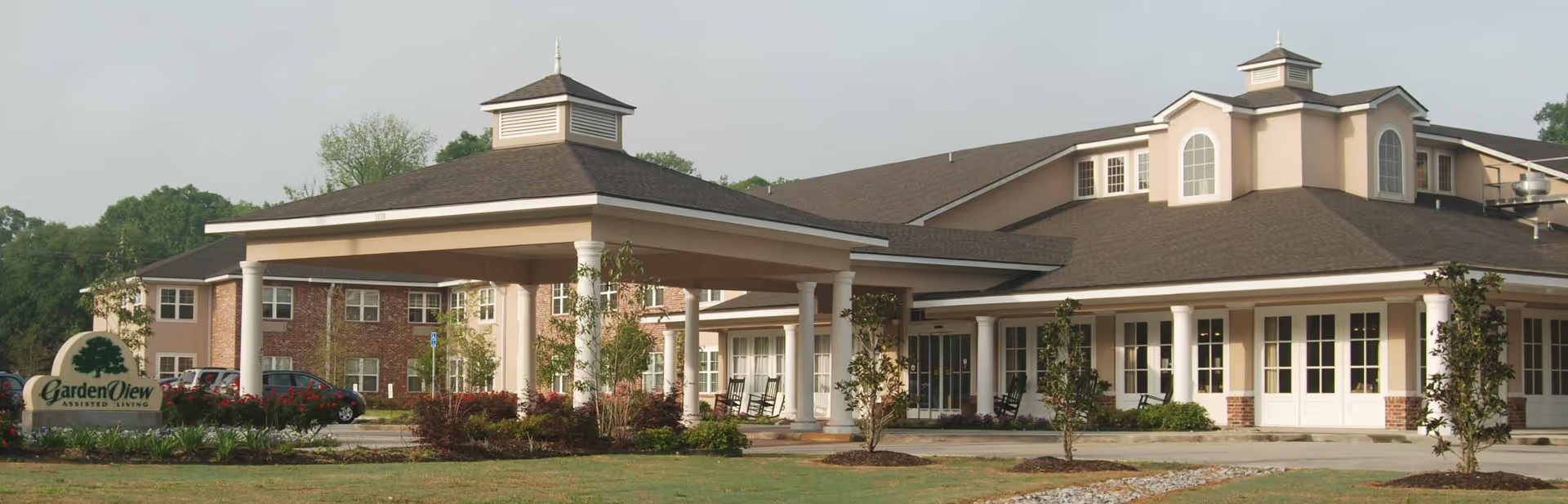
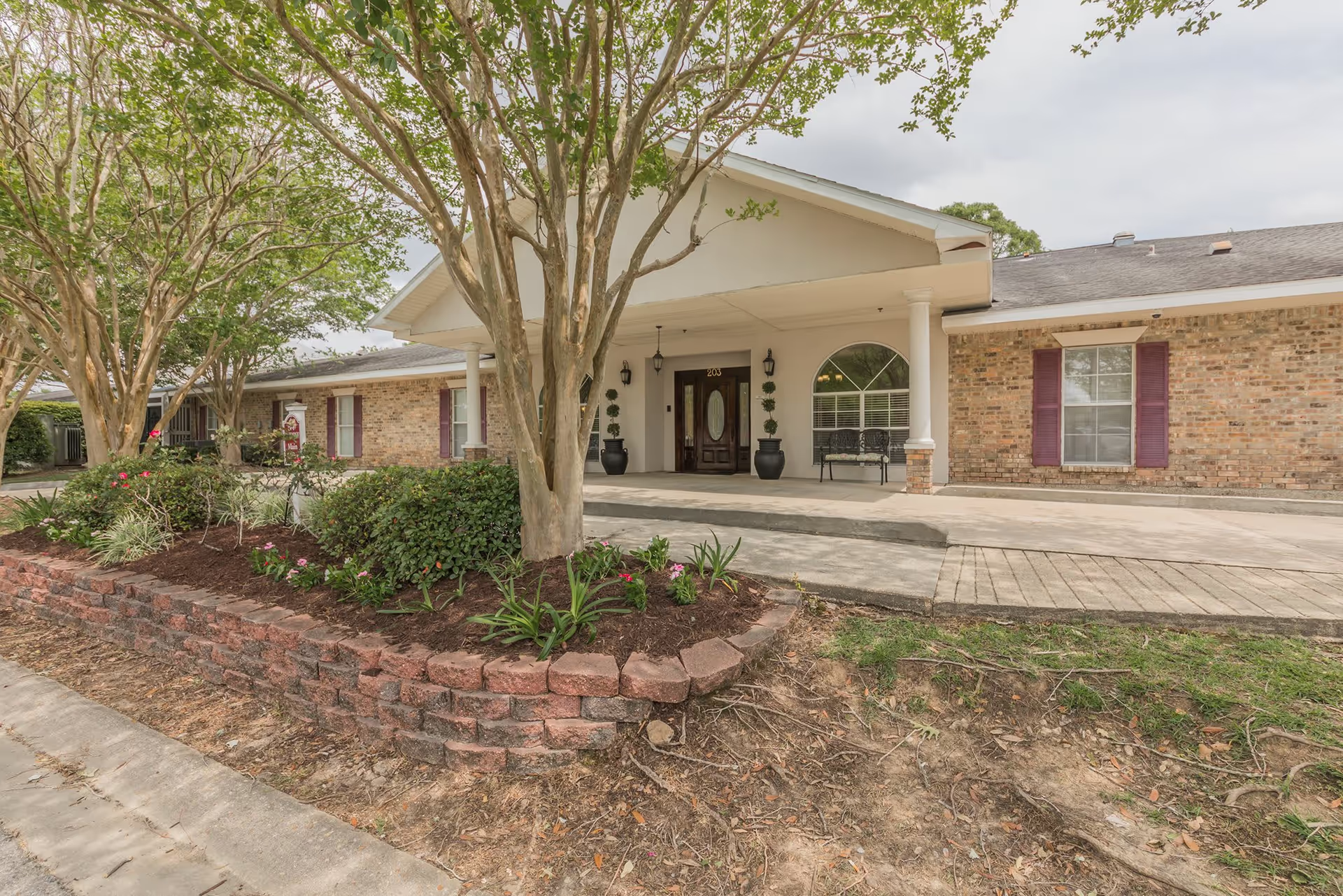
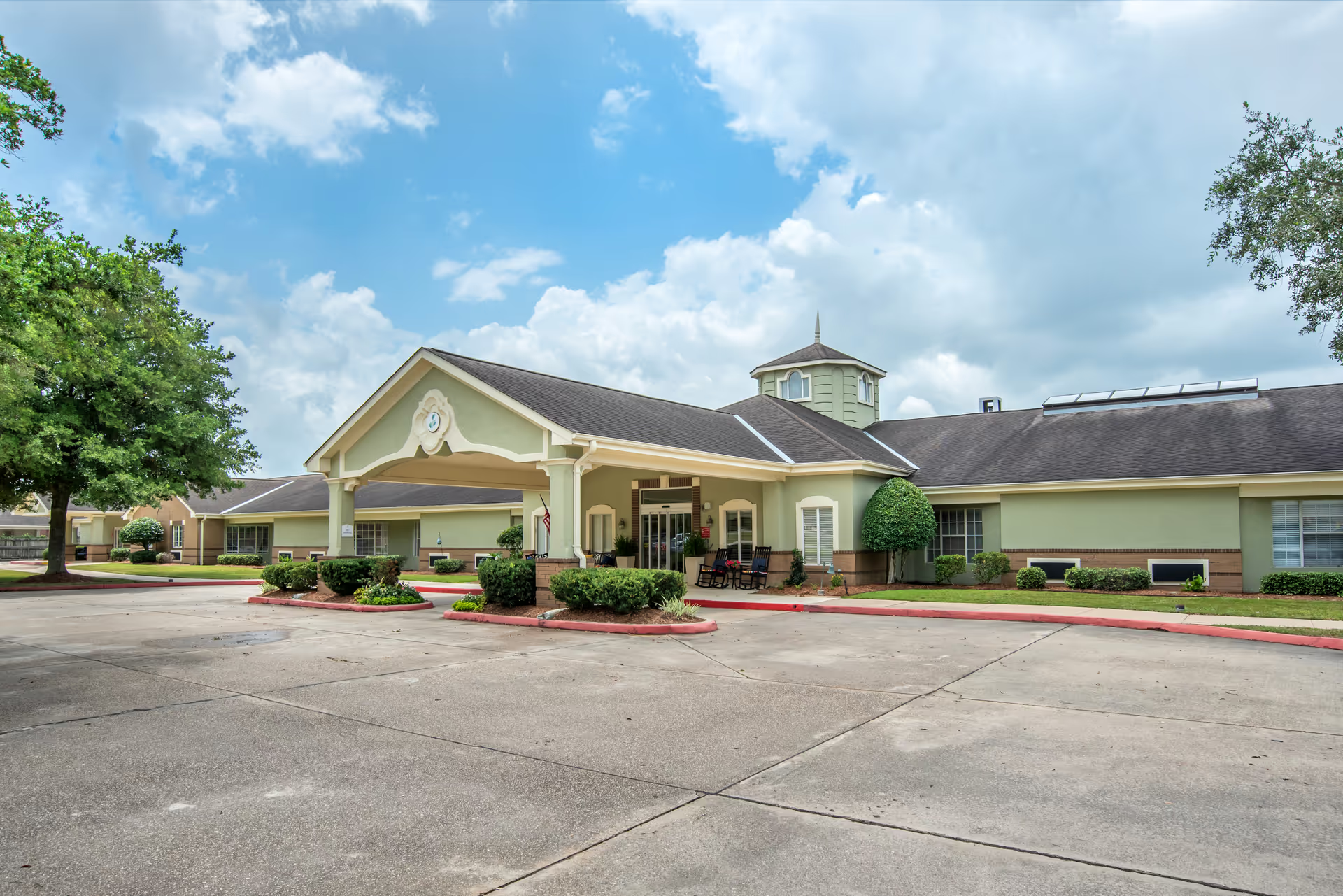
Facilities and environment: Many accounts describe a clean, secure, and well-maintained physical environment. However, there are also references to variability in cleanliness and occasional odor concerns in common areas or rooms. Parking is noted as constrained. Supply availability has been inconsistent at times, which can affect routine care delivery.
Management, leadership, and communication: Reviews express mixed views of administration. Some describe administrators as considerate, knowledgeable, and available, while others cite communication and transparency problems, abrupt staffing decisions, perceived leadership instability, and concerns about ownership disconnect. Mentions of legal disputes and personnel actions contribute to perceptions of management turbulence. Families should be aware that leadership and staffing changes may influence continuity of care and facility culture.
Notable patterns and considerations for families: The dominant pattern is variability — excellent care and staff engagement can coexist with operational weaknesses that lead to delays or inconsistent care. Weekday/weekend differences, individual staff variability, and supply or scheduling shortfalls recur across accounts. Prospective families may want to inquire specifically about staffing ratios (including weekend coverage), call-response protocols, incontinence and bathing schedules, supply-management processes, and recent leadership or ownership changes to assess current operational stability.
In summary, the facility demonstrates clear strengths in nursing excellence, rehabilitation, dining, and the physical environment, but also exhibits operational challenges in staffing consistency, responsiveness, clinical monitoring, and management stability. These mixed signals mean experiences can vary substantially depending on timing, assigned staff, and current leadership conditions.