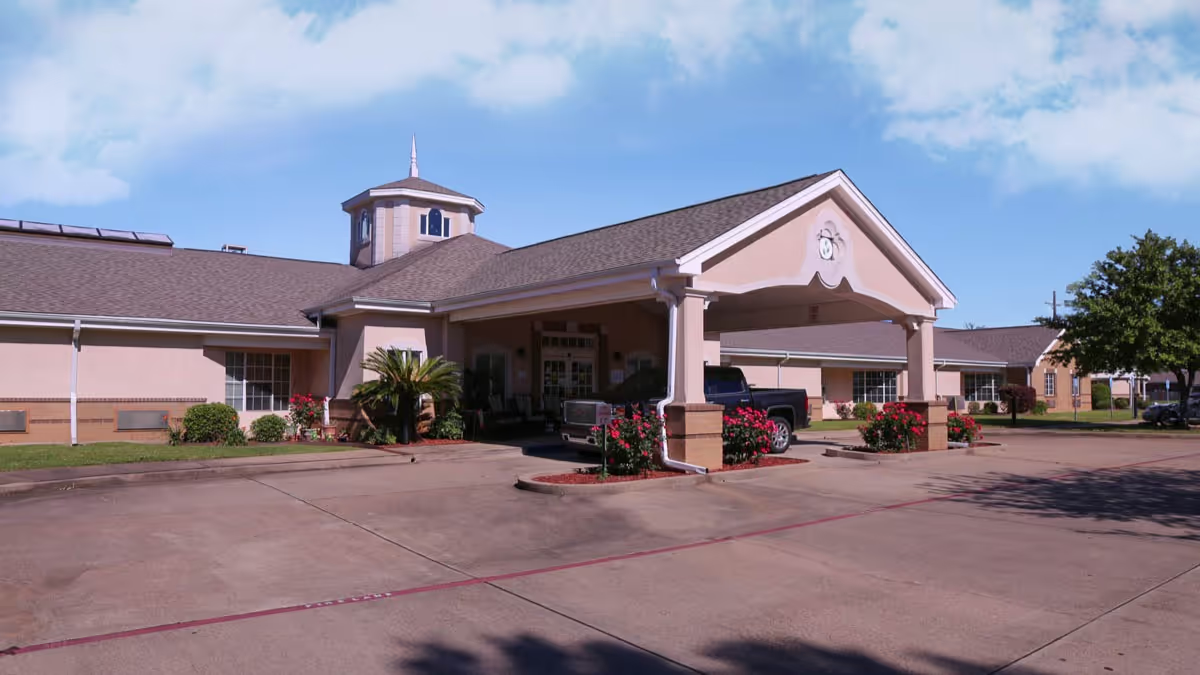
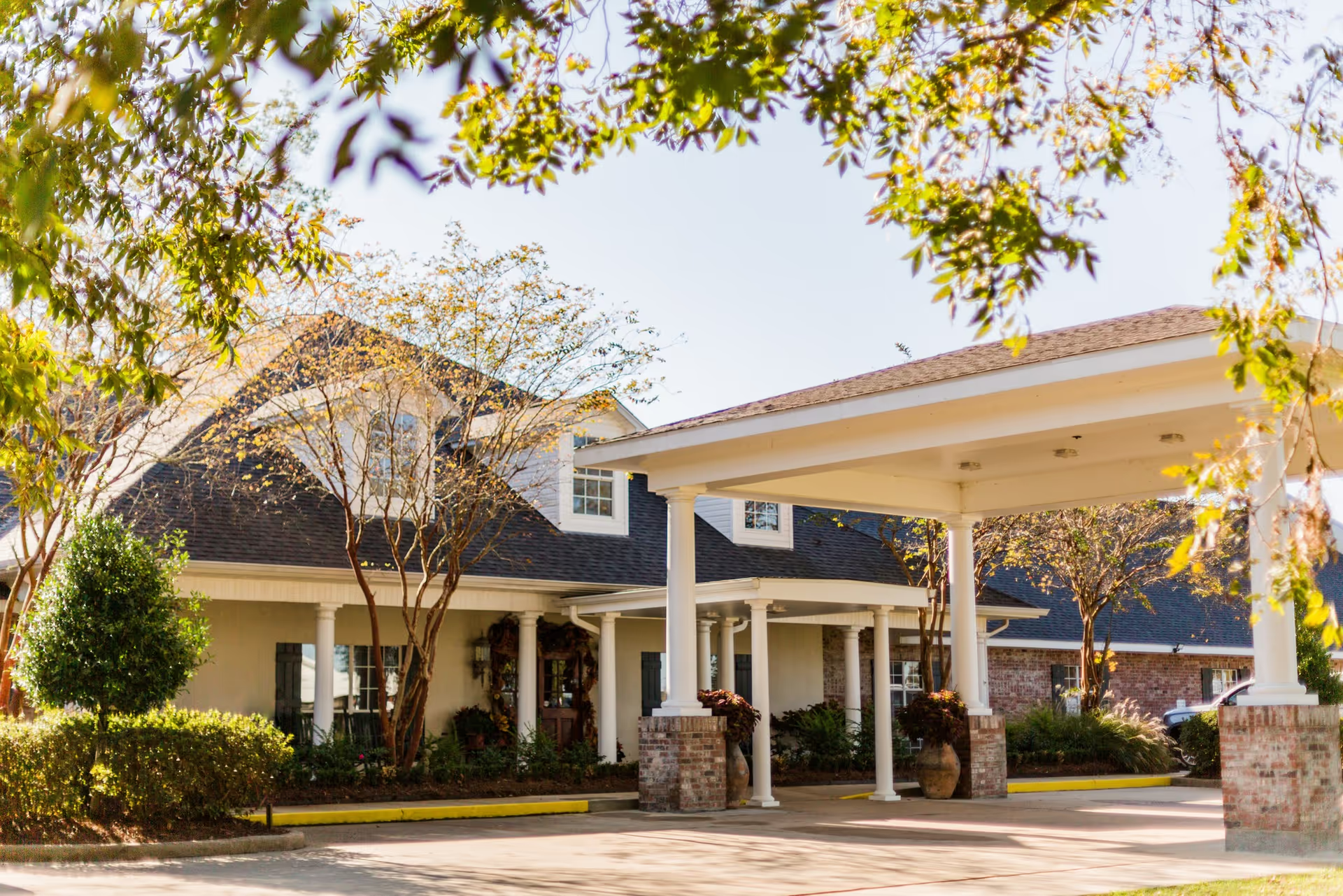
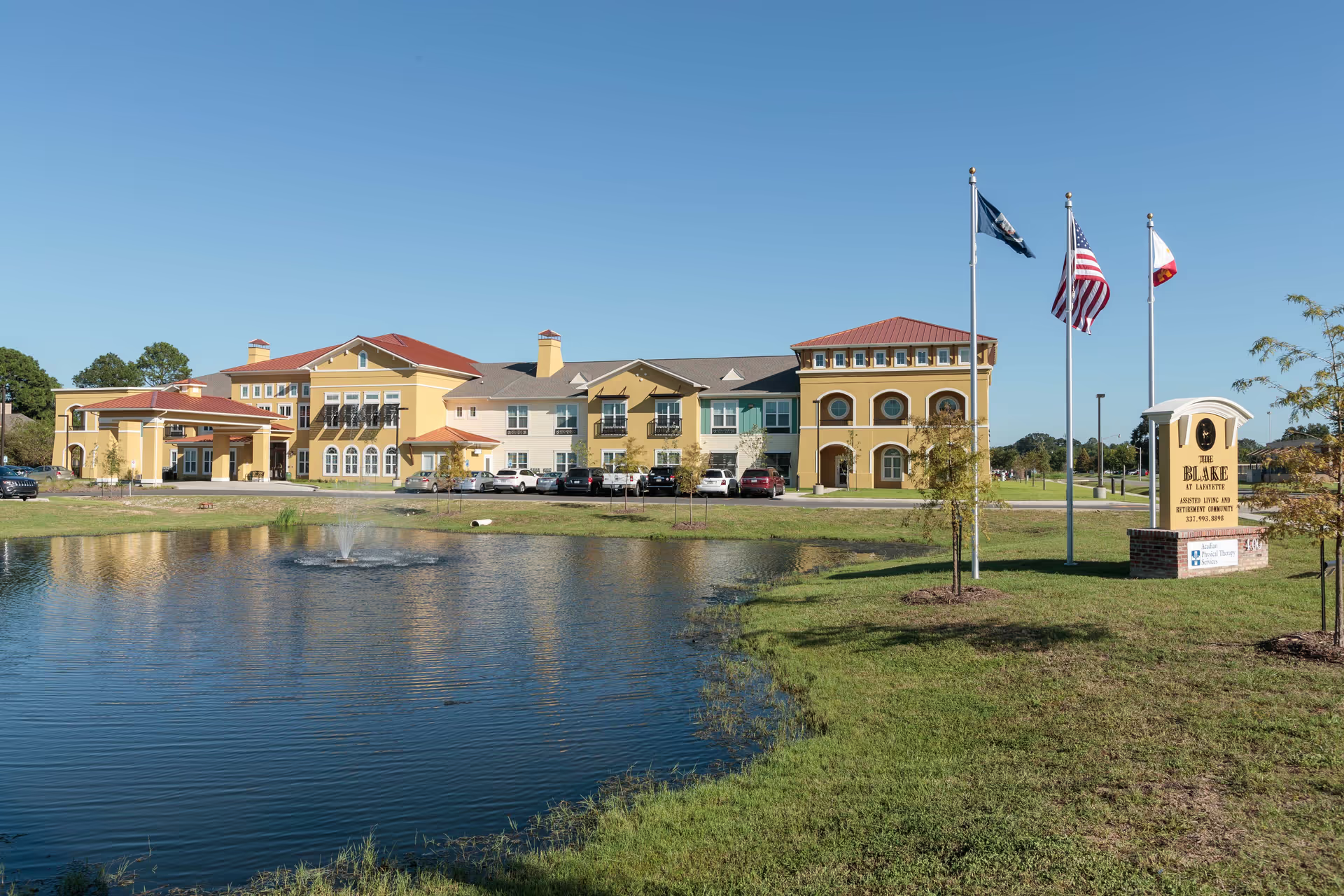
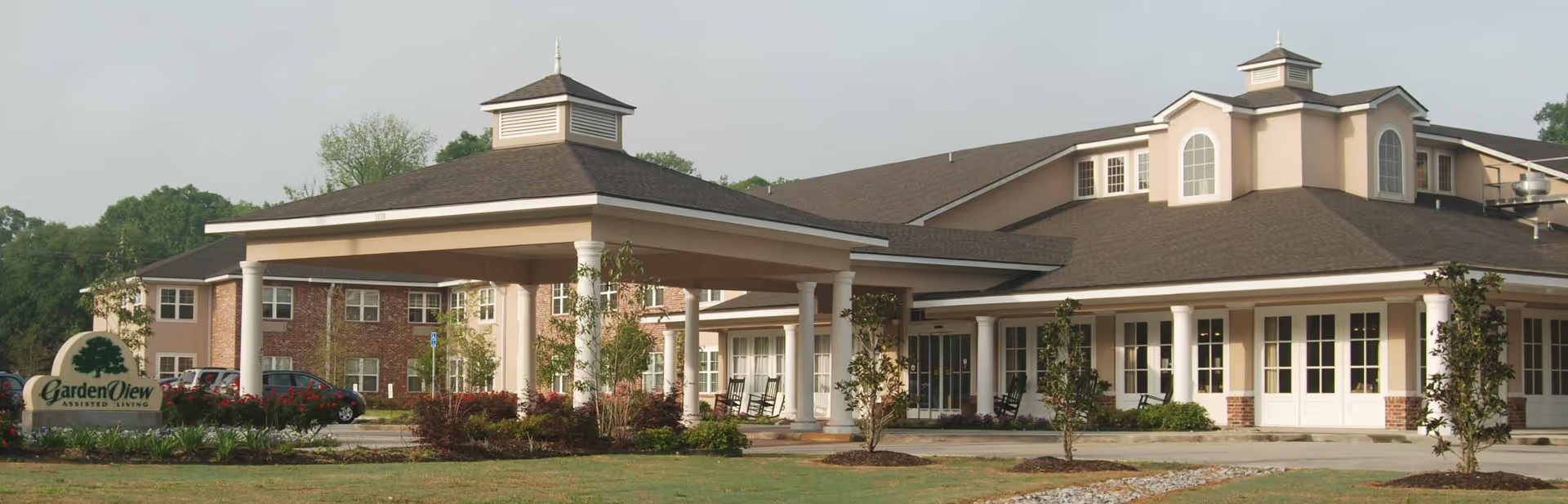
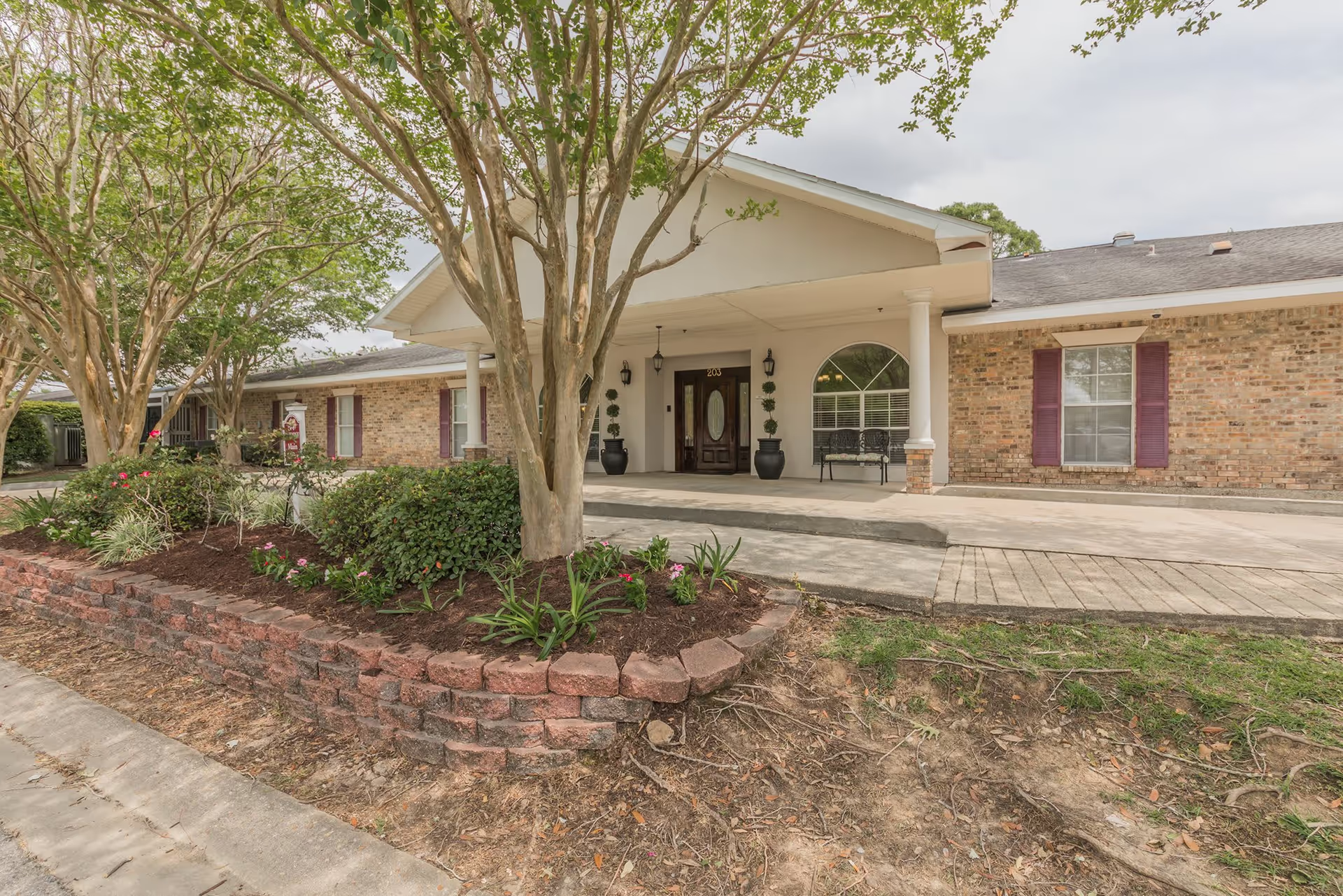
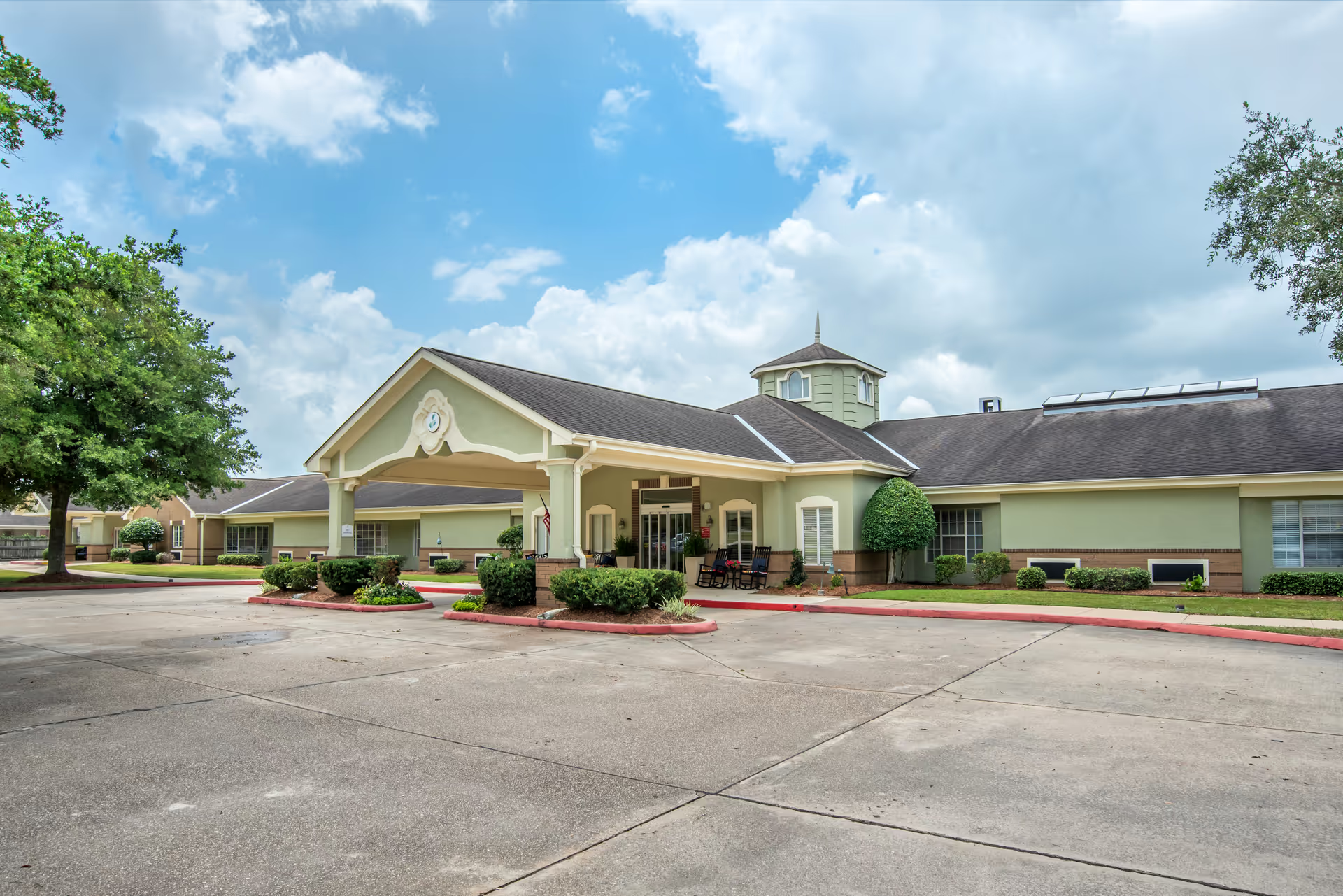
SummerHouse Alexandria is portrayed by many reviewers as a small, community-oriented assisted living that emphasizes a family-like culture and hands-on transition support. Strengths commonly cited include compassionate staff interactions, proactive admissions assistance, and on-site clinical supports including nursing and hospice coordination. The facility’s physical environment receives frequent praise: reviewers highlight clean interiors, well-kept grounds, multiple enclosed courtyards and outdoor spaces, and amenities such as a salon, laundry services, exercise room and library. An active activities calendar — live music, tablet/iPad classes, social events and frequent programming — is consistently described as a positive driver of resident engagement.
Dining and individualized services are mixed but notable: many families appreciate personalized meal choices, an always-available menu and health-focused options that have correlated with improvements in some residents’ weight and well-being. Housekeeping and maintenance are often described as responsive, and the small size of the community is seen as conducive to social connection and staff familiarity with residents’ names and preferences. Several reviewers explicitly praised end-of-life support and the facility’s willingness to coordinate hospice care, which contributes to perceptions of compassionate clinical continuity.
Alongside these strengths, a subset of reviews raise operational concerns that prospective residents and families should evaluate directly. Staffing consistency is uneven across accounts, with assertions of both long-tenured staff and episodes of high turnover; this inconsistency appears to affect care continuity in some cases. There are substantive concerns about medication-management and financial-security controls, summarized here as medication-management and financial-security control weaknesses; given the seriousness of these claims, verification of internal safeguards and incident-response processes is advisable. Related clinical concerns include variability in personal-care delivery (for example, bathing and linen changes) and identified gaps in dementia-specific staffing and programming, including the practice of mixing residents with significant memory impairment alongside general assisted-living populations.
Other recurrent operational themes include variability in meal quality and service continuity, uneven responsiveness from management or administrative staff in some cases, and a lack of clarity around fees, entrance charges and refund policies. Physical-access controls (locked doors, check-in/out procedures) and some accessibility limitations were noted as diminishing easy visitation for families. A few reviews also described safety or maintenance process gaps and technical difficulties setting up in-room services; these should be explored during a tour.
Practical advice for families: during a visit, observe meal service, ask for specific staffing ratios and turnover statistics, review dementia-care staffing and programming, and request documentation of medication-administration protocols and financial-security controls. Confirm fee schedules, refund and re-evaluation timelines in writing. Meet nursing leadership and ask about after-hours clinical coverage and how the community coordinates hospice or higher-acuity needs. Finally, tour outdoor spaces and the resident-access procedures to assess visitor accessibility and physical safety. Taken together, the reviews portray a facility with many relational and environmental strengths but with operational variability that warrants targeted questions and verification during the selection process.