Bloom at Bossier presents a mixed but largely positive picture with notable strengths in staffing, activities, and amenities alongside operational gaps that prospective residents and families should weigh.
Care and staff: Many visitors and families praise frontline caregivers as friendly, attentive, and accommodating, and multiple comments single out approachable nursing and wellness leadership. Admissions and move-in processes are frequently described as flexible and supportive, with staff who go above and beyond for transitions and follow-up. At the same time, reviewers describe inconsistent staffing levels and variability in staff conduct and communication tone; these inconsistencies manifest as delays in attending to residents, uneven training or bedside manner, and occasional lapses in responsiveness. There is at least one serious, isolated allegation about care response and communication that families should investigate directly with management.
Dining and food service: Dining earns both positive and negative notes. Several people compliment the food—nutritious preparations, generous portions, and attractive presentation—while others describe unreliable meal-service continuity: meals served late, the dining room overwhelmed at peak times, limited weekend quality, and instances where menu variety or availability fell short. Kitchen staffing and dining-room operations appear to be pressure points tied to overall staffing levels; prospective residents should ask about meal schedules, in-room dining options, and contingency plans.
Activities and social life: The community's activity program is a clear strength. Reviewers report a broad calendar of opportunities—arts and crafts, regular entertainment, bingo, outings, church and bible-study programs, gardening, and bus trips—which many residents find engaging and socially beneficial. Families commonly note that residents form friendships quickly and that life enrichment staff are open to new ideas, contributing to a family-like atmosphere for socially inclined residents.
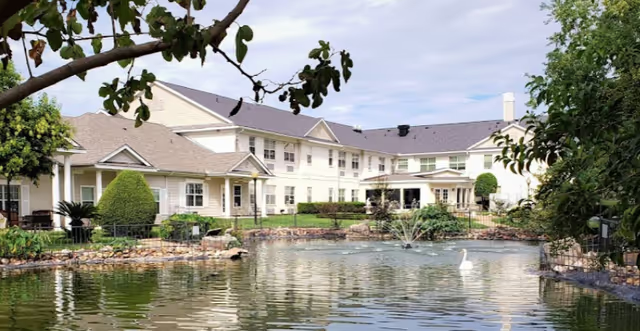
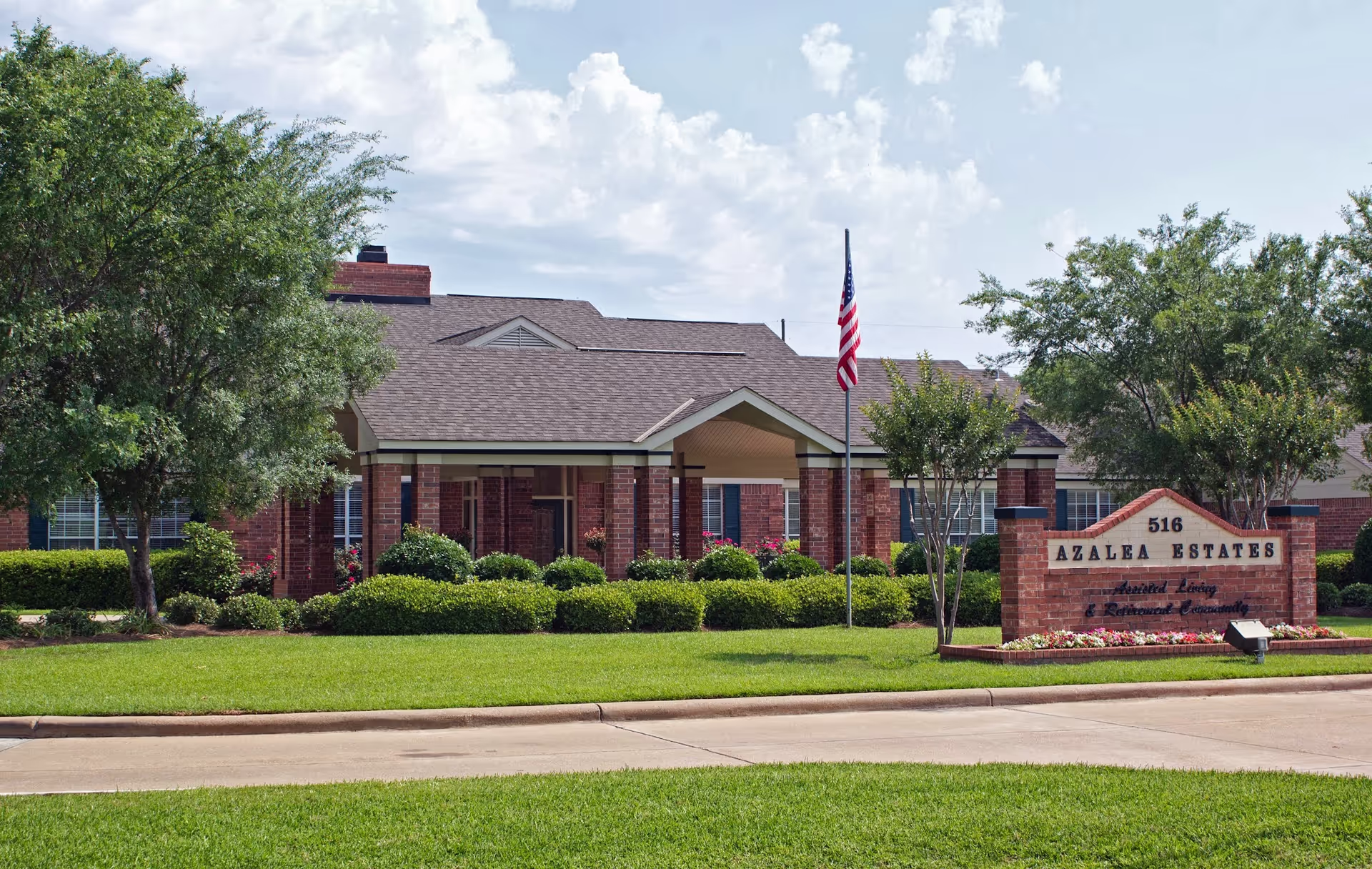
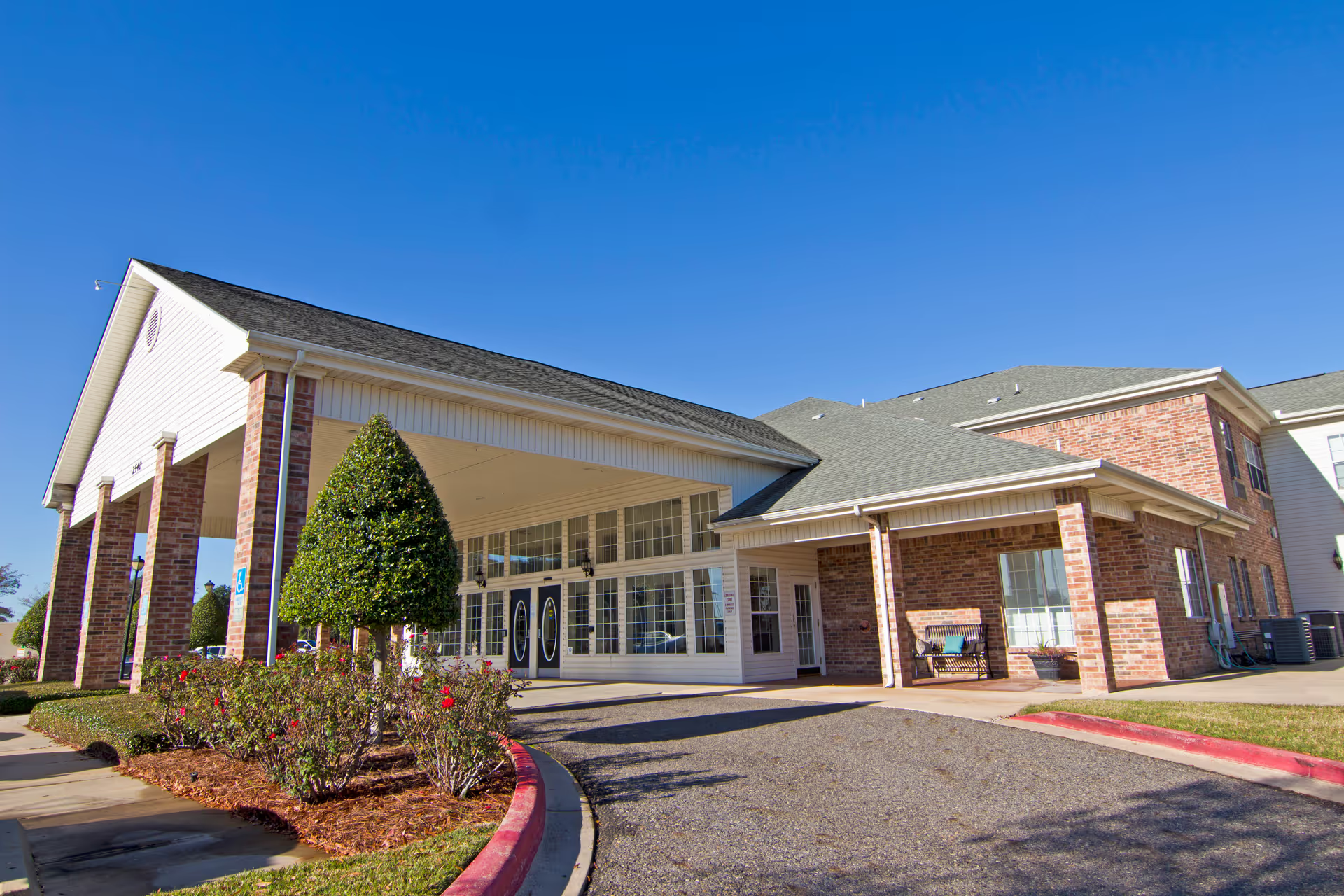
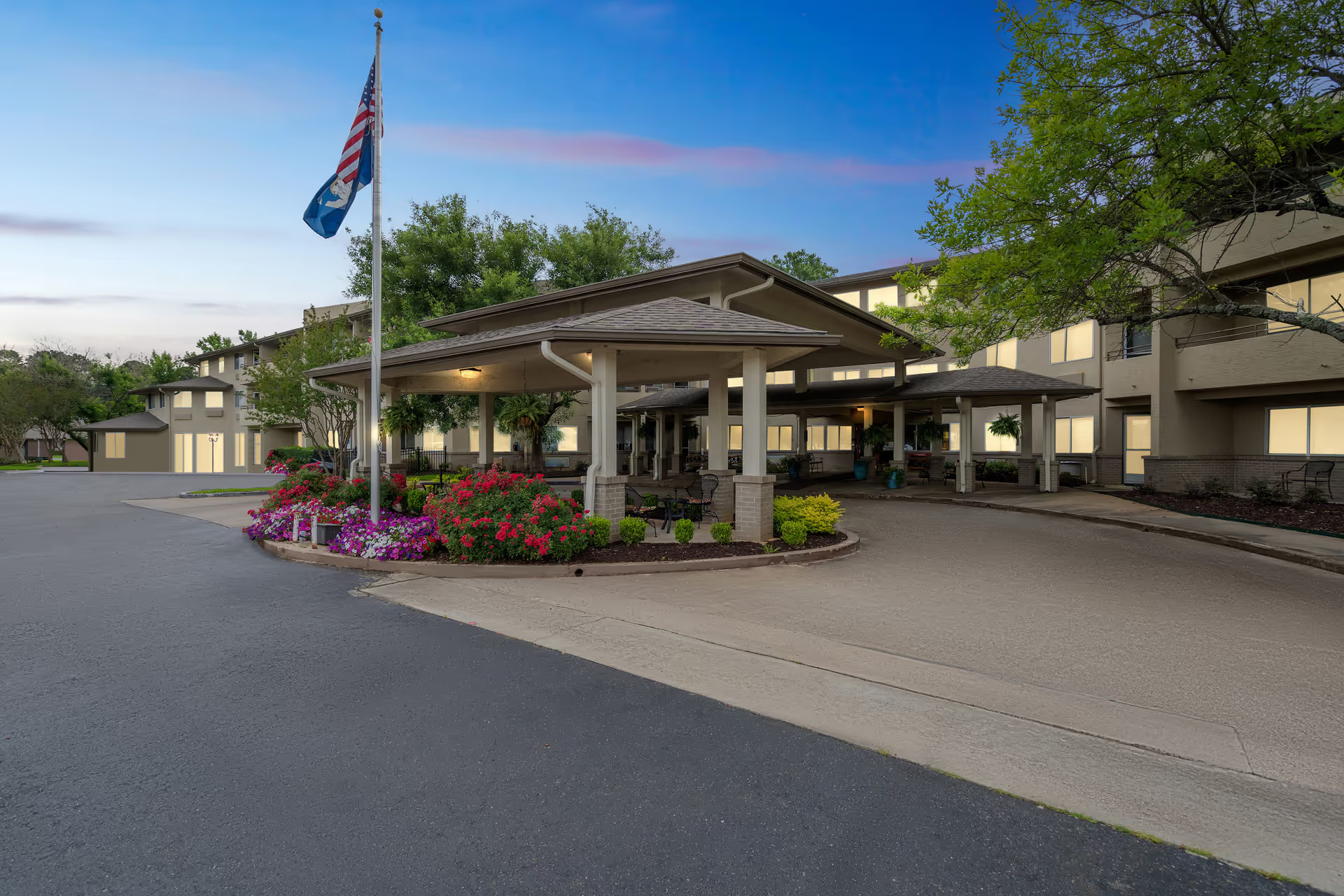
Facilities and amenities: The property is frequently described as attractive and well-maintained inside, with renovated public spaces, landscaping, and amenities such as a library, chapel, game room, barbershop, and on-floor laundry. Unit options vary (studios through two-bedrooms), many with full kitchens, and features like elevators with generator backup are positive infrastructure elements. However, reviewers also raised facility-level sanitation and odor concerns in particular common or exterior areas, mentions of clutter or discarded items behind storage, and pest-control worries tied to exterior storage and grounds. Exterior upkeep and some building exteriors were noted as needing attention, and unit-level housekeeping standards appear to vary.
Management, operations, and cost: Management elicits mixed impressions. Some families praise supportive administrators and attentive follow-through; others cite poor communication, inconsistent leadership availability, and concerns about honesty or promise-keeping. Price is another recurring theme: base rent may be competitive, but incremental costs for higher levels of care and periodic rate increases create affordability concerns for some families. The facility's size is also a factor—while it supports many amenities and activities, it can feel large or impersonal to certain residents.
Notable patterns and recommendation guidance: Overall, Bloom at Bossier offers strong social programming, a welcoming community atmosphere, and many practical amenities that appeal to active seniors and pet owners. Prospective residents should tour multiple unit types, sample dining at different times (including weekends), ask about current staffing ratios and contingency plans for kitchen and clinical coverage, inquire about pest-control and exterior-maintenance schedules, and get clear written estimates for all care-level fees and expected rate increases. For families prioritizing an active, amenity-rich environment with responsive frontline staff, Bloom may be a good fit; families for whom consistent clinical responsiveness, tight dining continuity, or exterior maintenance are critical should perform targeted follow-up with management before committing.