Reviewer experiences at this facility are polarized: a substantial number of accounts describe compassionate caregiving, effective therapy, and a supportive, community-oriented atmosphere, while others describe recurring operational problems that affect resident care and family confidence. Positive accounts emphasize strong nursing and rehabilitation services, attentive bedside staff, a dedicated environmental services team, and activities that include family members and foster social connection. Several families credited the facility with meaningful recovery outcomes and noted helpful administrative assistance with Medicaid/Medicare coordination and routine communication such as weekly updates for long-distance relatives.
At the same time, a set of consistent operational concerns emerges across reviews. Clinical-care quality appears uneven, with specific patterns of delayed or inconsistent personal-care assistance (including bathing and incontinence-related support), variable wound and skin-care follow-up, and reports suggesting gaps in medication oversight. Understaffing and workforce instability are recurrent themes and are frequently linked with delayed responses to resident needs, inconsistent therapy delivery, and uneven housekeeping performance. These patterns create variability in the day-to-day experience depending on shift, unit, or individual staff assignment.
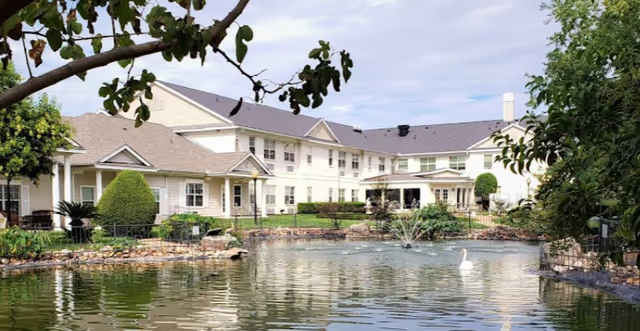
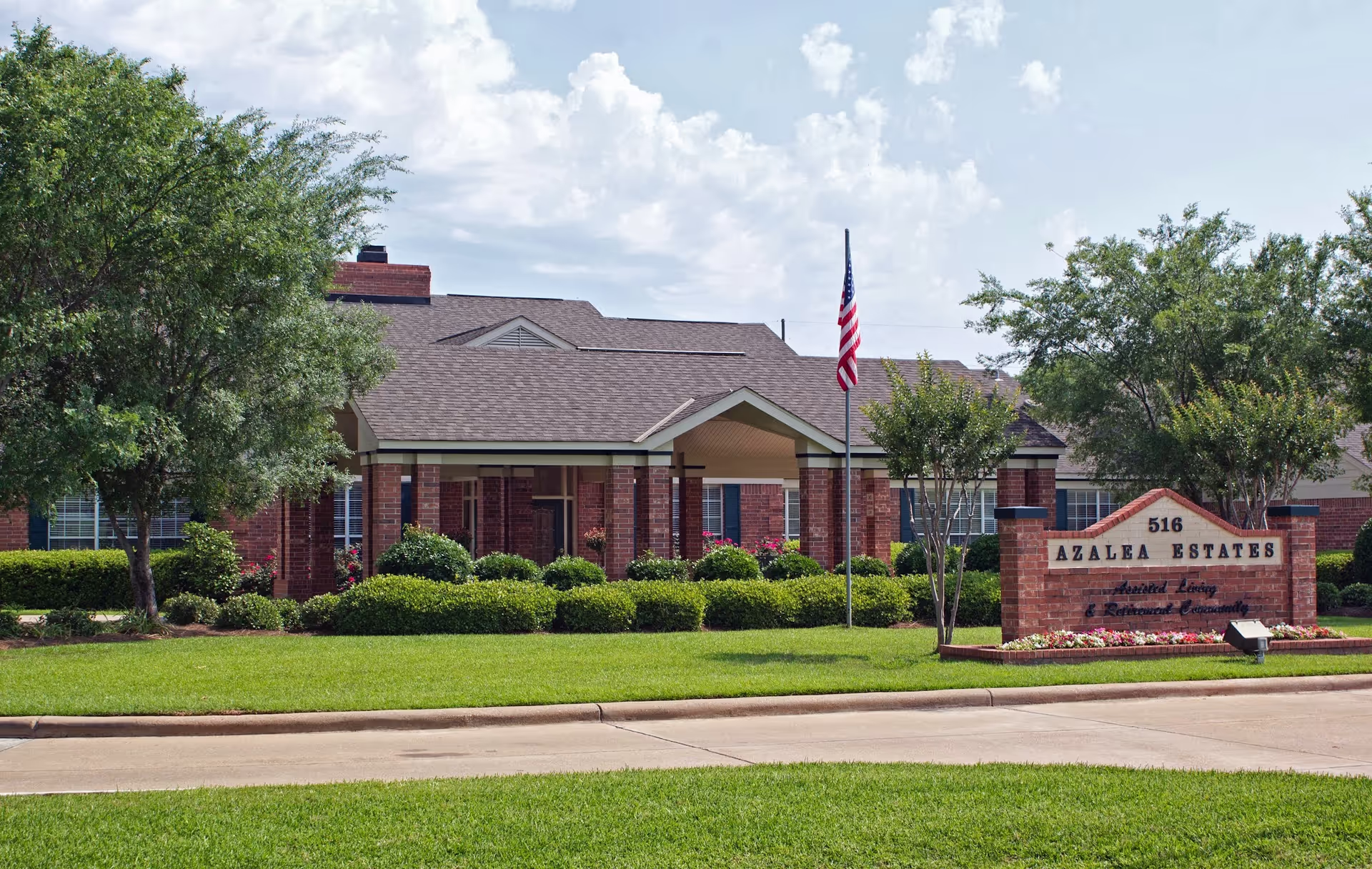
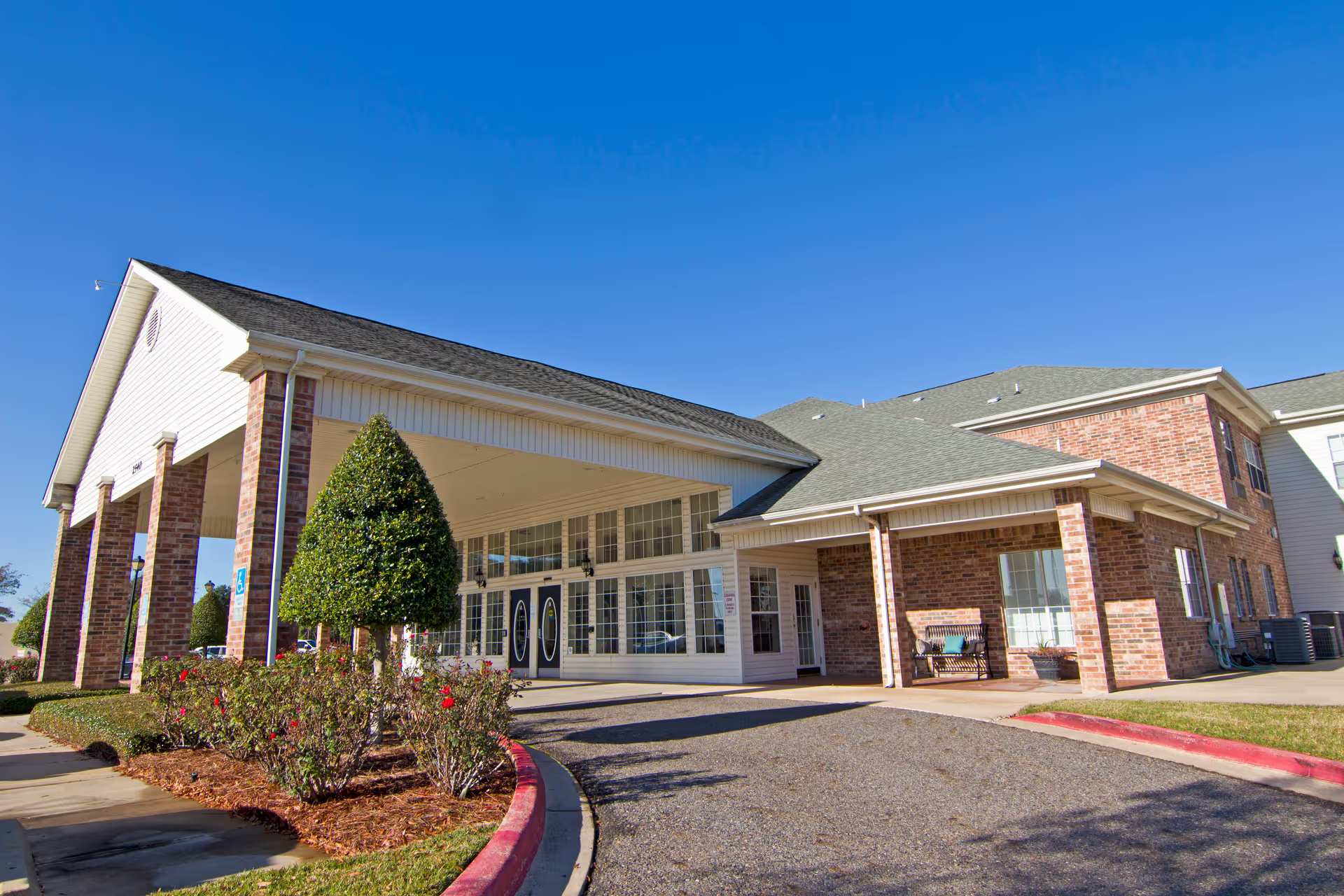
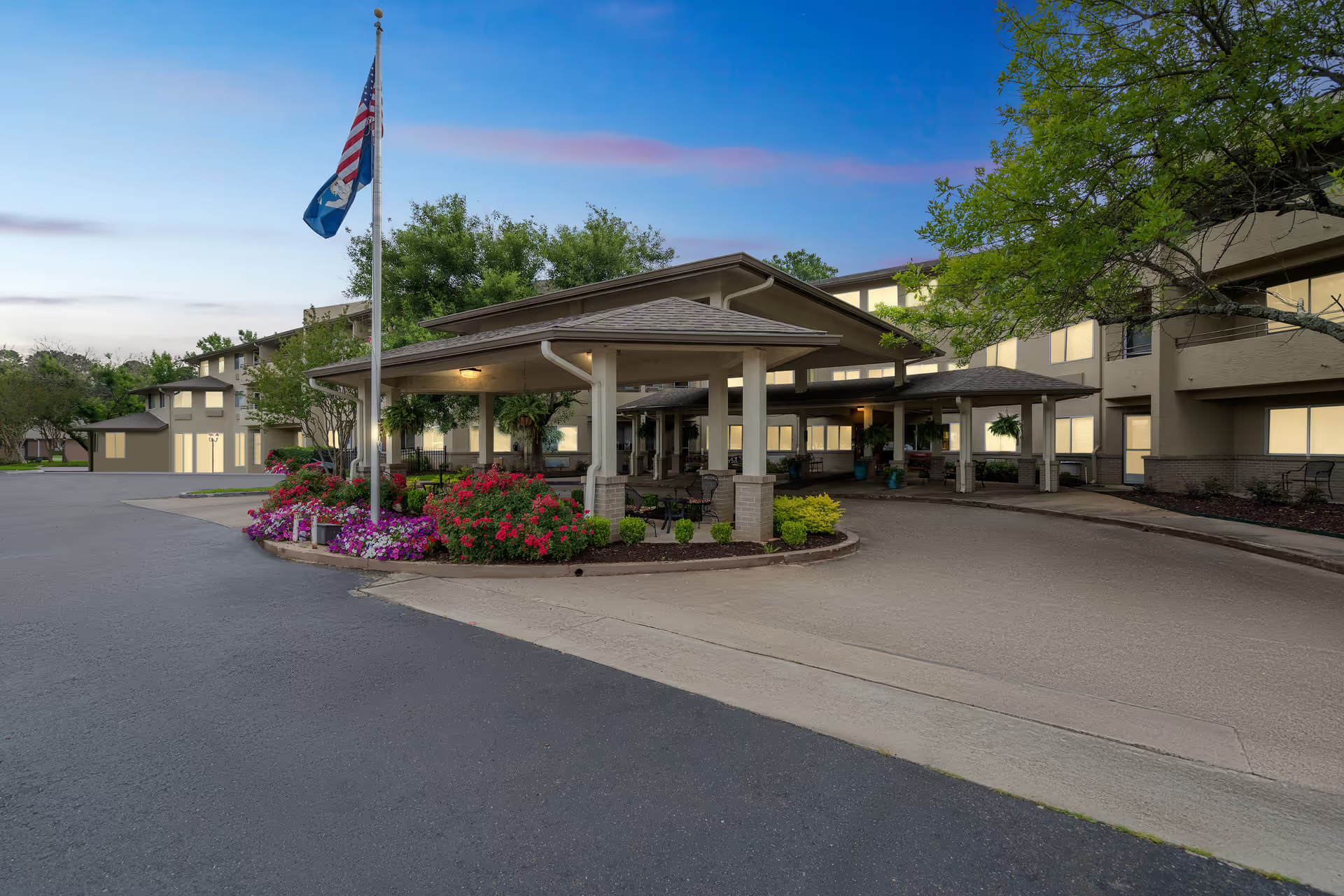
Dining and facilities impressions are mixed: some families describe clean rooms, pleasant common areas, and housekeeping that goes above and beyond, while others raise sanitation and cleanliness inconsistencies and concerns about meal quality and appetite appeal. Activity programming and social offerings were noted as resuming after restrictions and as being meaningful for residents and families; however, access and consistency of those programs were not uniformly described.
Communication and management practices are another recurring area of concern. Multiple accounts describe difficulty contacting the business office, delayed callbacks, problems with visitor reception and access, and a perception of limited administrative follow-through on family-raised issues. There are also isolated, serious allegations involving medication management and privacy of resident information; these are not described as facilitywide policies but warrant investigation and clarification by leadership.
In making a placement decision, prospective residents and families should weigh the facility's strengths in therapy, some caregivers' attentiveness, and the available full-service continuum against the documented variability in clinical consistency, staffing levels, hygiene assistance, food quality, and management responsiveness. Visiting in person, asking specific questions about staffing ratios, wound-care protocols, medication oversight, bathing schedules, visitation policies, and family communication procedures, and requesting recent inspection or quality metric data may help clarify whether the facility’s positive practices are uniformly applied to a prospective resident’s unit and shift.