Overall impression The Columns of Bossier City elicits a mixed but clear pattern: many families praise the on-the-ground caregiving, activities, and social environment, while a set of operational weaknesses creates uneven experiences. Strengths include a personable direct-care team, an active activities program that helps residents socialize, and several families’ positive experiences with memory-care and overall sanitation of common areas. At the same time, recurring operational concerns — staffing variability, maintenance and housekeeping inconsistencies, and administrative communication failures — are prominent themes that prospective residents should evaluate closely.
Care and staff Numerous accounts emphasize compassionate, attentive staff who develop genuine relationships with residents and who can encourage participation in activities and daily routines. The facility maintains 24/7 on-site coverage and several reviewers specifically commended coordinators and direct-care aides. However, there are frequent complaints about inconsistent staffing levels (notably nights and weekends) and limited RN availability, with greater reliance on CNA-level staff for clinical oversight. These staffing patterns are associated with delayed responses in some situations and uneven care follow-through. There are also isolated but serious allegations concerning memory-care incident response; these elevate the importance of asking detailed questions about emergency protocols, staff training, and escalation pathways prior to move-in.
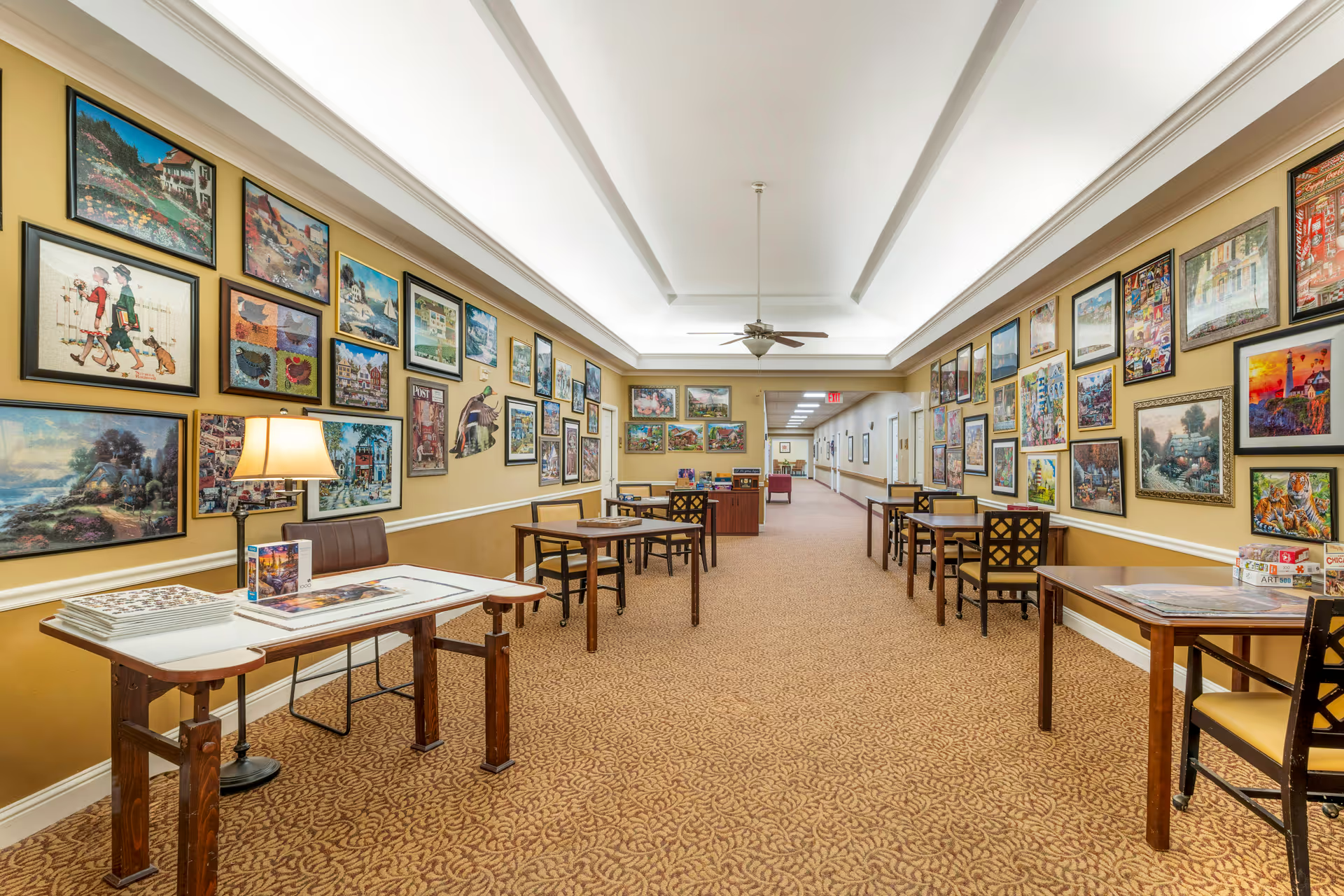
Dining and activities Activity programming is consistently described as a positive element: planned events, social opportunities, and staff encouragement help residents form friendships and remain engaged. Dining opinions are more mixed. Several families report enjoyable meals and good value, while others describe declines in food quality and inconsistency in service. Prospective families should sample meals where possible and ask about menu rotation, special-diet accommodations, and how kitchen staffing and quality are monitored.
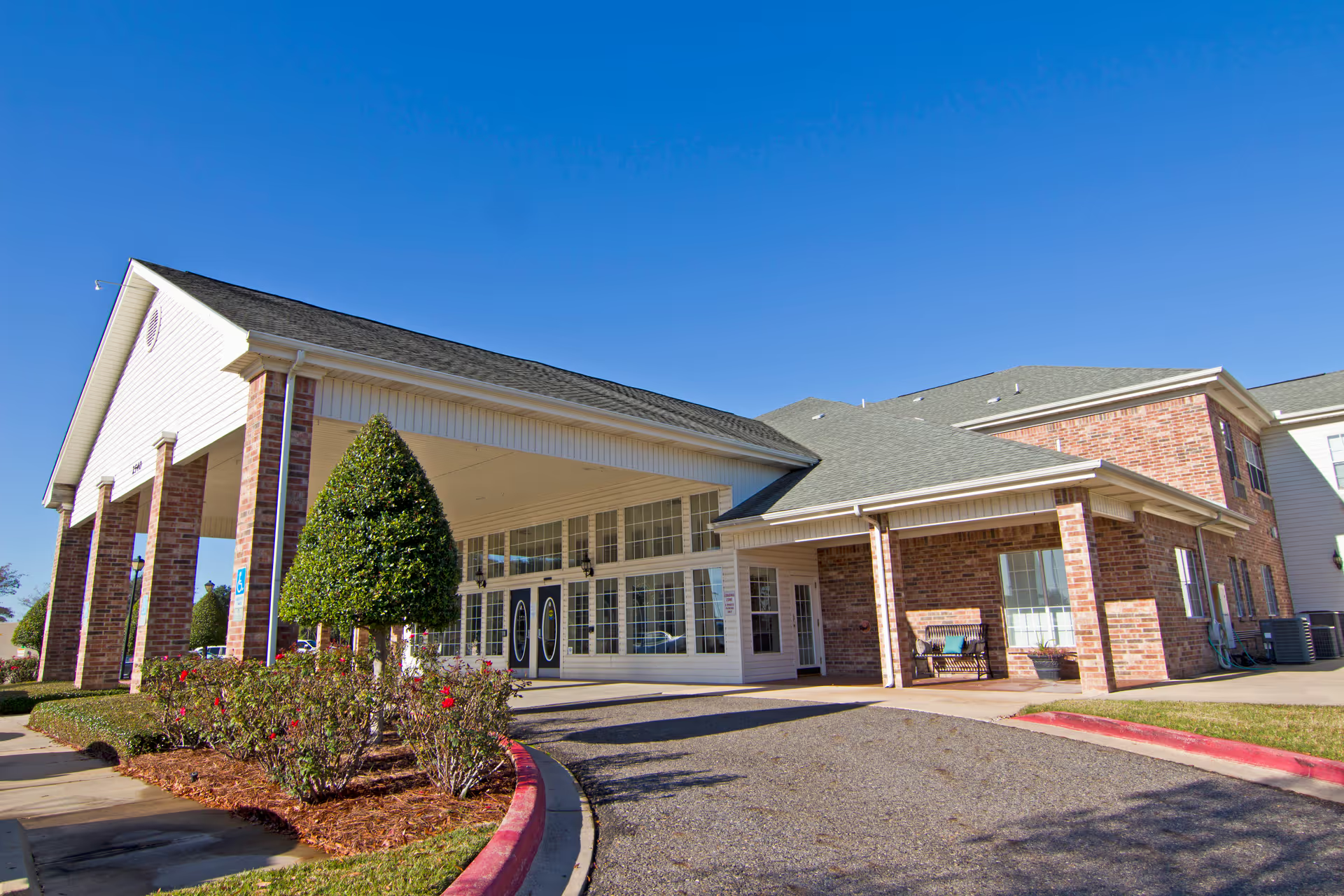
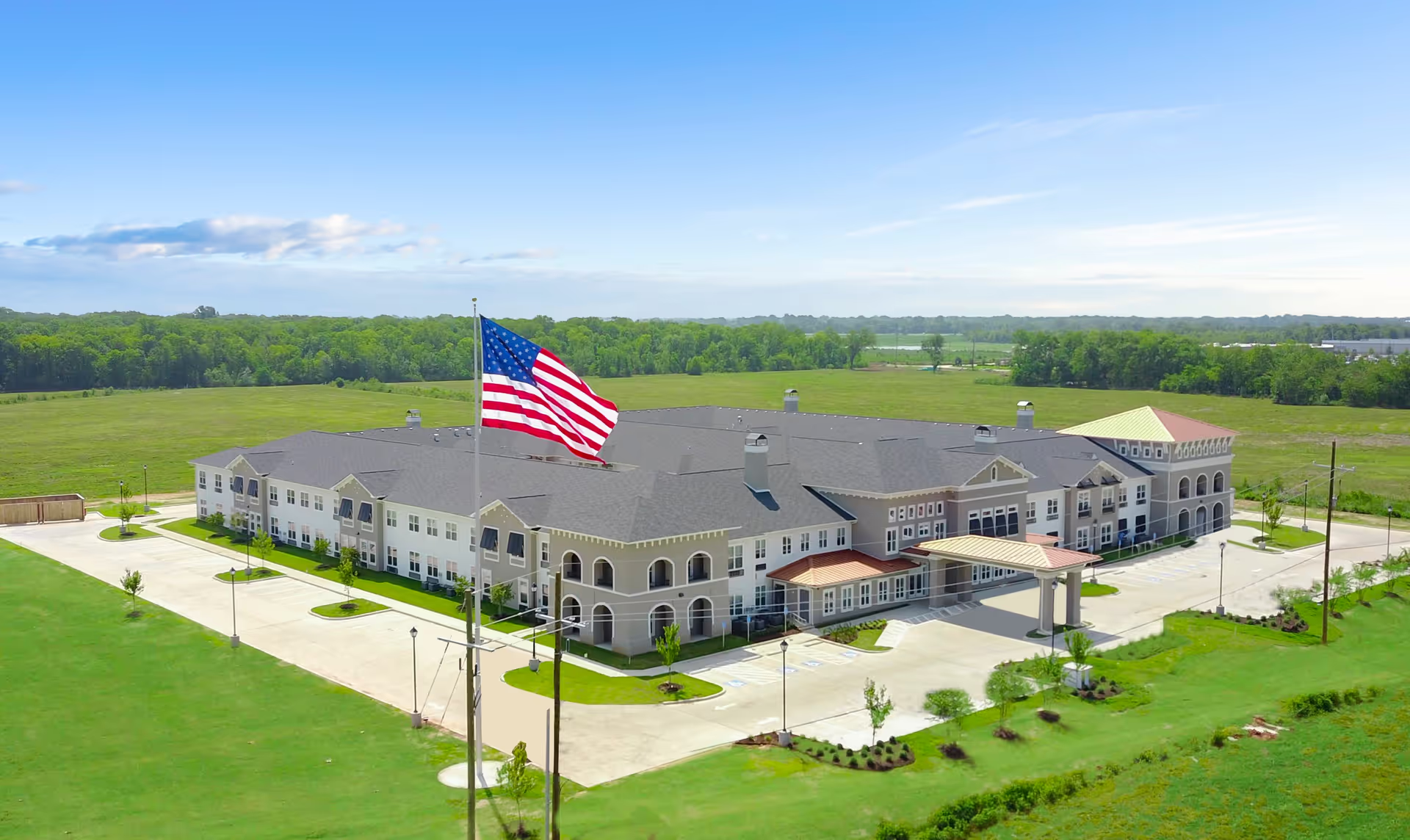
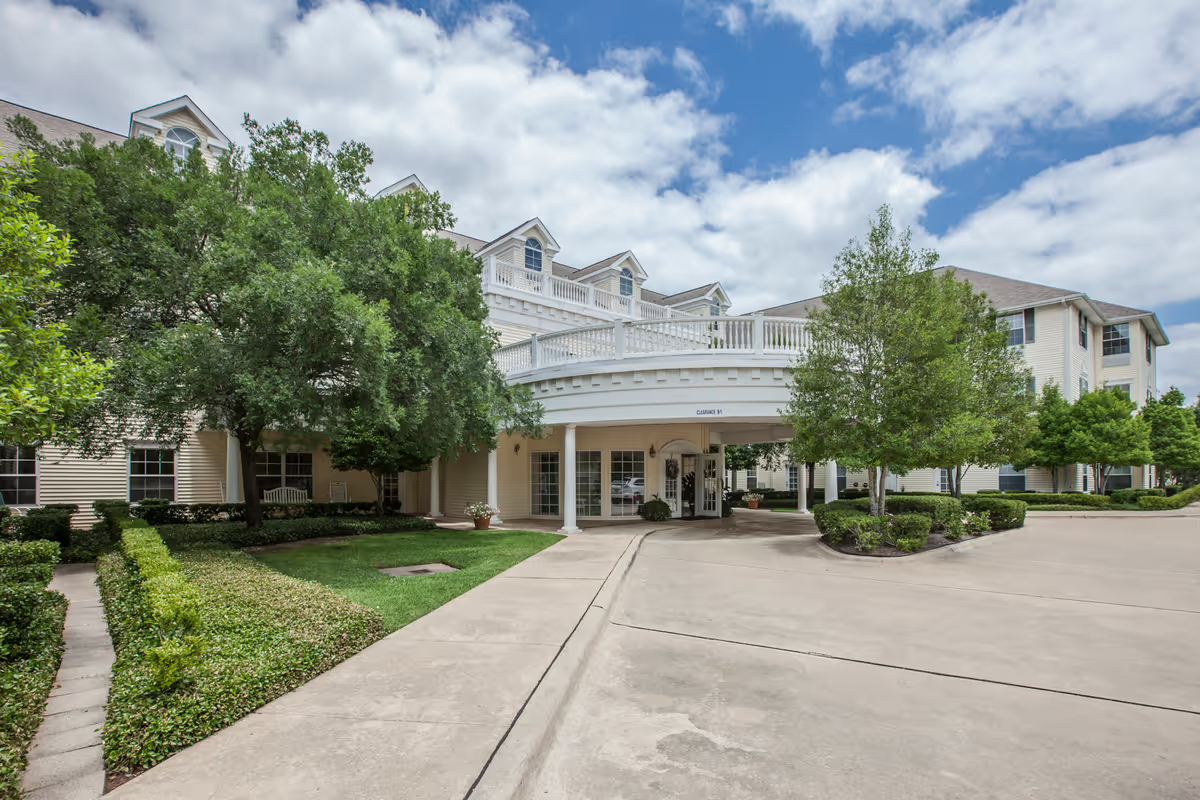
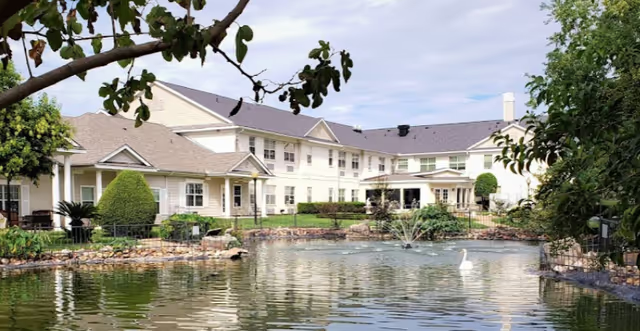
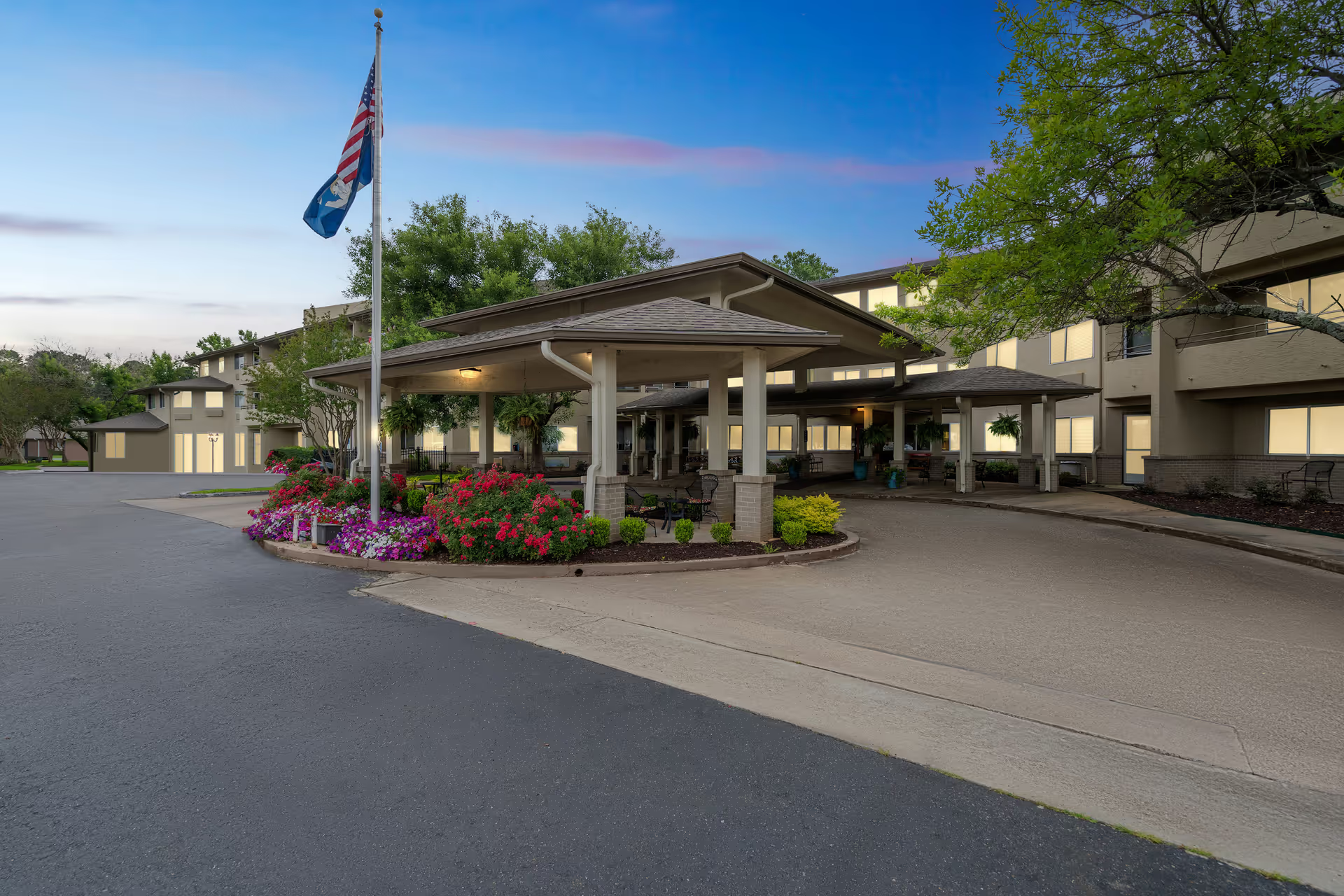
Facilities and housekeeping The community is generally described as having pleasant grounds, a home-like atmosphere, and well-kept common areas. Private rooms and features like enclosed patios are cited as positives. Simultaneously, the building is noted to be older in spots, which is associated with maintenance backlogs: flooring that was not replaced as promised, untimely repairs, and housekeeping inconsistencies. Odor concerns in some rooms or corridors and intermittent lapses in room cleaning are mentioned; these indicate variability in sanitation practices that should be clarified during a tour.
Management, administration, and communication Feedback about leadership and administration is mixed. Some families praise an involved, responsive director and an effective move-in coordinator. Others describe poor communication, unreturned calls, cold or dismissive interactions from upper management, billing disputes (pro-rated charges, refund delays), and move-in coordination problems such as delayed apartment availability. These issues suggest process and accountability gaps in areas of billing, promises to families, and internal communication. Prospective residents should seek written agreements for promised accommodations, clear billing explanations, and names of primary contacts for clinical and administrative concerns.
Notable patterns and guidance for families The dominant positive themes are compassionate direct-care staff, strong activities, and a welcoming common-area environment. The dominant negatives are operational: inconsistent staffing and clinical coverage, housekeeping and maintenance variability, and administrative/communication deficiencies. Given the mix of experiences — including at least one serious allegation involving memory-care incident response — families should (1) tour during a mealtime and activity period, (2) ask specifically about RN coverage and staffing ratios by shift, (3) request written policies on memory-care security and clinical escalation, (4) review housekeeping and maintenance turnaround expectations, and (5) obtain written clarification of billing and move-in commitments. These steps will help align expectations with the facility’s strengths and identify whether its operational limitations are acceptable for a particular resident’s needs.