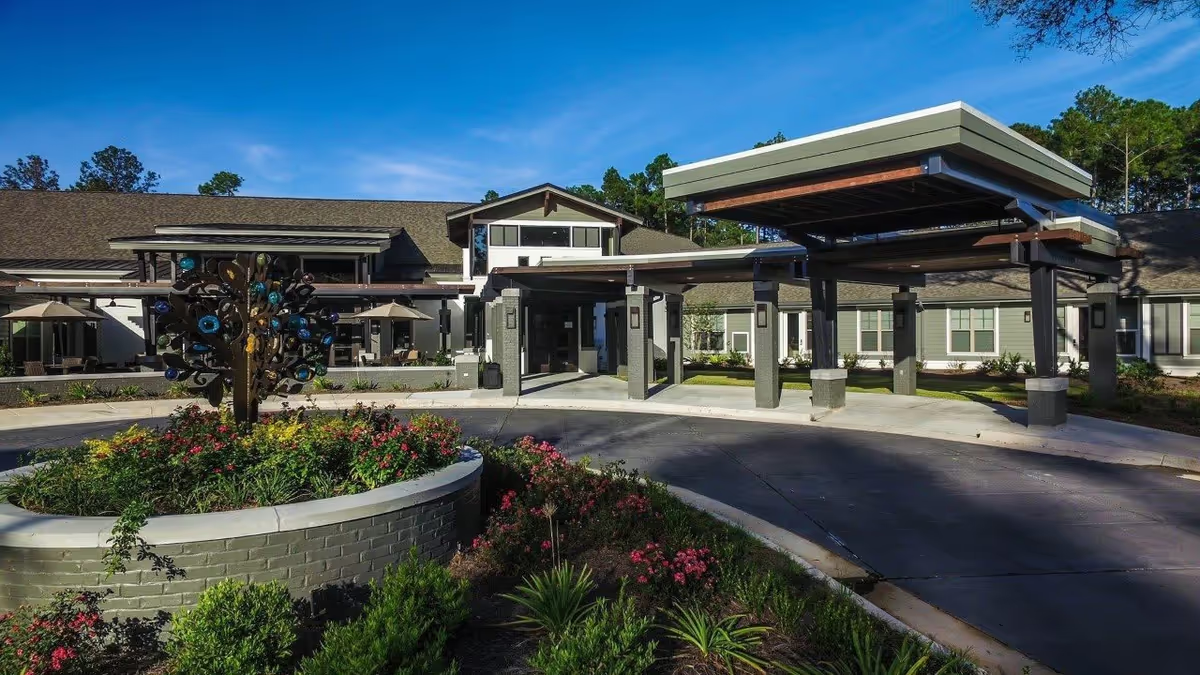
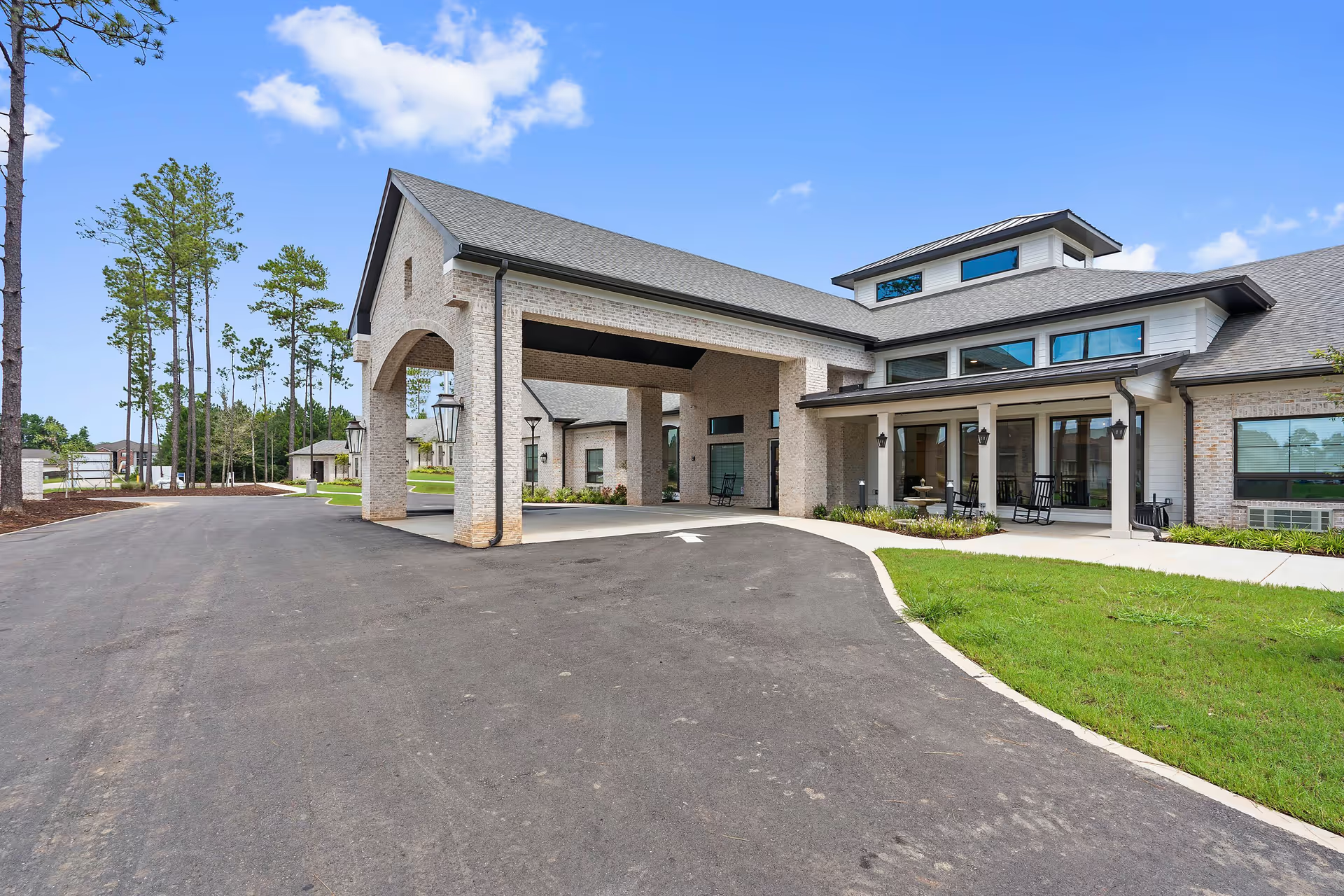
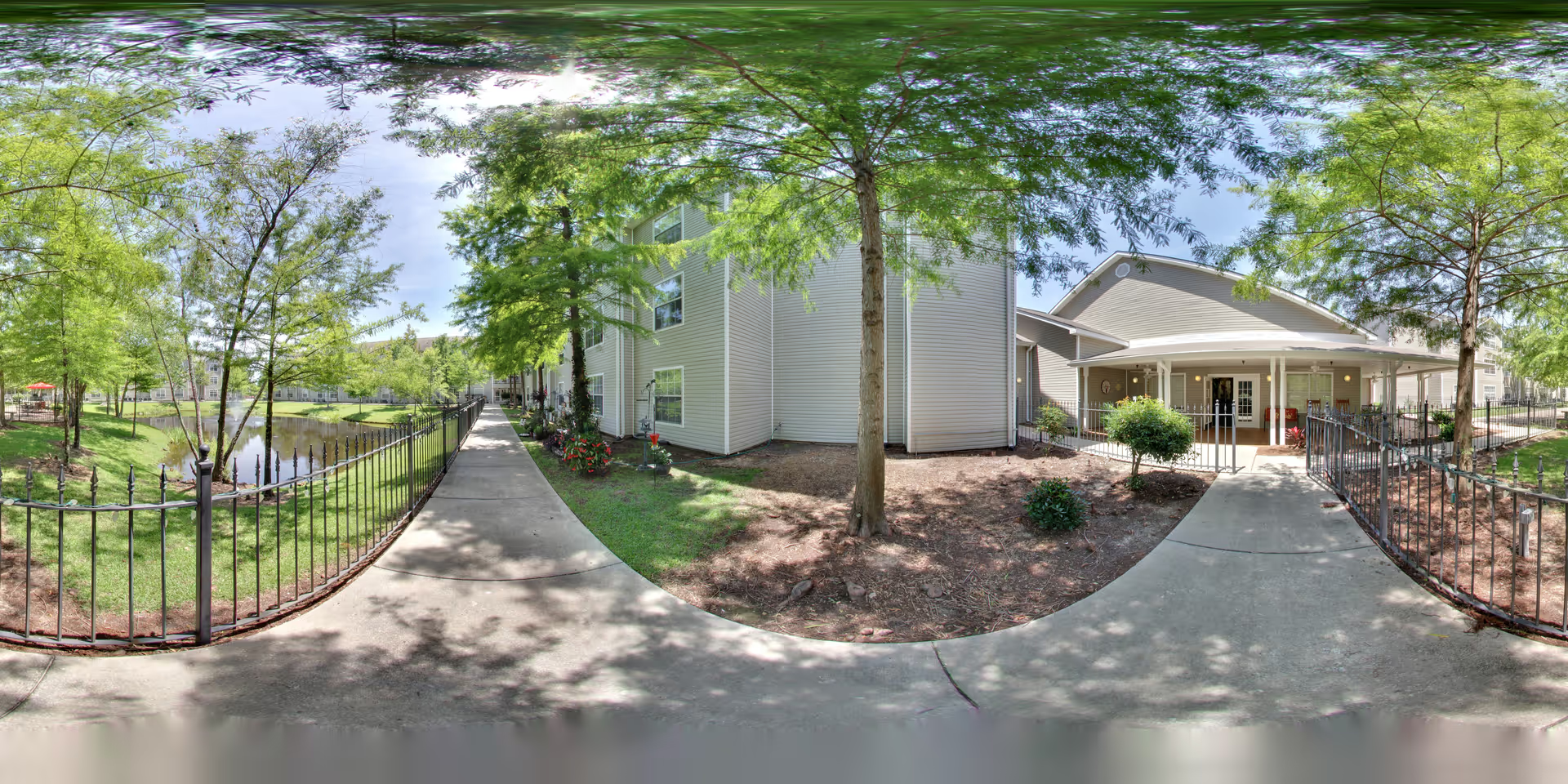
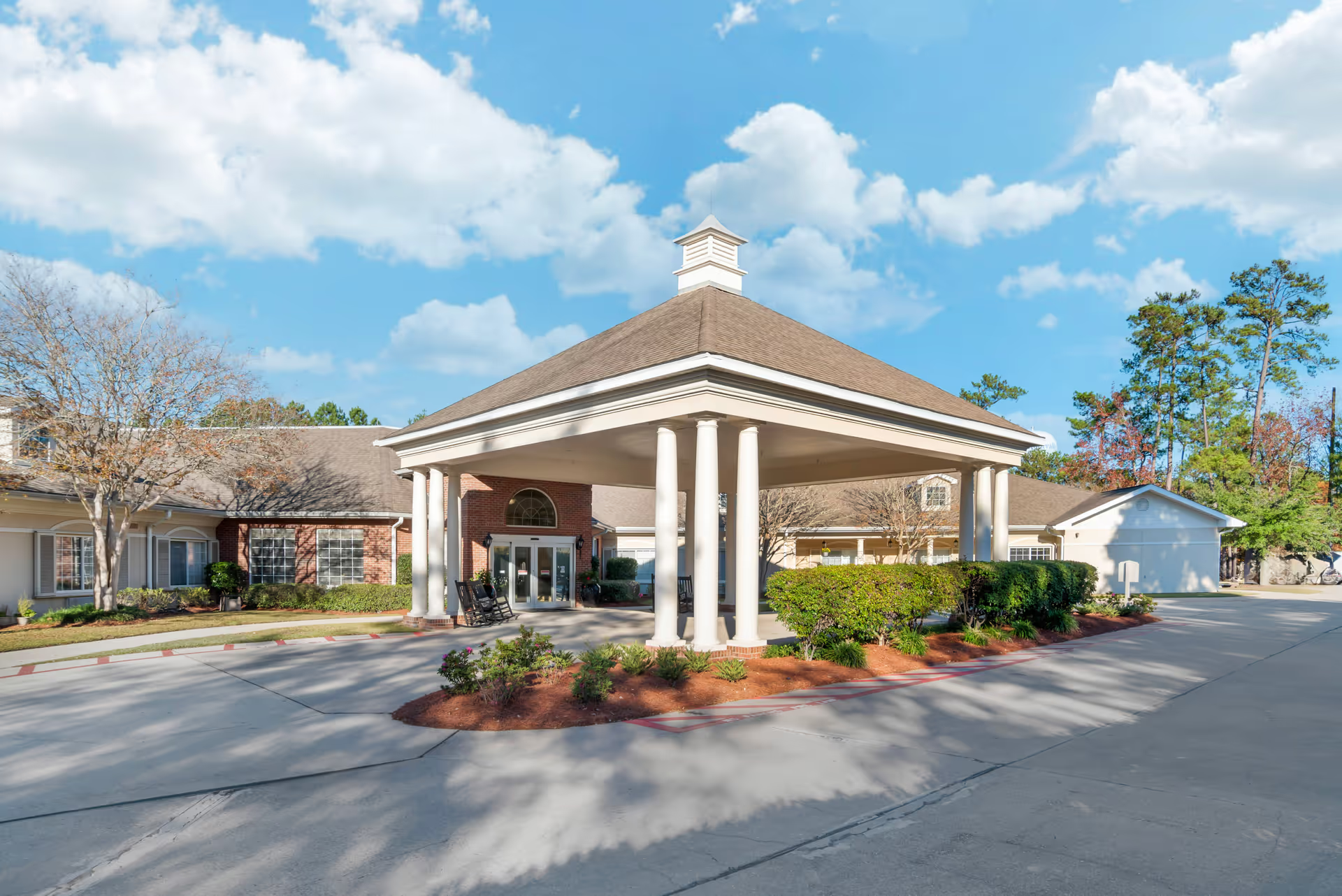
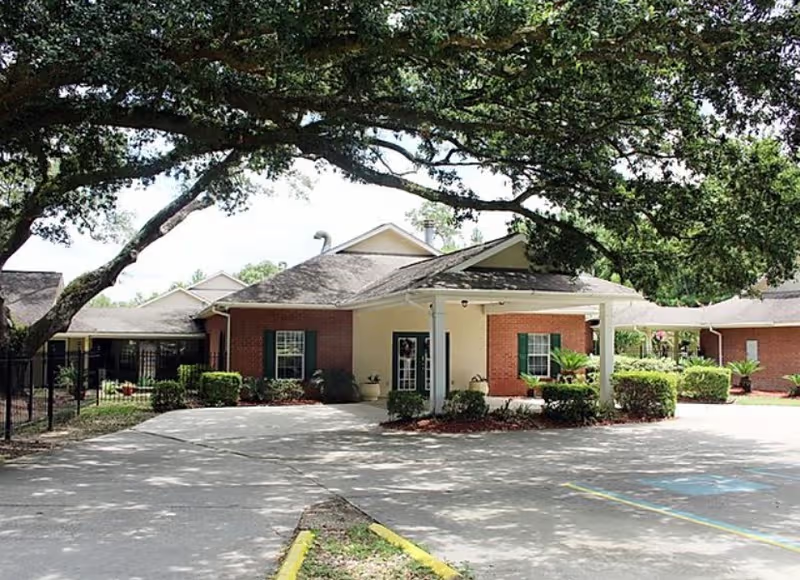
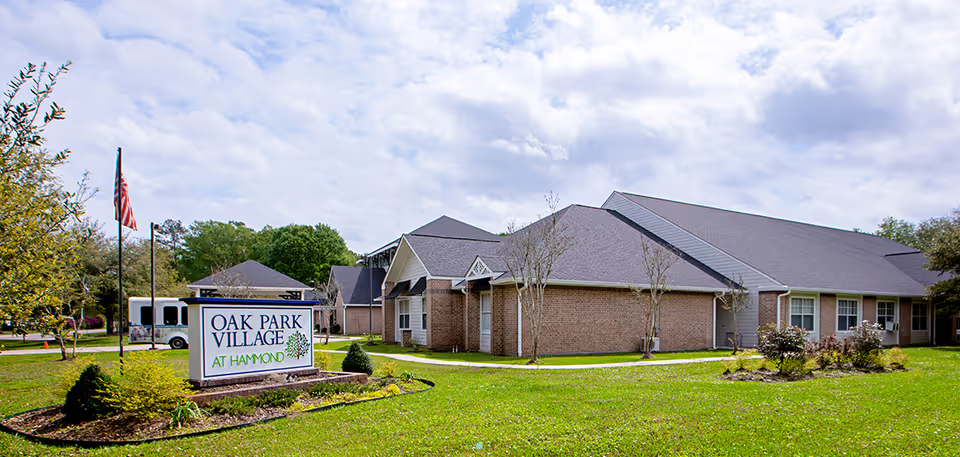
Forest Manor presents as a newly built, hotel‑style skilled nursing and rehabilitation center with many amenities that reviewers consistently praise. The physical plant is repeatedly described as modern, clean, and well maintained, with spacious rooms, attractive furniture, wide carpeted hallways, multiple dining areas, and a large courtyard. The facility’s front‑desk processes and security screening (including an AI kiosk) and an efficient check‑in experience are noted positives. Families and short‑stay residents most commonly cite the environment and grounds as a key strength.
Direct care and therapy services are a mixed but generally favorable area. Many reviewers highlight engaged, friendly, and compassionate CNAs, aides, and activity staff — several staff members are described as long‑tenured and emotionally supportive, and rehabilitation/physical‑therapy services receive positive remarks about outcomes and staff attentiveness. The activity program is robust, with a large calendar, music, outings, and regular programming that contributes to a lively social atmosphere. Transportation for shopping and community outings is also available and appreciated.
Despite those strengths, multiple operational weaknesses are evident. A recurrent theme is inconsistent nursing responsiveness and gaps in clinical oversight: families reported delays in nurse availability, uneven access to advance practice providers or the medical team, and variability in after‑hours supervision. Staffing shortages are cited as contributing to these issues and to inconsistent adherence to infection‑control practices such as masking. For prospective residents with cognitive impairment, the facility’s environment appears to lack a secured dementia‑care unit, and some reviewers expressed concerns about safety practices and supervision for residents who need locked‑unit protections.
There are repeated service‑delivery issues affecting daily living: reviewers described problems with incontinence‑care timeliness and laundry management, including missing clothing and confused handling of garments. These reports point to weaknesses in personal‑property controls and laundry workflows. A few families raised allegations of theft and missing personal items, which suggests a need for clearer property‑security procedures. Dining also draws mixed feedback: several reviewers praised meals and clean dining rooms, while others found food quality inconsistent.
Management and communication are additional areas to probe when evaluating the facility. Reviewers diverge on responsiveness to families — some describe warm, transparent communication and staff that became like family, while others describe poor communication from providers and slow notification of clinical changes. Concerns about value are common due to the facility’s premium pricing; prospective residents should weigh cost against the level of clinical oversight they require.
Recommendations for prospective residents and families: tour during activity times, ask about staffing ratios and after‑hours clinical coverage, request written protocols for laundry, property security, and incontinence care, confirm the availability and frequency of physician/NP rounds, and verify dementia‑care options if needed. Overall, Forest Manor offers a high‑quality environment and strong therapy and activity programming, but visitors should seek specific assurances about consistent nursing responsiveness, property management, and safeguards for residents with cognitive impairment.