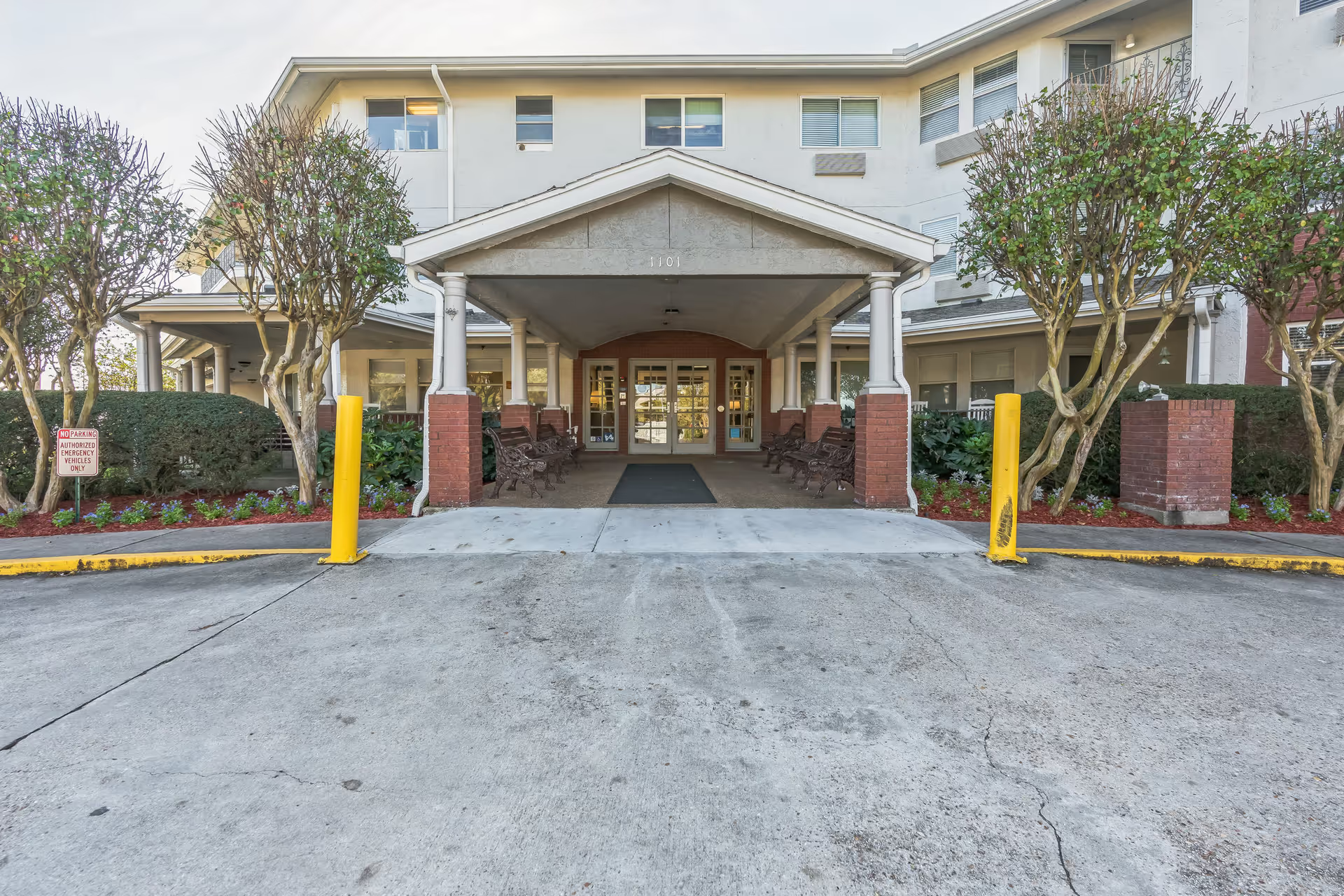
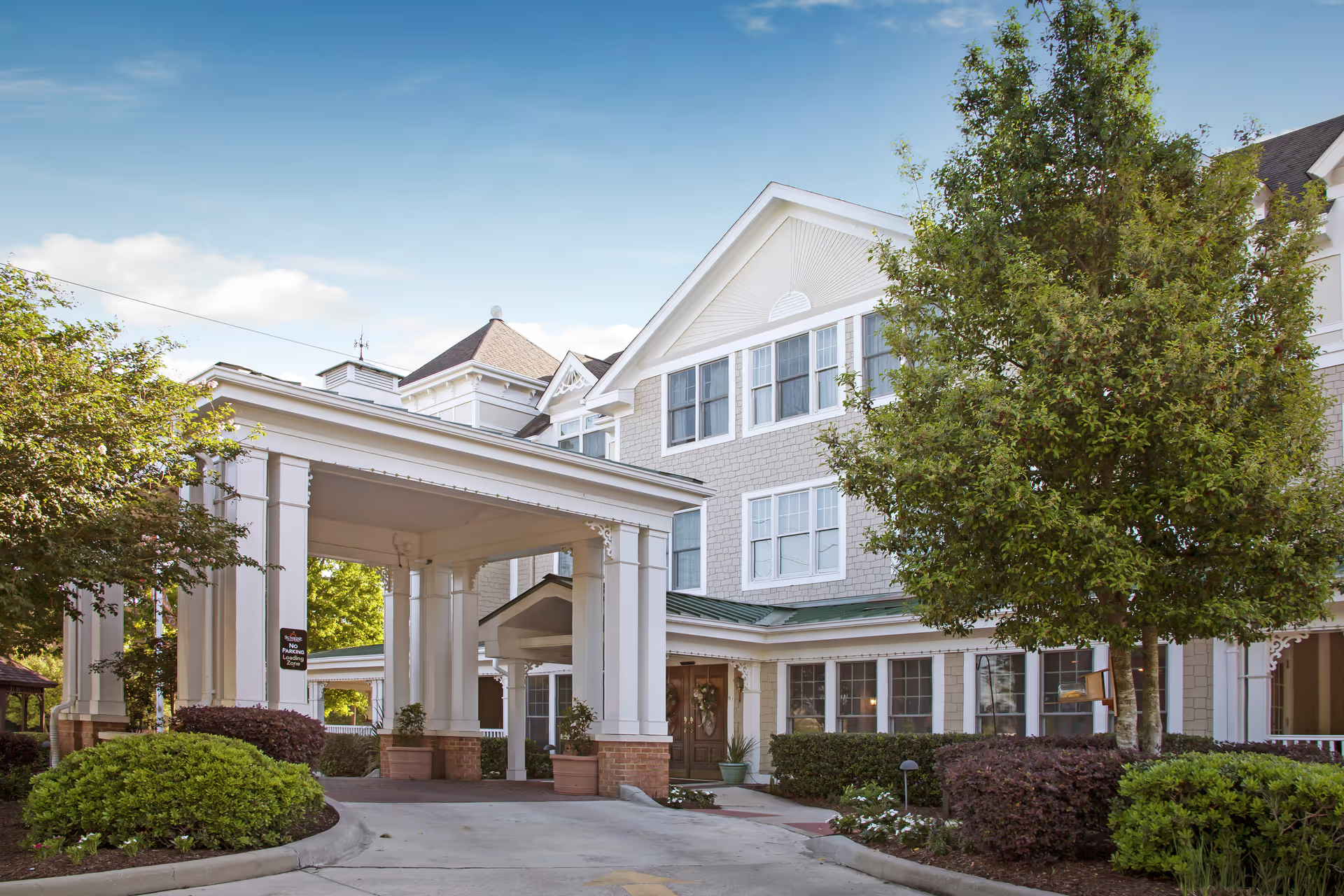
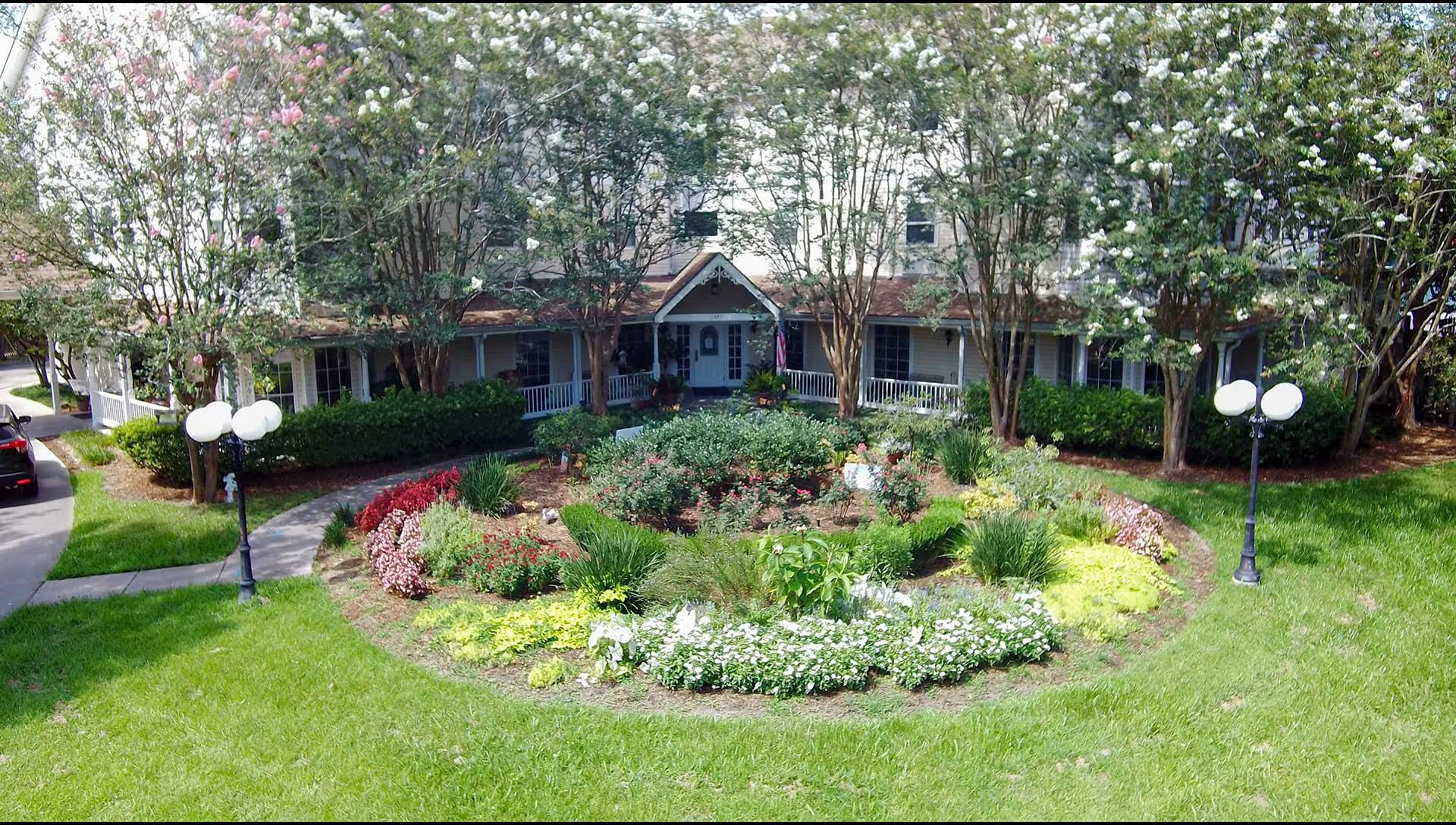
Laketown Village presents a mixed but well-defined profile: many families praise warm, attentive staff, strong social dining, attractive outdoor spaces, and an active program of music, outings, and games. The campus is frequently described as bright and resort-like, with restaurant-style meals, on-site transportation, therapy services, and a suite of amenities (courtyard, salon, concierge, and large dining areas) that support socialization. Memory-care programming and certain leadership figures receive particular commendation for engagement and resident familiarity.
Care quality is uneven across populations and shifts. Several accounts highlight compassionate, hands-on caregivers and effective clinical teams, while others describe delays in attending to clinical needs, inconsistent medication handling, and concerns about the facility's ability to provide higher-acuity or emergency care. There is a recurring theme that memory-care units are better resourced and managed than some assisted-living areas; families should verify the facility's capacity to meet progressing care needs and confirm assessment accuracy before move-in.
Staff strengths are a clear asset: staff are often described as friendly, proactive, and personally engaged with residents. At the same time, reviewers describe operational staffing challenges—high turnover, understaffing on some shifts (particularly weekends and nights), and occasional lapses in staff responsiveness. These workforce issues are linked in some accounts to delays in personal-care tasks (bathing, laundry), slow call-button responses, and inconsistent supervision during off-hours.
Dining and activities are frequently cited as positives: many residents enjoy varied menus, social dining, specialty meals, live entertainment, and regular outings. However, there are also consistent notes about meal-service inconsistencies (timing, occasional cold meals) and a desire for broader or more tailored activity choices for residents with differing ability levels.
Facility upkeep and housekeeping receive mixed feedback. Public areas, courtyards, and dining rooms are commonly praised as clean and well-maintained, and maintenance responsiveness is an often-cited strength. Conversely, several comments indicate uneven housekeeping and laundry execution in some apartments or shifts, along with sanitation and odor concerns in certain areas; prospective families should clarify cleaning schedules, laundry policies, and incontinence-care procedures.
Management and administrative practices show a similar split: admissions, tours, and some leadership figures (sales/activities directors, memory-care managers) receive strong positive mentions for communication and responsiveness. Yet there are recurring administrative concerns: billing and accounting errors, unexpected charge increases, contract clarity issues, and inconsistent communication around level-of-care changes. A number of reviewers advise close review of contracts, fee-change policies, and the facility's billing practices prior to move-in.
Notable patterns: the community can be an excellent fit for independent or socially engaged residents who value dining and activities in a secure, garden-like setting. Families considering the facility for residents with advancing clinical needs or complex memory-care requirements should verify staffing patterns, clinical competencies, response times, and contract protections. Before committing, request written care-plan timelines, clarification of weekend and night leadership coverage, medication-administration protocols, and clear billing terms to reduce the chance of the operational gaps that some families experienced.