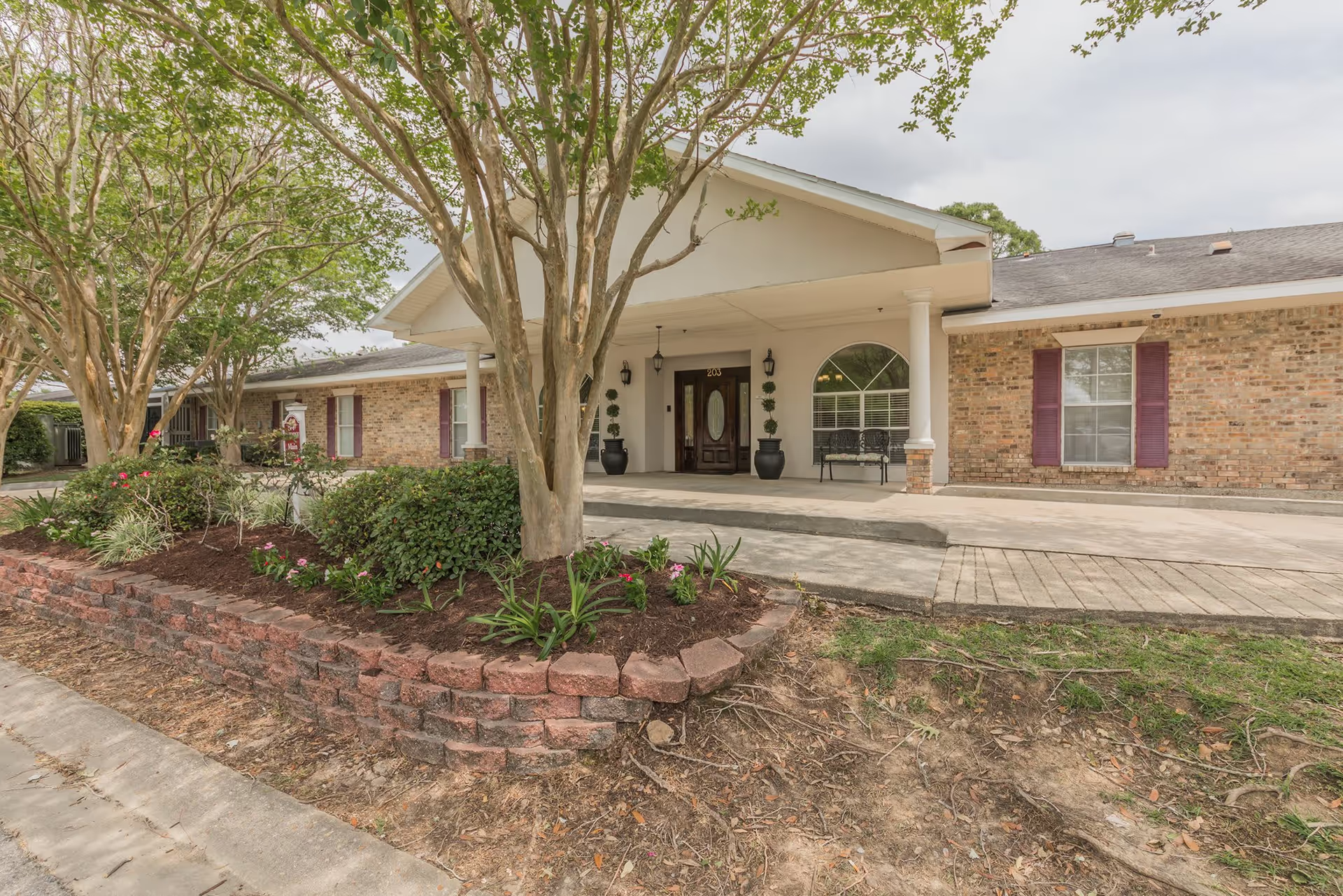
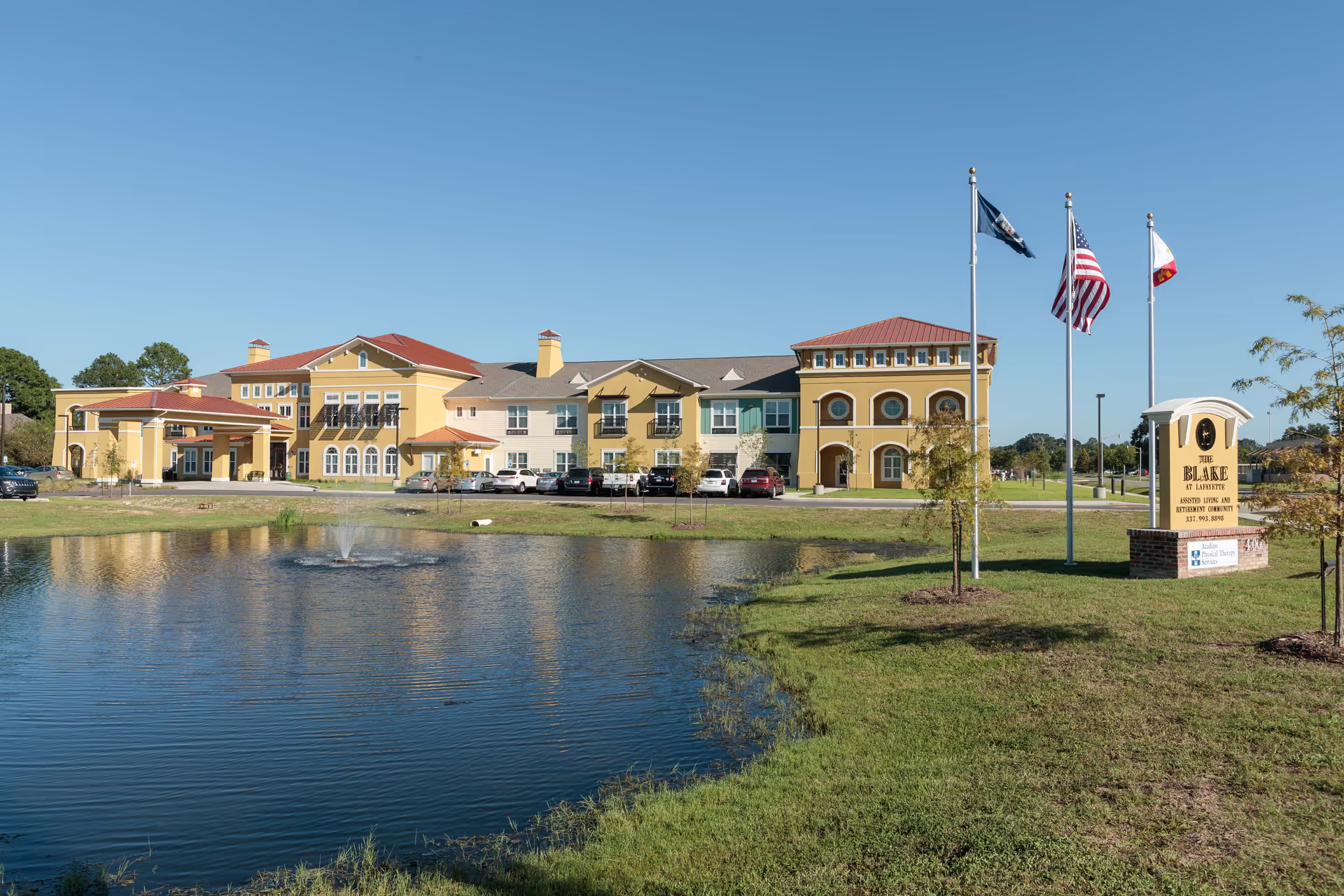
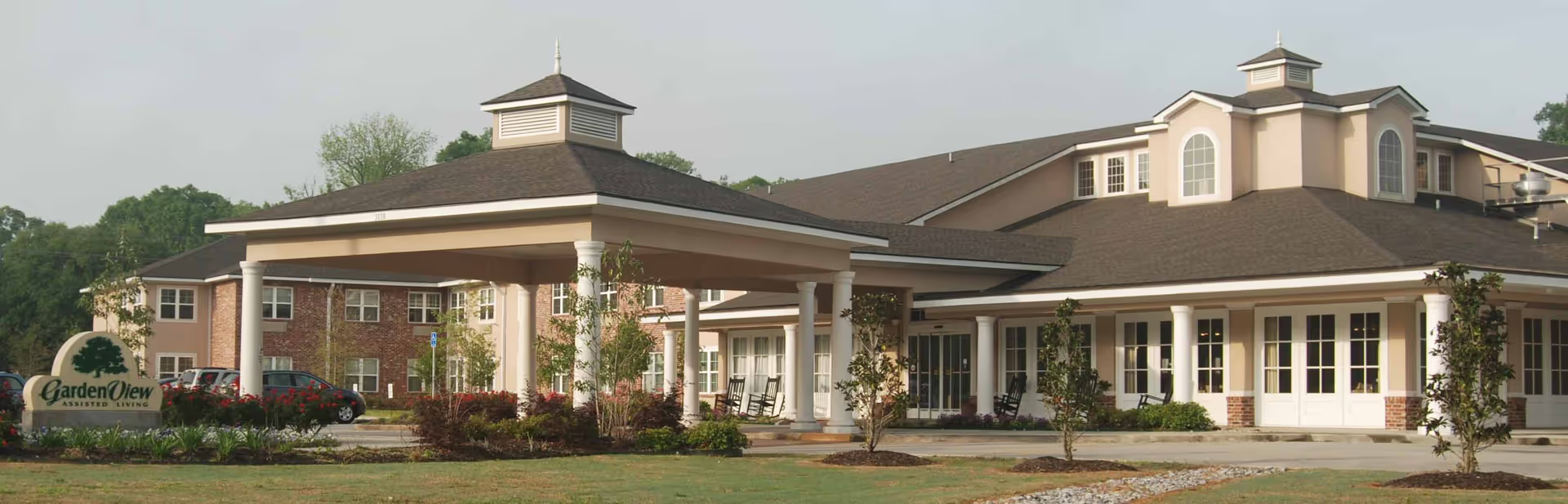
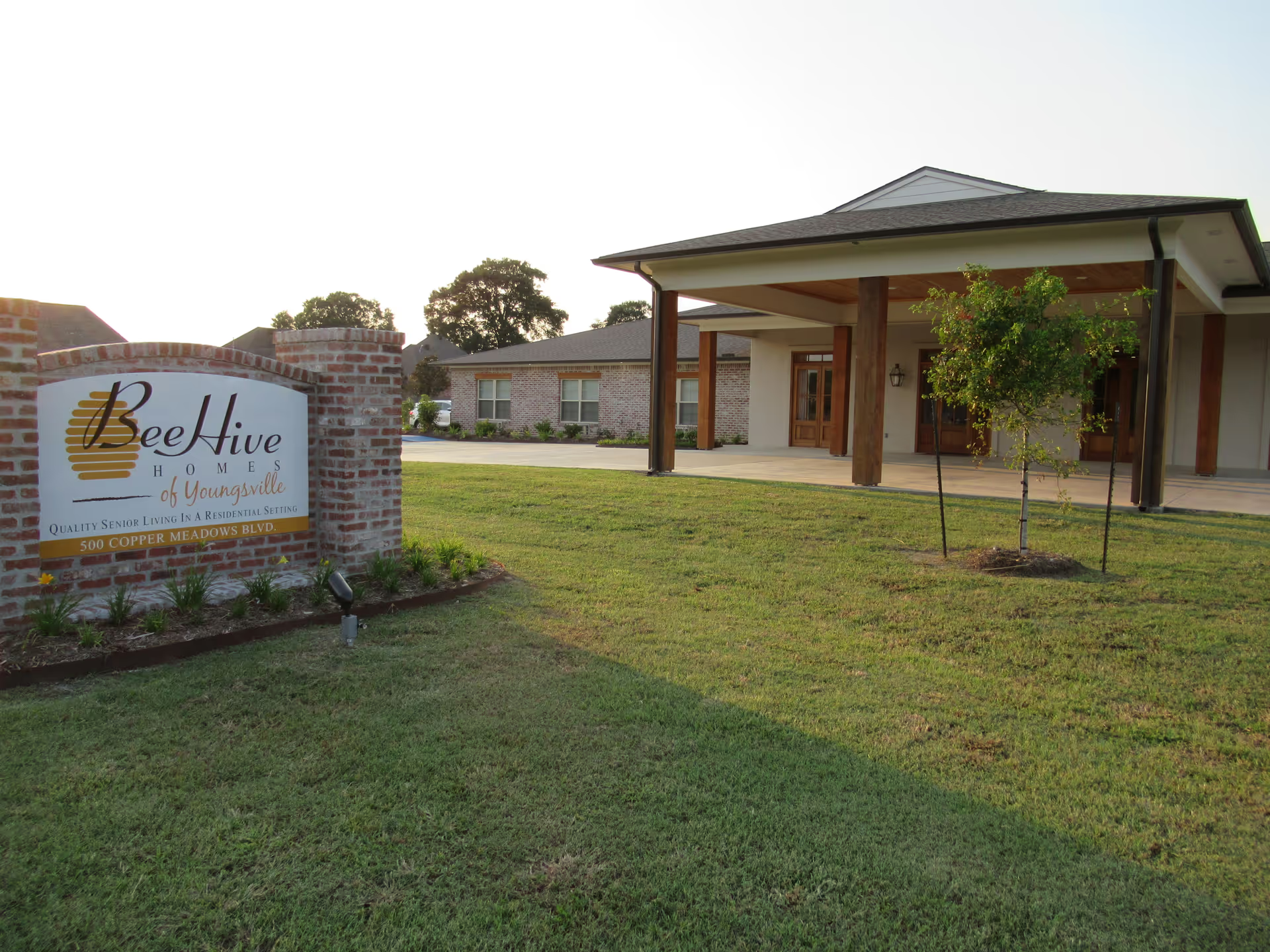
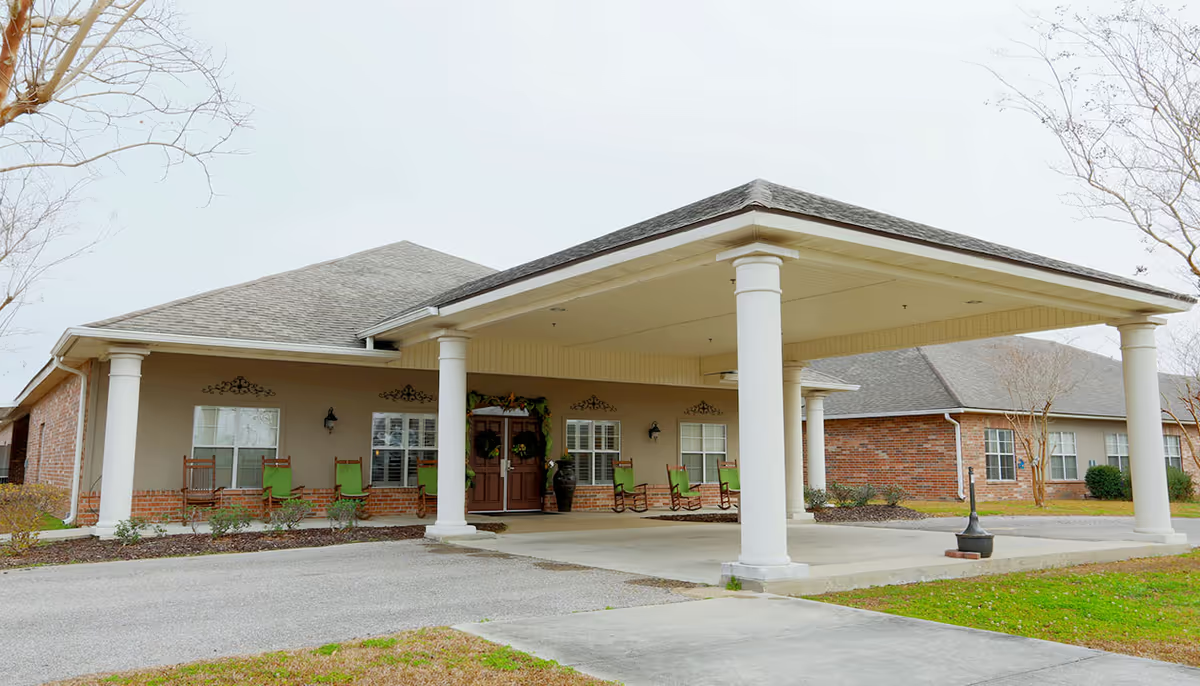
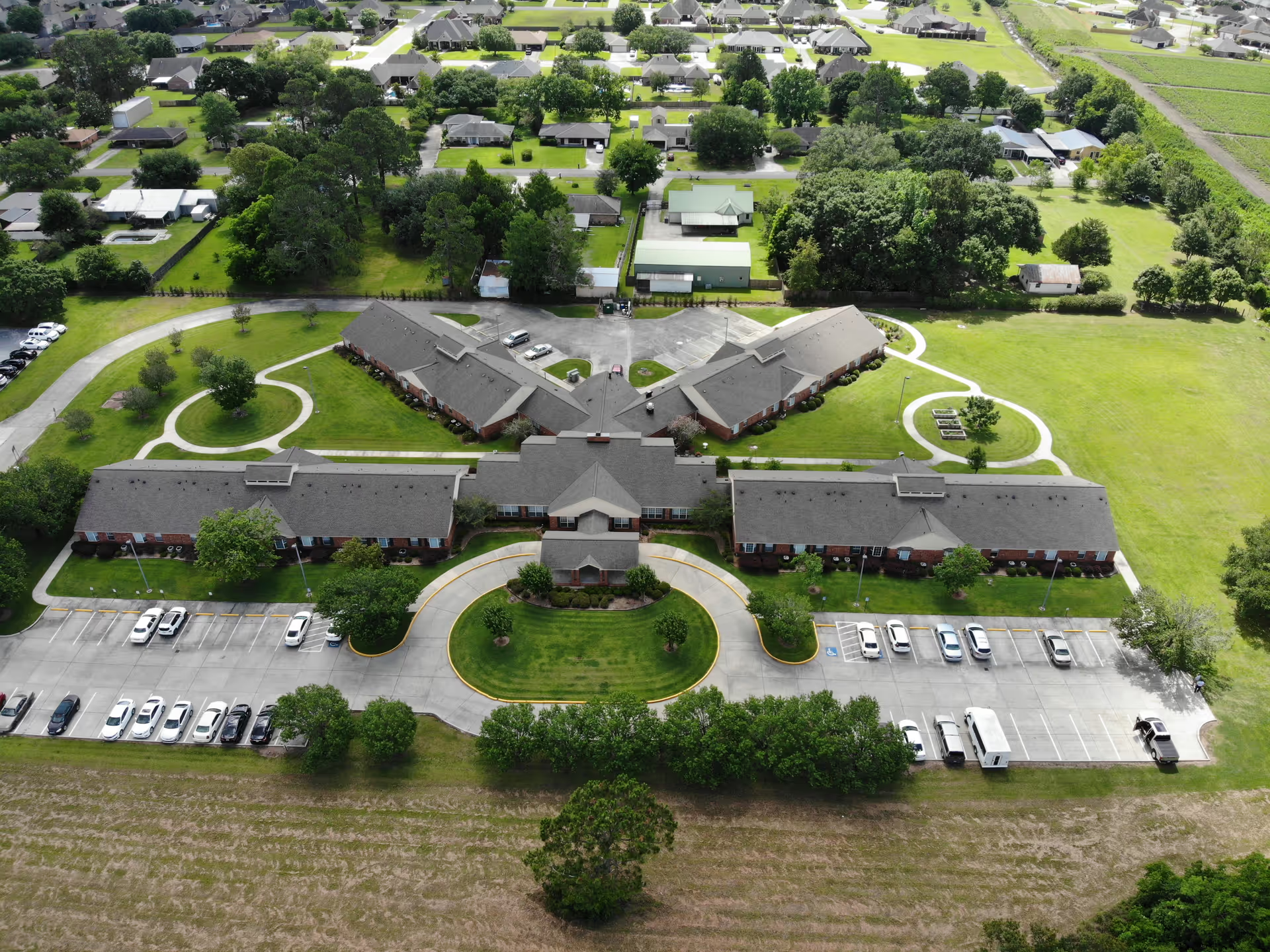
Brookdale Lafayette presents a generally positive care environment with a strong emphasis on cleanliness, a homelike aesthetic, and a broad menu of amenities. Families frequently describe compassionate, attentive caregiving staff who learn residents’ names and preferences; many reviewers note improvements in residents’ health, regular health checks, and occasional on-site physician involvement. The facility offers private rooms and several apartment layouts, seasonal decorations, well-kept grounds, and conveniences such as a salon, library, gym and chapel that contribute to a residential feel.
Dining and activities are prominent strengths for many families. The dining room is often described as restaurant-like, with varied menu options, three meals plus snacks, and special events such as live music, socials and outings to local restaurants and museums. The activity program is active and diverse — exercise classes, bingo, crafts, games, religious services, and frequent outings — and family participation is encouraged. That said, reviewers indicate some inconsistency in meal quality and temperature control, and certain activity offerings are not always accessible to residents with sensory impairments or cognitive limitations.
Memory-care services show a mixed picture. The unit is secure and designed to prevent wandering, and staff are generally described as kind; however, several families raised operational concerns: activity access for memory-care residents is more limited than for assisted-living residents, staffing levels (particularly at night) can be insufficient, and some families perceive a gap in dementia-specific expertise and de-escalation skills. These patterns suggest that residents with higher-acuity behavioral needs may experience variable responsiveness depending on the shift and staff training.
Operationally, Brookdale Lafayette is described as responsive on many occasions — management resolves typical issues quickly and staff often go above and beyond during transitions — but there are recurring critiques around customer-service tone (front desk interactions), variability across units, and communication quality in the wake of significant incidents. Pricing is another consistent theme: the community is viewed as relatively costly, and some families report additional behavioral or ancillary fees that they would have preferred to see more transparently disclosed.
The physical plant is largely well maintained, with ongoing renovations that improve some apartment finishes; reviewers also describe dated areas and uneven room sizes in parts of the building. Construction and remodeling activity is noted in places, which can produce temporary inconsistencies in room availability and condition. Finally, Brookdale Lafayette does not provide a full skilled-nursing unit on site, which may limit suitability for residents who require higher-acuity long-term nursing services.
Overall, the facility’s principal strengths are its compassionate staff, active dining and social programs, and clean, secure environment. Prospective residents and families should weigh those strengths against operational considerations: verify staffing patterns for the unit and shifts relevant to their loved one, confirm activity access for memory-care residents, review fee schedules for behavioral or ancillary services, and tour a range of room types to assess size and finishes. These steps will help align expectations with the areas of variability noted across reviews.