The reviews for Heritage Manor of Mandeville present a mixed picture: many families describe warm, compassionate caregivers, effective therapy programs, and an active community environment, while others raise significant operational and clinical concerns. Positive accounts emphasize kindness from nurses and nursing assistants, strong physical and occupational therapy that helped residents make measurable progress, a helpful admissions and social-services team, accommodating special-diet options, and numerous activities and events that support resident engagement. The facility’s grounds, private-room options, and several examples of consistent staff assignments were also highlighted as strengths.
At the same time, there is a clear pattern of variability in day-to-day care. Multiple narratives describe slow or inconsistent responses to call lights and care requests, with staffing levels perceived as thinner during night shifts. These operational gaps are reflected in concerns about missed or irregular personal-care tasks (for example, bathing and toileting assistance), inconsistent medication or treatment administration, and lapses in therapy scheduling or follow-through. Some families reported more serious clinical outcomes following these breakdowns; there are also allegations related to communication and decision-making around end-of-life care that prospective families should review directly with facility leadership.
Staff and communication impressions are polarized. Many reviewers praised individual staff members — including nurses, CNAs, therapists, and specific administrators — for professionalism, clear updates, and compassionate handling of resident needs. Conversely, other accounts cite rude or unhelpful interactions, lost personal belongings, and inadequate notification when clinical changes or transfers occur. These contrasting experiences suggest that the quality of family communication and case coordination can depend heavily on which staff are involved and on shift timing.
Dining and activity programming are generally viewed positively, with regular events, holiday programming, and accommodations for texture-modified diets. Meal quality and service consistency, however, were uneven in the reviews: while some residents enjoyed the food and gained weight, others experienced cold meals, delayed tray service, or low evening beverage availability. Housekeeping and sanitation were often satisfactory, but there are recurring cleanliness and odor concerns in certain areas that appear linked to maintenance and staffing inconsistencies.
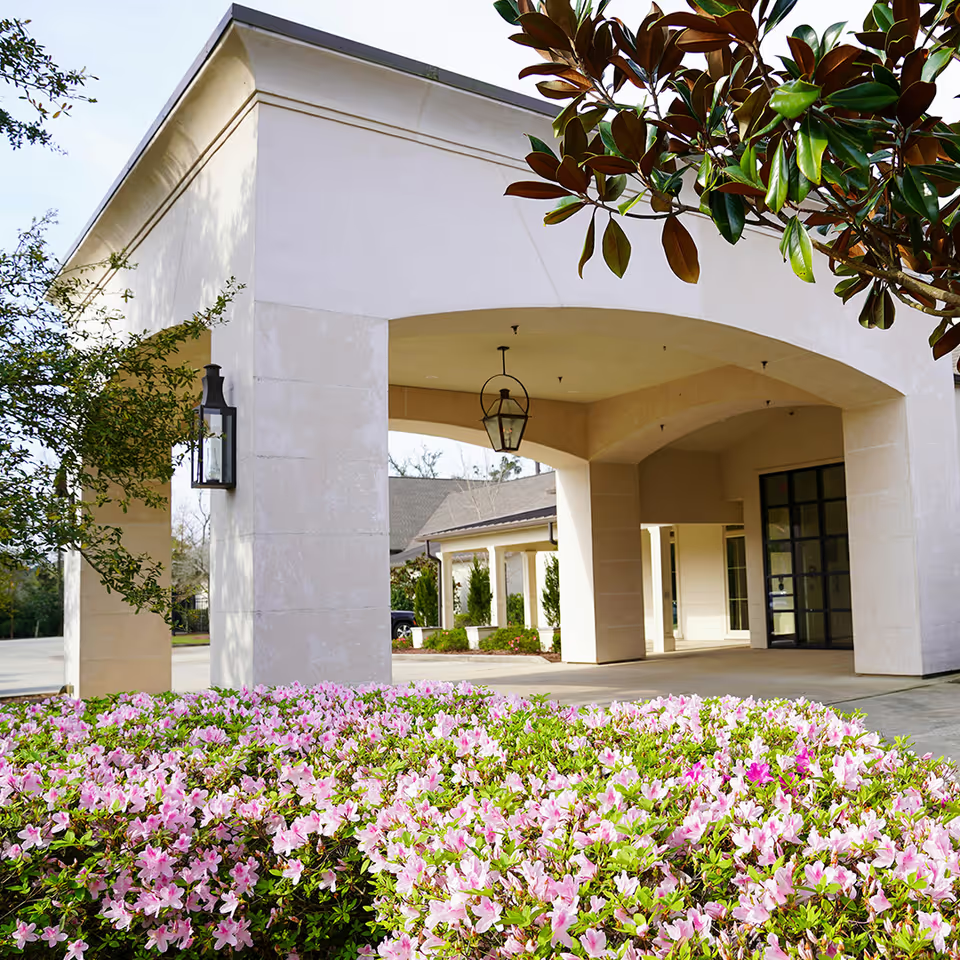
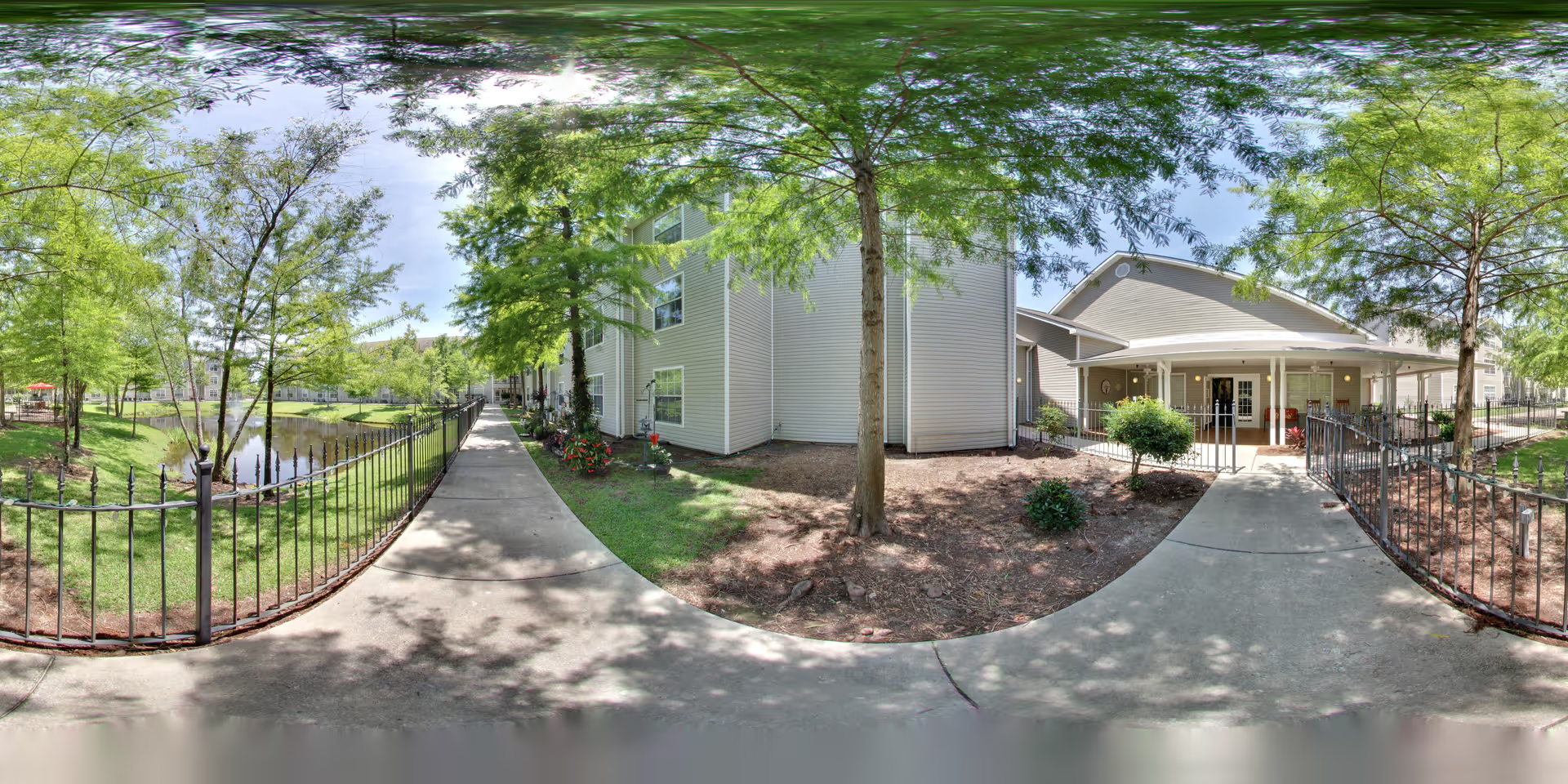
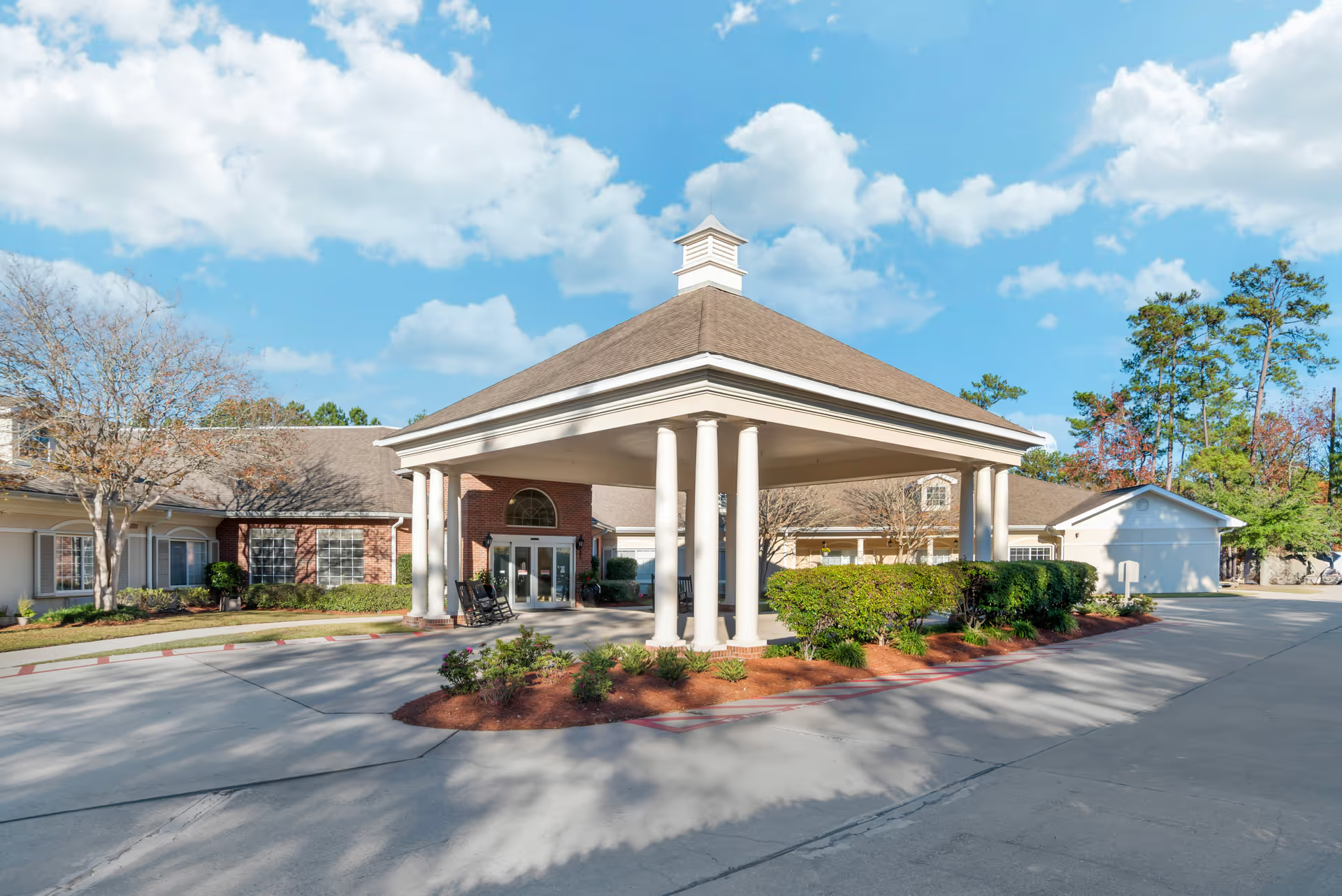
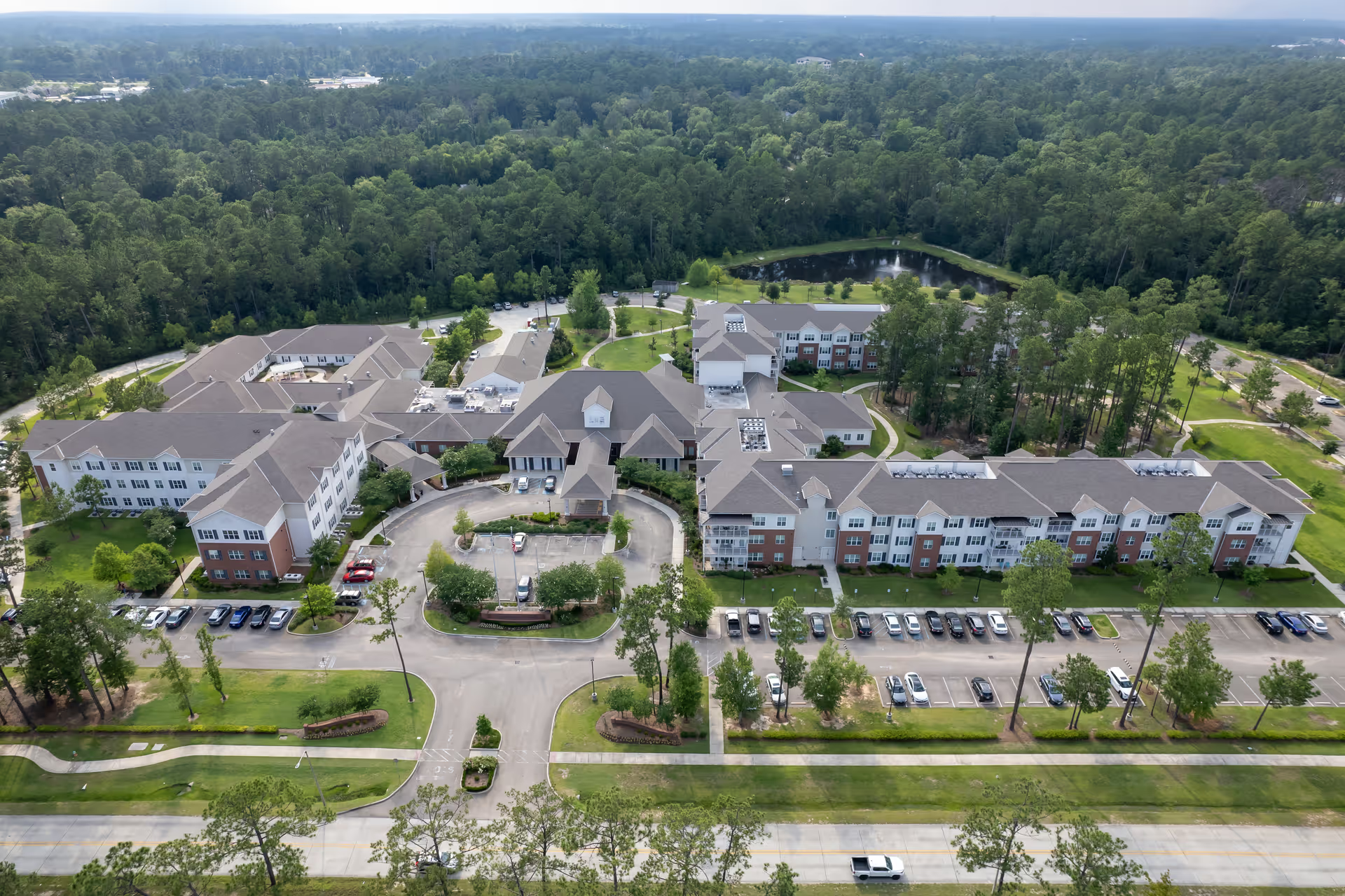
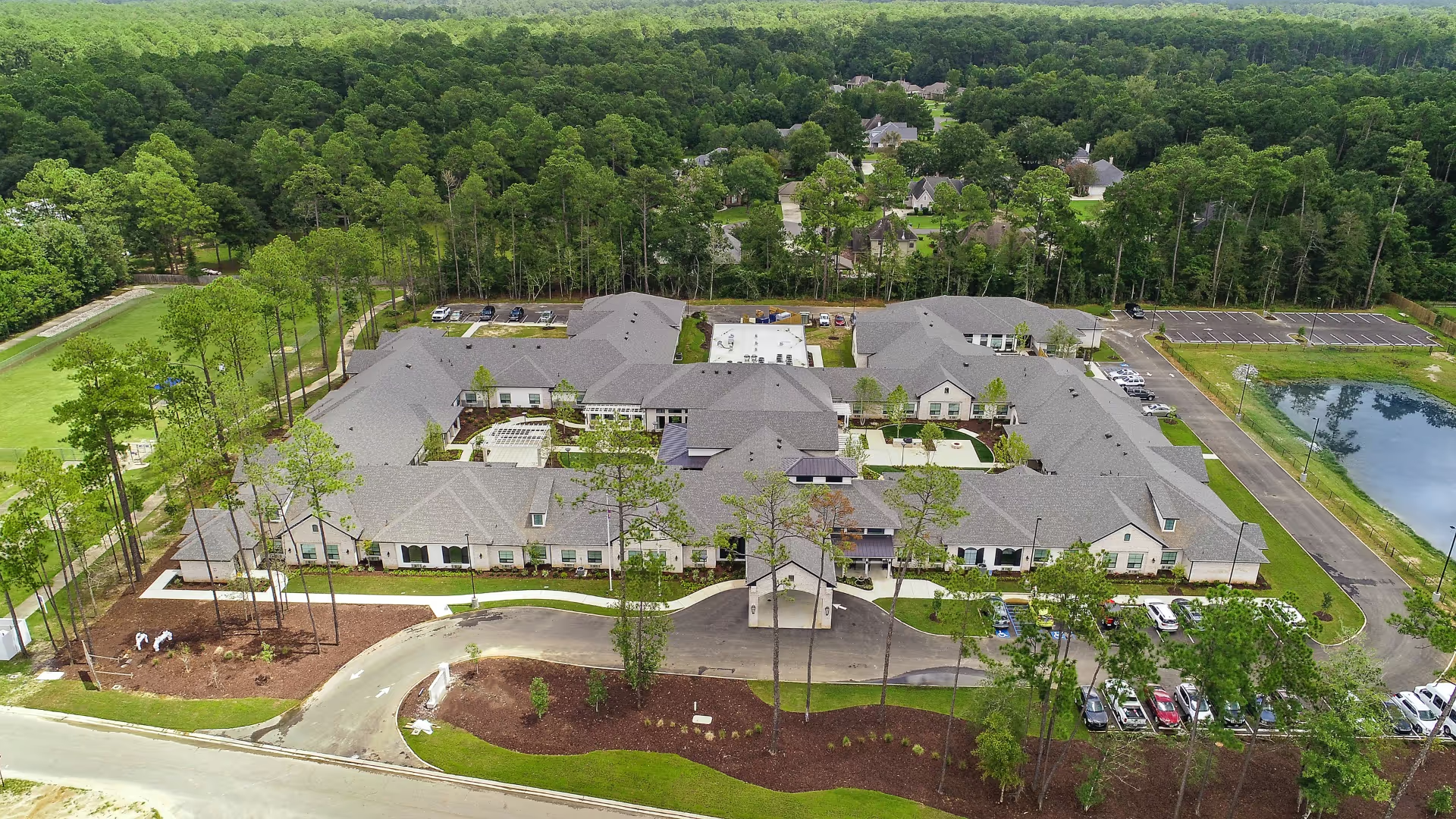
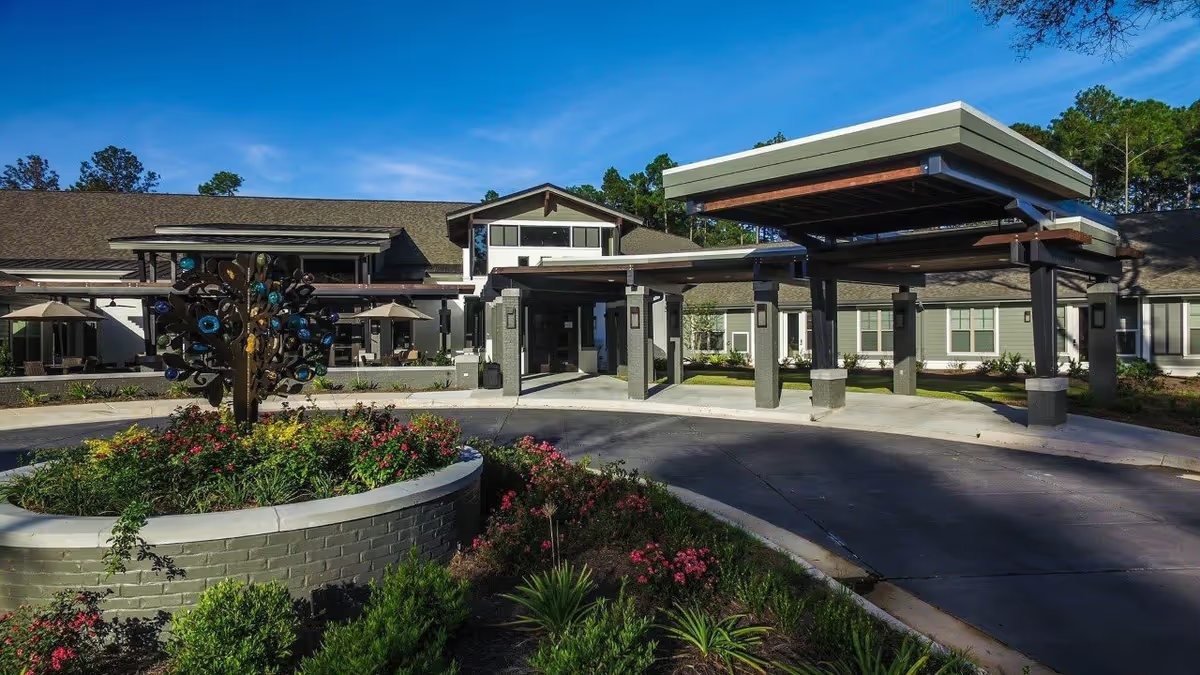
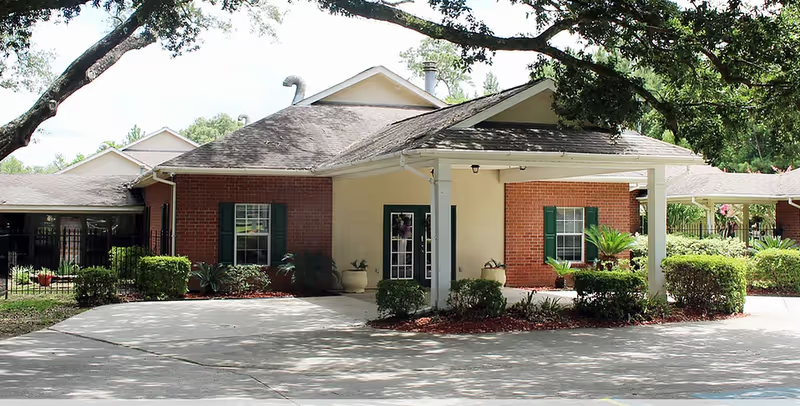
Facilities and logistics show strengths and weaknesses. The campus, courtyard, and walking areas are frequently described as pleasant and home-like, and many rooms are roomy with good closets and bathrooms. At the same time, reviewers noted dated decor, maintenance issues (worn upholstery, damaged walls, accessibility challenges such as stiff doors for wheelchair users), and a small parking footprint that can be inconvenient for visitors.
Taken together, the pattern in these reviews points to a facility with notable positive resources — engaged therapists, caring staff members, supportive admissions and social services, and active programming — but also operational vulnerabilities that affect resident experience: inconsistent staffing coverage, variability in personal-care and medication practices, communication gaps with families, and episodic cleanliness/maintenance issues. Prospective residents and families would benefit from targeted questions during a tour: staffing ratios by shift, call-light response-time tracking, bathing and toileting schedules, medication-administration procedures, infection-control policies, therapy frequency and continuity, housekeeping metrics, and protocols for belongings management and family notification. Asking for references from current families and speaking directly with the nursing leadership about recent corrective actions may help clarify how consistently the facility delivers on its strengths and addresses its weaknesses.