Reviews describe a facility with a strongly polarized reputation: many families and residents praise the staff, therapy services, activities, and recently upgraded common areas, while other accounts raise operational concerns that affect trust and consistency.
Care quality and clinical responsiveness: Several reviewers commended nursing and therapy teams for compassionate bedside care and an effective rehabilitation program that helped residents regain function and mood. At the same time, there are consistent themes of uneven clinical responsiveness — delayed physician follow-ups, slow responses to acute symptoms, and concerns about medication management and oversight. One serious allegation about inappropriate medication administration was raised; such concerns suggest families should verify medication administration protocols and incident-reporting practices during admissions discussions.
Staff and culture: The facility is repeatedly described as having a warm, family-like culture with staff who engage residents and encourage therapy. Individual staff and leaders receive frequent praise for being proactive and resident-focused. Counterbalancing this, reviewers cite staffing shortages, turnover, and instances of staff inattentiveness that appear to create variability in day-to-day care. These operational staffing challenges likely contribute to inconsistent experiences between different units, shifts, and residents.
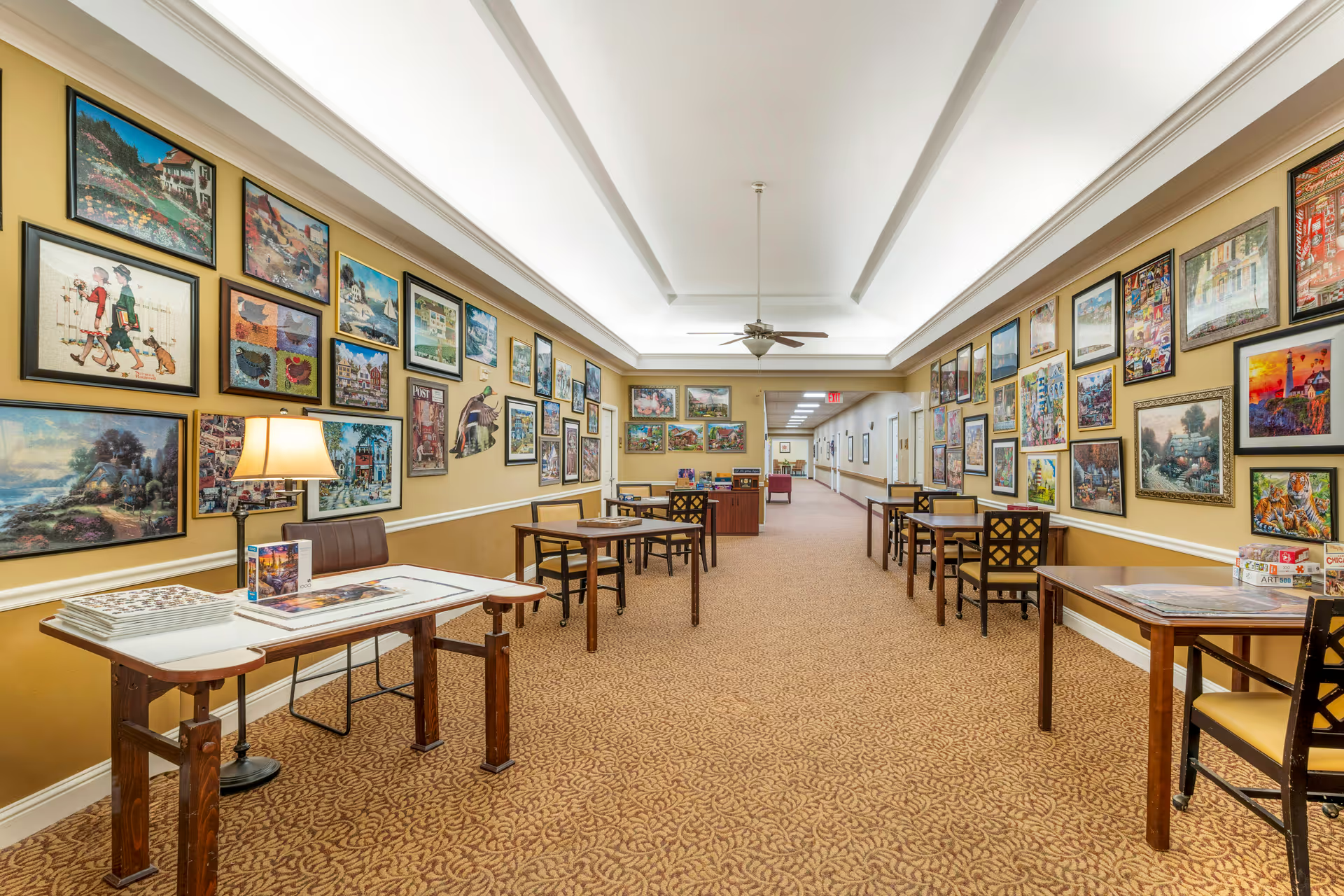
Dining and activities: Activity programming is a clear strength — many reviewers note engaging events, volunteer involvement, and visible resident enjoyment. Dining impressions are mixed: some families report good meals and pleasant dining opportunities, while others cite menu limitations, inconsistent food quality, and concerns about food storage or spoilage. Hydration assistance and timely feeding support were also flagged as areas needing attention for some residents.
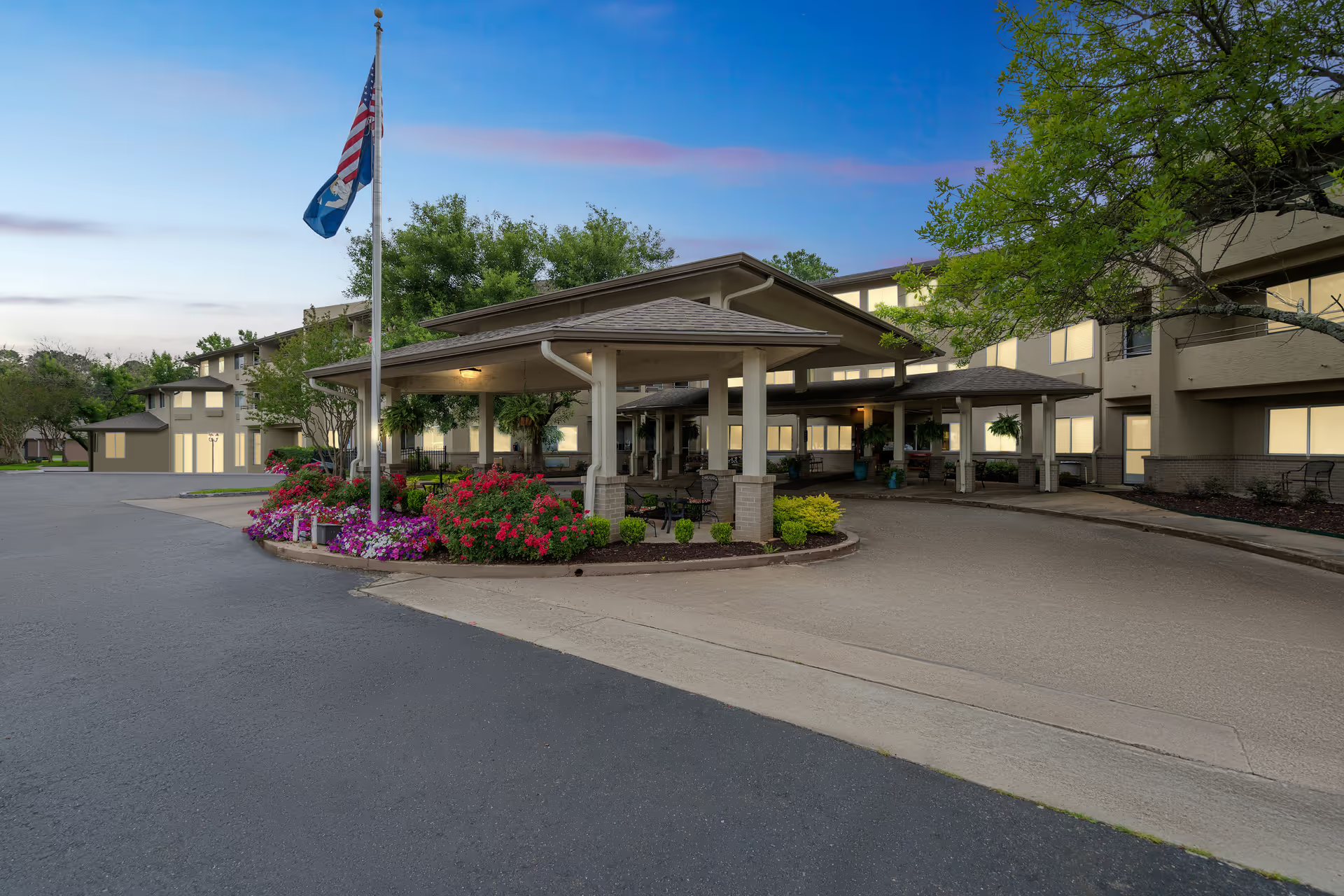
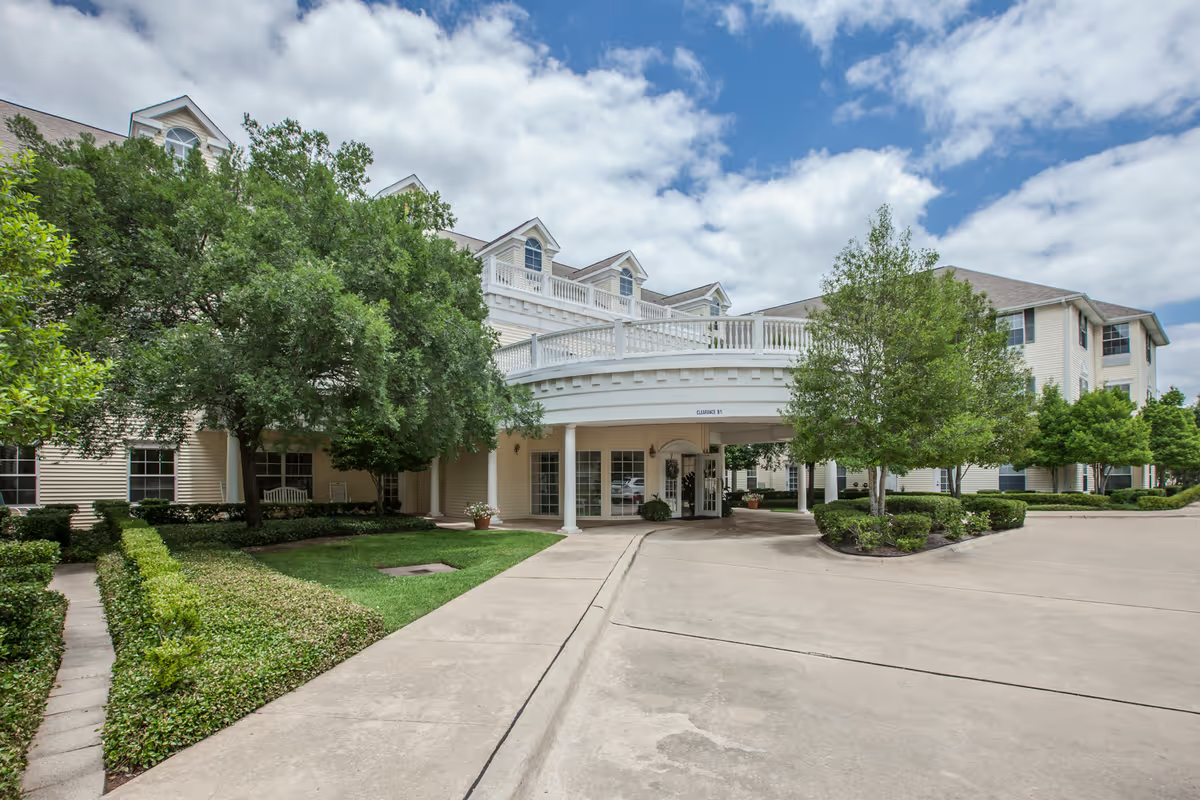
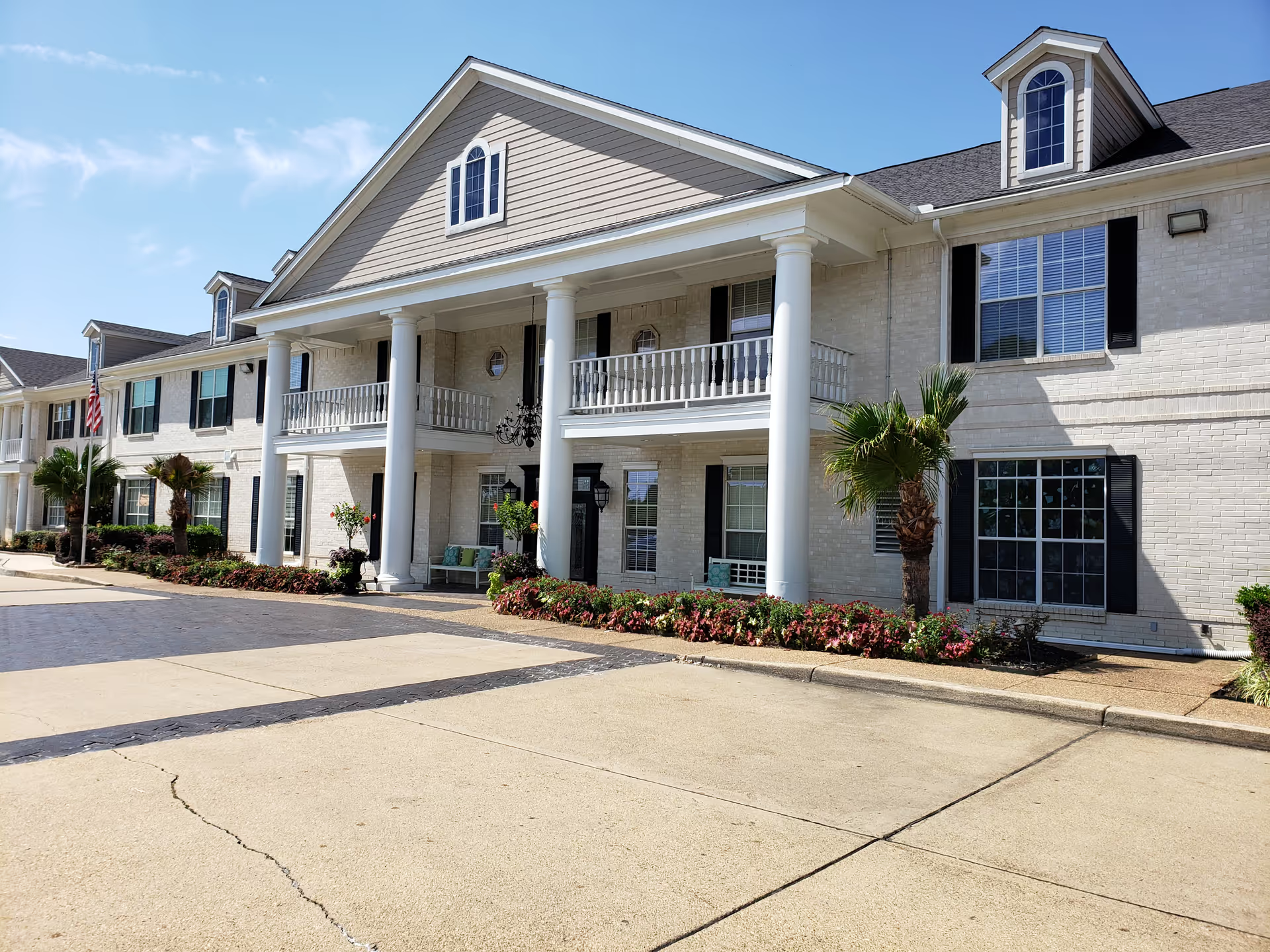
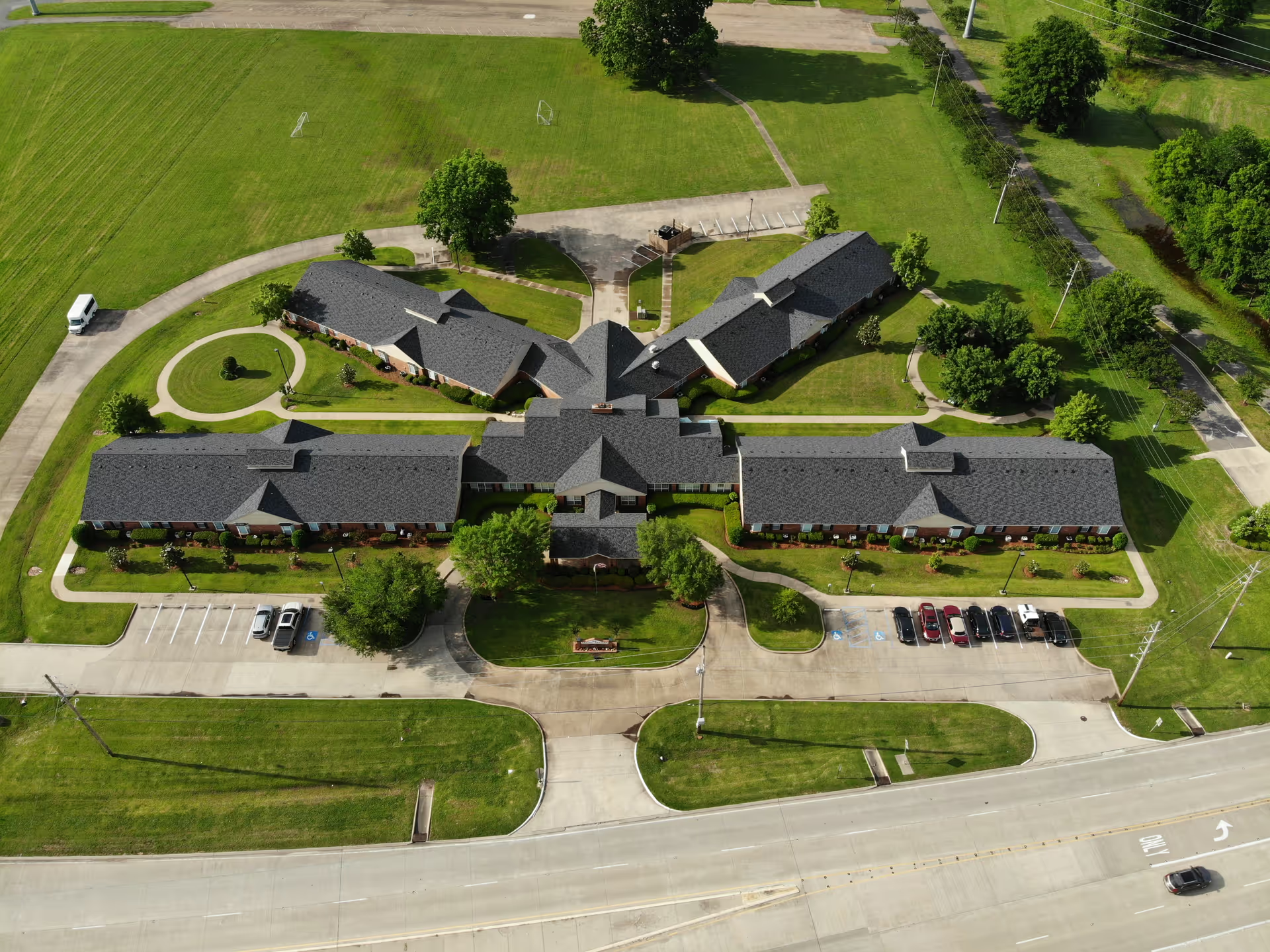
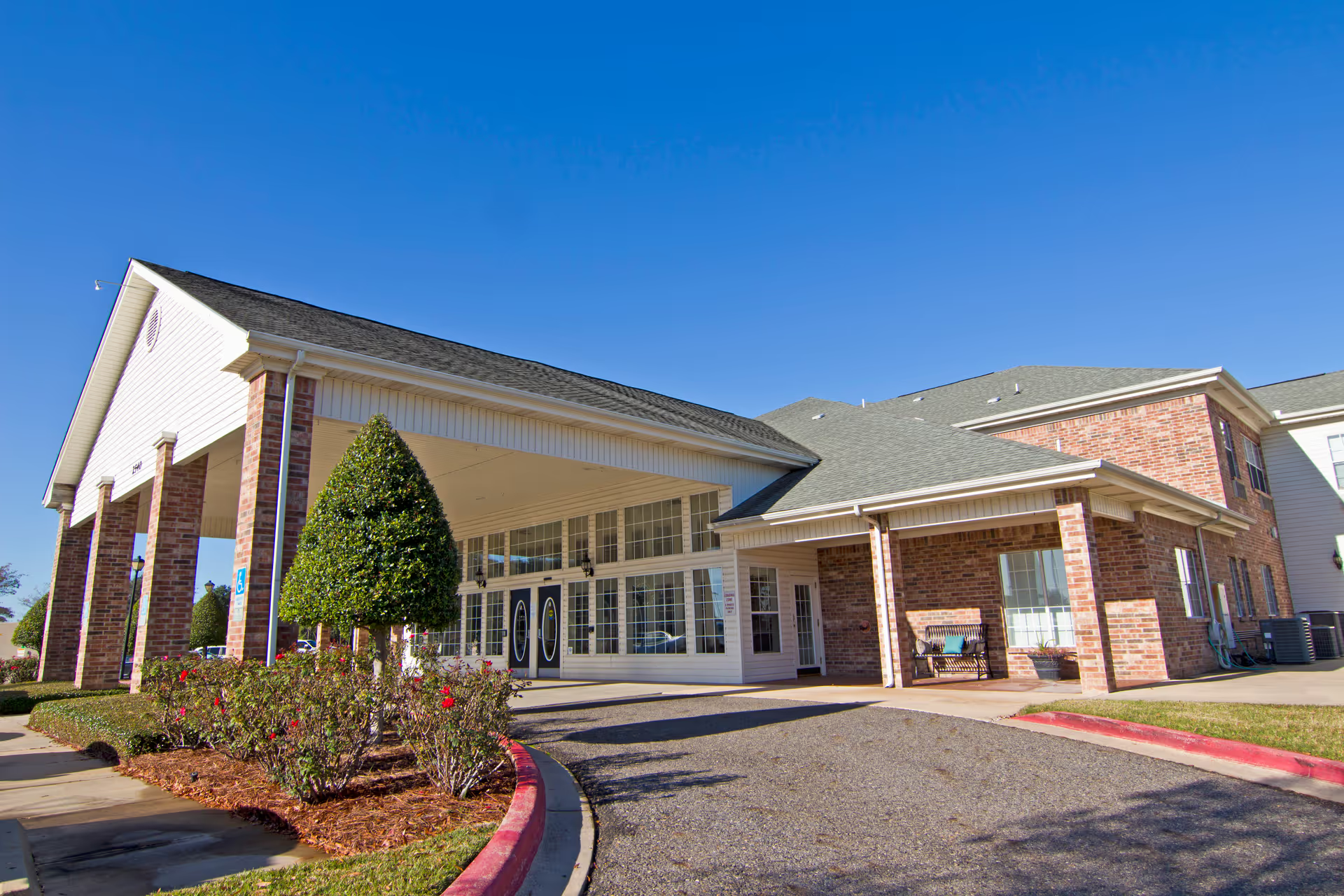
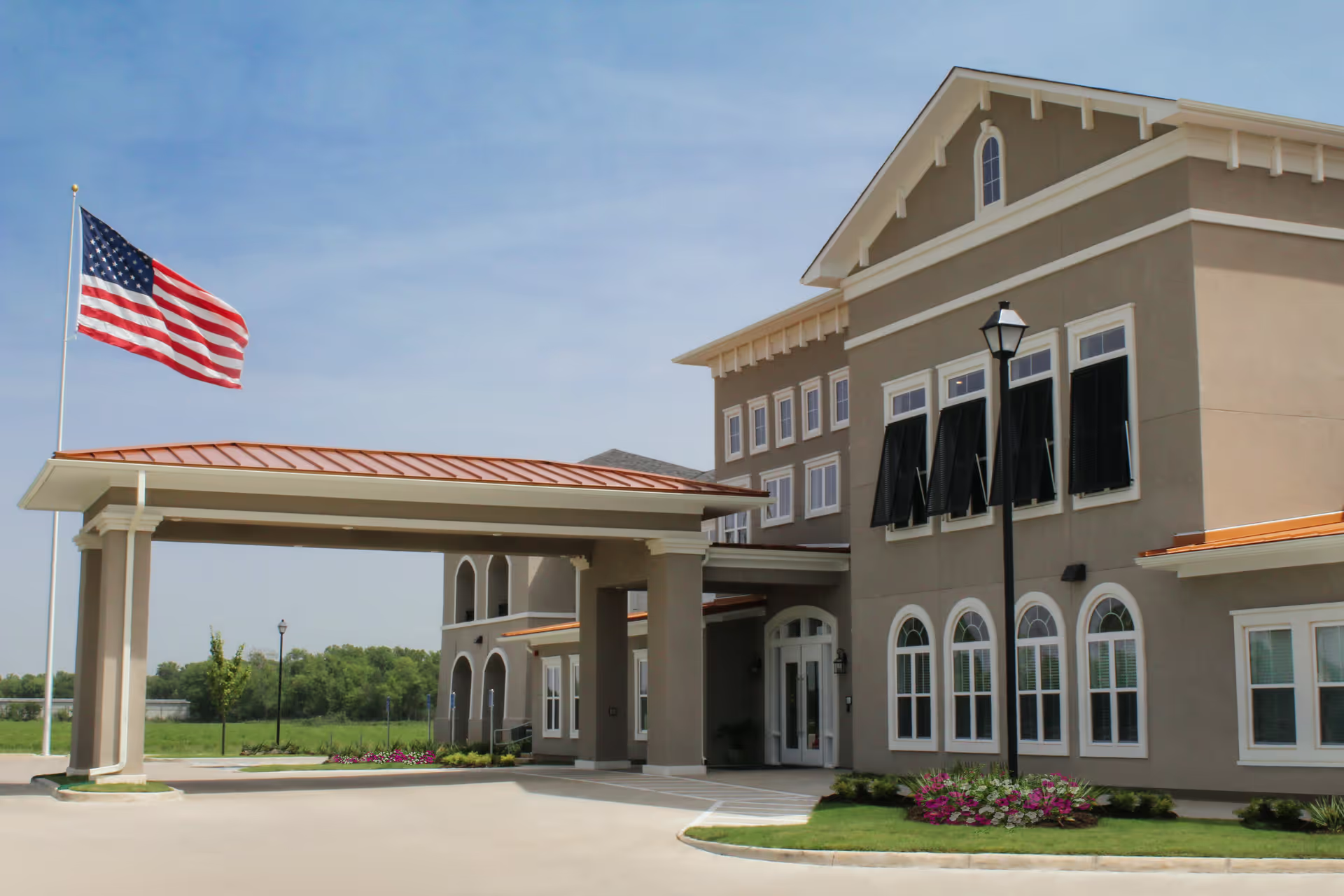
Facilities, housekeeping, and laundry: Multiple reviewers describe recent upgrades, attractive furnishings, and clean, pleasant communal areas and outdoor seating. Conversely, some accounts raise sanitation and pest-control concerns in parts of the building, as well as issues with laundry management and storage of personal clothing. These contrasting observations suggest that certain units or shifts maintain higher environmental standards than others.
Management and communication: Several families speak positively about responsive administration and a proactive Director of Nursing, including clear communication and helpful resources. Others perceive administrative indifference when complaints are raised and note poor phone responsiveness. This mixed picture indicates variability in family communication and complaint resolution processes.
Notable patterns and guidance: The dominant positive themes are strong staff-resident relationships, robust therapy services, and active programming. The dominant negative themes are variability in clinical responsiveness, medication oversight concerns, sanitation and laundry management inconsistencies, and staffing continuity issues. Prospective families should meet with clinical leadership to review staffing ratios, medication administration policies, infection-control and pest-control protocols, dining menus and food-safety procedures, laundry procedures, and visitation policies. Observing the facility during different times of day and asking for recent inspection or incident follow-up documentation can help clarify whether the strengths or the concerns are the best representation of current operations.