The reviews present a mixed picture of Roseview Nursing & Rehabilitation Center, with substantial praise for frontline caregiving and therapy services alongside serious operational concerns. Many comments emphasize compassionate, team-oriented nursing and hands-on aides, and several families noted that administration and nursing leadership can be reassuring and responsive when issues arise. At the same time, a number of reviews describe service gaps and facility-level weaknesses that merit attention.
Care and staff: Positive reports center on attentive nursing, cooperative teamwork, and staff described as kind and tender in their interactions. Therapy services, including speech therapy and access to gym space, are mentioned as strengths that support mobility and engagement. However, other reviewers raise concerns about inconsistent responsiveness, reluctance to assist in some situations, and specific gaps in care for residents with high-dependency needs (for example, bed-bound residents). There are also notes about workplace morale problems that could affect continuity of care.
Dining and activities: The dining experience is a frequent highlight for some—attentive cooks and med aides, good food, and community events such as themed meals or “Fish Fridays.” Therapy-driven activities such as walking programs and gym access are also cited positively. Nevertheless, a subset of comments indicates variability in meal-service quality and service continuity, suggesting dining experience can differ across shifts or units.
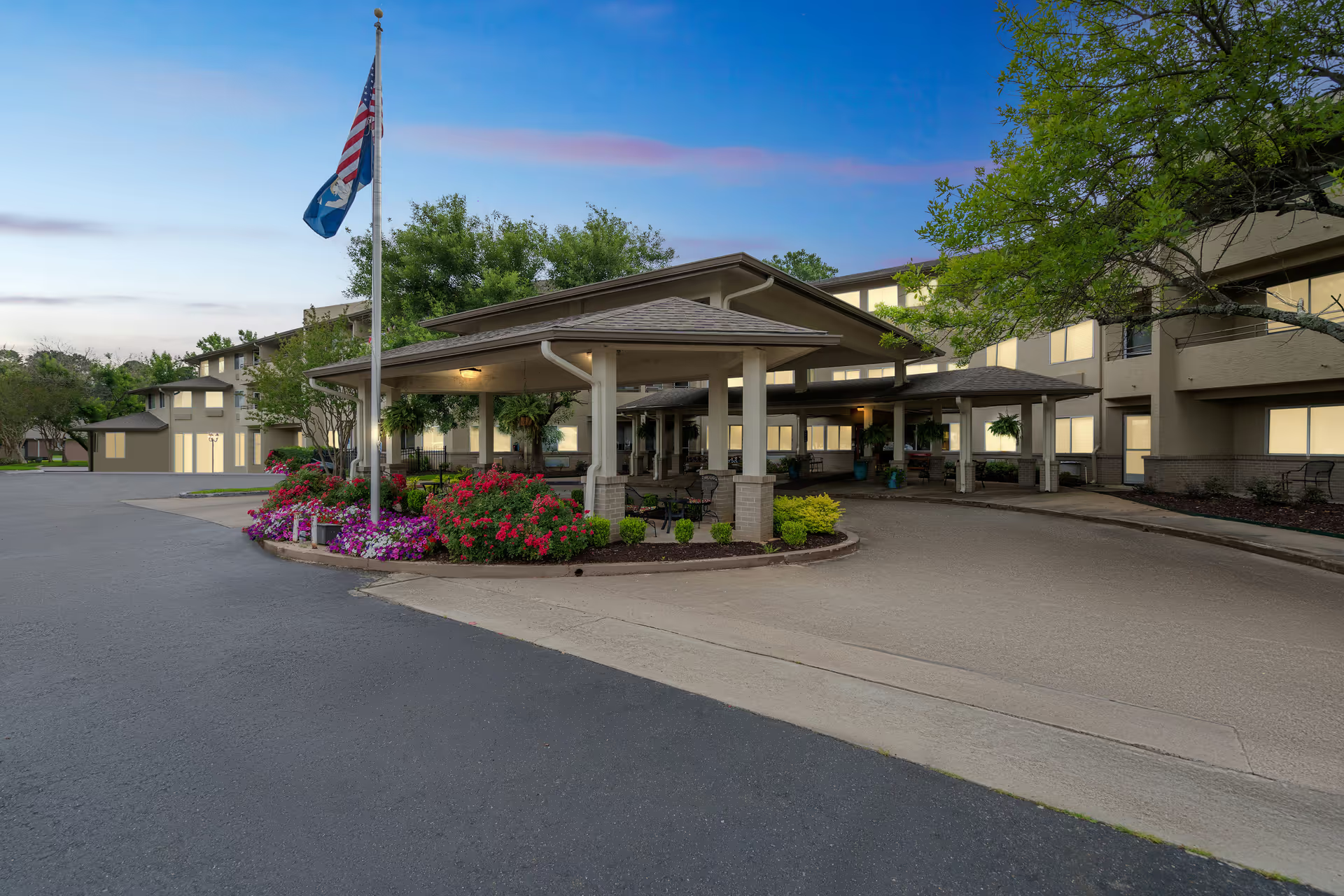
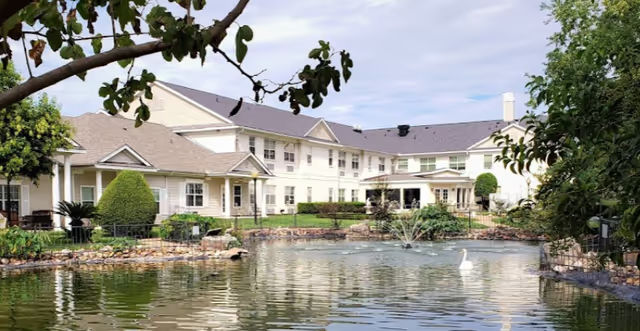
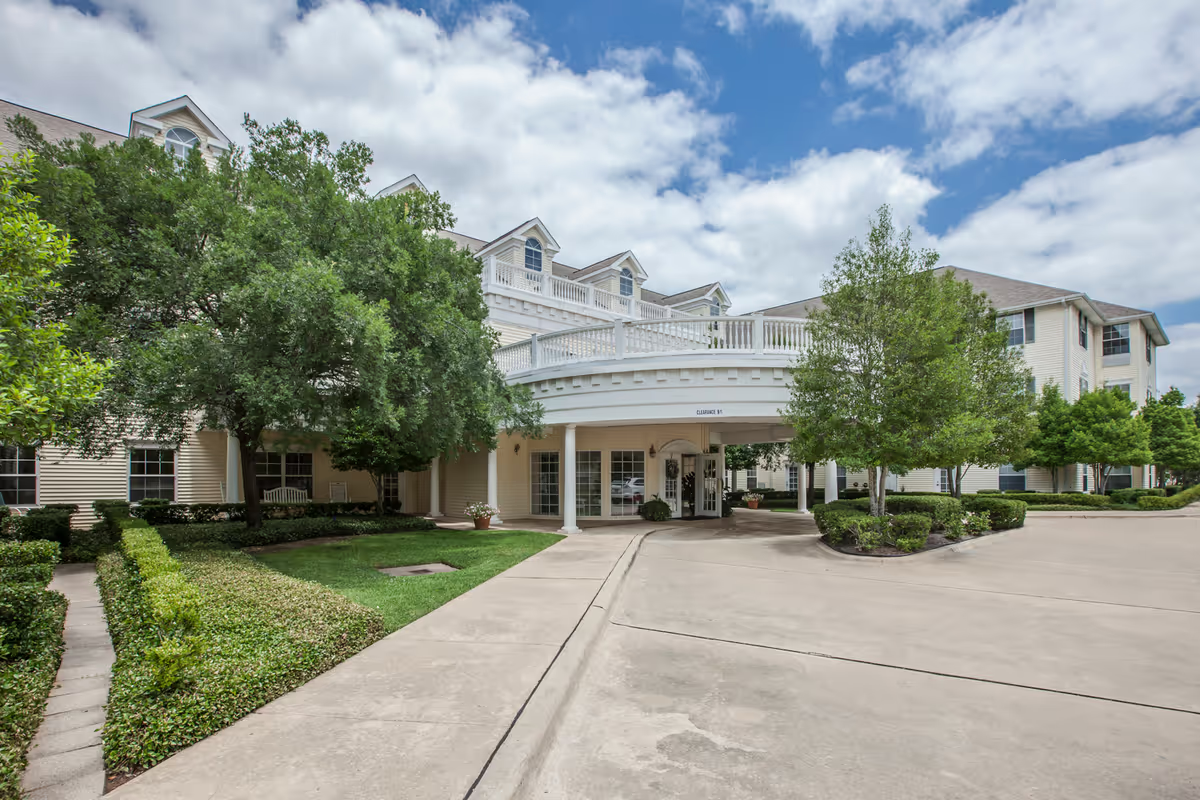
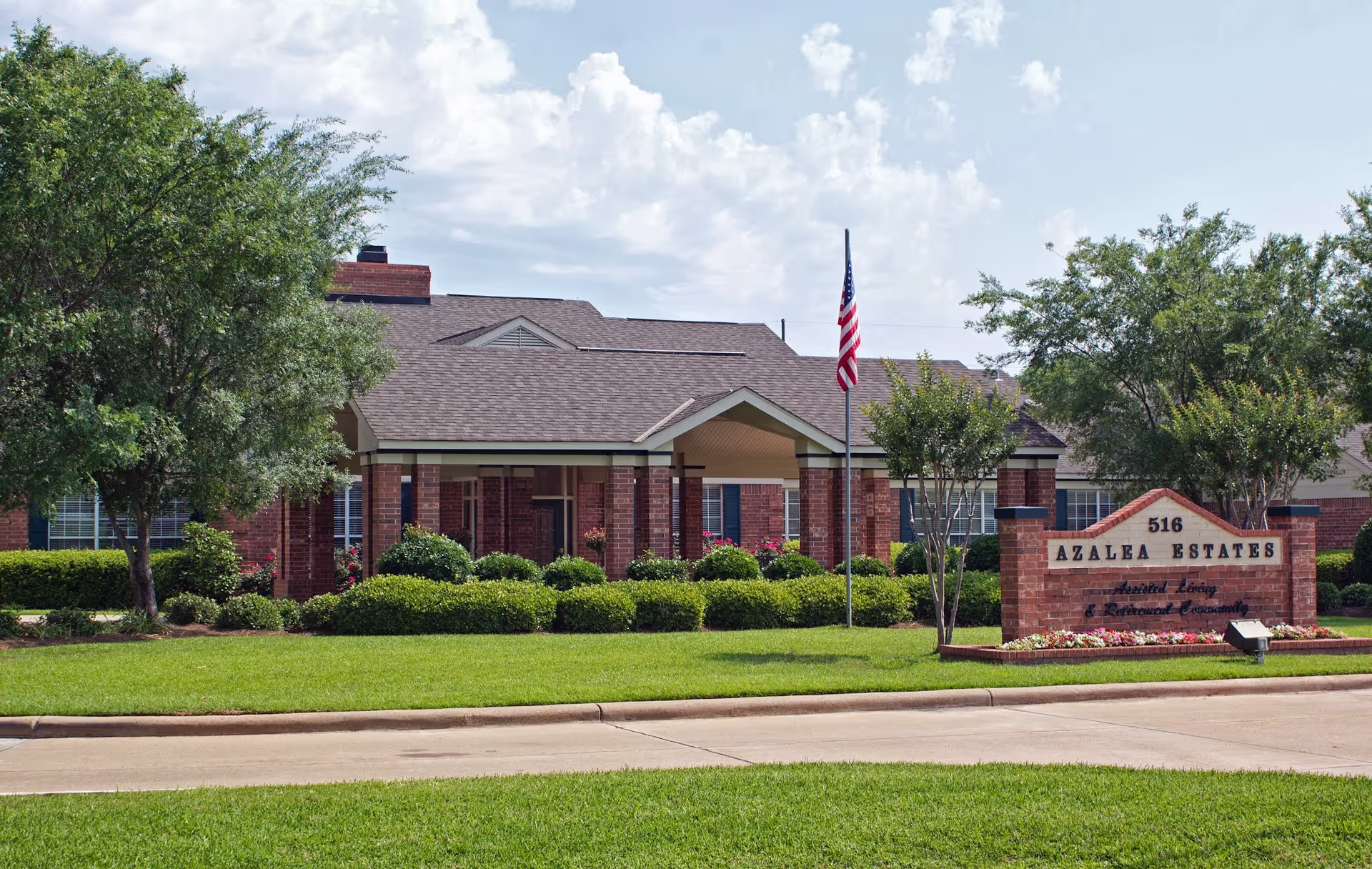
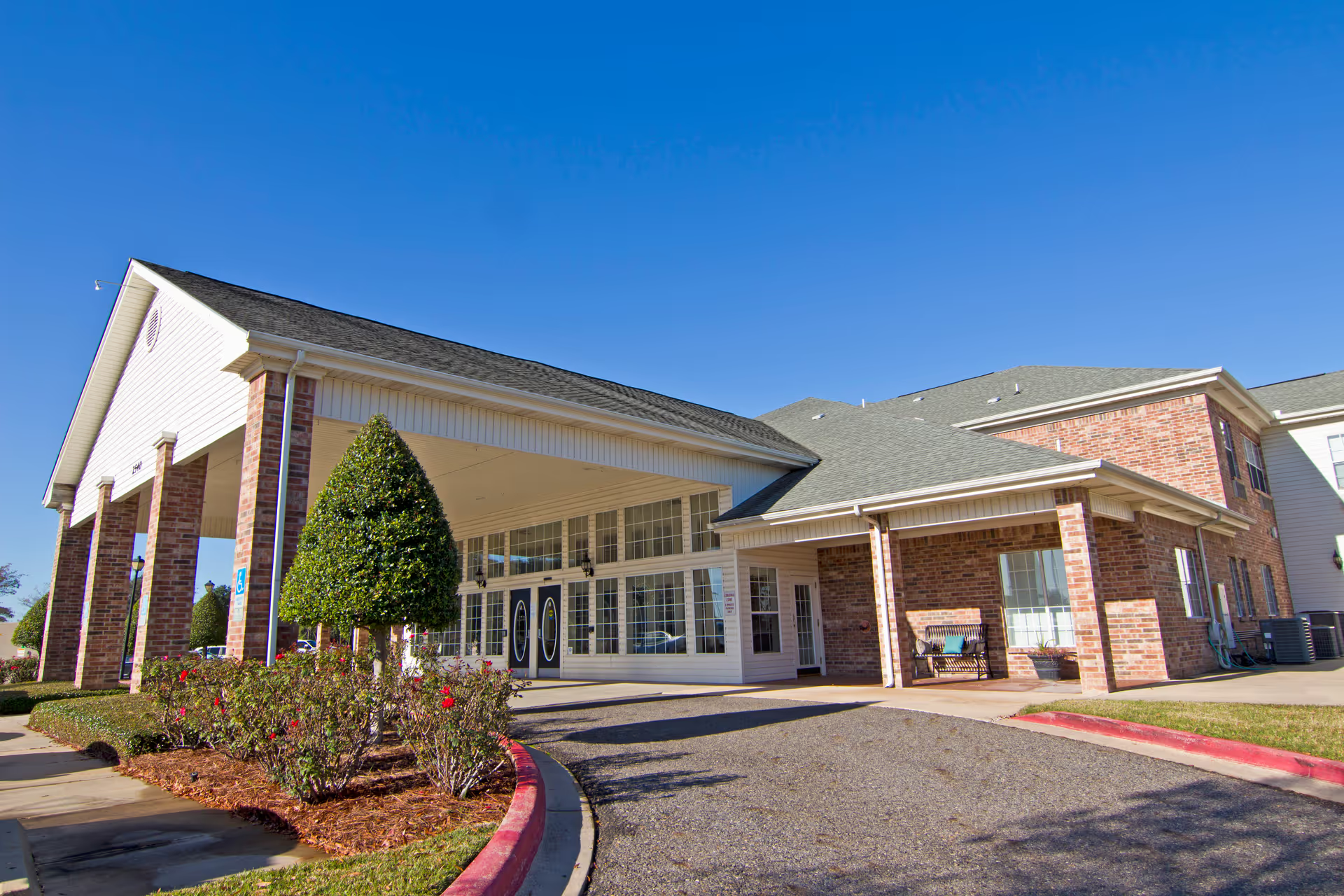
Facilities and cleanliness: Several reviewers describe the facility as clean and well maintained, and environmental services staff receive positive mentions. Conversely, other comments raise odor concerns and note areas where maintenance or condition of the facility appears inconsistent. These mixed descriptions point to variability in sanitation and upkeep across the building rather than a uniformly maintained environment.
Management and safety: Management receives both praise and criticism. Some families report prompt issue resolution and professional leadership, while other reviews describe inconsistent administration and raise serious concerns about financial safety—specifically allegations of theft related to resident funds. Such allegations are significant and should prompt inquiry and verification through facility management and regulatory records. The contrast in impressions suggests uneven leadership performance or variability across departments.
Notable patterns and recommendations: The dominant pattern is one of strong, compassionate frontline staff and useful therapy programs tempered by uneven operational practices—particularly around administration, maintenance, and the care of higher-dependency residents. Prospective residents and families should tour the facility (many reviewers found tours inviting), ask about staffing ratios and supervisor coverage, request information on incident reporting and financial safeguards, review recent inspection and complaint history, and discuss individualized care plans for residents with complex needs. These steps can help clarify whether the facility’s strengths align with a particular resident’s priorities and whether the noted concerns have been addressed.