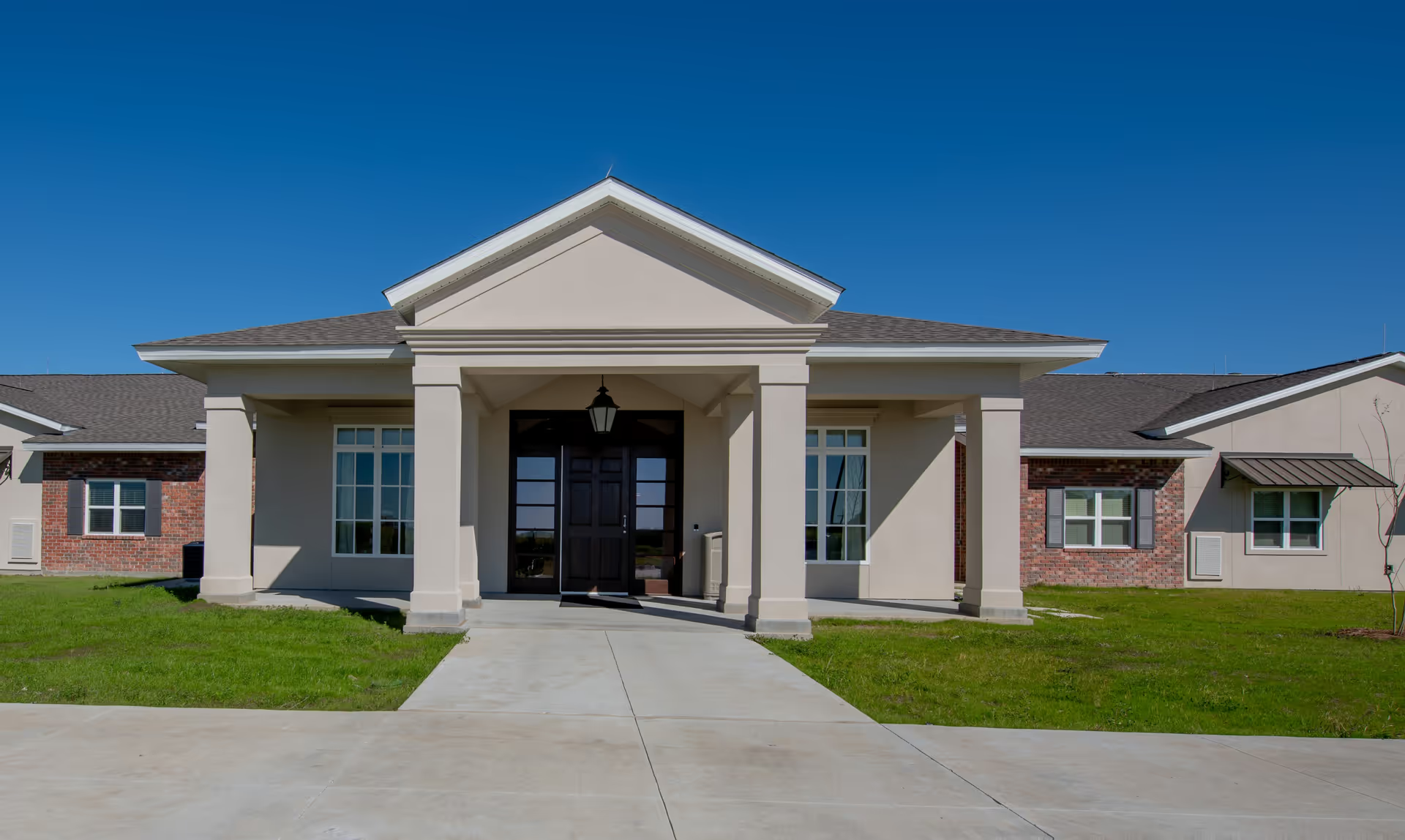
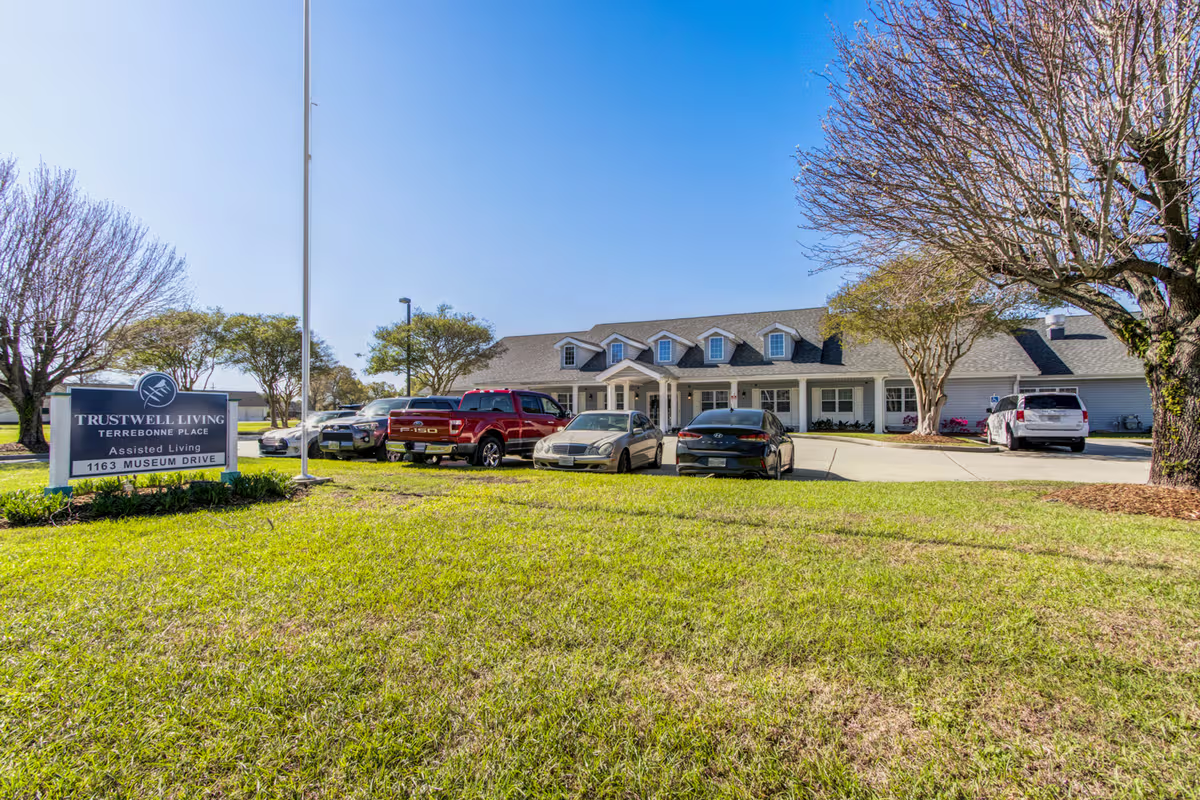
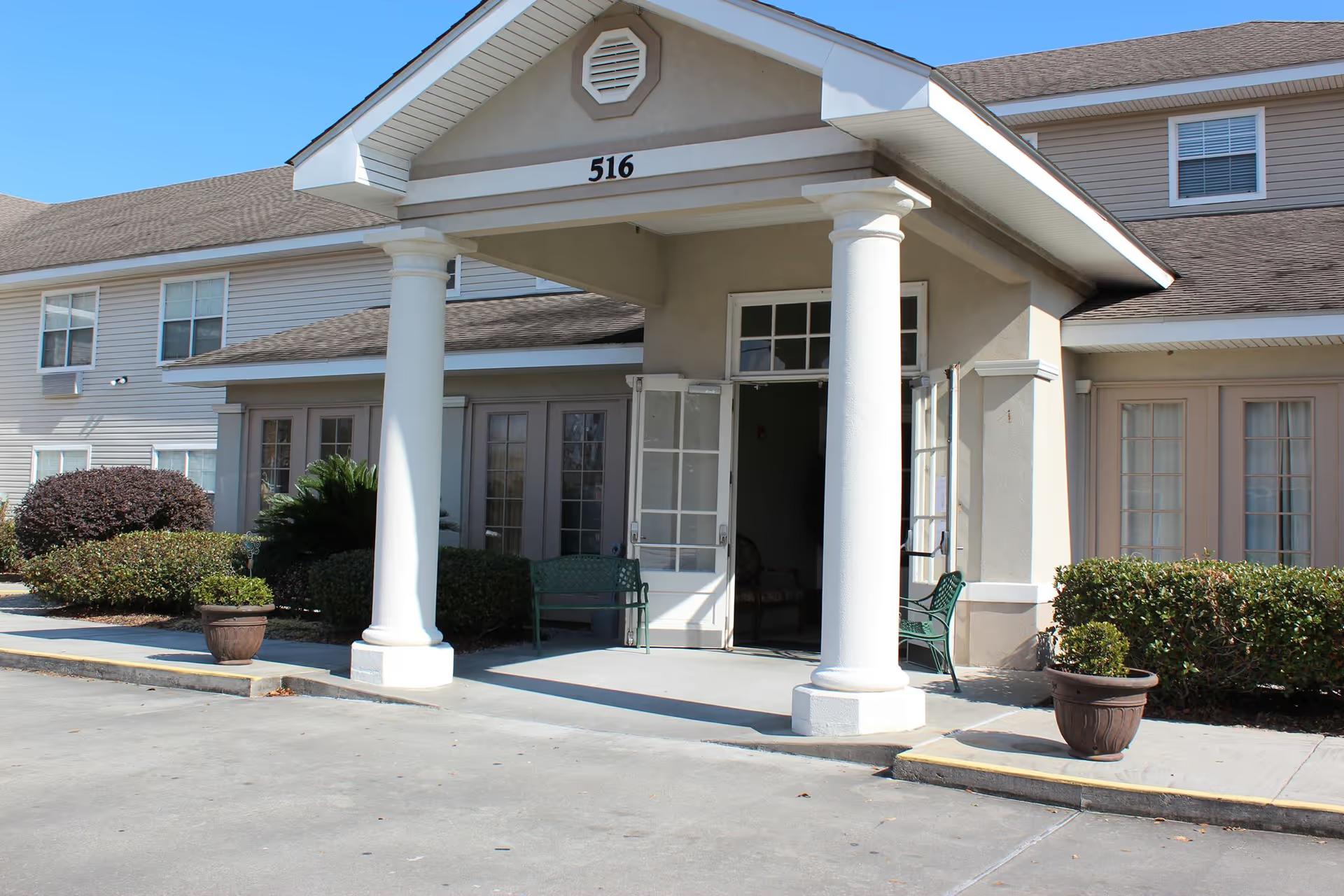
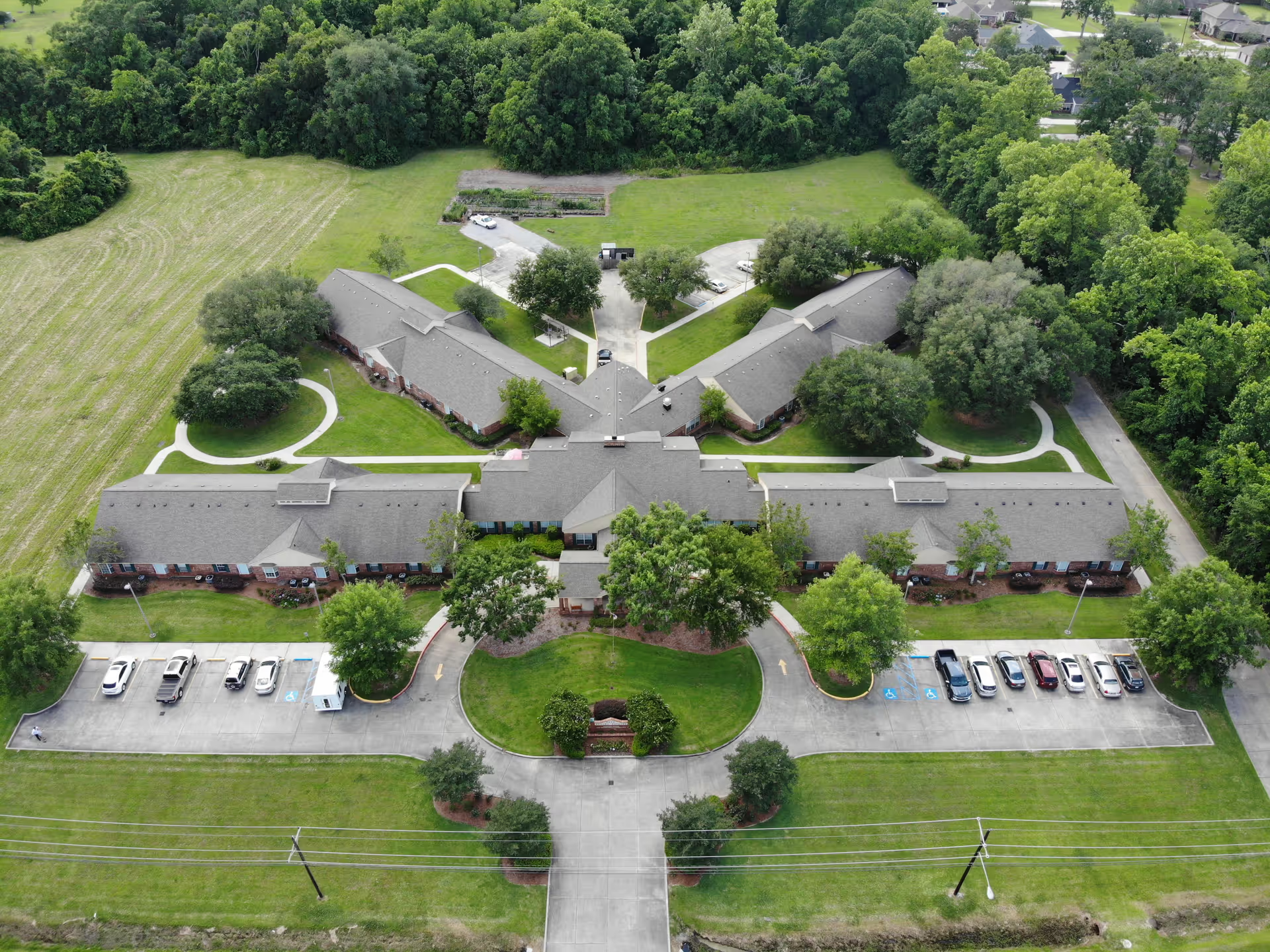
Overall impression: Audubon Health & Rehab receives a substantial number of positive comments describing a clean, well-kept facility with a pleasant scent, friendly and professional staff, and a supportive admissions experience. Many families praised nursing staff and CNAs for compassionate, personalized care; housekeeping and maintenance for timely room upkeep; and the availability of activities, religious programming, and pleasant outdoor seating. Several reviewers highlighted proactive communication practices such as care-plan conference calls and informative admissions conversations that helped families feel reassured about placement.
Care and staff: A strong theme across the positive reviews is attentive, respectful staff behavior and a sense that residents are treated with dignity. Nursing leadership and direct caregivers are frequently described as kind, knowledgeable, and professional, contributing to improved resident appetite, clearer skin, and overall wellbeing in some cases. At the same time, a number of reviews raised operational concerns about consistency of direct care: intermittent lapses in caregiver engagement, delays in attending to residents’ continence needs, and variability in assistance with meals. Some accounts also implied gaps in safe transfer and handling techniques. Collectively these suggest variability in frontline staffing performance and training consistency rather than uniform practice across the facility.
Dining and activities: Dining is generally described positively, with several visitors noting residents were eating and spirits were good; meal assistance is available and many families reported satisfactory food and meal routines. Activities and social programs, including singing, games, and religious/ministry sessions, were commonly mentioned as contributors to resident engagement and mood. These programming strengths appear to be an important part of daily life for many residents.
Facilities and operations: The physical environment is a clear strength: reviewers repeatedly mention clean rooms, organized common areas, and prompt maintenance response for light repairs. Admissions staff are described as helpful and communicative, and families appreciated clear explanations about care. However, patterns in staff turnover and morale were raised, and some reviewers described management-related concerns that point to potential weaknesses in clinical oversight and quality-assurance processes. A few families also reported restrictive or unclear practices around external communication channels, which may complicate family engagement in isolated cases.
Notable patterns and guidance for families: The bulk of feedback is favorable regarding the facility’s cleanliness, atmosphere, and many caregivers’ compassion. Nevertheless, there are recurring operational concerns—principally inconsistent caregiver responsiveness, incontinence-care delays, variability in meal assistance, and gaps in transfer safety—that merit attention. Prospective residents and families may want to inquire about current staffing ratios, staff training on transfers and incontinence care, quality-assurance procedures, turnover rates, and the facility’s preferred methods for family communication before finalizing placement. Doing so can help balance the facility’s evident strengths in environment and programming against the areas where consistency of frontline care appears variable.