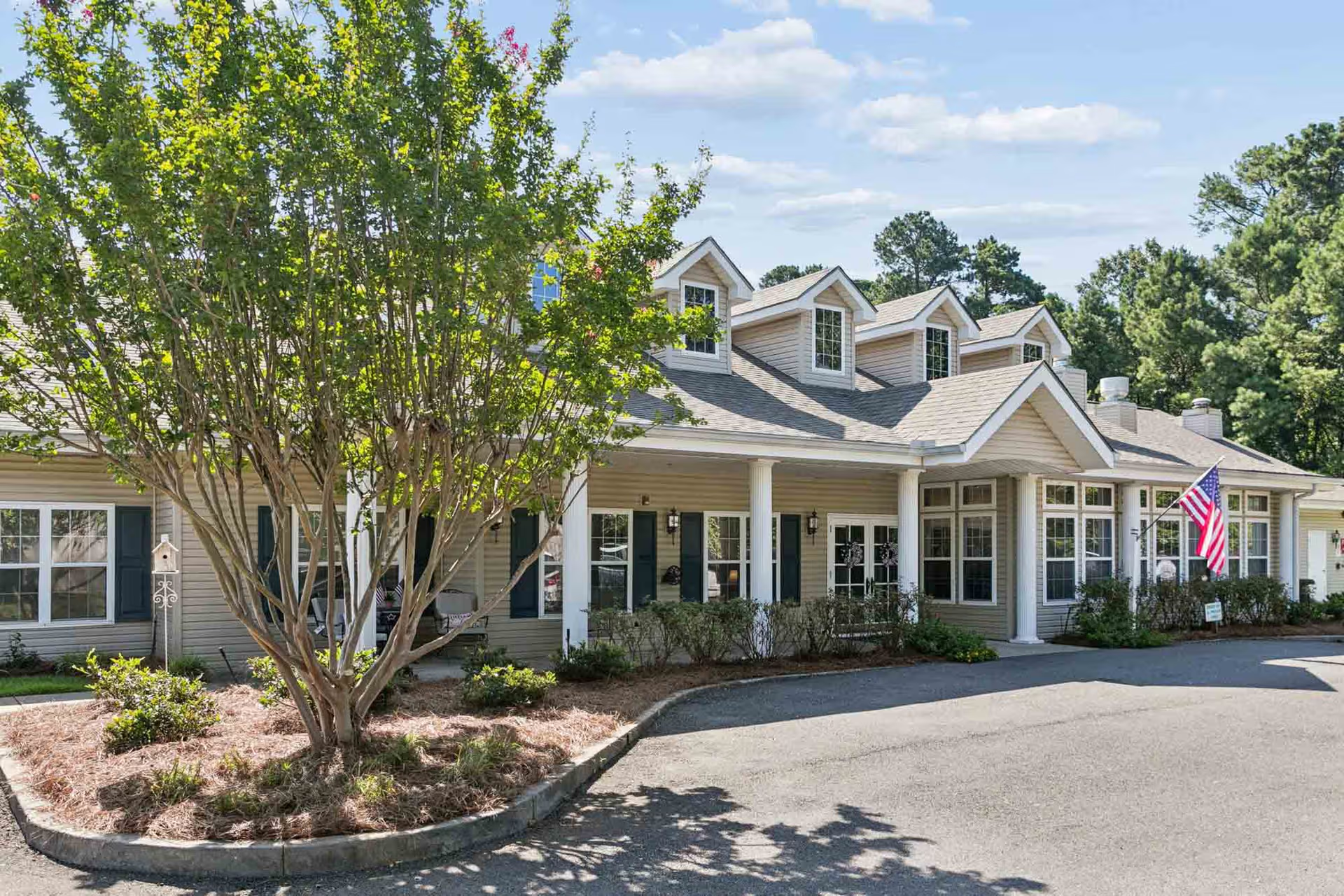
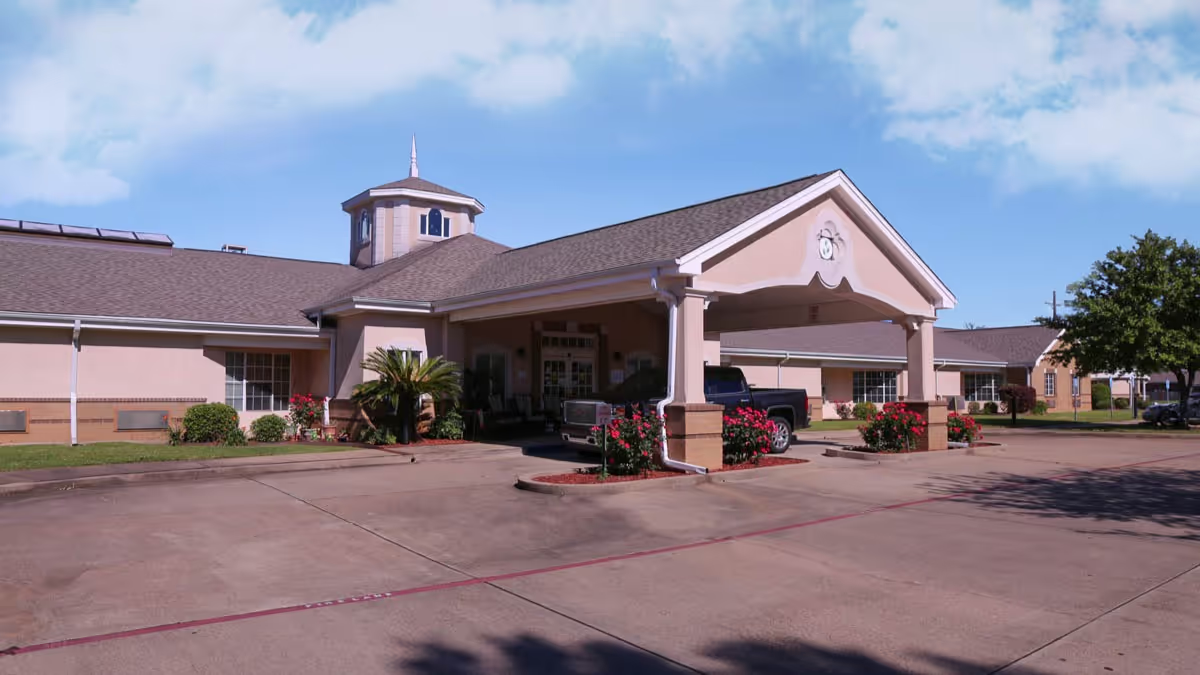
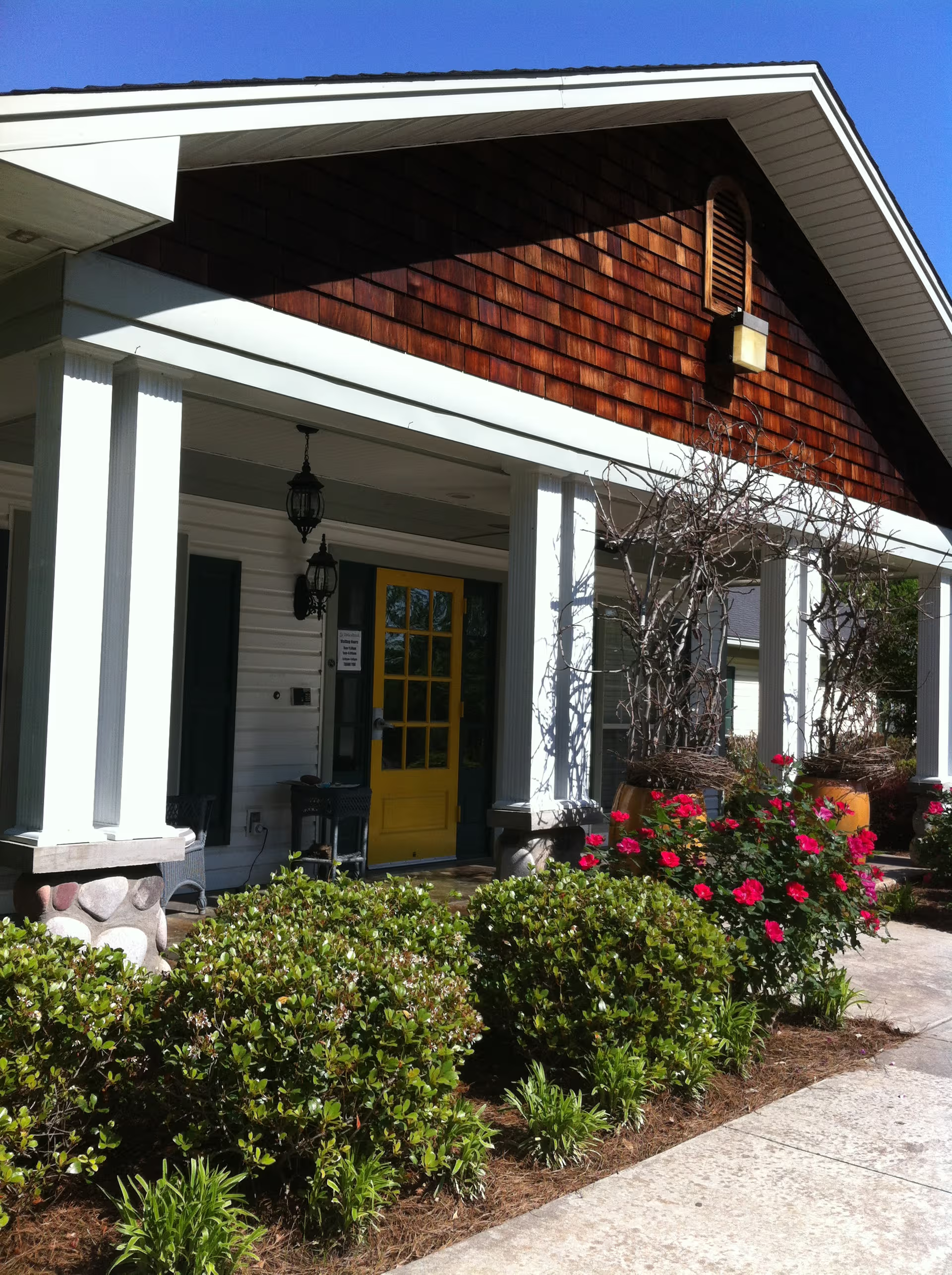
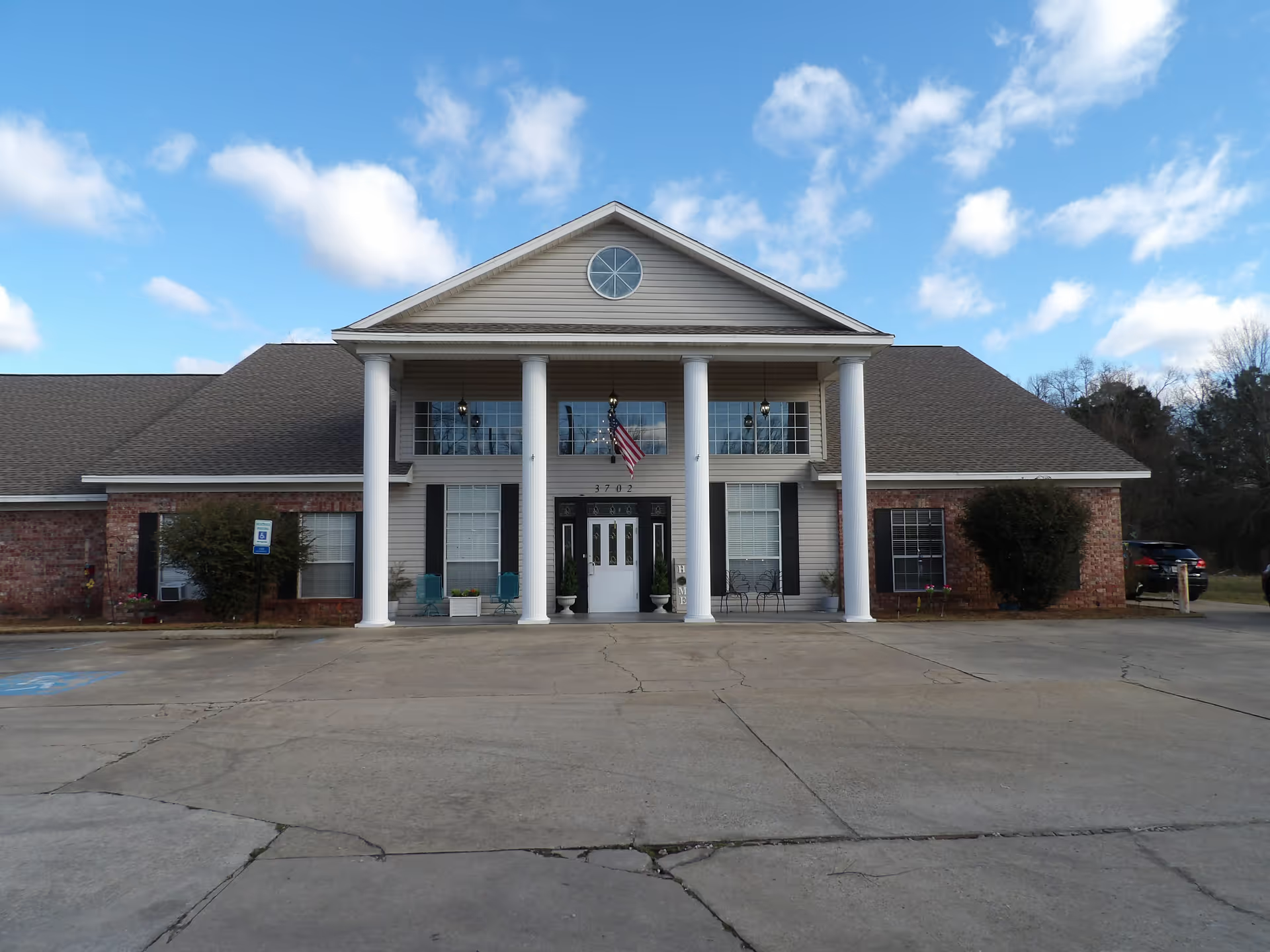
The reviews present a mixed but coherent picture: many families and residents highlight strong interpersonal strengths in care delivery, while a subset describe serious operational shortcomings. Positive comments emphasize attentive, accommodating staff across departments, visible teamwork, and therapy and activities that contribute to resident engagement and well-being. Several reviewers described the facility as comfortable and peaceful, and noted interior improvements and effective maintenance efforts that have enhanced the environment.
Care quality appears variable. Positive experiences describe residents who are well cared for, with staff going above and beyond to meet special needs and an administrator who is accessible during weekends and nights. Therapy services and rehabilitation were frequently praised as effective. Conversely, a number of reviewers described lapses that point to operational weaknesses: inconsistent personal-care responsiveness, missed meal or hydration oversight in isolated cases, and incidents that resulted in external hospital transfers. These suggest unevenness in clinical monitoring and care-continuity practices rather than a uniformly high or low level of clinical performance.
Staff and communication also show contrasts. Many reviews commend compassionate staff, a family-friendly atmosphere, and staff-driven activities that produce positive resident morale. At the same time, other accounts raise concerns about staff professionalism or tone, denial of visitation or phone access, and unclear or inconsistent communication with families. These descriptions indicate strengths in interpersonal care that are not consistently applied across all shifts or units.
Dining, activities, and facilities are generally seen as assets when operations are functioning smoothly: meals are described as good, activities keep residents busy, and recent interior upgrades improve comfort. However, cleanliness issues in some areas and uneven implementation of personal-care routines were also noted and warrant attention from leadership. Management appears to be in transition for some families — newer administration and engaged leadership were cited positively by some reviewers, while others experienced lapses in transparency or follow-through.
Overall, the pattern is one of meaningful strengths in staff compassion, therapy, and resident engagement combined with operational variability in sanitation, personal-care responsiveness, communication, and clinical monitoring. Prospective residents and families would benefit from focused questions during a visit about current staffing levels and turnover, routines for personal care and meal monitoring, visitation and family-communication protocols, and recent corrective measures taken by administration to address sanitation and care-continuity gaps.