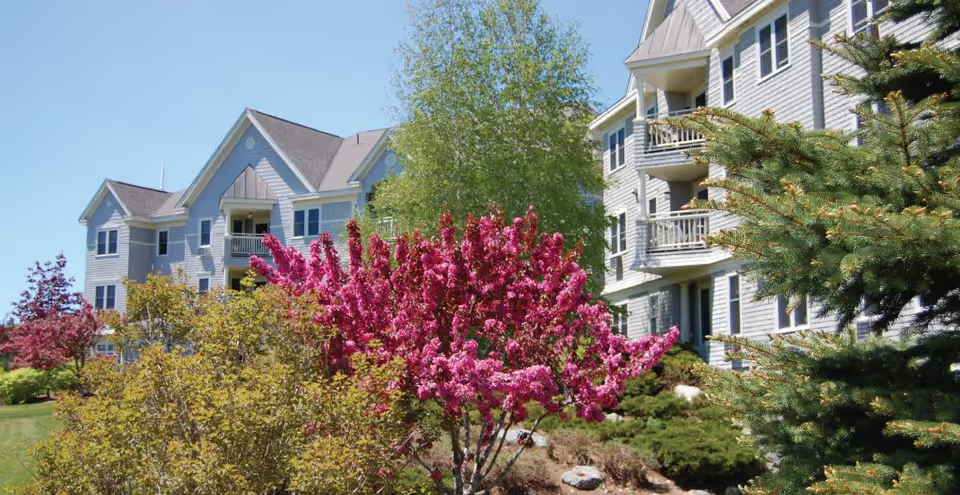
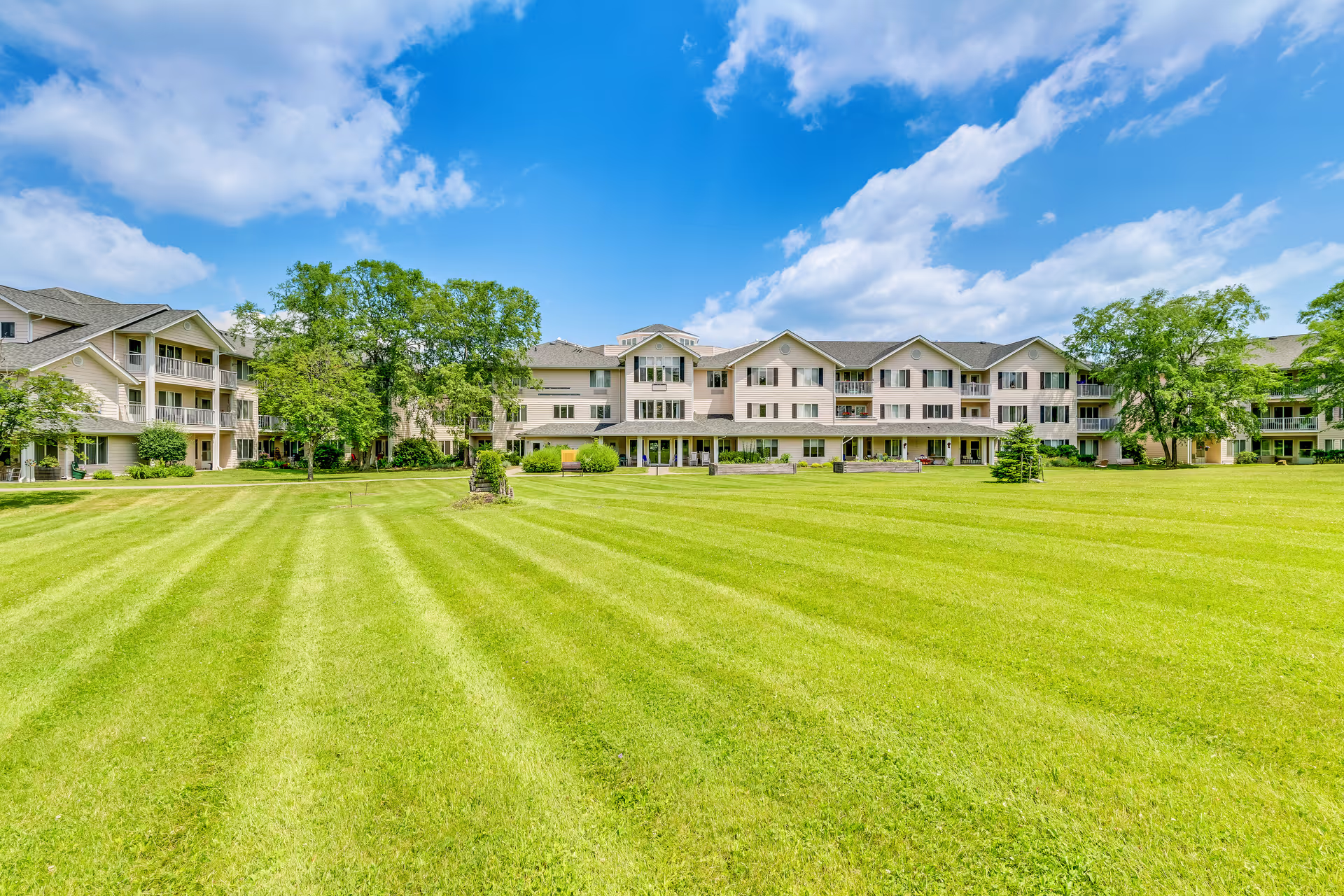
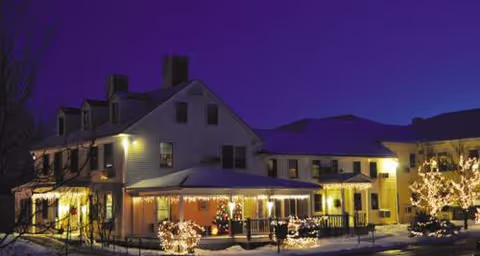
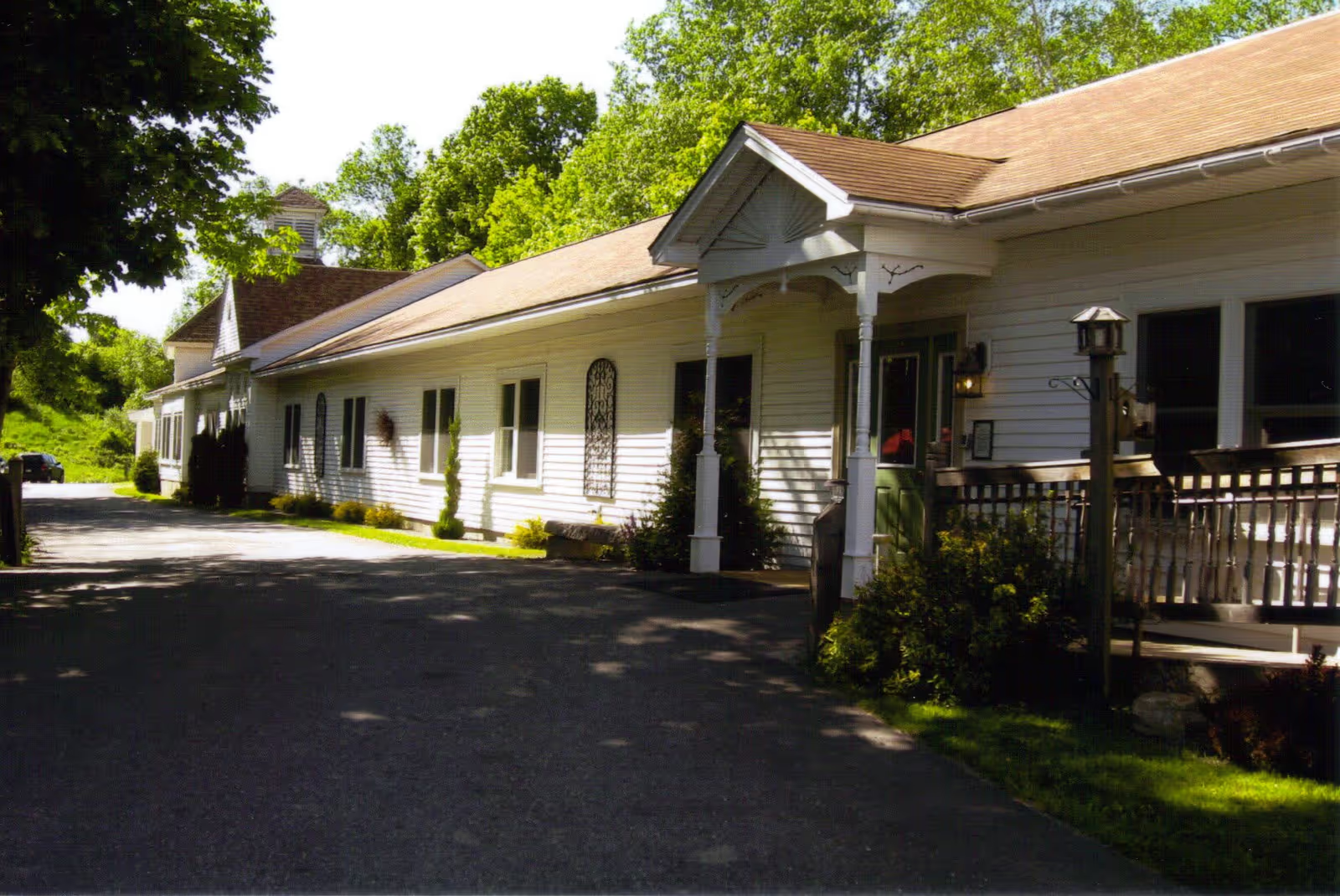
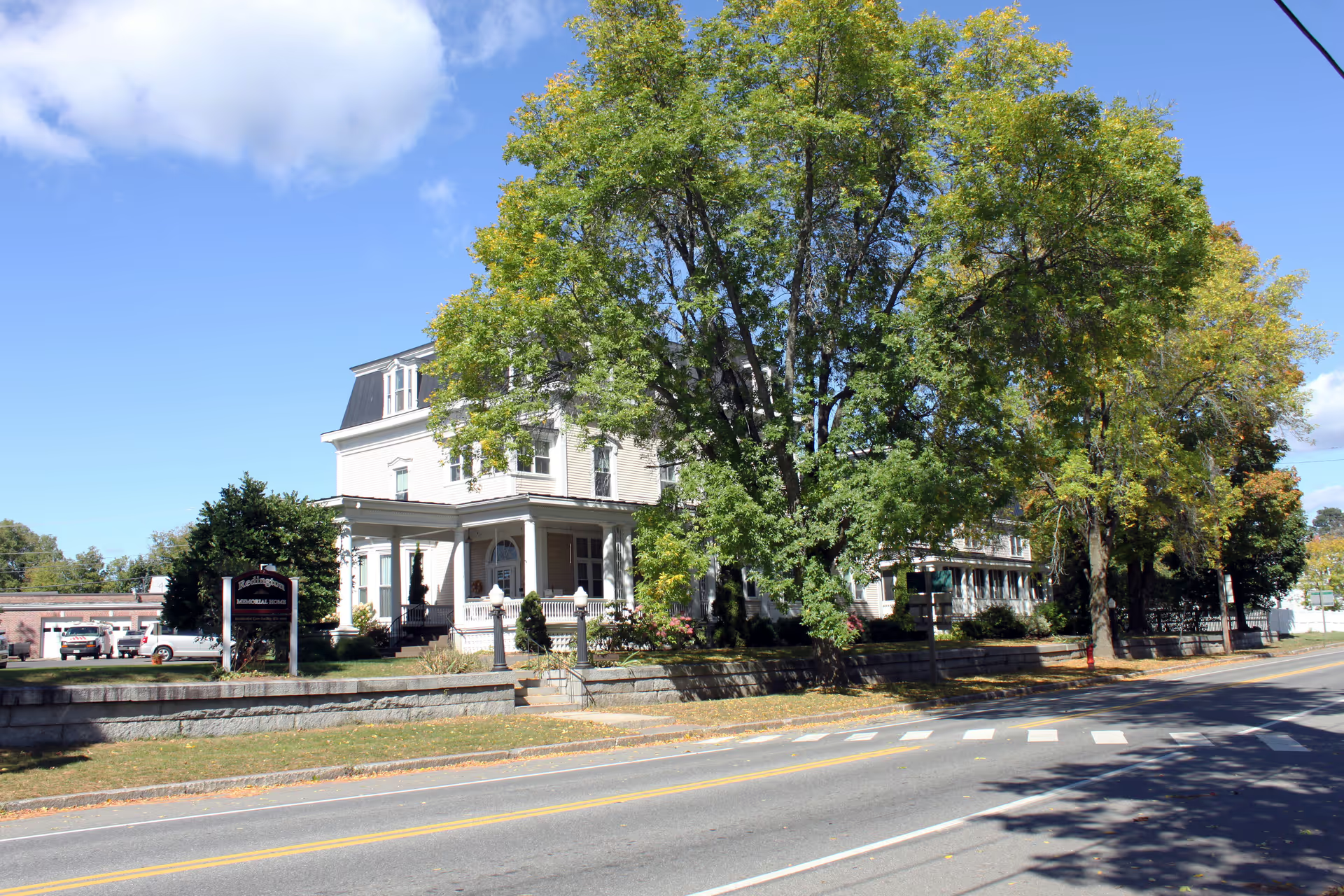
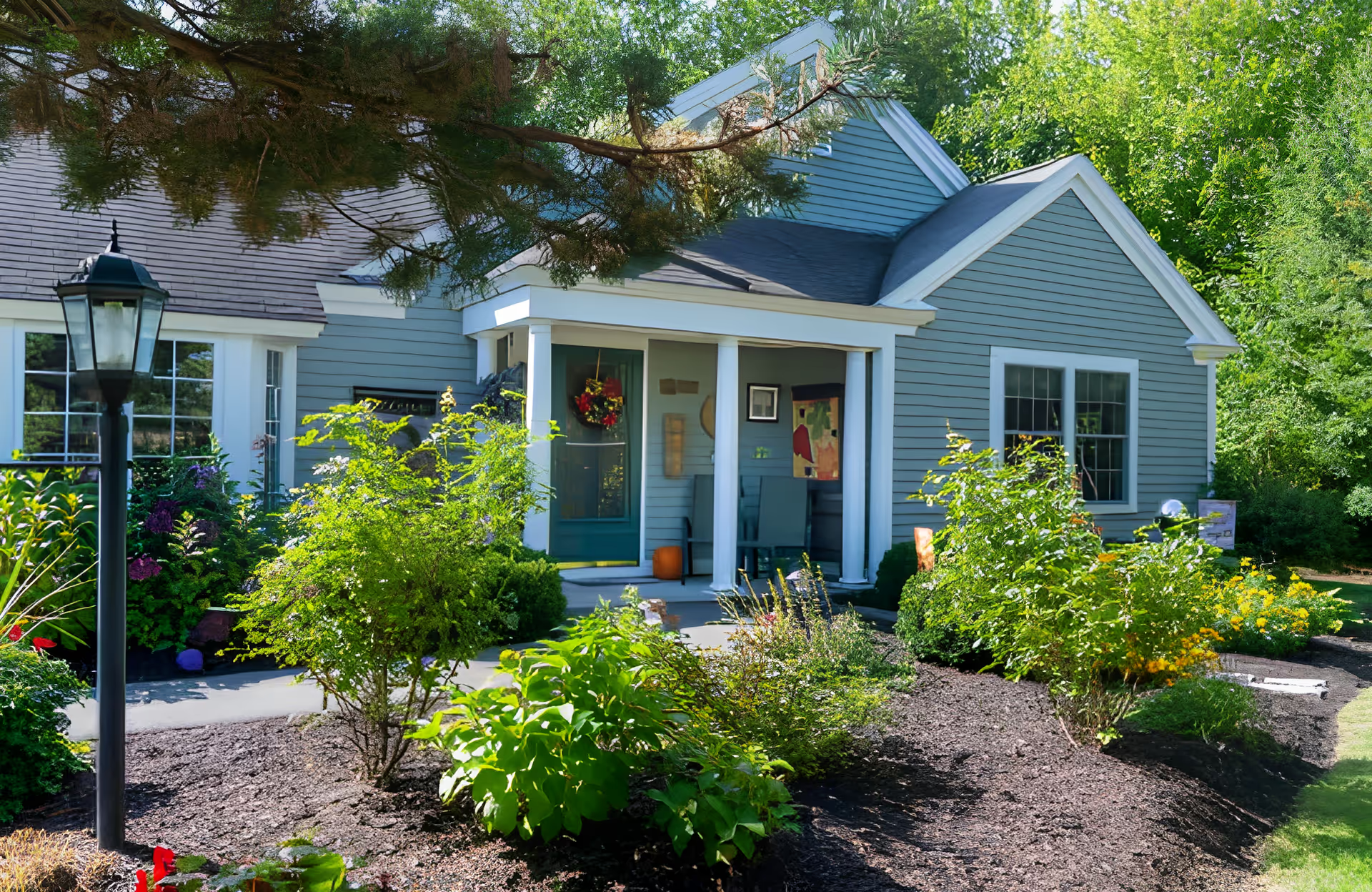
Birch Bay Retirement Village presents a largely positive picture in terms of setting, upkeep, and resident-focused services. Reviewers consistently highlight the facility's scenic hillside location near Acadia National Park, well-kept grounds and gardens, and pleasant interior environment. Housekeeping and maintenance are cited as strengths: routine repairs, gardening, snow removal, and quick appliance replacement are frequently mentioned. The availability of cottage living with included utilities and an option to remain in place through higher levels of care is a distinguishing feature for some residents.
Care quality and staff character are mixed but lean positive. Many families describe compassionate, respectful caregivers, engaged nursing staff, weekly physician visits, and a dementia-focused Safe Harbor program with music therapy and geriatric collaboration. Staff members at multiple levels — nursing, CNAs, activities, kitchen, and maintenance — are often described as kind and responsive. That said, an important operational pattern emerges: high staff turnover and periodic staffing shortages affect continuity of care. Reviewers note the need to reorient incoming staff to resident preferences and care notes, and some describe delays or gaps during understaffed periods. There are also comments indicating variable clinical skill-sets when residents’ acuity increases, suggesting prospective residents with complex medical needs should clarify scope of care and transfer protocols.
Dining and activities are notable program areas with both praise and criticism. The community offers three meals a day, meal delivery, and an active calendar that includes music therapy, arts groups, field trips, and community partnerships such as Acadia Senior College. Many residents appreciate the variety of programs and social opportunities. Conversely, there are recurrent comments about inconsistent meal quality tied to chef turnover, reheated meals in assisted living, and occasional design constraints limiting activity space. Prospective families should ask about current culinary leadership and menu consistency.
Facility management and cost structure are prominent themes. Positive elements include visible administrative availability and proactive communication during infection-control periods. Negative operational traits include management cost-containment choices described as penny-pinching, mandatory resident-supplied basics (sheets, towels, toiletries), and a perception of numerous extra service charges. The community is generally characterized as higher-cost; reviewers recommend clarifying what is included in fees and which items or services will generate additional charges.
Overall, Birch Bay offers a well-maintained, attractive campus with many programs, compassionate staff, and a clear emphasis on resident quality of life—especially for those seeking proximity to outdoor recreation and a smaller, community-oriented setting. The primary trade-offs are operational: recurring staff turnover and shortages, inconsistent dining experiences, communication gaps, and certain apartment design/accessibility issues. Families evaluating Birch Bay should verify current staffing levels and turnover, review fee and inclusion policies, confirm meal-service expectations, and inspect apartment layouts to ensure they meet mobility and storage needs for long-term comfort.