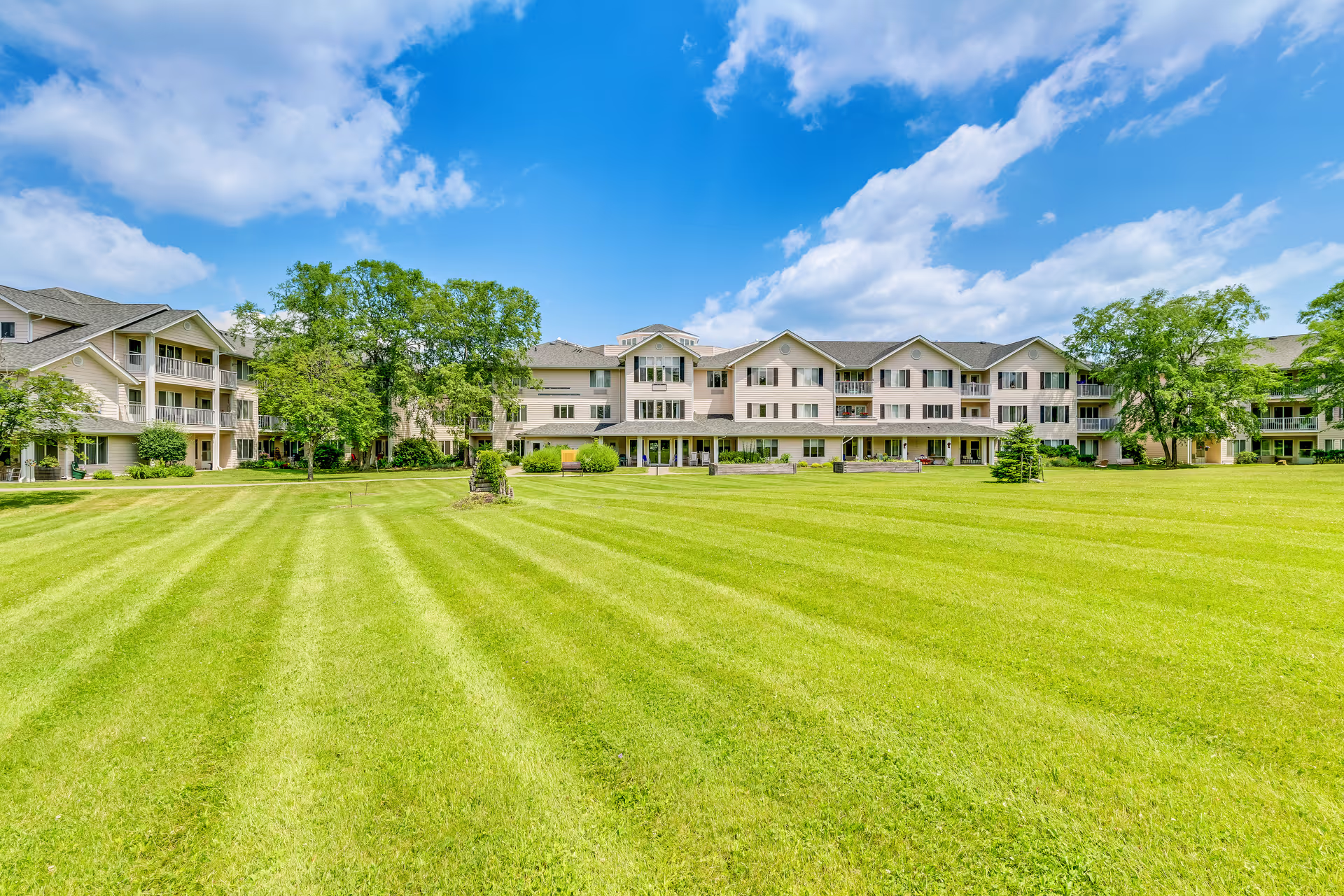
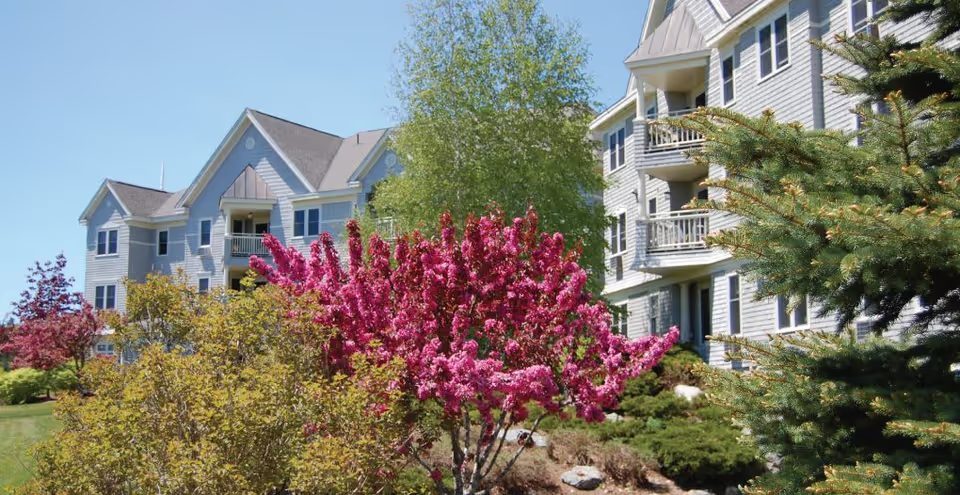
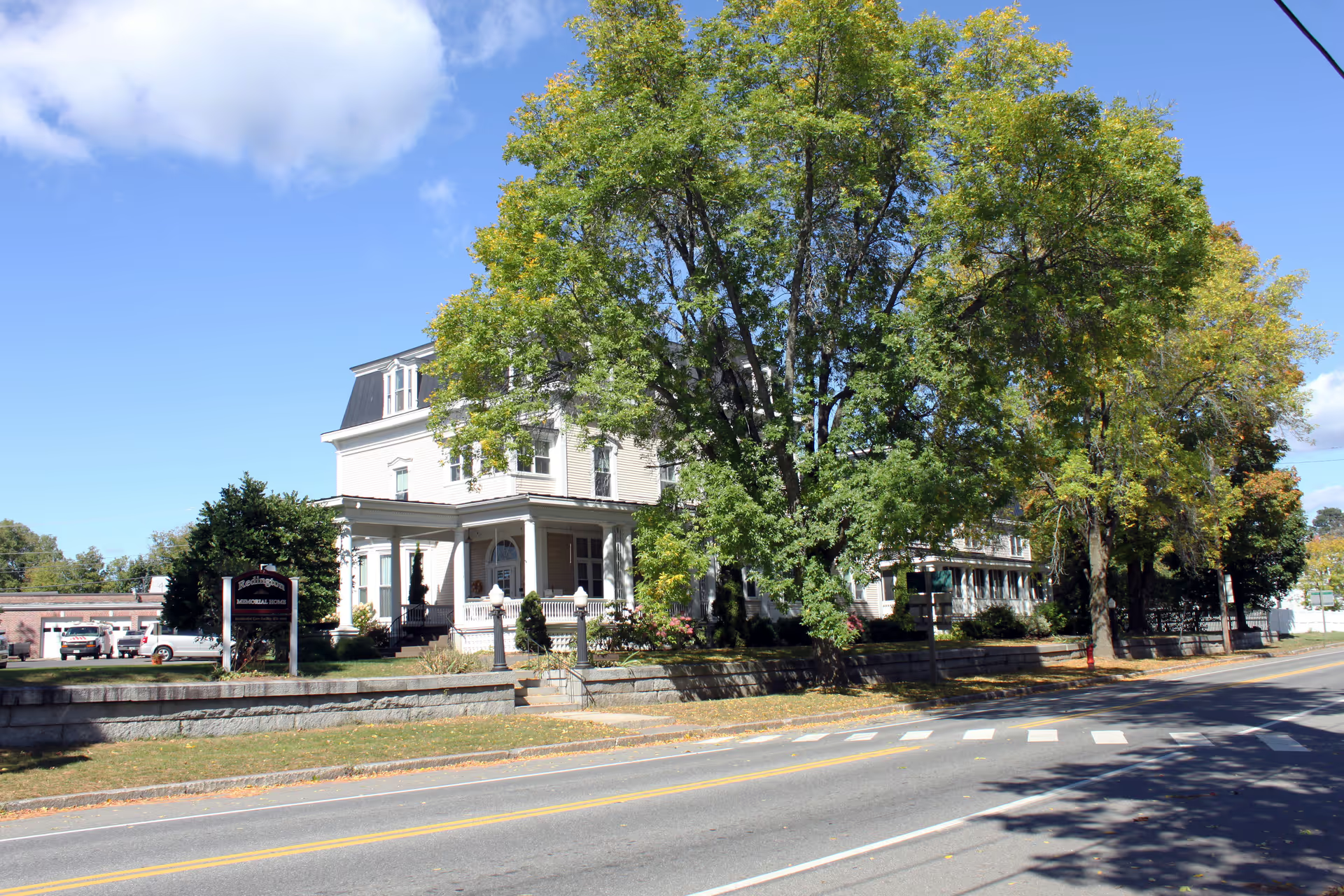
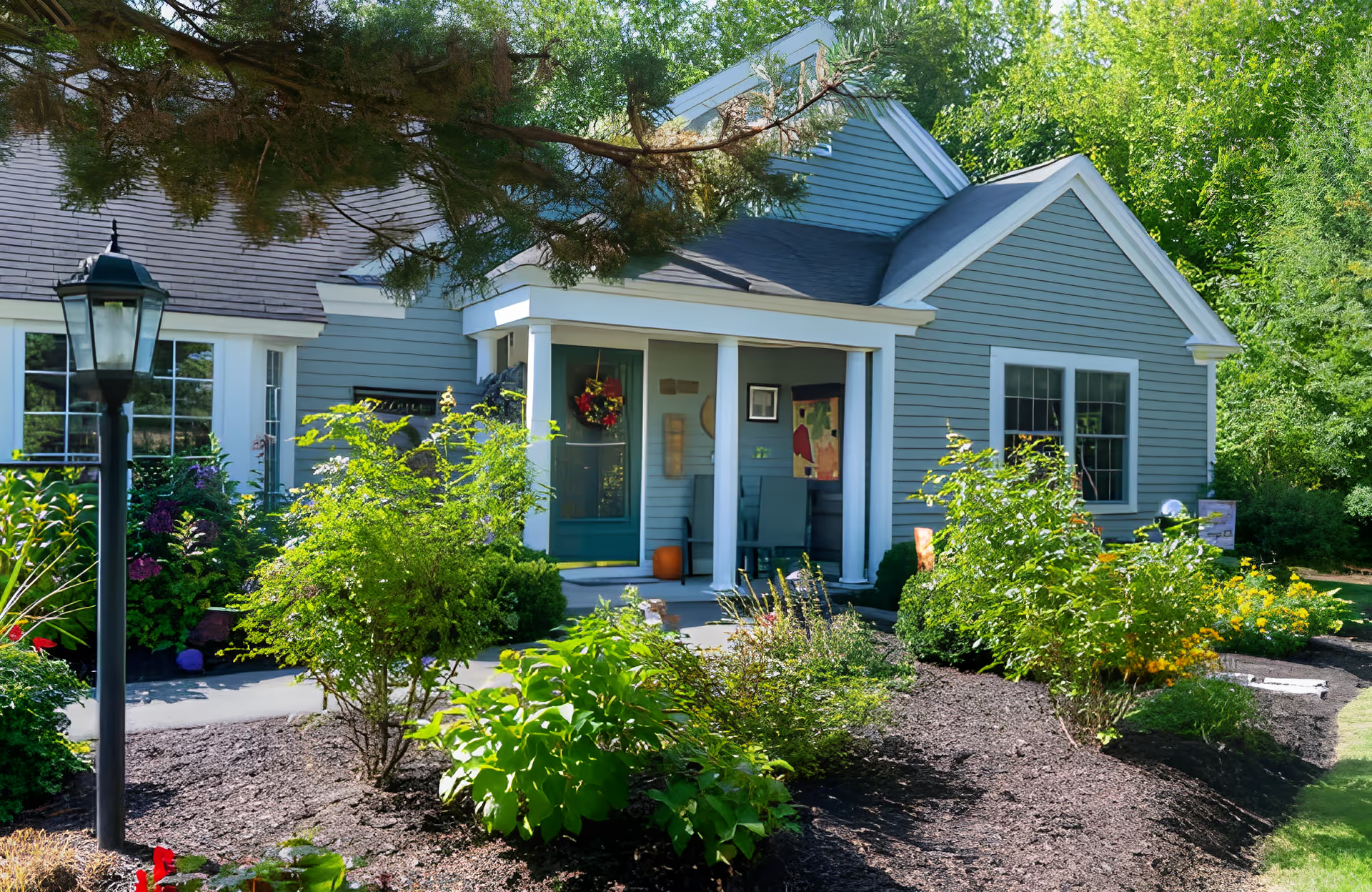
Reviews for Woodlands Senior Living of Brewer present a sharply mixed picture, with distinct strengths alongside operational and leadership concerns. Many families and visitors describe warm, compassionate interactions with individual staff members and praise specific employees for being knowledgeable, helpful and effective during tours and day‑to‑day care. Positive comments highlight a family‑like atmosphere, attentive caregiving, strong connections between staff and residents, and programs suited to memory‑care needs. The facility is frequently described as an older building that has been kept in good repair, with clean common areas and convenient access to public transit.
Care quality appears inconsistent across reviews. Several accounts emphasize heartfelt, personalized care and staff dedication, particularly in assisted‑living and memory‑care units, while other accounts point to lapses in responsiveness and gaps in nursing coverage. These operational gaps manifest as unanswered calls, full voicemails, and delayed follow‑up on family concerns. Reviewers note variation in staff conduct and communication tone: some describe respectful, reassuring interactions, whereas others express concern about brusque or dismissive communication and inconsistent enforcement of interaction policies.
Dining and supply continuity are additional areas of concern. Some reviewers cite interruptions in meal/service availability and occasional shortages of basic items. There are instances where small service commitments (for example, gifts or items left for residents) were not delivered, which contributes to perceptions of unreliable day‑to‑day operations. At the same time, others characterize meals and dining areas positively, which suggests variability in service delivery rather than a uniformly poor program.
The facility environment and activities receive generally positive comments: residents are described as smiling and engaged, and the setting is often called welcoming and home‑like. Memory‑care programming is singled out favorably by several families, and staff who work in these areas receive repeated commendation for compassion and reassurance. However, some reviewers raise sanitation and odor concerns in certain common areas that should be addressed to maintain overall environmental quality.
Management and leadership evaluations are highly polarized. Some reviews reference experienced, patient‑focused management, while others describe inconsistent or performative leadership, poor administrator communication, and a perceived lack of transparency. A small number of serious allegations — including concerns about inappropriate staff conduct — were raised; these are significant and warrant direct inquiry by prospective families and, if appropriate, discussion with licensing authorities. Overall, patterns in the reviews suggest that individual staff members can make a substantial positive difference for residents, but systemic issues in staffing levels, communication protocols, and managerial consistency have created variability in family experiences.
Recommendation: Prospective residents and families should weigh the facility’s clear strengths in compassionate, relationship‑based care and its maintained environment against recurring operational concerns. When evaluating Woodlands, ask for current staffing ratios and nursing coverage details, examples of communication protocols with families, recent housekeeping and sanitation audits, and written policies on visitation and staff conduct. Arrange a repeat visit at different times of day to assess consistency of service, and request references from current families whose care needs match those of the prospective resident.