Overall impression: The Inn at Village Square is portrayed as a small, well-maintained assisted living community with a strong emphasis on personalized, relationship-based care. Review summaries consistently highlight a caring and attentive staff complemented by stable leadership; families describe staff who know residents personally, respond promptly to needs, and maintain regular communication with relatives. Clinical care is generally characterized as competent, with specific mentions of attentive skin-care and hygiene support and active efforts to involve families via phone and video calls when in-person visits were restricted.
Staff and management: Staffing appears to be a central strength. Long-tenured employees and an engaged administrator/director contribute to a stable environment and a sense of continuity for residents. Staff–resident interactions are described as warm and compassionate, and families noted proactive outreach during periods of restricted visitation. At the same time, there are isolated concerns about the community climate: a few accounts raise issues about disrespectful communication and rumor dynamics that can affect trust. There are also occasional notes about management or transparency inconsistencies; these appear to be discrete concerns rather than the dominant theme but are worth exploring during a visit.
Dining and activities: Dining is consistently praised—meals are described as homemade, tasty, and varied, prepared by on-site dietary staff. Social programming is robust for the community’s size: daily, resident-focused activities include bingo, cooking classes, gardening with raised beds, visits from youth groups, bus outings to local attractions, cookouts with family, and regular indoor programming. These offerings create an active social calendar and support family involvement in celebrations and events.
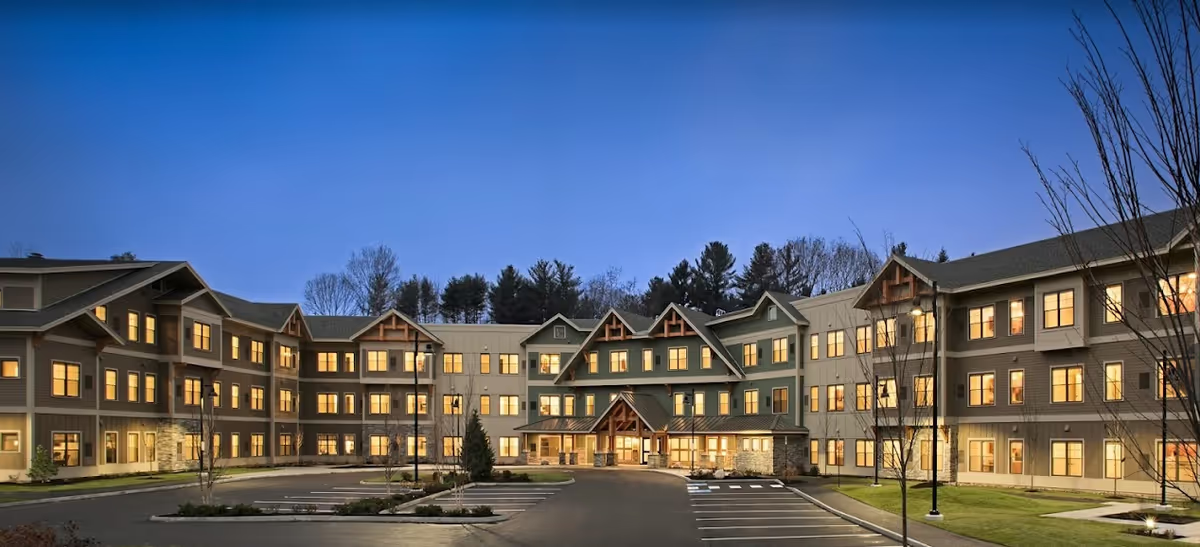
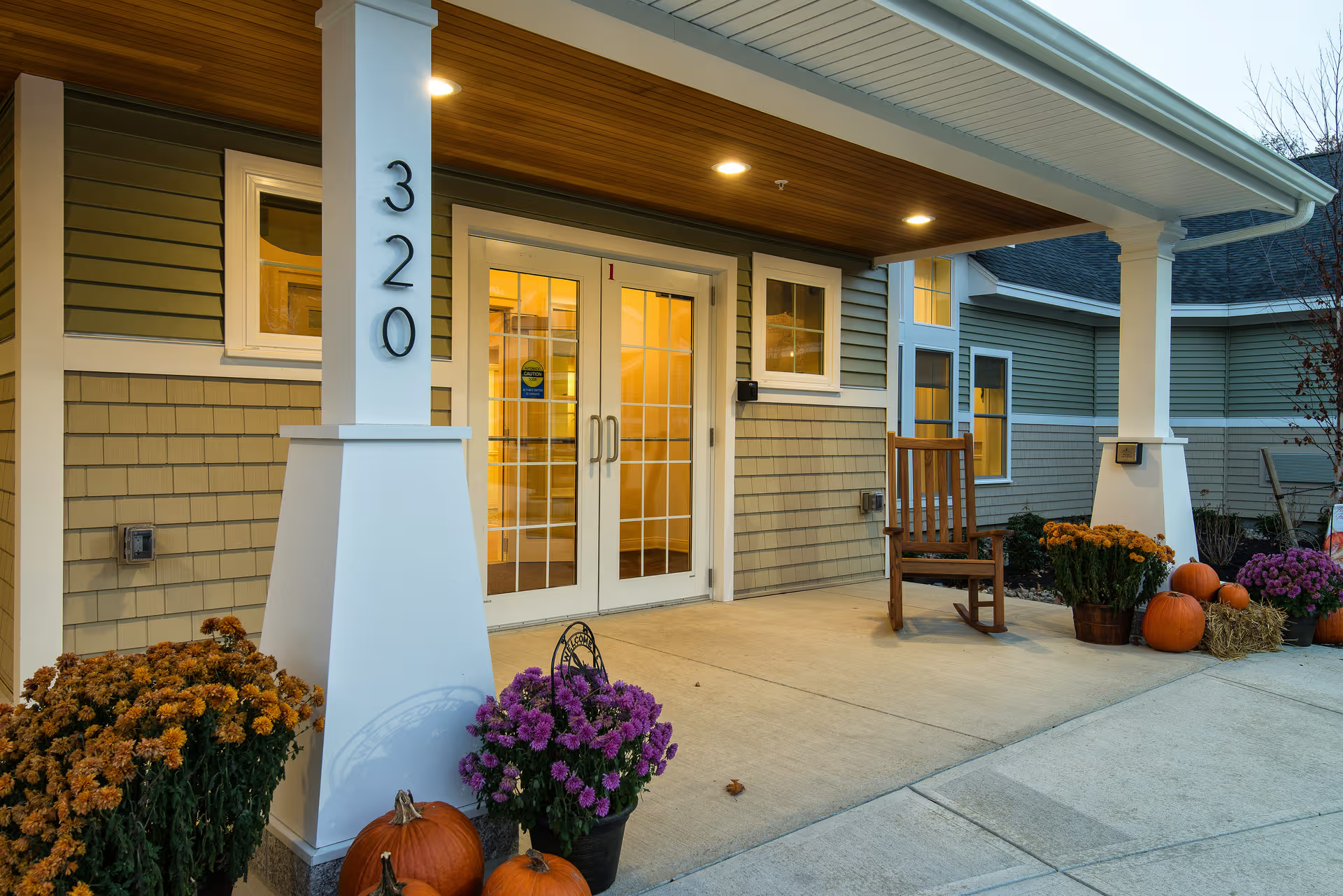
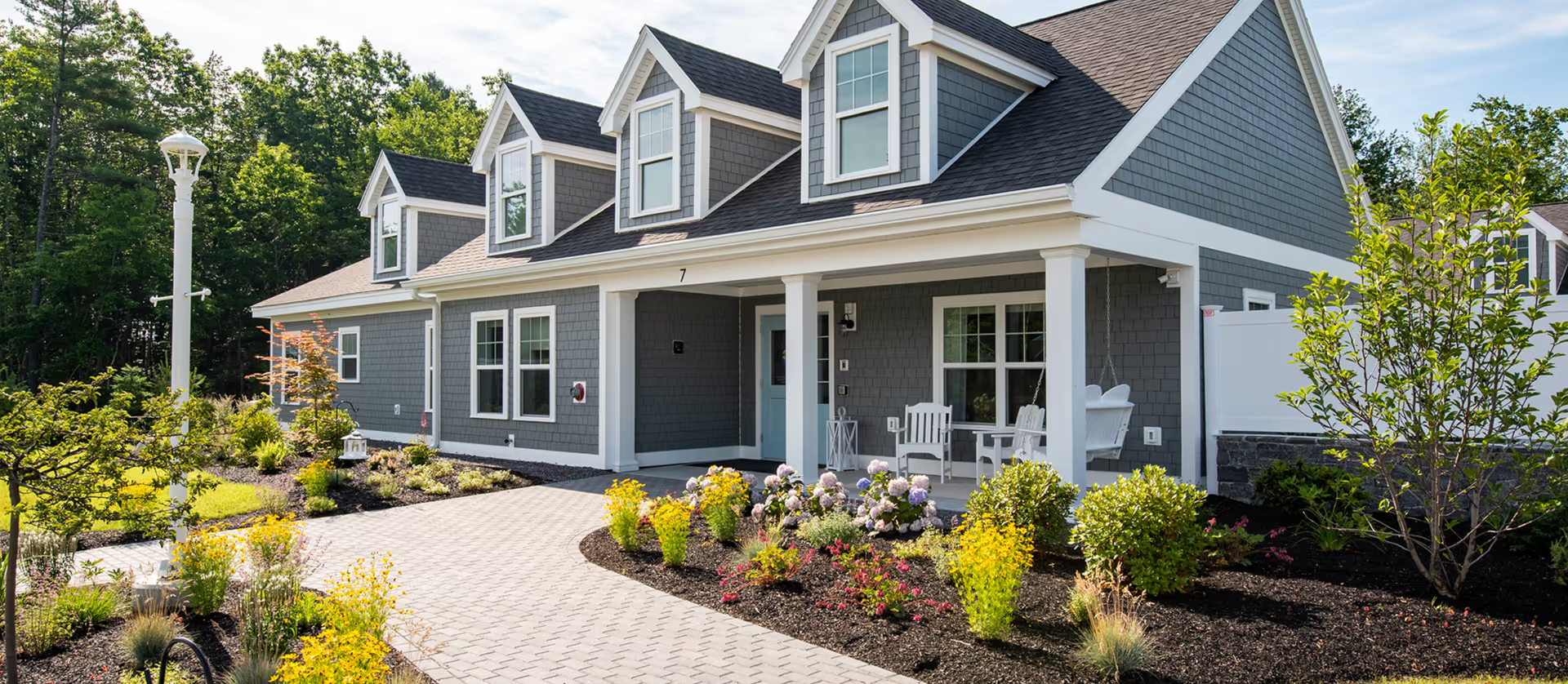
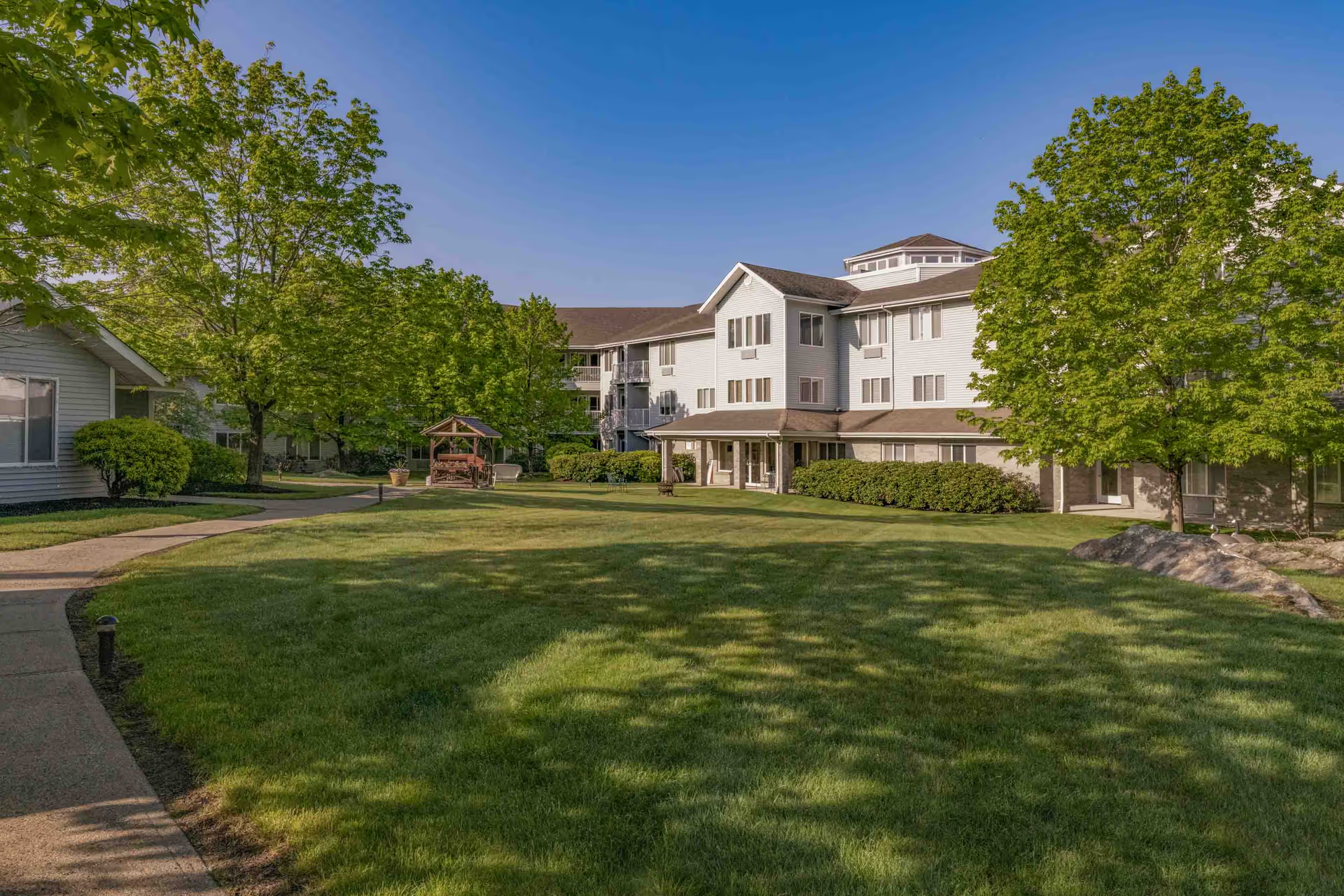
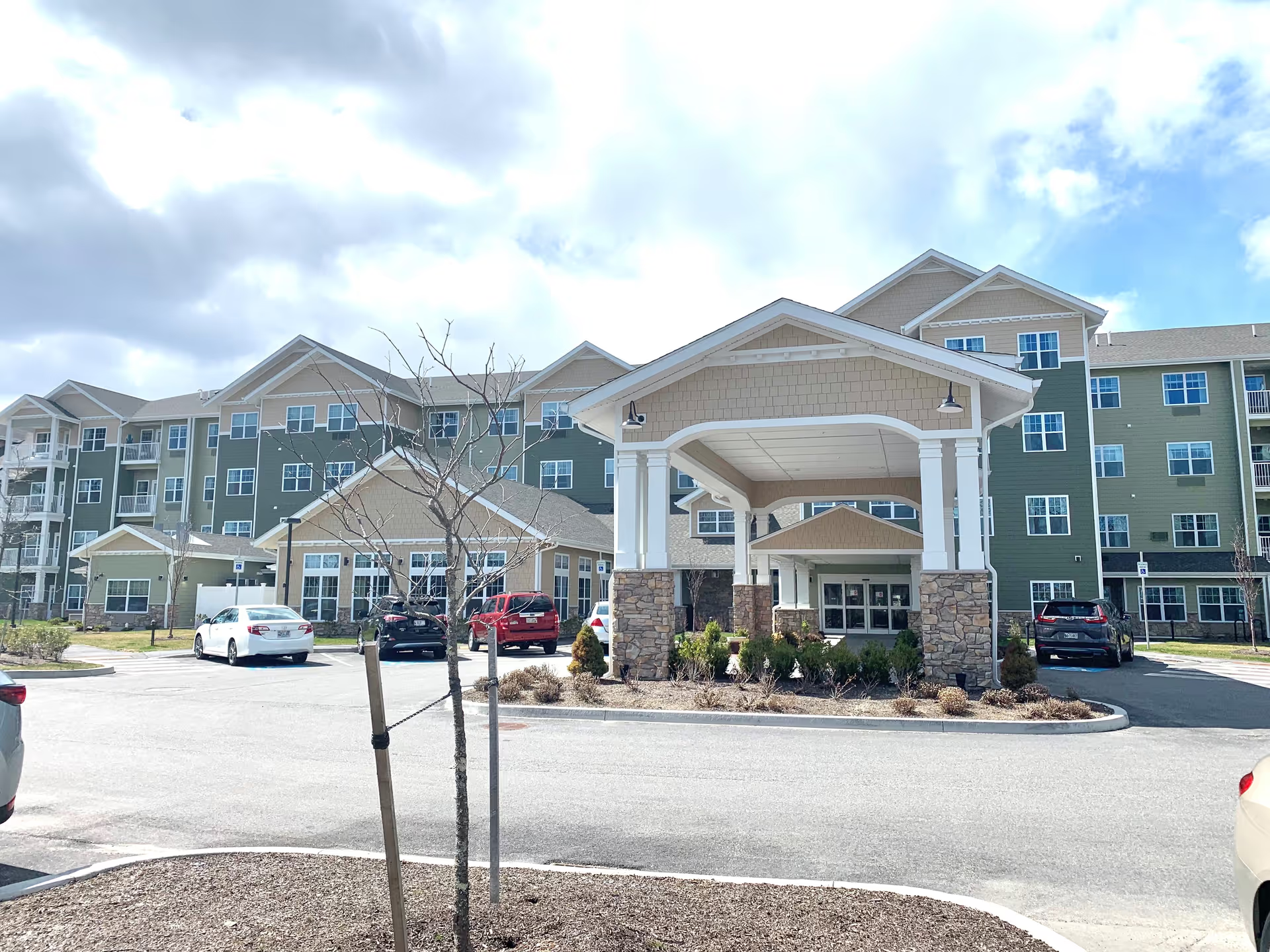
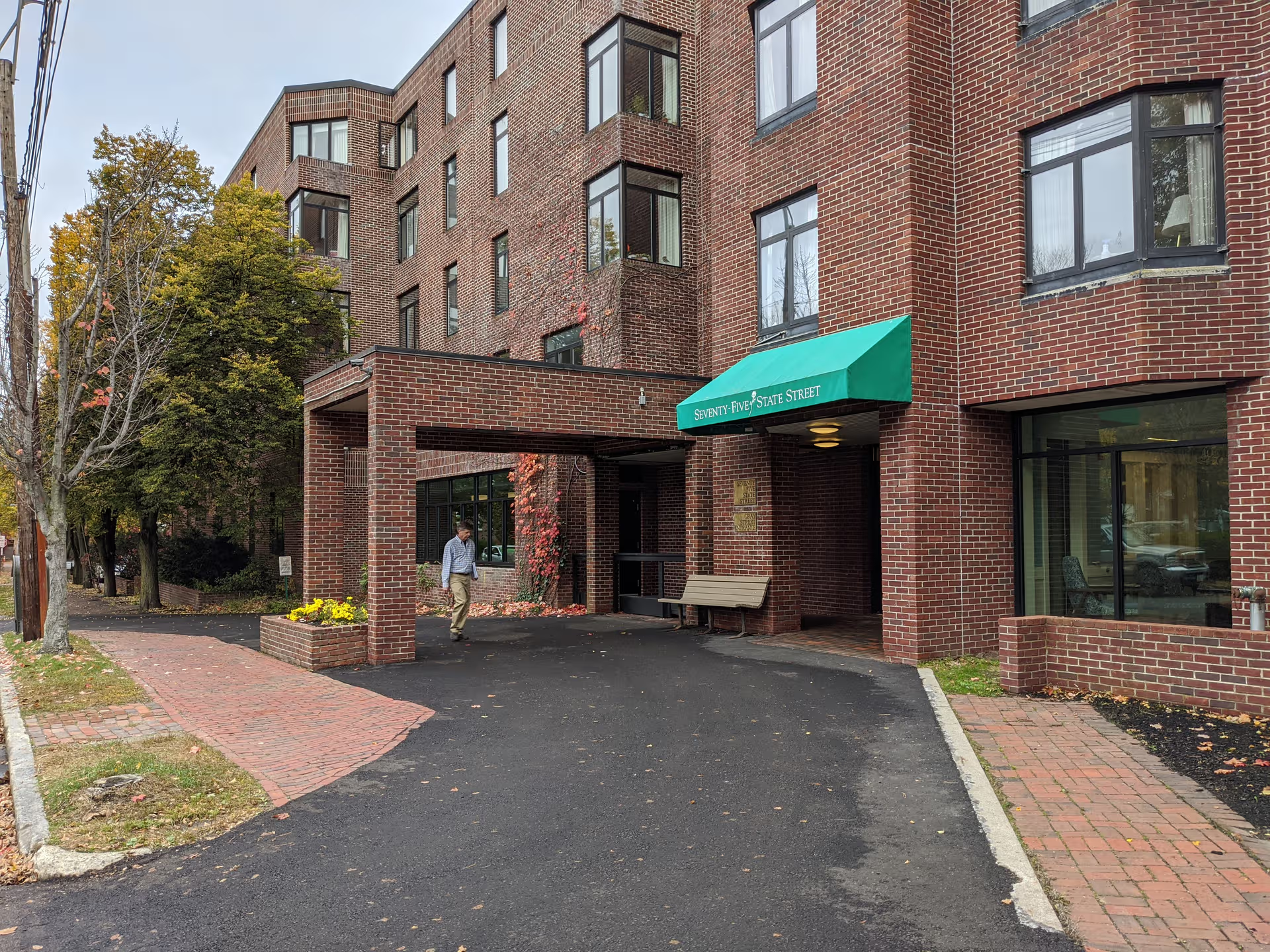
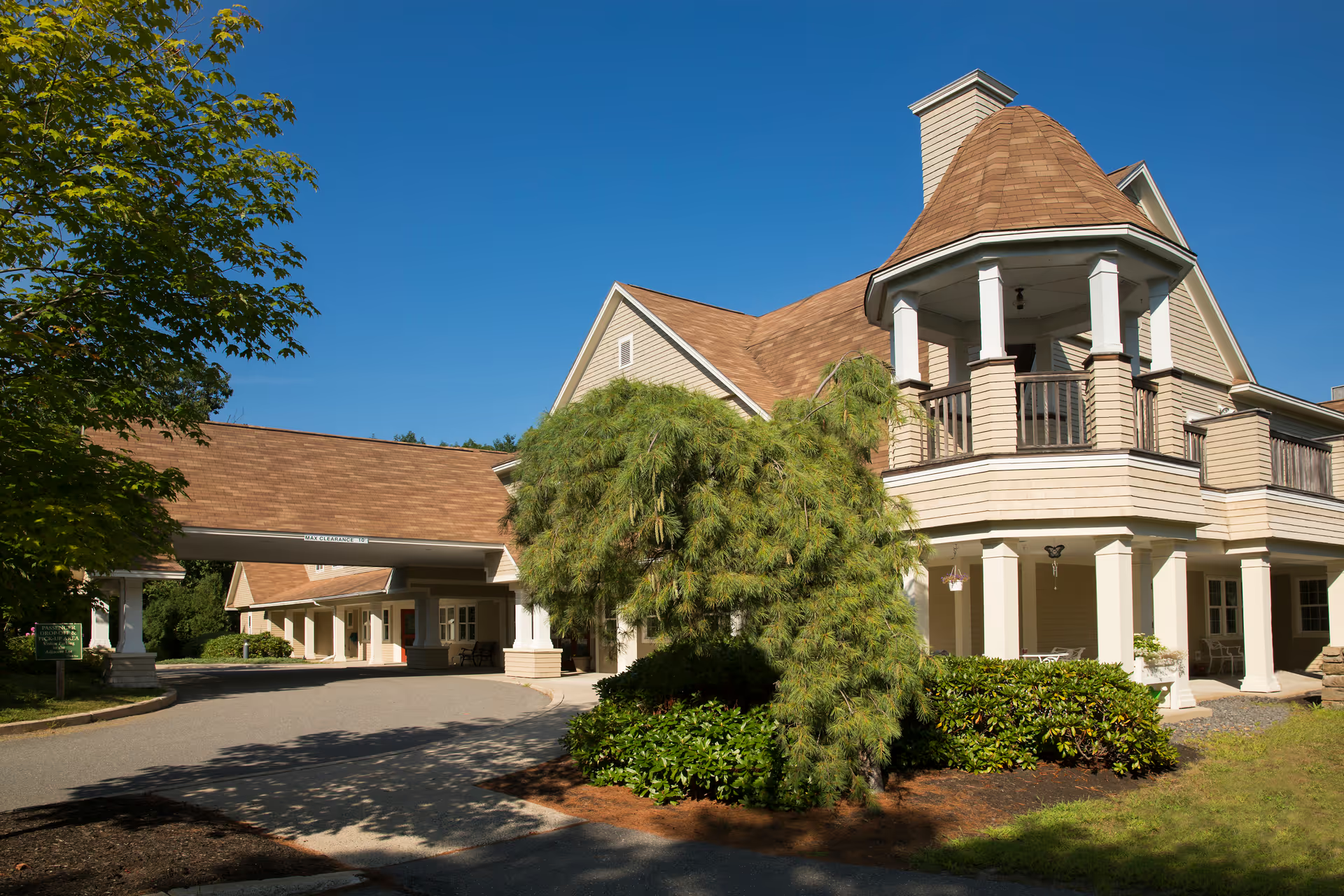
Facilities and capacity: Physically, the facility is described as clean, bright, cozy, and home-like, with outdoor amenities such as a gazebo and raised garden beds. The small, intimate scale is repeatedly framed as a positive for families seeking a close-knit setting. That same small size, however, underlies several operational limits: the community is not positioned for higher-acuity medical or long-term nursing needs, and specialized clinical services appear limited. Prospective residents with advancing care needs may need to consider whether higher-level clinical support is available or whether relocation would be required as conditions progress.
Notable patterns and decision points: Most reviewers convey satisfaction with the quality of day-to-day care, staff responsiveness, and the social environment. Key decision factors for prospective residents and families include cost (the community is viewed as relatively expensive by some, though others consider it good value for the services provided), the level of clinical acuity the facility can safely manage, and the importance of social dynamics in a small community. During a tour, families may wish to assess how the community addresses respectful communication, how it supports residents during infection-control periods to avoid isolation, and the process for transitions if a resident’s care needs increase.