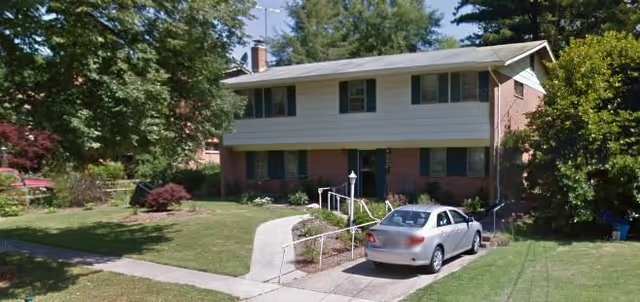
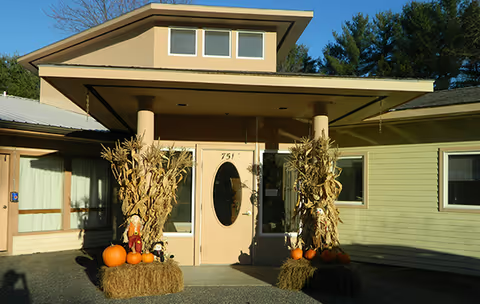
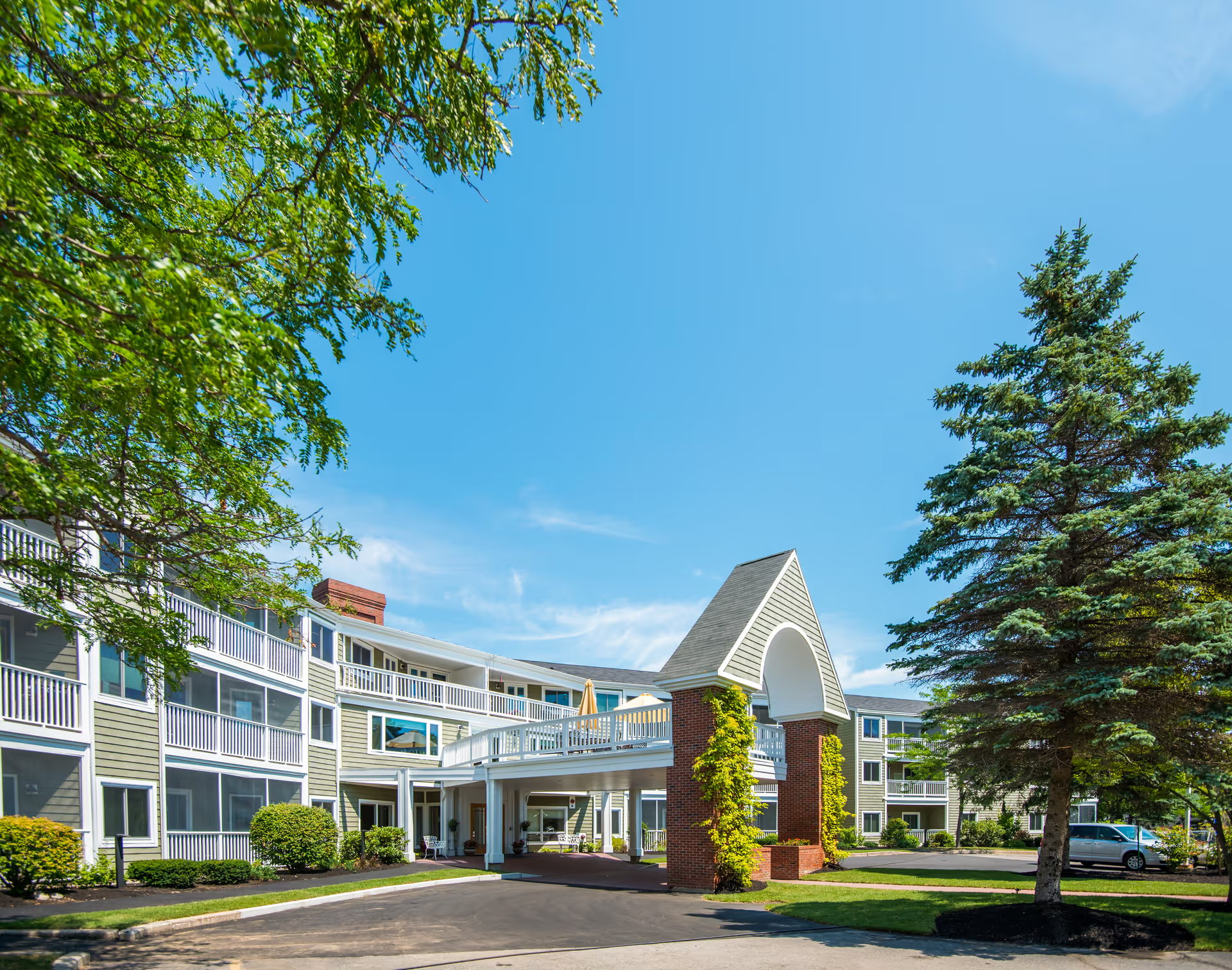
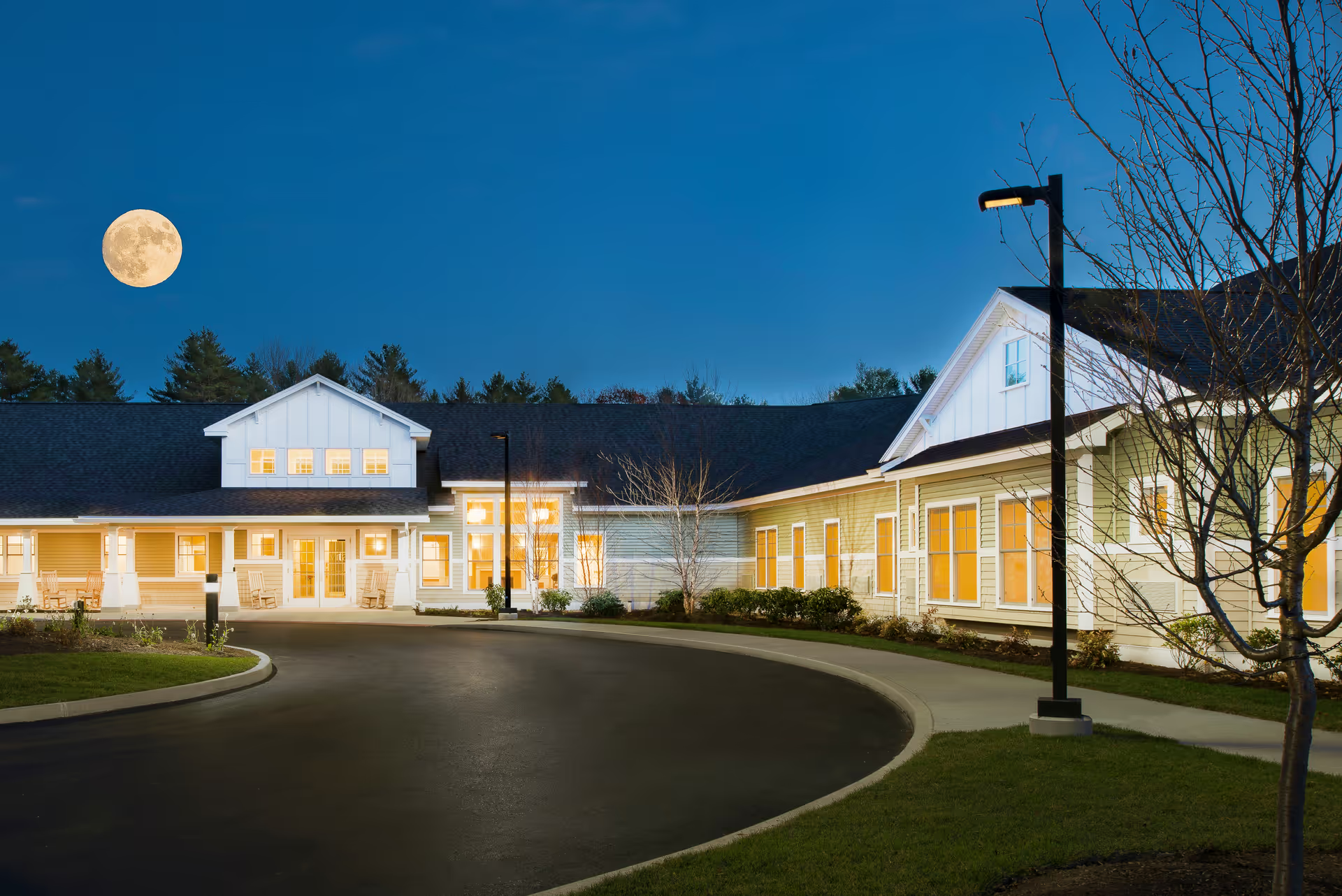
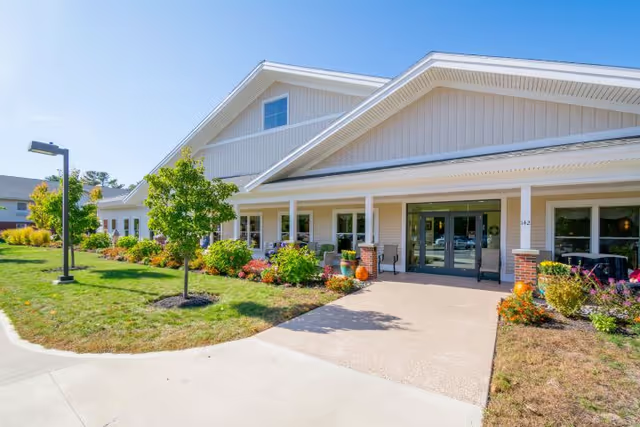
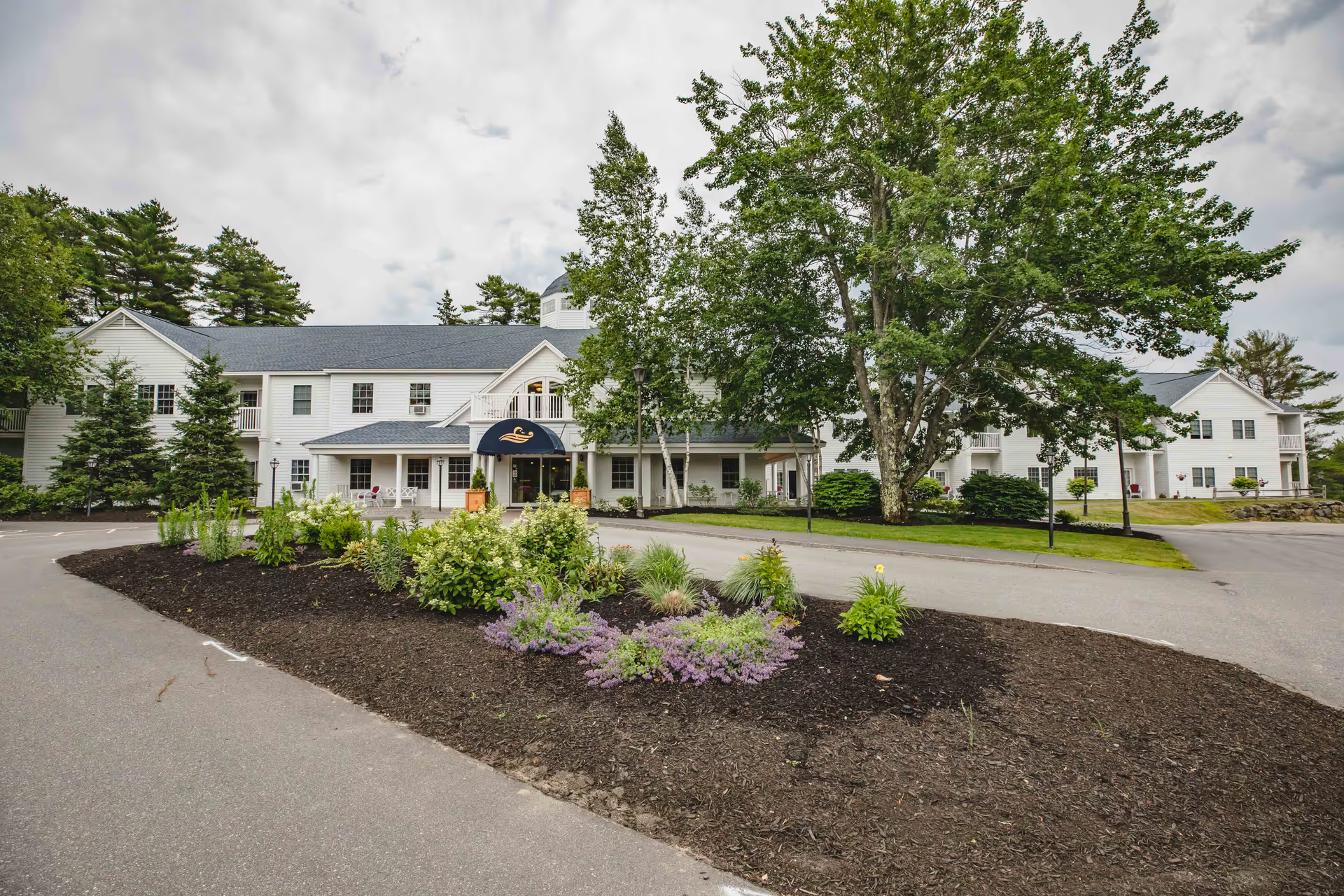
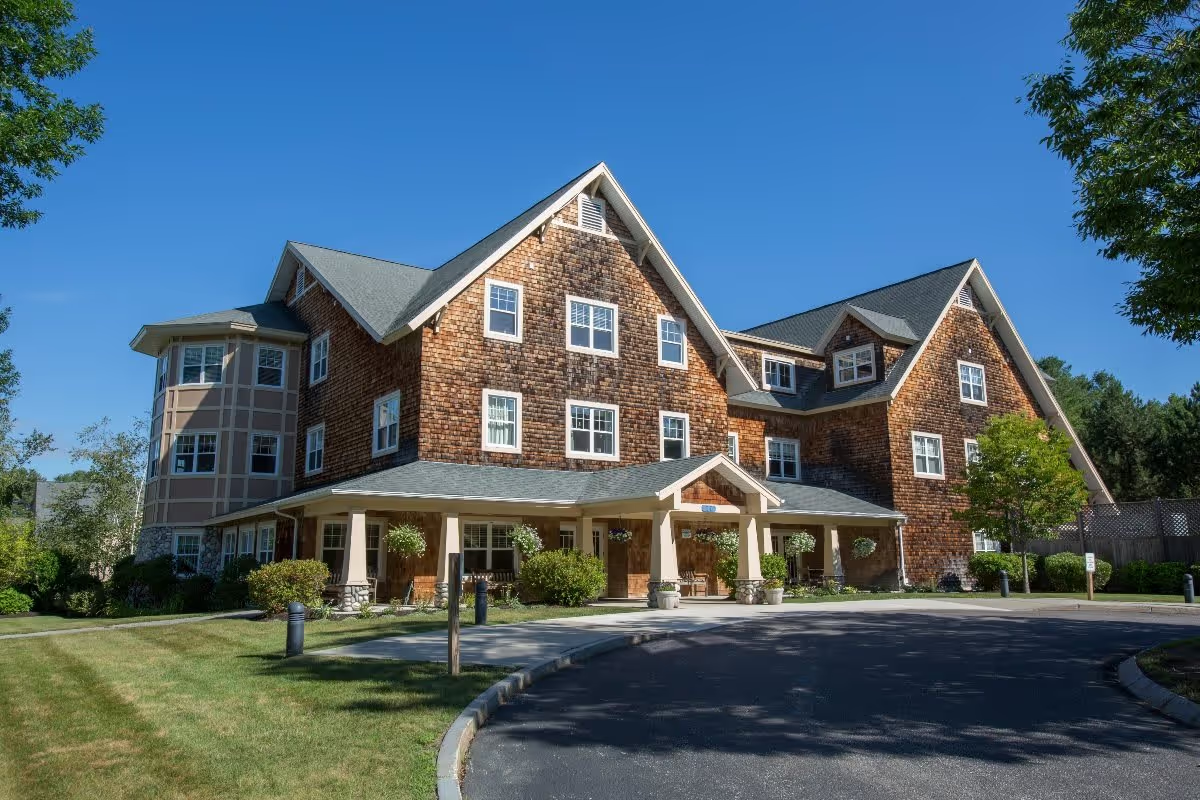
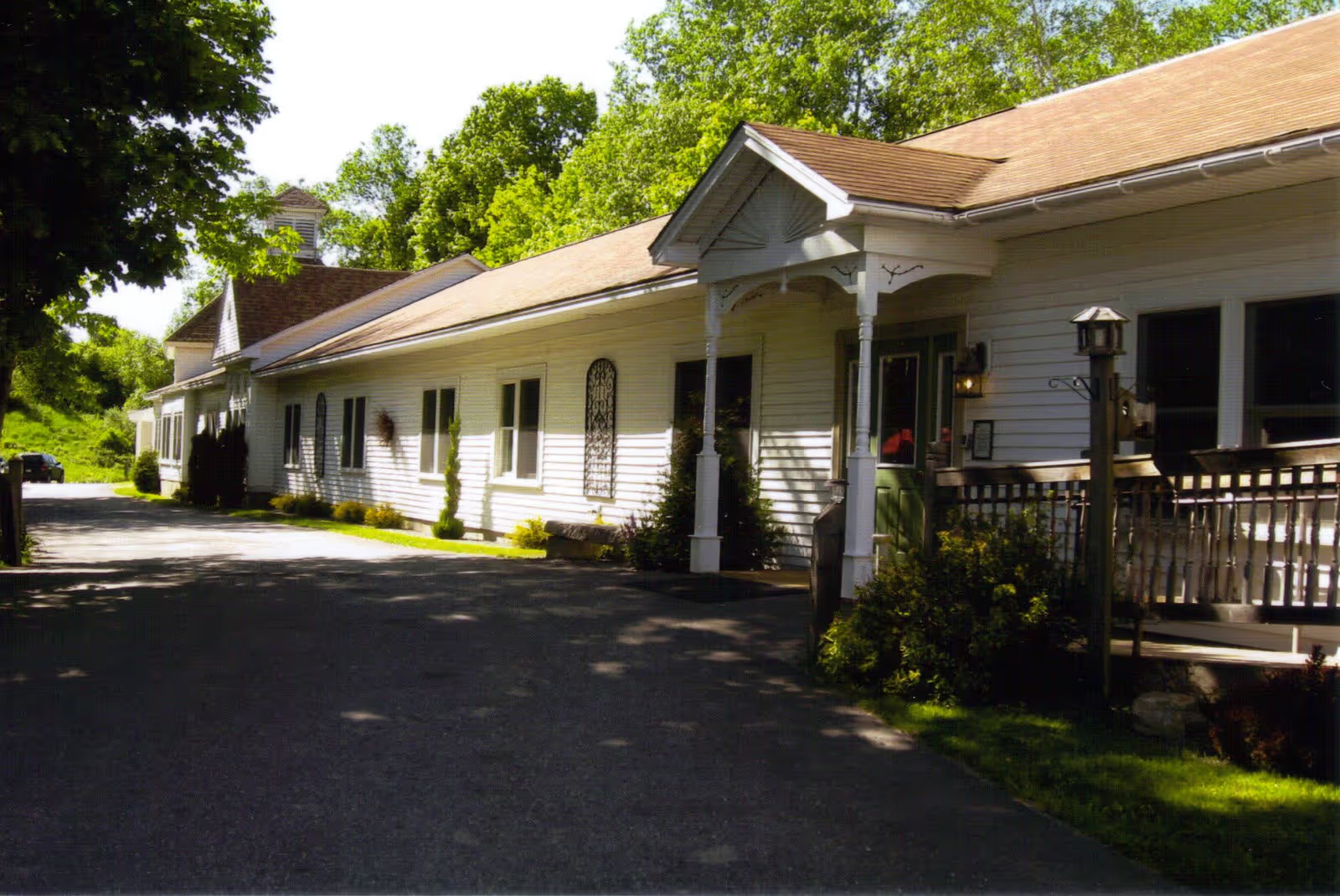
Reviewer feedback for Woodlands Memory Care of Lewiston is mixed but consistent in several key themes. Many families and visitors describe a facility that is modern, relatively spacious, and designed with memory-care needs in mind — secure courtyards, accessible common areas, and a generally home-like atmosphere. Multiple accounts praise the dining program as nutritious and well-liked, and on-site amenities such as arts-and-crafts spaces, a piano, a garden and a small library support daytime engagement.
Care quality assessments diverge. A substantial number of reviewers highlight compassionate, dementia-experienced CNAs and nursing staff who provide attentive, person-centered care and who have intervened promptly for medical issues. These positive accounts indicate that, when staffing and supervision are sufficient, clinical responsiveness and individualized attention are strengths. However, a recurrent operational concern is chronic understaffing: when staff levels are low or turnover is high, families describe delays in assistance with personal-care needs and inconsistent caregiving coverage. This creates variability in resident experience that reviewers characterize as uneven — strong performance by some staff members paired with gaps at other times.
Operational and clinical-process issues are a notable pattern. Several reviews raise concerns about medication handling and other clinical controls, as well as privacy and HIPAA-related practices. Housekeeping and sanitation practices also appear inconsistent across shifts or units, with some reviewers noting odor concerns and other environmental maintenance gaps. Staffing pressures are frequently tied to reports of low pay, turnover, and strained employee relations; some reviews describe managerial decisions and personnel disputes that have affected morale.
Activities programming receives mixed marks: there are ongoing, engaging on-site offerings (crafts, music, gardening) that many residents enjoy, but reviewers also point to a lack of off-site outings and limited transportation for recreational trips. Administrative communication is a second area of variability — some families praise informative, upbeat admissions staff and a compassionate administrator, while others describe poor follow-through, last-minute notifications, and a culture that can feel dismissive of family concerns. A small subset of reviews raises serious administrative concerns, including alleged financial or administrative misconduct and questions about fee allocation; these are distinct from routine operational complaints and would merit follow-up by prospective families or regulators.
In sum, Woodlands presents as a facility with clear strengths in dementia-focused programming, physical environment, and several committed caregivers, but it also shows recurring operational weaknesses that affect day-to-day consistency. Prospective residents and families should weigh the facility's supportive aspects against the documented variability in staffing, clinical processes, housekeeping, and management communication. If considering Woodlands, ask targeted questions about current staffing ratios, turnover, medication-administration protocols, sanitation schedules, outing policies, and recent administrative or financial concerns; arrange multiple visits across different times of day to observe consistency of care and operations.