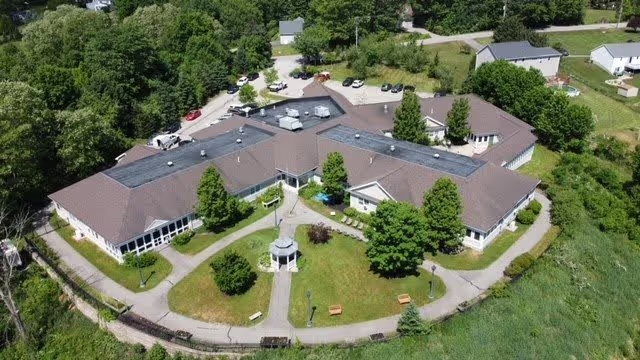
Across the reviews the strongest and most consistent theme is positive hands-on dementia care. Families commonly describe staff who provide individualized routines, engage residents in meaningful activities, and support end-of-life transitions with compassion. Leadership is often characterized as knowledgeable about memory-care best practices, and the community layout — smaller resident populations per wing and a single-level, easy-to-navigate plan — supports a dementia-focused program.
Caregiving staff receive frequent praise for warmth, attentiveness, and creativity. Reviewers highlight caregivers who treat residents with dignity, personalize engagement around past interests, and involve families during move-in and difficult decision points. Several families singled out particular team members and program coordinators for organizing tailored activities, photography projects, van outings, and a day program that provides respite for caregivers. Low staff turnover and continuity of caregivers were noted as contributors to residents adjusting well.
Dining and activities are recurring positives. The facility is described as offering three meals daily with a focus on quality, farm-to-table options, a pleasant dining area, and flexibility for dietary needs. Activity programming is broad and frequent — social events, outings, courtyard time, and on-site services such as a salon — with attention to cognitive stimulation and resident interests.
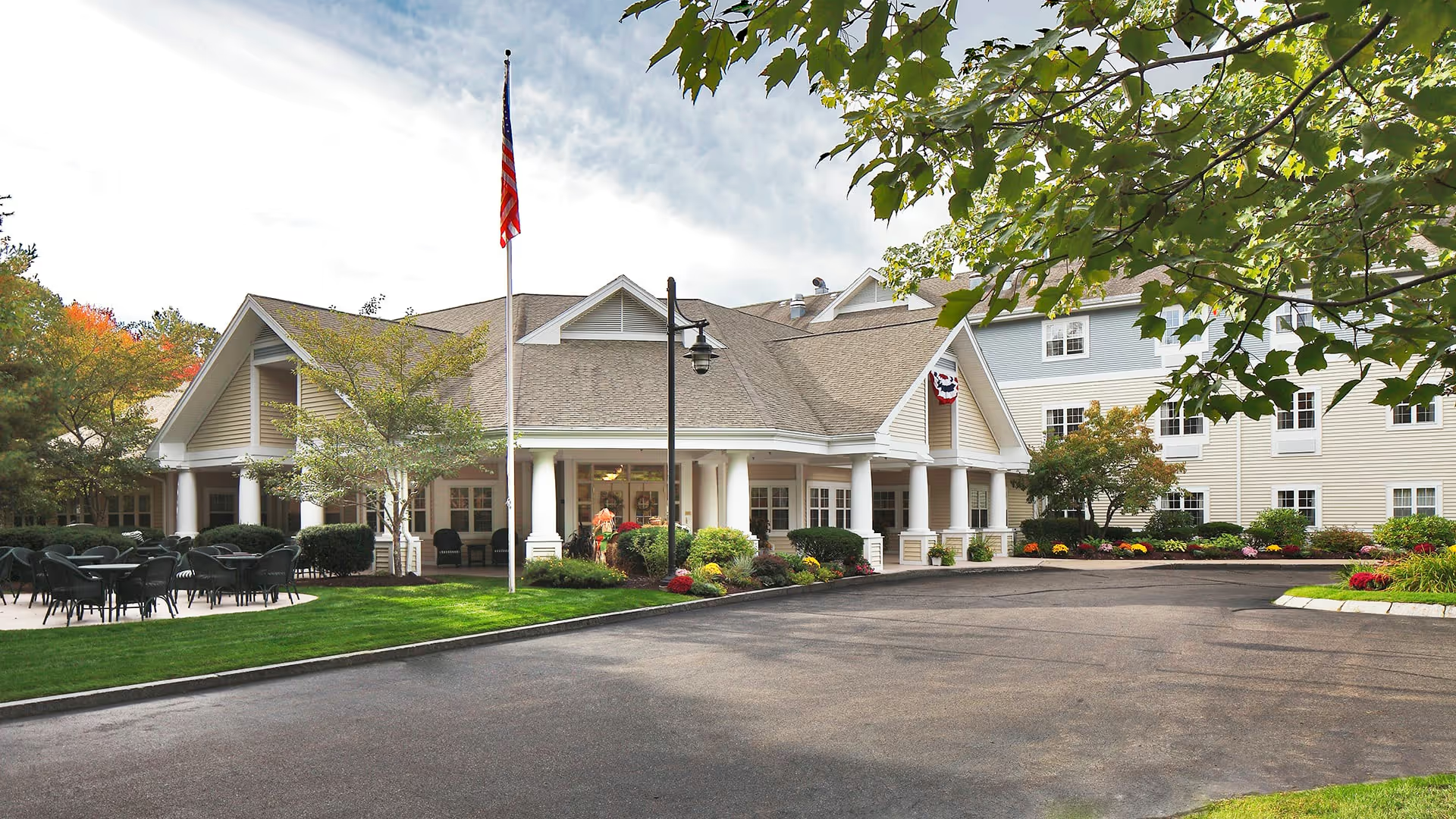
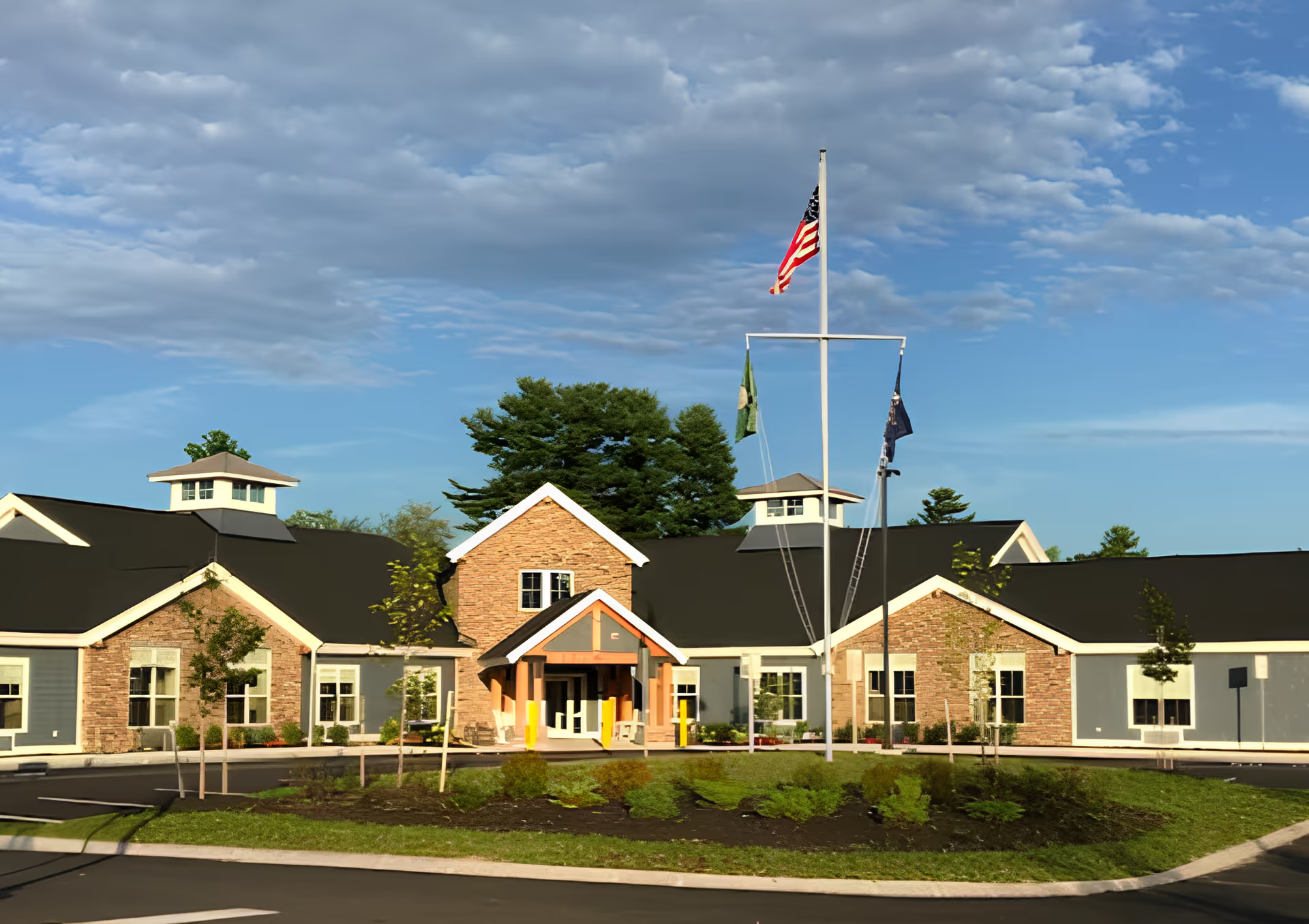
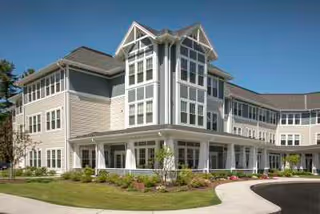
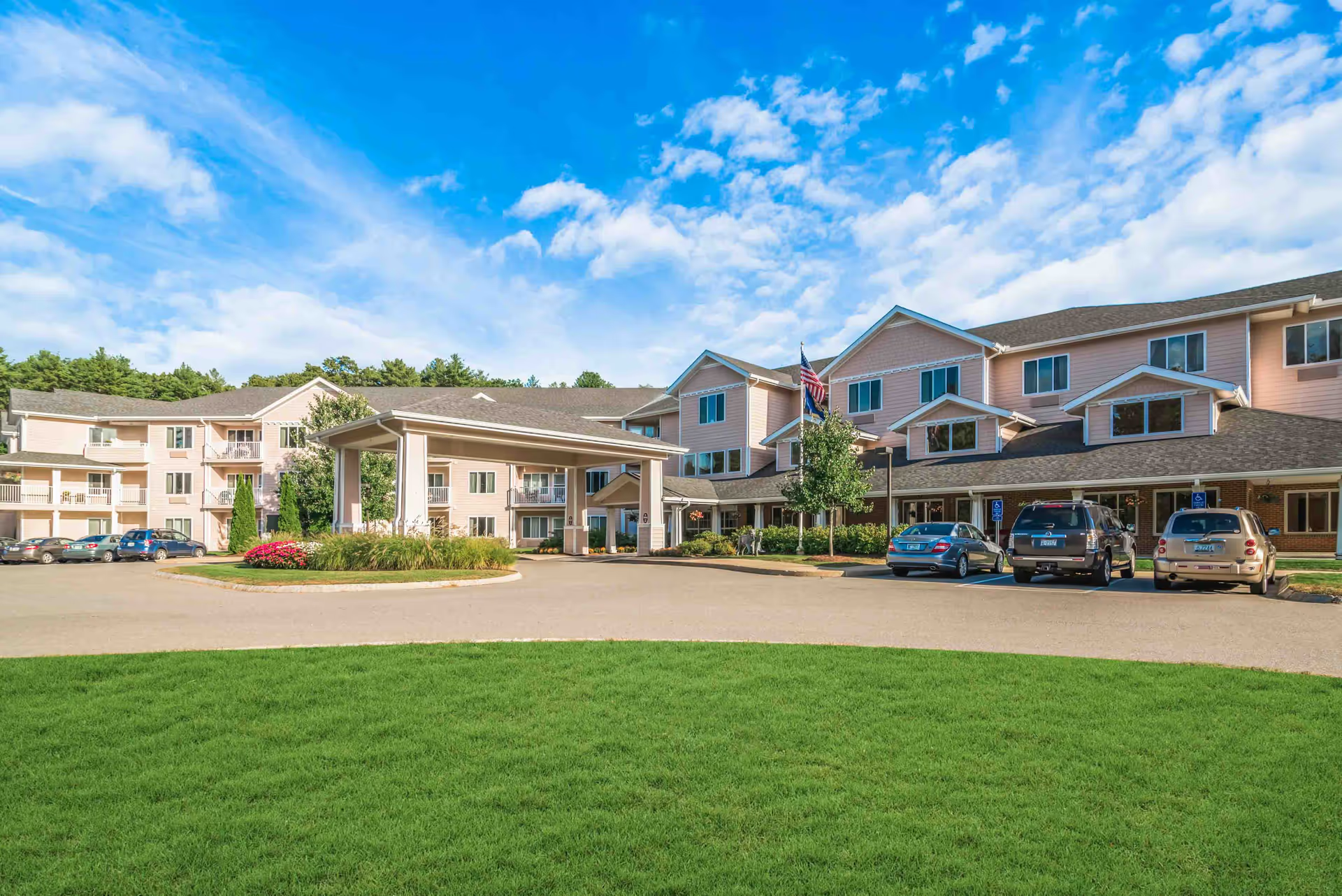
The physical environment is also highlighted favorably: clean, bright interiors, roomy private apartments with large windows, immaculate grounds, and secured courtyards and gardens. At the same time some families observed a mismatch between interior quality and exterior appearance, describing the exterior as less residential or unexpectedly utilitarian.
Management and communication receive mixed but generally positive remarks. Many families report clear pricing conversations, smooth admissions when staffing permits, regular updates via calls and photos, and a welcoming reception. That said, reviewers also noted operational constraints: occasional refusals of admission due to staffing/time limitations and inconsistencies in family-calling or remote-communication options.
A small number of strong negative accounts introduce important caveats. A few reviewers described concerns about staff conduct, safety incidents that required escalation, and perceptions of uneven training or dementia-care consistency. These accounts contrast with the majority of favorable experiences and suggest variability in staff performance and incident responses. Given that pattern, prospective families should tour the site, ask about staffing ratios, training programs, incident escalation protocols, and communication procedures before making a placement decision.
In summary, Avita of Wells is characterized by a dementia-centered program with compassionate, activity-rich care, high-quality food service, and well-kept facilities. The dominant impression is of a family-like community with experienced leadership, but prospective residents and families should evaluate cost, ask detailed questions about staffing and training, and confirm expectations about exterior aesthetics and communication options during the admissions process.