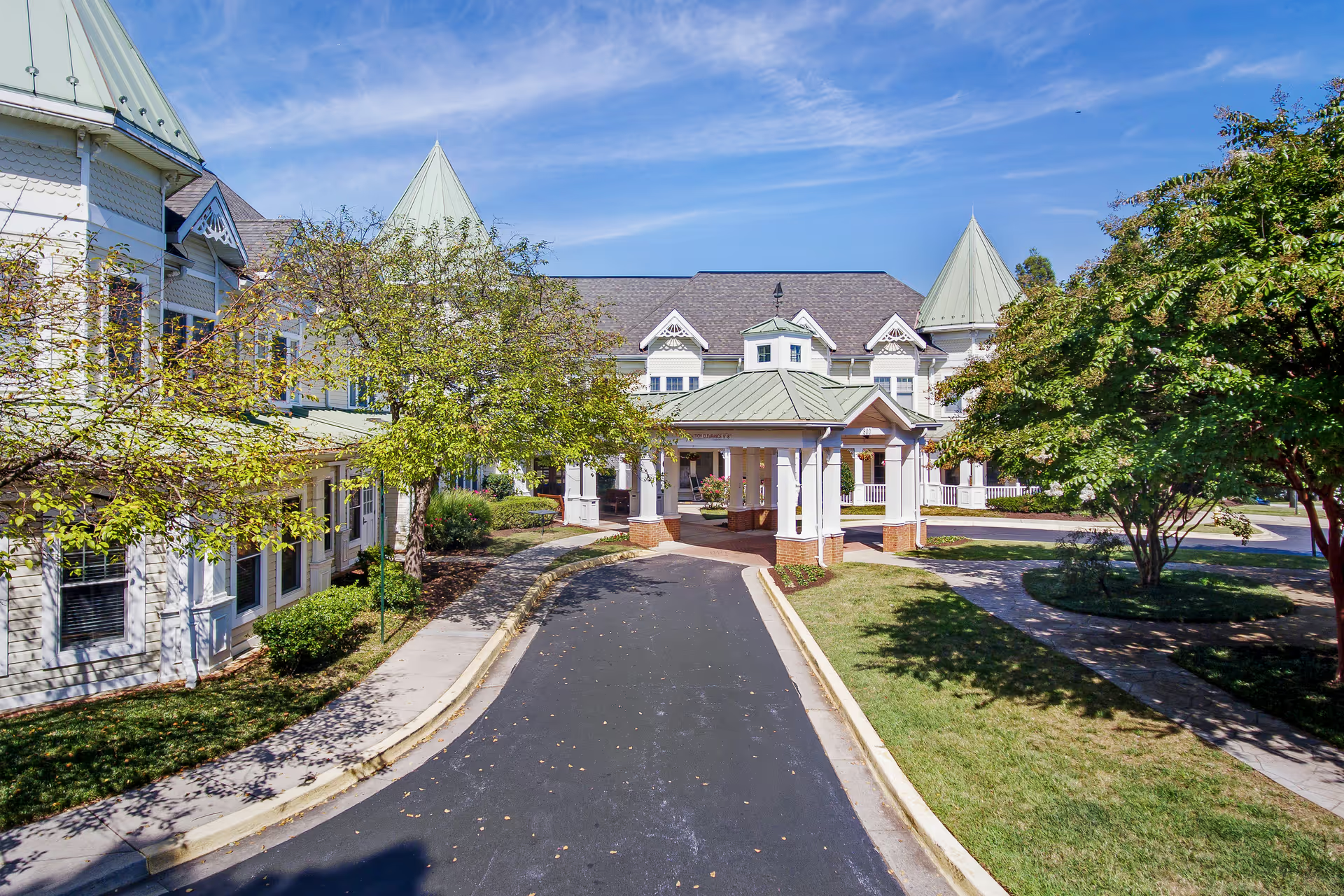
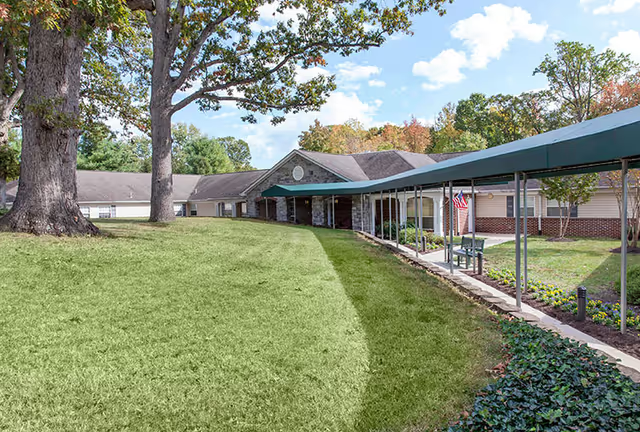
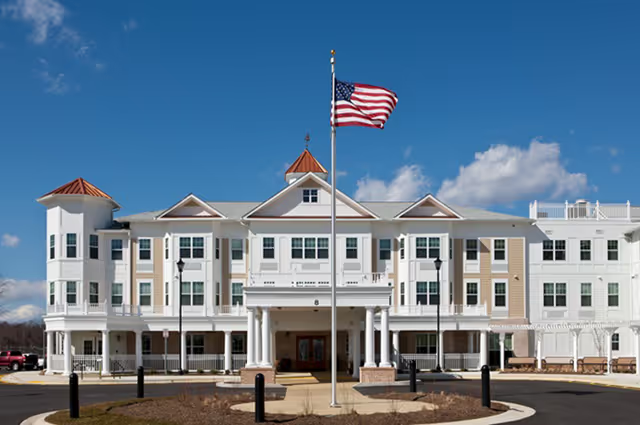
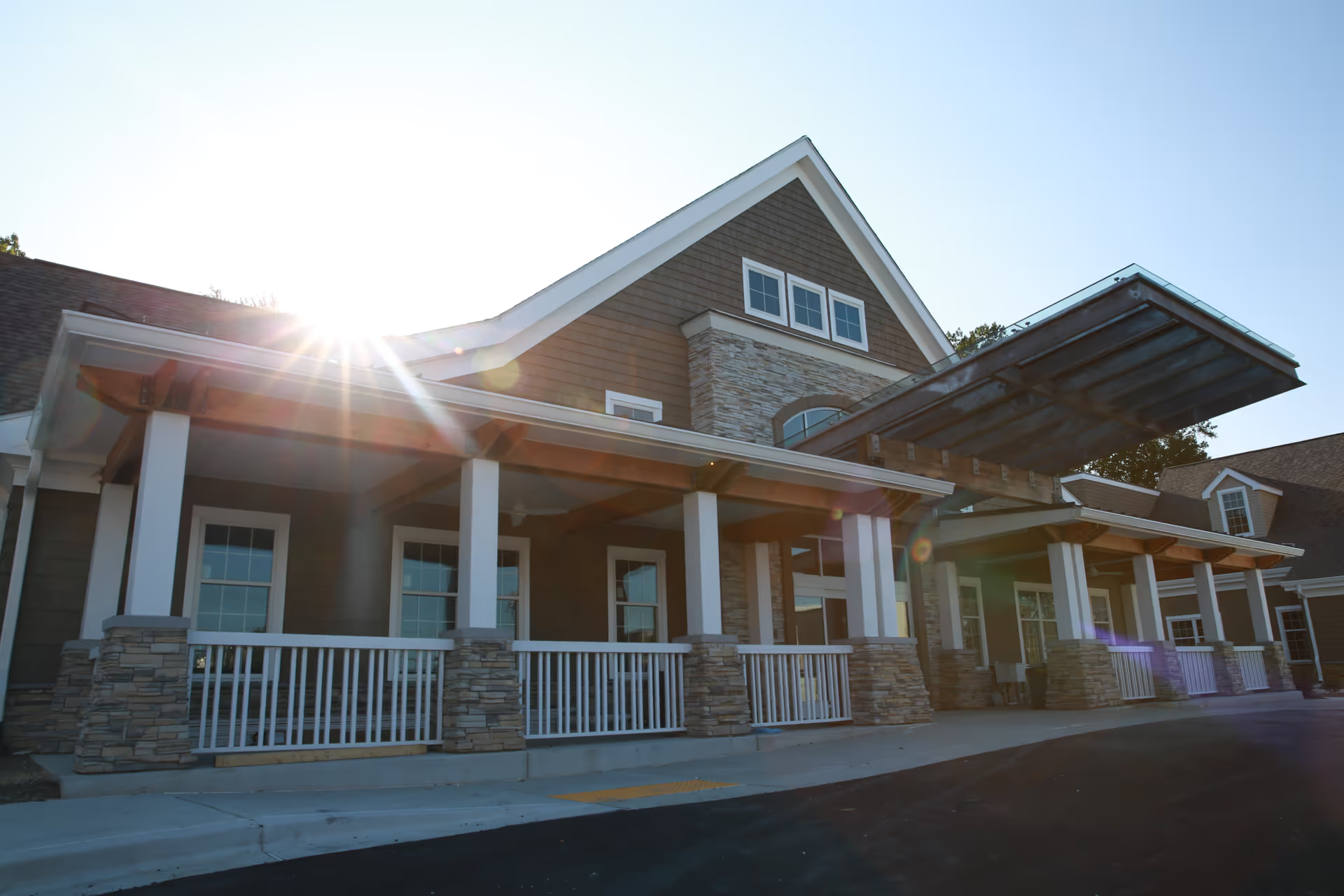
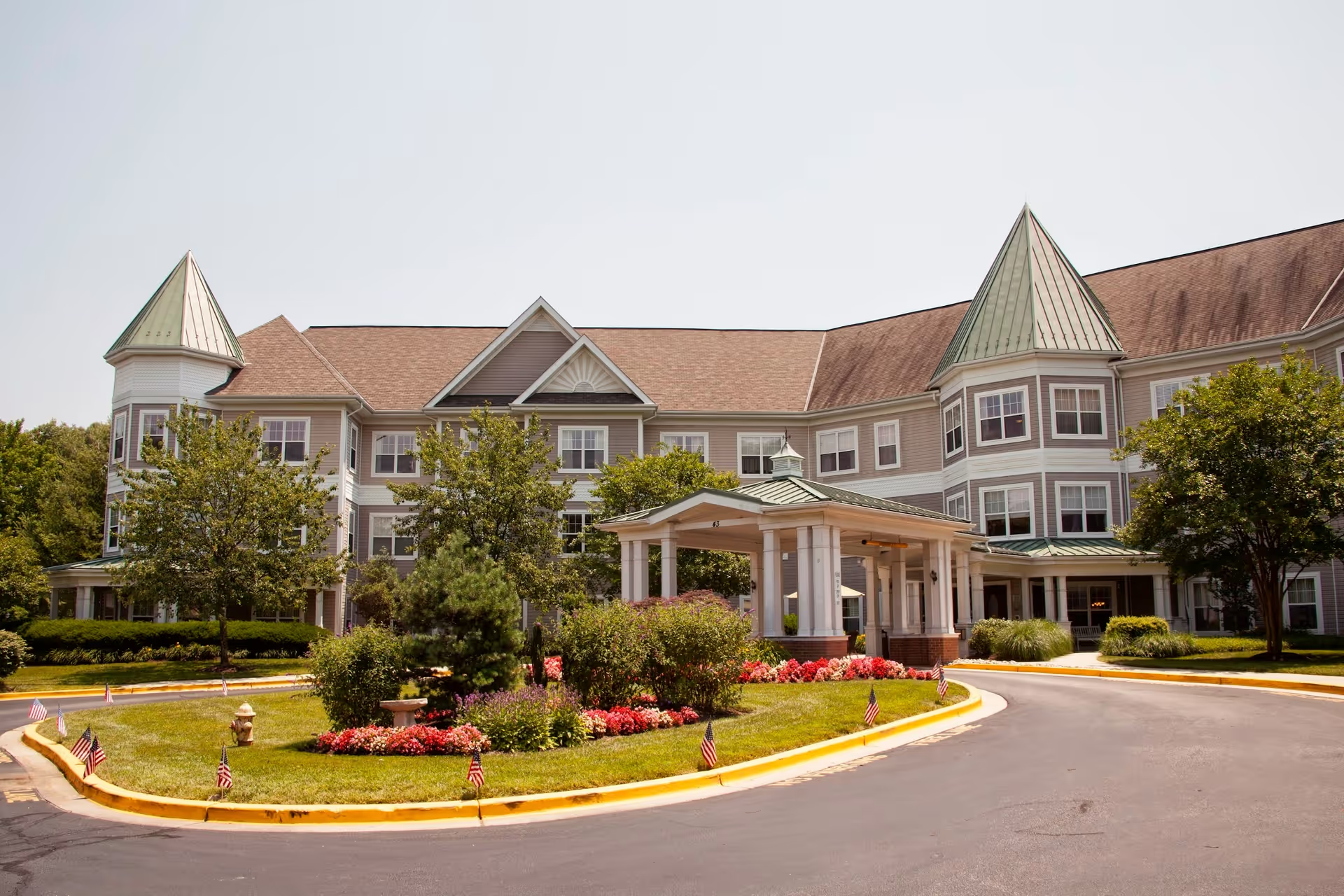
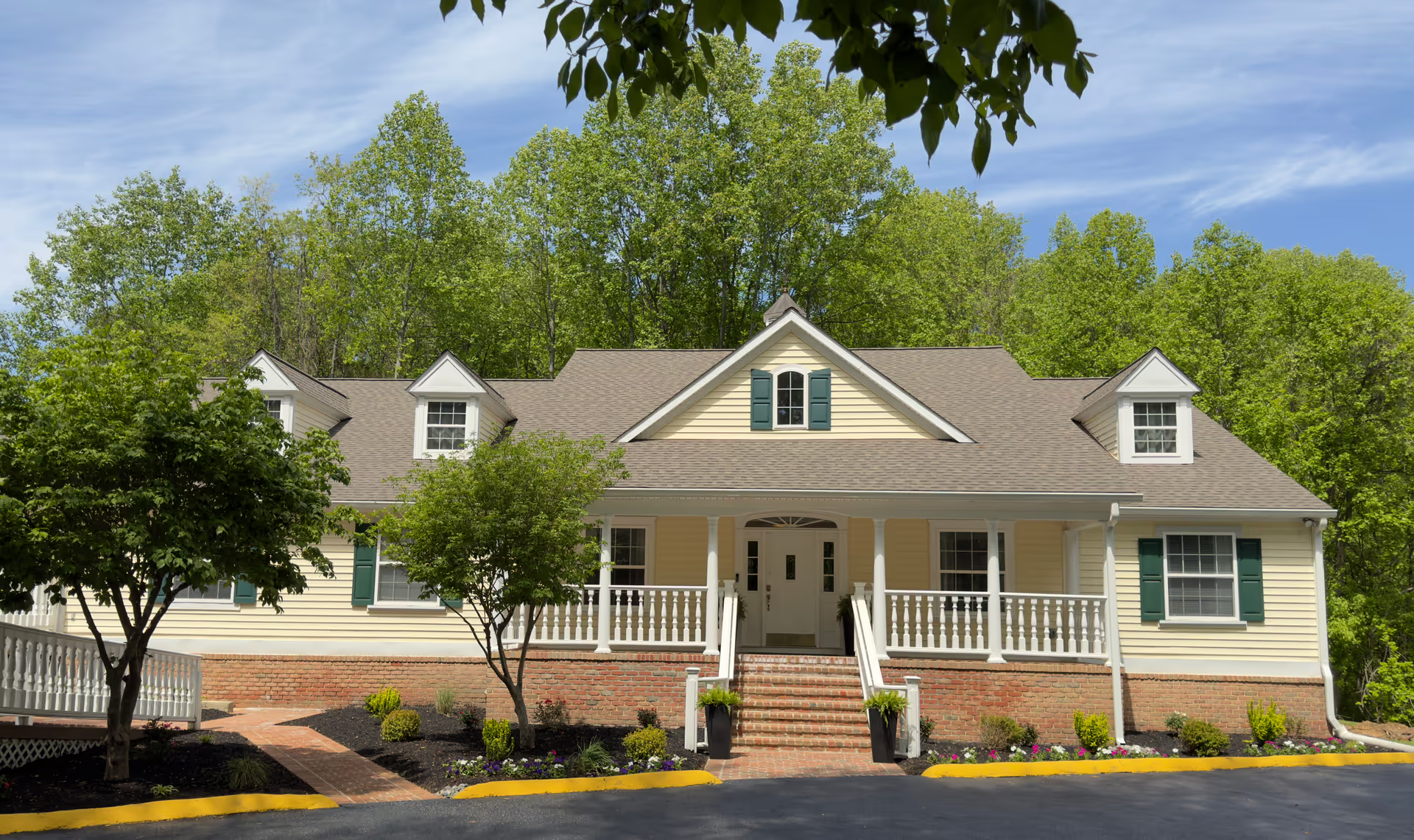
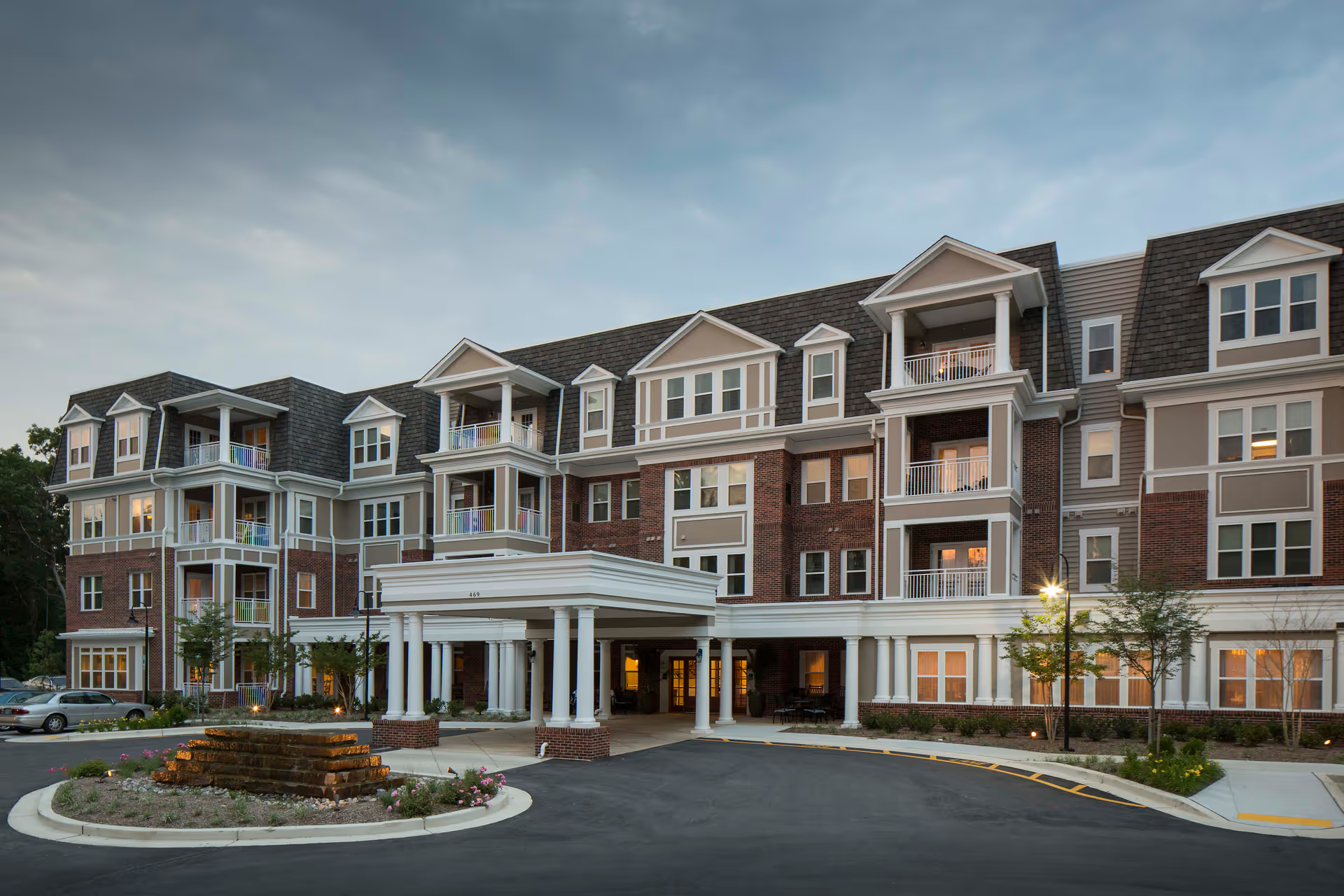
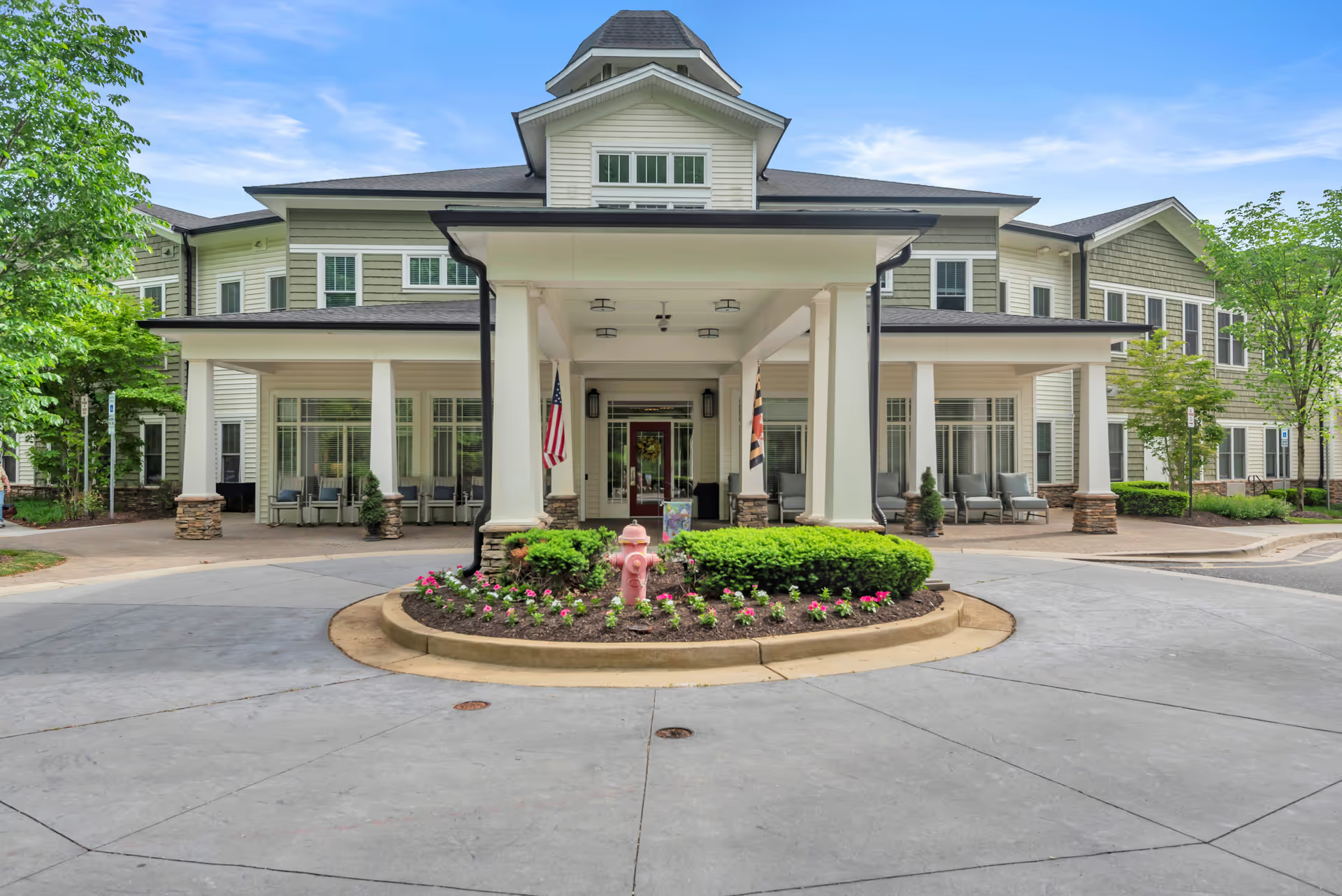
Brightview Annapolis presents a mixed but largely positive profile for prospective residents and families. Strengths repeatedly cited include a warm, compassionate staff culture—particularly in memory care—and an active social program that supports resident engagement. The community is described as clean and well maintained, with upscale, resort-like public spaces and a full set of on-site amenities such as a movie theater, salon, and fitness room. Staff responsiveness during COVID-19 and clear communication about infection-control measures were frequently noted as reassuring by families.
Care quality and staffing appear to be a central strength but with variability. Many families characterize caregivers as respectful, educated, and personally invested in residents, describing individualized attention and smooth transitions from independent to assisted living. At the same time, there are recurring concerns about inconsistent staff professionalism and responsiveness; reviews indicate that families experienced uneven interactions with some staff and described instances that point to gaps in hiring, training, or supervision. These items suggest that while the staff base includes dedicated, high-performing caregivers, operational consistency is an area for improvement.
Dining and activities are defining features of the community. The activity calendar is extensive—exercise, music, clubs, games, book groups, field trips and regular entertainment—and is often credited with improving residents’ mood and social lives. Dining is presented as restaurant-style with rotating menus and regular special meals; however, perceptions of food quality vary considerably. Some residents and visitors praise the meals and hospitality, while others report a decline in food quality or overall dissatisfaction. This pattern points to variability in day-to-day meal execution rather than a structural absence of dining programming.
Facility and operational characteristics should be weighed by prospective residents. The building and interiors are widely described as attractive and well appointed, but the location on a busy road, limited outdoor grounds, constrained visitor parking, and a large campus scale can make the environment feel less home-like to some. The community operates as a rental model with monthly rent and additional move-in fees; combined with higher price points noted in several comments, cost and perceived value are common concerns. Clinically, the community does not offer on-site skilled nursing, which is an important consideration for families anticipating increasing medical needs.
Management and administrative patterns are mixed. Many accounts praise proactive leadership, family communication during public-health events, and event programming; conversely, other families report confusing billing or move-in processes, strict procedural rules, and at times unfriendly administrative interactions. Overall, the dominant themes are strong social programming and caring staff, balanced against operational inconsistencies—especially around food-service quality, staffing reliability, transparency of fees, and the lack of on-site skilled nursing. Prospective residents should tour in person, ask specific questions about staffing levels and clinical services, clarify all fees and parking arrangements, and sample meals to assess fit for their preferences and care trajectory.