Reviews of Autumn Lake Healthcare at Arlington West show a strong polarization between positive short-stay/rehab experiences and concerning reports tied to longer stays or higher-acuity medical needs. The facility receives consistent praise for its rehabilitation program and therapy staff, with multiple accounts of effective PT/OT interventions that produced measurable functional gains. Families frequently highlight a welcoming front desk, personable receptionists, proactive family communications (including email updates and video-chat support), and an active calendar of resident events that contribute to social engagement.
At the same time, there is a recurrent pattern of operational inconsistencies that families should consider. Staffing variability — particularly across shifts and floors — is associated with delayed responsiveness to call buttons, slower assistance for personal-care needs, and reports of staff being unavailable or distracted. Several accounts point to medication-administration issues, including delayed doses, medication errors, and gaps in medication-safety checks; these comments indicate weaknesses in medication-related processes and clinical oversight rather than isolated praise-worthy events.
Dining and nutrition show mixed performance. Some reviewers note that meals are tailored appropriately and that dietary accommodations are provided when coordinated with clinical staff. Conversely, there are frequent concerns about inconsistent meal temperature, gaps between diet orders and actual service (notably for residents with diabetes), and variable availability of menu items. Multiple narratives suggest breakdowns in dietary coordination for complex needs such as diabetes management, which aligns with the wider clinical-safety concerns raised elsewhere.
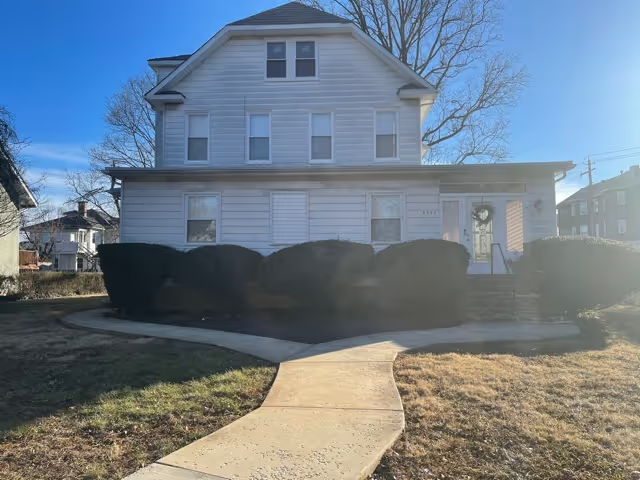
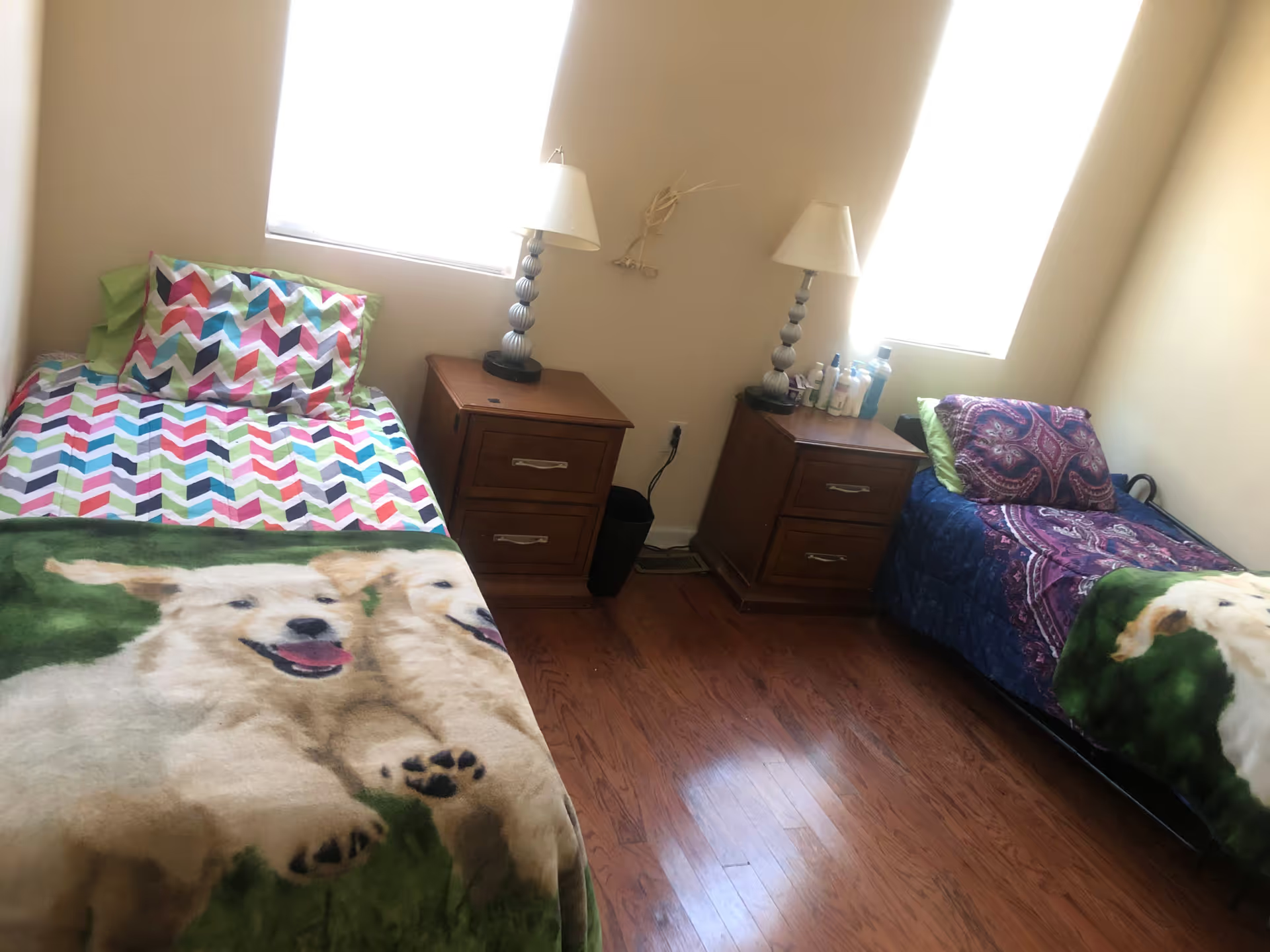
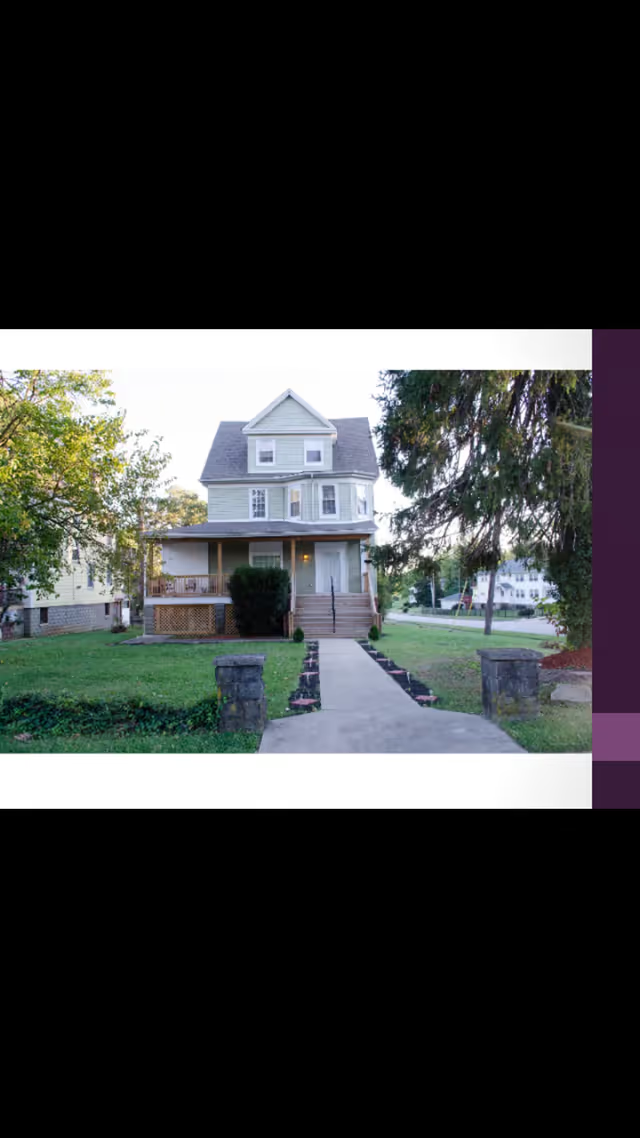
Housekeeping and personal-care practices are another area of divergence. Many families commend the facility’s overall cleanliness, pleasant interior, and well-kept common areas. However, a number of reviews indicate inconsistent room cleaning, sanitation concerns in some common bathrooms, irregular bathing schedules, and issues with laundry and personal-item tracking. These operational gaps have contributed to family frustration and, in some cases, consideration of transfer to alternative care.
Staff conduct and management responsiveness are described unevenly. Individual staff members and teams receive high marks for professionalism, empathy, and timeliness; named staff are singled out for exemplary care. Conversely, other reviewers describe challenges with tone, communication, and language barriers, and some feel their concerns were not adequately addressed by supervisors. This variability suggests that resident experience may depend significantly on specific caregivers, shifts, or units rather than uniform facility-wide practice.
Taken together, the reviews describe a facility with evident strengths in rehabilitation, family communication, activities, and a generally pleasant physical environment, but with notable operational weaknesses in consistent clinical oversight, medication safety, diabetic/dietary coordination, housekeeping, and staffing reliability. Prospective residents and families may benefit from direct inquiries about current staffing ratios, medication-safety protocols, diabetic-diet planning, housekeeping schedules, and escalation/complaint processes to assess how these issues are being managed at the time of placement.